
TL;DR
Prime for Young Adults — start your free trial
Fast free delivery, streaming and member deals for eligible 18–24 year olds.
Try it freeAs an affiliate, we earn on qualifying purchases.
LED masks can reduce mild to moderate acne with consistent use over weeks, but they are not magic solutions. Their effectiveness varies, and they work best as part of a broader skincare routine. Knowing their limitations helps manage expectations.
Imagine a device that promises to clear your skin with just 10 minutes of light therapy. Sounds enticing, right? But peeling back the glossy surface reveals a more nuanced truth. LED masks can support acne management, but they’re not miracle cures.
This guide explores what LED masks truly do—and what they can’t—so you can set realistic goals and avoid costly disappointments. Understanding their limitations is key to integrating them wisely into your skincare routine.
LED masks can support mild to moderate acne but rarely replace medications for severe cases.
Consistent use over 4-12 weeks is necessary; irregular use diminishes benefits.
Not all LED devices are equally effective—prioritize FDA-cleared or clinically validated options.
LED therapy works best as part of a broader skincare routine, not as a standalone cure.
Consult a dermatologist if your acne is persistent or worsening despite home treatments.
What LED Masks Actually Do for Acne
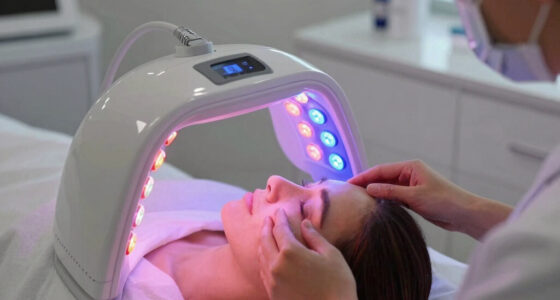
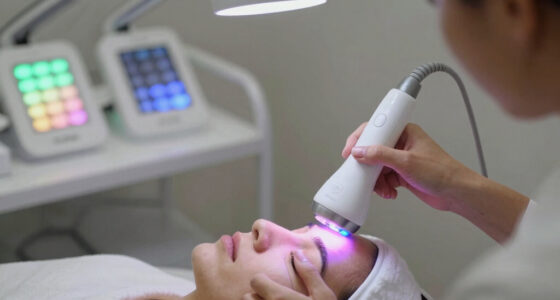
LED masks emit specific wavelengths of light—mainly blue and red—that target bacteria and inflammation. Blue light (about 415 nm) kills acne bacteria like *Propionibacterium acnes*.
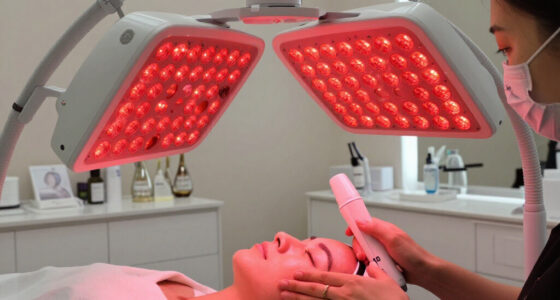
Red light (around 630-700 nm) helps calm inflammation and promote healing. Think of it as a gentle, soothing wave that encourages your skin’s natural repair process.
But these effects are subtle. They can reduce the appearance of pimples and redness, especially in mild cases. It’s like giving your skin a gentle nudge, not a full overhaul.
As an affiliate, we earn on qualifying purchases.
Why Results Vary from Person to Person
Every skin is different, and so is every acne case. Some users see improvements in just a few weeks; others notice little change even after months.
Factors like skin type, severity of acne, and consistency play big roles. For example, someone with mild breakouts in their 20s might see quick results, while a person with cystic acne in their 30s may find LED therapy insufficient alone.
It’s a bit like trying to fix a leaky faucet with a tiny drop of oil—sometimes it helps, but often more is needed.
Understanding this variability is important because it highlights that LED therapy is not a guaranteed fix. It’s a supportive tool that works best when tailored to individual needs and used consistently over time. Recognizing these nuances helps prevent frustration and encourages a more realistic approach to skincare.
blue and red light therapy device for acne
As an affiliate, we earn on qualifying purchases.
As an affiliate, we earn on qualifying purchases.
Limited Impact on Severe or Hormonal Acne
LED masks are generally effective for mild to moderate acne but fall short for severe cases. If you’re battling cystic, hormonal, or stubborn acne, light therapy alone might not cut it.
Think of LED masks as a supportive tool, not a main weapon. For serious breakouts, topical medications or oral treatments are often necessary.
For example, a person with hormonal acne might see some redness decrease, but cysts remain untouched without additional medications.
This limitation matters because it emphasizes the importance of a comprehensive treatment plan. Relying solely on LED masks for severe or hormonal acne can lead to disappointment and delayed effective treatment. It’s crucial to consult a dermatologist for a tailored approach that addresses the root causes of stubborn acne.
As an affiliate, we earn on qualifying purchases.
How Long Do You Need to Use LED Masks?
Patience is key. Most users need 4 to 12 weeks of regular use before noticing meaningful changes. Treatments are typically performed 2-3 times weekly.
Imagine a garden—consistent watering over weeks gradually fosters growth. Skipping days or inconsistent use can stall progress.
For example, someone who uses their mask twice a week for 8 weeks might see small improvements, while irregular use yields little.
This time frame matters because it underscores that skincare is a process. The cumulative effect of consistent use allows the skin to respond gradually and safely. Rushing or overusing treatments can cause irritation without speeding up results, so patience and routine are essential for success.
best LED masks for mild to moderate acne
As an affiliate, we earn on qualifying purchases.
As an affiliate, we earn on qualifying purchases.
Common Pitfalls and Misunderstandings
Many believe LED masks are a quick fix. In reality, they’re supportive, not standalone cures. Relying solely on light therapy often leads to disappointment because it doesn’t address underlying causes like hormonal imbalances, bacteria, or excess oil.
Another mistake: expecting instant results. Results take time and consistent effort. Overuse can cause dryness or irritation—think of it as overwatering a plant, which can harm rather than help.
For instance, a user who treats their skin with an LED mask every day might experience redness, not improvement, due to overexposure. It’s important to follow recommended usage guidelines and understand that LED therapy complements other treatments rather than replacing them entirely.
Cost, Quality, and Safety Considerations
Not all LED masks are created equal. High-quality, FDA-cleared devices cost between $200 and $600, often backed by clinical validation.
Cheaper models may lack proper safety features or deliver insufficient light intensity. Always choose reputable brands and follow instructions carefully.
Safety note: Do not use devices if you have photosensitivity, or certain skin conditions, or take medications that increase light sensitivity—consult a professional if unsure.
Investing in a reliable device can mean the difference between safe, effective treatment and potential skin irritation or injury. It’s worth prioritizing quality and safety to ensure your efforts are both effective and risk-free.
When to Seek Professional Advice
If your acne persists or worsens despite using an LED mask, consult a dermatologist. They can assess whether your skin needs stronger treatments or a combination approach.
Professional treatments like blue light therapy in clinics or prescription medications might be necessary—especially for stubborn cases.
For example, a person with persistent cystic acne may find their at-home LED mask ineffective, and a dermatologist’s intervention could be more appropriate.
Seeking professional advice ensures that underlying issues are properly diagnosed and treated. It also helps prevent reliance on a single modality that may not be sufficient for severe or resistant cases, ultimately leading to more effective and faster results.
Frequently Asked Questions
Are LED masks safe for sensitive skin?
For most people, LED masks are safe when used as directed. However, those with photosensitivity, certain skin conditions, or on medications that increase light sensitivity should consult a dermatologist first.
How soon can I expect to see results?
Most users notice some improvements after about 4 weeks, with more significant changes between 8 to 12 weeks. Results vary based on skin type and consistency.
Can LED masks replace my current acne medication?
For mild cases, they can complement treatments, but for severe or cystic acne, prescription medications or professional treatments are often necessary. Always consult your dermatologist for personalized advice.
Are cheaper LED masks effective?
Cheaper models may lack proper safety features or sufficient light intensity. Prioritize FDA-cleared devices or those with proven clinical validation for best results and safety.
What happens if I overuse my LED mask?
Overuse can cause dryness, redness, or irritation. Follow the manufacturer’s guidelines and avoid daily use unless explicitly recommended. If irritation occurs, pause treatments and consult a professional.
Conclusion
LED masks offer a gentle, non-invasive boost for mild acne, but they’re not a magic wand. Their true power lies in consistent use and realistic expectations. Think of them as one piece of a larger puzzle—necessary but not sufficient alone.
Approach your skincare with knowledge and patience, and you’ll avoid disappointment. After all, clear skin often comes down to steady effort and smart choices.
Fall Picks
fall essentials
As an affiliate, we earn on qualifying purchases.