TL;DR
Play games included with Prime
Start a Prime free trial and play with Amazon Luna on your devices.
Start playingAs an affiliate, we earn on qualifying purchases.
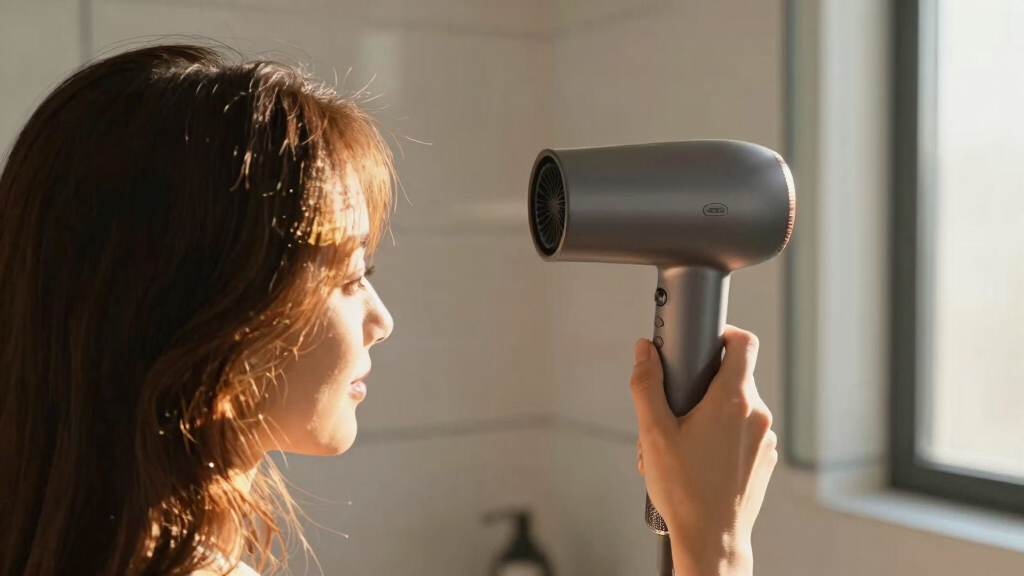
Cordless hair dryers are highly convenient for travel and quick touch-ups, with recent battery improvements increasing their usability. However, they generally lack the power of traditional dryers and have limited runtime. Whether they’re worth it depends on your lifestyle needs—ideal for portability, less so for daily professional styling.
Imagine drying your hair without the hassle of a cord tangling around your feet or getting caught on furniture. Cordless hair dryers promise freedom and flexibility, perfect for travel, quick touch-ups, or outdoor styling.
But do they actually deliver the same performance as traditional models? In this guide, you’ll learn the real advantages and limitations of cordless dryers, backed by the latest tech developments. Knowing what to expect can help you decide if they’re a worthwhile addition to your styling arsenal.
What Makes a Cordless Hair Dryer Different from a Regular One?
At the core, cordless hair dryers run on rechargeable batteries, usually lithium-ion, instead of plugging into a wall. They’re designed to be lightweight, portable, and free of cords, making them perfect for travel or quick fixes.
For example, a typical cordless dryer might weigh just 1.5 pounds — about the same as a small book — and fit into your purse or gym bag. But this convenience often comes with tradeoffs in power and runtime.
While a standard dryer can blast out 1500+ watts, most cordless models hover around 300-700 watts. That’s enough to dry hair, but slower and less forceful, especially on thick or curly strands. This lower power means you need to adapt your styling expectations—what takes minutes with a corded dryer might take longer or require multiple passes with a cordless one. The tradeoff between portability and performance is crucial; if you need professional-level results quickly, a cordless dryer may not suffice, but for casual or quick-use scenarios, they can be surprisingly effective.
As an affiliate, we earn on qualifying purchases.
Why Portability Makes a Big Difference — And When It’s a Game Changer
Picture this: you’re at the gym, and your hair is damp from showering. Instead of lugging a bulky blow-dryer or waiting for a mirror, you pull out a sleek, cordless dryer. Within minutes, your hair is dry and styled, all without tangled cords or searching for outlets.
This kind of ease becomes invaluable during travel, outdoor events, or busy mornings. If your routine includes quick touch-ups or last-minute styling, a cordless dryer can be a game changer.
Moreover, the significant reduction in weight and bulk means less strain on your arms and shoulders, especially if you have a lot of hair or need to dry multiple sections. The ability to recharge quickly and use the device without cords also opens up new possibilities—such as drying your hair in unconventional spaces or outside the bathroom area. The convenience can lead to more frequent styling, encouraging better hair maintenance and appearance, especially when traditional dryers are impractical or unavailable.
As an affiliate, we earn on qualifying purchases.
The Power and Performance Gap: Are They Really Enough?
Here’s the reality: cordless hair dryers usually pack less punch than their corded cousins. A typical cordless model offers around 300-700 watts, whereas traditional dryers deliver 1500 watts or more. This difference isn’t just about speed; it impacts the overall styling process. The lower wattage means less airflow and heat, which can result in uneven drying or longer styling times. For example, thick, curly hair might take twice as long to dry, and you may need to use multiple passes or lower heat settings to avoid damaging your hair with prolonged heat exposure.
Another implication is the inconsistency in heat and airflow. Some cordless models may struggle to maintain stable temperatures, especially as the battery drains, leading to less effective styling or potential damage if the heat fluctuates unpredictably. While recent battery tech improvements have pushed some models to 30-minute runtime at moderate heat, this still limits their ability to handle intensive styling tasks. The tradeoff here is clear: portability and convenience often come at the expense of professional-grade performance, which is critical for those with demanding styling needs or thick hair.
As an affiliate, we earn on qualifying purchases.
Battery Life and Recharging: How Long Can You Expect?
Most cordless hair dryers provide between 10 and 30 minutes of use per full charge. For example, a popular model might give you 15 minutes at high heat and airflow, enough for a quick dry or style touch-up. This duration is suitable for small sections or quick fixes but is insufficient for longer styling sessions or full blowouts. The limited runtime means you need to plan your styling routine accordingly or have backup options.
Recharging times vary but typically take 2 to 4 hours for a full charge. This can be inconvenient if you need to style multiple times in a day or forget to recharge overnight. Some brands now include fast-charging features or removable batteries, allowing you to swap in a spare or recharge while you use the other. This can extend your overall styling capacity, but it also adds to the cost and complexity of ownership. Understanding these tradeoffs helps set realistic expectations—if you rely on cordless dryers for multiple styling sessions, investing in models with quick recharge or spare batteries is worth considering.
portable hair dryer for quick touch-ups
As an affiliate, we earn on qualifying purchases.
As an affiliate, we earn on qualifying purchases.
Are They Worth the Cost? Weighing Price vs. Benefits
Cordless hair dryers tend to cost more upfront — typically between $50 and $200 — due to battery technology, compact design, and added convenience features. This higher price reflects the engineering challenges of miniaturizing powerful components while maintaining safety and usability. In contrast, standard models often start around $30 but lack portability and advanced features.
For example, a Revlon cordless dryer might retail for around $70, offering decent performance for quick uses. Meanwhile, a Dyson Supersonic costs over $400 but isn’t portable, so it’s a different category entirely. The key question is whether the added convenience and portability justify the investment—especially if you only need a dryer for occasional use or travel.
If your routine involves frequent travel, outdoor activities, or requires quick touch-ups during busy days, the investment might pay off by saving time and reducing clutter. However, if you have thick, curly, or heavily styled hair that demands high power and fast results, a traditional high-powered corded dryer generally offers better value and performance for the money.
Latest Tech Advances Making Cordless Dryers Better
Recent improvements focus on longer battery life, faster recharges, and smarter heat management. For instance, some models now include ionic technology to reduce static and frizz, which was once rare in cordless devices. These innovations can significantly impact styling quality, especially for those with frizz-prone or textured hair, by improving shine and smoothness.
Design-wise, manufacturers have made them lighter, more ergonomic, and quieter, reducing fatigue during extended use. The inclusion of smart controls, like app connectivity or temperature sensors, allows for more precise styling, minimizing heat damage and improving results. These features are especially important as they help compensate for the lower power output by optimizing heat and airflow in real time.
Overall, these technological advancements are gradually narrowing the performance gap with traditional dryers. While they don’t completely replace high-powered professional tools, they do make cordless models more viable for everyday styling and quick fixes, especially when convenience is a priority.
Who Should Invest in a Cordless Hair Dryer?
If you value portability and quick fixes, a cordless dryer can be a smart addition. For example, frequent travelers, gym enthusiasts, or outdoor lovers will appreciate the freedom from cords, enabling styling in places where traditional outlets aren’t accessible. It also encourages more frequent hair maintenance, as the convenience lowers the barrier to quick touch-ups.
However, if your hair is thick, curly, or you often style for professional occasions, traditional high-power dryers remain more effective. They can dry and style faster, saving time and effort, which is critical when you’re on a tight schedule or need consistent results. The lower power and shorter runtime of cordless models mean they might struggle to meet these demands.
Remember: cordless devices excel in convenience and portability, but they are not a one-size-fits-all solution. Assess your hair type, styling habits, and the environments in which you’ll use the device to determine if a cordless dryer aligns with your needs.
The Final Verdict: Are They Really Worth It?
Cordless hair dryers are a convenience, not a replacement. They shine in portability, quick touch-ups, and outdoor use. But don’t expect professional-level power or long runtimes from most models.
If your goal is a lightweight, on-the-go device for light styling or travel, they’re a smart choice. If you need serious power for thick hair or daily styling, stick to corded models.
Investing in a cordless dryer makes sense if convenience outweighs high-end performance in your routine. Consider your typical styling needs, hair type, and whether the tradeoffs in power and runtime are acceptable for your lifestyle.
Key Takeaways for Choosing a Cordless Hair Dryer
- Battery life varies: Expect 10-30 minutes of use, enough for quick tasks.
- Power is limited: Usually under 700 watts, so slow drying on thick hair.
- Cost reflects convenience: Higher prices are for portability, lighter weight, and tech features.
- Recent tech advances: Longer-lasting batteries and ionic tech improve performance.
- Best for specific needs: Ideal for travel, outdoor use, or quick touch-ups — not replacing a professional dryer.
Frequently Asked Questions
Can a cordless hair dryer replace my regular one?
For everyday professional styling or thick, curly hair, a traditional corded dryer still outperforms most cordless models in power and speed. But for quick touch-ups or travel, a cordless dryer can be a practical alternative.How long does a typical cordless hair dryer last on a single charge?
Most models offer between 10 and 30 minutes of use per full charge. This is enough for a quick dry or light styling but not for a full blowout.Are cordless hair dryers worth the extra money?
It depends on your lifestyle. If you frequently travel or need a lightweight device for convenience, they can be a smart investment. For regular, intensive styling, a high-power corded dryer remains the better choice.How long do recharges typically take?
Recharging usually takes 2 to 4 hours, depending on the model. Some brands offer fast-charging options or removable batteries to extend usability.Are cordless hair dryers safe to use?
Yes, provided you follow the manufacturer’s instructions. Always handle them carefully, avoid water exposure, and use on appropriate hair types to prevent damage or safety issues.Conclusion
In the end, a cordless hair dryer can be a smart tool for those who prioritize portability and speed. Think of it as a handy sidekick for quick touch-ups, not a full-on styling station.
Choose based on your routine, hair type, and how much you value freedom from cords. When you find the right fit, it’s like having a little hair-saving magic in your bag—light, fast, and surprisingly capable.
Fall yard work Picks
leaf blowers
As an affiliate, we earn on qualifying purchases.