TL;DR
Get ready for Prime Big Deal Days — try Prime free
Exclusive member deals on October 6–7, plus fast free delivery. Cancel anytime.
Start your free trialAs an affiliate, we earn on qualifying purchases.
For most people, LED masks are safe and can help reduce mild to moderate acne. Still, safety depends on device quality, skin condition, medications, and proper use—expect modest results and exercise caution with eye safety and darker skin tones.
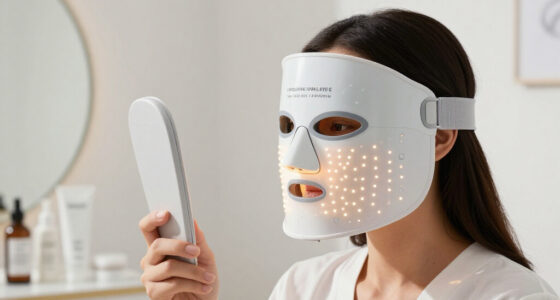
Imagine a device that bathes your face in soothing, colorful light—promising clearer skin without creams or prescriptions. LED masks have become a staple in beauty routines, especially for those with acne-prone skin. But are they truly safe? And do they deliver on their promises?
Understanding how these masks work, their safety profile, and who should use them can help you decide if they fit your skincare arsenal. This guide cuts through the hype—focusing on facts, safety, and realistic expectations.
Most LED masks are safe for at-home use when used as directed, especially if purchased from reputable, FDA-cleared brands.
Blue light targets bacteria, red light reduces inflammation—use both for modest acne improvements, but don’t expect quick fixes.
People on photosensitizing medications, with eye issues, or skin conditions like melasma should consult professionals before trying LED therapy.
Always wear goggles, keep the device clean, and follow timing guidelines to avoid irritation or safety hazards.
LED masks support, not replace, standard acne treatments; set realistic expectations and combine with proven skincare routines.
Are LED Masks Safe for Acne-Prone Skin?
The short answer: yes, for most people — when the device is reputable and used as directed. But “safe” carries real caveats: device quality, medications, eye protection, and skin tone all change the equation. Here’s the evidence, minus the hype.
How the Light Actually Works
LED masks emit specific visible-light wavelengths — not UV. Each colour penetrates to a different depth and does a different job, which is why combination blue/red devices are the standard for acne.
Blue Light
Absorbed by porphyrins inside Cutibacterium acnes bacteria, triggering reactive oxygen species that destroy them from within. Targets the bacterial driver of breakouts.
Red Light
Penetrates further to calm inflammation, boost blood flow and support tissue repair and collagen synthesis — useful for angry pimples and post-acne marks.
Near-Infrared
Included in some premium masks for deeper anti-inflammatory and collagen effects. Complementary, not essential, for acne control.
“FDA-Cleared” ≠ “FDA-Approved”
Many consumer masks are cleared through the FDA’s 510(k) pathway for mild-to-moderate acne. That distinction matters — clearance is a safety floor, not an efficacy guarantee.
| Claim on the Box | What It Actually Means | Safety Signal | Proof It Clears Acne |
|---|---|---|---|
| FDA-Cleared (510(k)) | Reviewed for safety and “substantial equivalence” to an existing device; meets manufacturing quality controls. | ✓ Meets safety standards | ~ Modest evidence only |
| FDA-Approved (PMA) | Rigorous premarket approval with clinical trial data — a bar consumer LED masks generally do not meet. | ✓ Highest scrutiny | ✓ Strong evidence required |
| Unregulated / Counterfeit | Common on large marketplaces at very low prices; may have incorrect wavelengths, uneven output, or overheating risk. | ✗ No safety assurance | ✗ Unverified, possibly useless |
Who Should Pause Before Plugging In
LED therapy is well-tolerated by most — side effects are usually limited to temporary redness, dryness, or tightness. But five groups face meaningfully higher risk.
Photosensitizing Medications
Isotretinoin (Accutane), doxycycline, certain diuretics, St. John’s Wort, and topical retinoids can make skin light-reactive — raising the risk of burns, irritation, or hyperpigmentation. Lupus and porphyria are also red flags. Clear it with a doctor first.
Eyes: Not a Theoretical Risk
Blue light at close range can reach the retina. In 2019, Neutrogena voluntarily recalled its Light Therapy Acne Mask over eye-injury risk for users with underlying eye conditions. Always use built-in shields or goggles — never stare into the LEDs.
Darker Skin Tones & Melasma
Visible blue light can stimulate melanocytes and worsen hyperpigmentation — a particular concern for medium-to-deep skin tones and anyone prone to melasma or post-inflammatory pigmentation. Red light is the lower-risk option; patch test first.
Active Lesions & Heat Sensitivity
Avoid treating open wounds, active rashes, or suspicious moles — a dermatologist should examine those, not irradiate them. Some masks also emit warmth that can aggravate rosacea and melasma; look for adjustable settings.
How Effective Are They, Honestly?
Clinical studies show real but modest results for mild-to-moderate inflammatory acne. LED masks are an adjunct to proven treatments — not a replacement, and not a fix for hormonal or cystic acne.
Expect slow, incremental gains. Fewer pimples around week six is realistic; vanished cysts are not. At-home devices run lower power than professional treatments, and results plateau without a broader routine — consistency is the whole game.
The Safe-Session Checklist
Five steps, every session. Skipping any of them trades away the safety margin that makes LED therapy low-risk in the first place.
The Bottom Line
For most people, LED masks are safe and modestly effective against mild-to-moderate acne — blue light targets bacteria, red light calms inflammation, and no UV is involved. But safety is conditional: buy FDA-cleared devices, protect your eyes, check your medications, and take extra care with deeper skin tones. Treat LED as a supporting actor alongside proven skincare, and expectations will match reality.
How do LED masks work for acne? The basics you need to know
LED masks use specific wavelengths of light—mainly blue (~405–420 nm) and red (~620–660 nm)—to target skin bacteria and inflammation. Blue light penetrates the skin surface, killing acne-causing bacteria by activating porphyrins within bacteria, which produce reactive oxygen species that destroy them. Red light, on the other hand, penetrates deeper, stimulating cellular activity, reducing inflammation, and promoting tissue repair through increased blood flow and collagen synthesis. These processes support the skin’s natural healing mechanisms.
Why does this matter? Well, targeting bacteria and inflammation directly can help control breakouts, especially in early or mild cases. However, this targeted approach also means that LED therapy doesn’t address all underlying causes of acne, like hormonal fluctuations or excess oil production. Additionally, the effects depend on proper wavelength selection, device quality, and consistent use. The tradeoff is that while LED masks can support your skin’s healing, they typically provide modest improvements and require ongoing commitment. They are a part of a broader skincare strategy, not a magic fix.
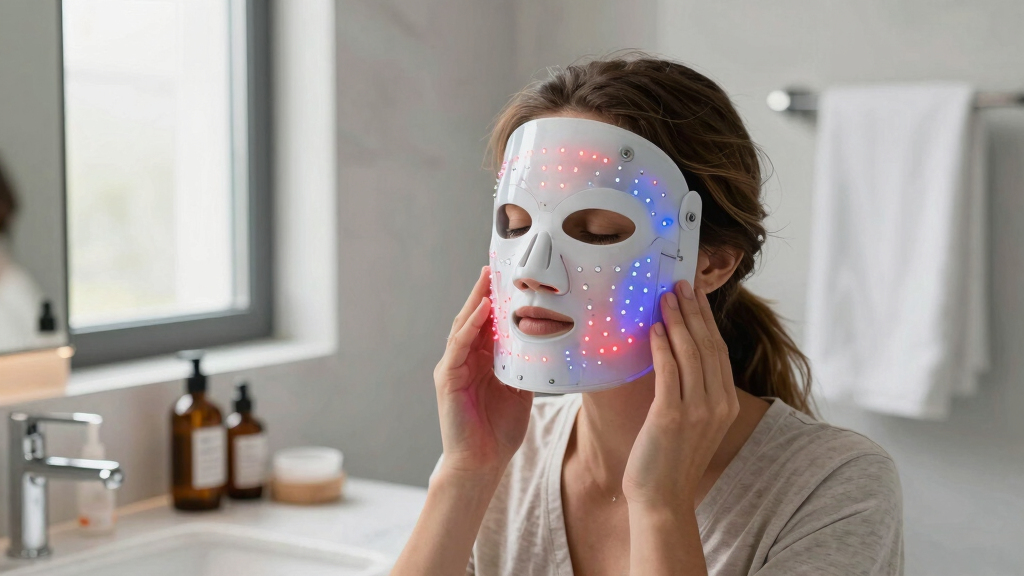
FDA-approved LED facial mask for acne
As an affiliate, we earn on qualifying purchases.
As an affiliate, we earn on qualifying purchases.
What does ‘FDA-cleared’ mean — and does it guarantee safety or effectiveness?
Many consumer LED masks are labeled ‘FDA-cleared,’ which indicates that the device has undergone a review process by the Food and Drug Administration for safety and substantial equivalence to existing approved devices. This clearance means the manufacturer has demonstrated that the device is unlikely to cause harm when used as directed. However, it does not mean the device has been proven to significantly improve or cure acne; rather, it has passed safety standards and manufacturing quality controls.
This distinction is important because some cheaper or unregulated devices may not meet these standards, posing risks like uneven light output, overheating, or skin irritation. When choosing an LED mask, selecting one with FDA clearance from a reputable brand is a practical step to ensure you’re getting a device that has been tested for basic safety and quality. Be cautious of unregulated products, especially those sold at very low prices on large marketplaces, as they may lack safety features and could cause harm or deliver ineffective therapy.
In essence, FDA clearance offers a layer of assurance—it’s not a guarantee of dramatic results but a minimum safety threshold. Combining this with reputable sourcing reduces the risks associated with poor device quality and unverified claims.
blue and red light therapy mask for acne
As an affiliate, we earn on qualifying purchases.
As an affiliate, we earn on qualifying purchases.
Who should avoid LED masks? The safety exceptions that matter
While LED masks are generally safe for most, certain conditions and medications can significantly increase the risk of adverse effects. Photosensitizing drugs like doxycycline or certain retinoids can make your skin more reactive to light, leading to burns, irritation, or hyperpigmentation. If you’re on such medications, consult your healthcare provider before starting LED therapy, as the risks may outweigh the benefits.
Blue light, especially at close range, can potentially harm the retina or cause eye strain if proper eye protection isn’t used. The 2019 recall of some blue-light devices, like Neutrogena’s mask, highlighted the importance of protective goggles—blue light can penetrate the eye’s surface and cause retinal damage over time. Always wear the recommended goggles to minimize this risk.
Individuals with darker skin tones or conditions like melasma need to be especially cautious. Blue light can stimulate melanocytes, increasing pigment production and worsening hyperpigmentation or uneven skin tone. Red light, which is less likely to trigger pigmentation, can be a safer alternative. Patch testing before full use can help identify adverse reactions, particularly in sensitive or pigmented skin.
Active skin infections, open wounds, or suspicious moles are contraindications—any light therapy over these areas could exacerbate issues or hide signs of underlying problems. Always consult a dermatologist if uncertain.
Heat-sensitive individuals should also note that some devices emit warmth, which can aggravate conditions like rosacea or cause discomfort. Understanding your skin’s response and choosing devices with adjustable settings can help prevent adverse effects.
at-home LED skin rejuvenation device
As an affiliate, we earn on qualifying purchases.
As an affiliate, we earn on qualifying purchases.
How effective are LED masks for clearing acne? The honest truth
Research indicates that blue and red light therapy can produce modest reductions in inflammatory acne. Clinical studies show an average improvement of about 20–30% in lesion count after 4 to 12 weeks of consistent use, meaning that while some skin clearing is possible, it’s rarely dramatic. These effects are achieved by decreasing bacterial load and calming inflammation, which are key contributors to acne development.
However, it’s essential to recognize the limitations. LED masks are best used as an adjunct—supporting, but not replacing, standard treatments like topical benzoyl peroxide, retinoids, or antibiotics. They are particularly effective for mild-to-moderate inflammatory lesions but are not designed to address hormonal or cystic acne, which often require more targeted interventions.
Expect slow, incremental improvements. For example, someone might notice fewer pimples after six weeks, but deep scars or cysts are unlikely to resolve. Consistency is crucial—skipping sessions can hinder progress, and the effects tend to plateau without comprehensive skincare and medical management. Also, at-home devices tend to have lower power and efficacy than professional in-office treatments, so the results—while safe—are typically subtle and gradual. Setting realistic expectations helps avoid disappointment and encourages ongoing use as part of a broader skincare routine.
As an affiliate, we earn on qualifying purchases.
Safety tips for using LED masks without side effects
To maximize safety and effectiveness, follow these detailed guidelines:
- Clean your mask thoroughly after each use with gentle disinfectants to prevent bacterial buildup that could cause breakouts or infections.
- Wear protective goggles during every session to shield your eyes from blue light, which can penetrate the eye and cause retinal damage over time. Never skip this step.
- Follow the recommended timing—most devices suggest 10–20 minutes per session, 3–5 times weekly. Overuse can cause dryness or irritation, while underuse may produce minimal results.
- Perform a patch test on a small skin area before full application. Wait 24 hours to observe any adverse reactions like redness, swelling, or irritation before proceeding.
- Discontinue use if irritation occurs—redness, dryness, or discomfort that persists beyond the session indicates your skin may be sensitive or reacting negatively.
- Sequence your skincare carefully—avoid applying photosensitizing products like retinoids or certain acids immediately before sessions. Instead, use them at different times to reduce irritation and maximize benefits.
For example, do your LED session before applying thicker creams or active ingredients. Maintaining a gentle skincare routine and adhering to device instructions minimizes side effects and enhances results.
Darker skin tones, melasma, and blue light: What you need to know
Blue light can stimulate melanocytes—the cells responsible for pigment production—potentially worsening hyperpigmentation issues like melasma, especially in medium-to-deep skin tones. This occurs because blue light can activate these cells, leading to increased melanin synthesis, which manifests as dark spots or uneven skin tone. For individuals with pigmentation concerns, this means blue light therapy might inadvertently intensify existing hyperpigmentation if not used cautiously.
Red light, with its longer wavelength, penetrates deeper without stimulating melanocytes as strongly, making it a safer choice for those with darker skin or pigmentation issues. It can support healing and inflammation reduction without the risk of darkening or uneven pigmentation. However, even with red light, patch testing and dermatologist consultation are recommended if you have sensitive or pigmented skin.
Always consider your skin’s unique response, and start with shorter sessions or lower intensities to gauge reactions. Proper device selection, cautious use, and professional guidance help prevent unintended darkening or uneven skin tone, ensuring LED therapy benefits without compromising skin health.
Frequently Asked Questions
Do LED masks actually work for acne, or is it a gimmick?
LED masks can modestly reduce inflammatory acne when used consistently over weeks. They are best as an adjunct to standard treatments, not a standalone cure. Results vary based on device quality and individual skin factors.
How long until I see results, and how often should I use it?
Most users notice slight improvements after 4-6 weeks of regular use, with optimal results around 8–12 weeks. Aim for 3–5 sessions weekly, each lasting 10–20 minutes.
Blue light vs. red light — which do I need for acne?
Blue light targets bacteria on the skin surface, helping reduce pimples caused by bacteria. Red light penetrates deeper to calm inflammation and support healing. Combining both offers the best overall benefit for mild inflammatory acne.
Is it safe for my eyes? Do I need goggles?
Blue light can potentially harm the retina if stared into directly, especially at close range. Always wear the included protective goggles during sessions—this is a simple but critical safety step.
Can LED masks cause cancer?
No. LED masks use visible light, not UV rays, so they do not carry the skin cancer risk associated with sun exposure. Data on long-term safety is limited but generally reassuring for normal use.
Conclusion
LED masks offer a gentle, non-invasive way to support acne-prone skin—most are safe if you follow basic precautions. They won’t erase deep scars or hormonal cysts, but they can lighten inflammation and bacterial load over time.
Think of them as a helpful sidekick in your skincare routine, not a magic wand. Before trying one, assess your skin’s needs, medications, and eye health—then proceed with care.
NFL season / tailgating Picks
team gear
As an affiliate, we earn on qualifying purchases.