
TL;DR
Get ready for Prime Big Deal Days — try Prime free
Exclusive member deals on October 6–7, plus fast free delivery. Cancel anytime.
Start your free trialAs an affiliate, we earn on qualifying purchases.
Both rigid and flexible LED masks can deliver effective light therapy at home. Effectiveness depends more on LED quality and usage consistency than on design. Comfort and convenience are the main factors influencing your choice.
Imagine a mask that fits so snugly you forget it’s there—yet another that molds effortlessly to your face, feeling like a gentle hug. The choice between rigid and flexible LED masks can seem subtle, but it shapes your entire skincare experience. You want technology that’s effective, comfortable, and easy to incorporate into your daily routine.
This guide walks you through the differences, benefits, and recent innovations in both types. Whether you’re after a seamless fit or a sturdy, stable device, here’s what you need to know to make an informed choice for your skin’s future.
Both rigid and flexible LED masks can be equally effective if they use quality LEDs and are used consistently.
Flexible masks tend to be more comfortable for longer sessions, making them better suited for extended or frequent use.
Rigid masks offer precise, stable coverage but may feel less comfortable during prolonged wear.
Hybrid models are emerging, combining the best features of both designs for enhanced performance and comfort.
Consider your lifestyle—portability, budget, and comfort—when choosing the right mask for your routine.
What’s the Difference? Rigid vs. Flexible LED Masks in a Nutshell
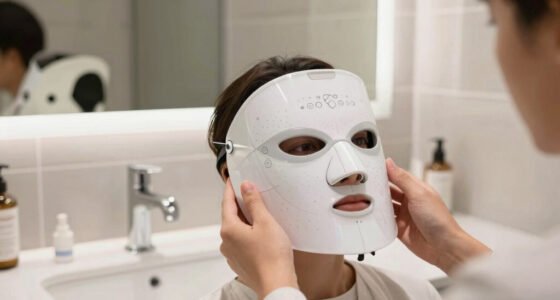
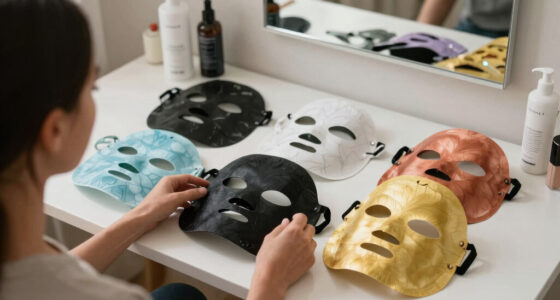
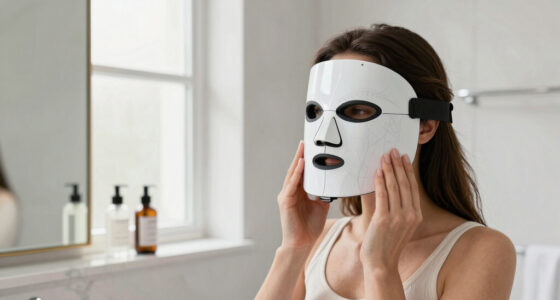
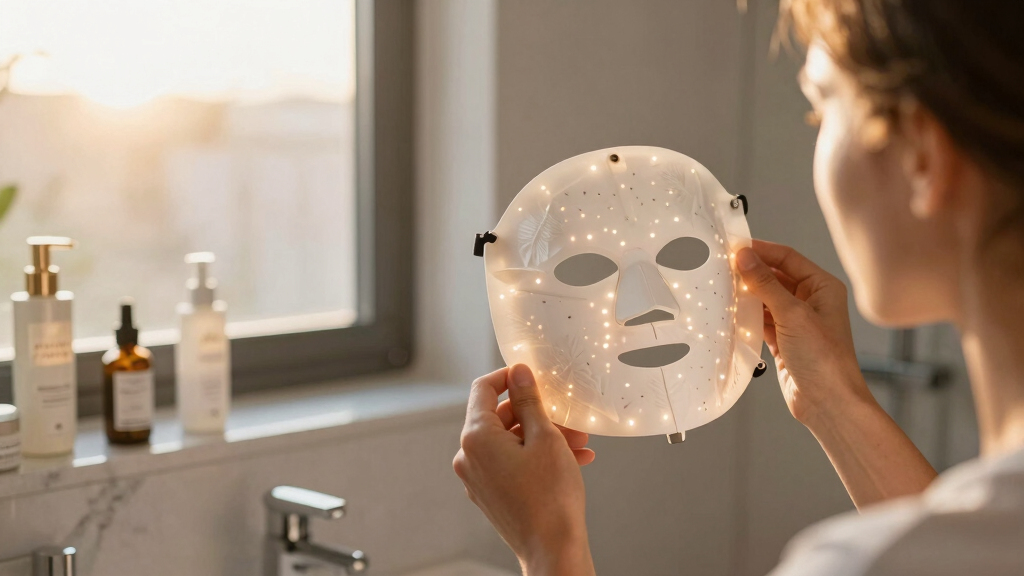
Rigid LED masks are made from hard plastics that hold their shape, offering a snug, consistent fit. Think of a sturdy face shield—firm and unwavering. Flexible masks, on the other hand, are crafted from silicone or bendable plastics, contouring naturally to your facial curves. Picture a soft, moldable gel that feels almost like second skin.
Here’s a quick comparison:
| Feature | Rigid Masks | Flexible Masks |
|---|---|---|
| Design | Hard, structured plastic | Soft, bendable silicone or plastic |
| Fit | Precise, consistent | Customizable, moldable |
| Comfort | Less forgiving, may feel tight | More comfortable for long wear |
| Durability | Highly durable but prone to cracking | Resilient to impacts, wears over time |
| Portability | Bulkier, stable during use | Lightweight, travel-friendly |
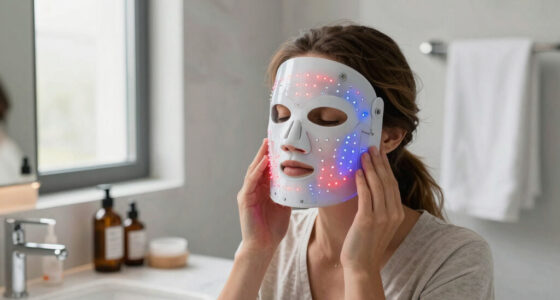
Both styles use LED diodes emitting wavelengths like red or near-infrared, but their form factor influences comfort and coverage.
LED facial mask with adjustable fit
As an affiliate, we earn on qualifying purchases.
As an affiliate, we earn on qualifying purchases.
Which Is More Comfortable? Why Flexibility Wins for Long Sessions
When it comes to comfort, flexible LED masks often take the lead. Their soft, pliable material molds gently to your face, reducing pressure points. This flexibility allows the mask to adapt seamlessly to facial contours, which is crucial for prolonged sessions. If a mask is too rigid, it can cause discomfort or pinching over time, potentially leading to distraction or even skin irritation.
For example, if you like to do your light therapy while relaxing in a chair or lying down, a flexible mask molds effortlessly without pinching or tightness. Users report that extended sessions—up to 20 minutes—are more enjoyable with a soft, adaptable fit, which minimizes discomfort and encourages consistency. Ultimately, comfort during long sessions is vital because it directly affects how often and how long you use your device, impacting overall results.
Pro tip: Look for masks with adjustable straps or flexible materials if you plan to use them for longer durations or have sensitive skin. The better the fit and comfort, the more likely you are to stick with your routine.
flexible silicone LED light therapy mask
As an affiliate, we earn on qualifying purchases.
As an affiliate, we earn on qualifying purchases.
How Do They Deliver Light? Coverage and Consistency in Action
Light delivery is the core of any LED mask. Rigid masks usually feature fixed LED panels that evenly cover the face, ensuring uniform light exposure. Think of a stage spotlight—precise and directed. This design allows for predictable, consistent treatment, which is important for targeting specific skin concerns like wrinkles or acne scars.
Flexible masks often employ bendable LED strips that contour to your face, aiming for even coverage. While this flexibility can enhance comfort by conforming to facial curves, it may introduce slight variations in light intensity across different zones. This means some areas might receive more or less light depending on how well the strips sit against your skin. Such differences can influence treatment efficacy, especially if certain zones are neglected or underexposed.
Recent innovations include hybrid designs, combining rigid panels with flexible strips, to optimize both coverage and comfort. These hybrid models seek to balance the benefits of precise, stable light delivery with the adaptability needed for a comfortable fit, ultimately enhancing the overall effectiveness of your light therapy routine.
Understanding these design nuances helps you choose a device that aligns with your skin concerns and lifestyle—whether you prioritize uniform coverage or a more adaptable, comfortable fit.
As an affiliate, we earn on qualifying purchases.
Durability and Maintenance: Which Lasts Longer?
Durability varies between rigid and flexible masks. Rigid masks, made of sturdy plastic, resist daily wear but can crack if dropped or mishandled. Imagine knocking over a glass—it might break, but it’s tough overall. This rigidity often translates into a longer lifespan if handled carefully, making them a good investment for consistent use over years.
Flexible masks, crafted from silicone or elastic plastics, absorb impacts better and are less likely to shatter. However, their softer materials can degrade over time, especially with frequent cleaning or exposure to oils and sweat. Discoloration, loss of elasticity, or shape distortion can affect comfort and fit, potentially reducing treatment effectiveness.
For example, a rigid mask might last several years with proper care, while a flexible mask may need replacement after 1-2 years of daily use. Regular cleaning with gentle solutions helps maintain hygiene and prolong lifespan, but over time, material fatigue can occur.
Tip: Always follow manufacturer instructions for cleaning and storage to maximize device longevity. Investing in a durable, easy-to-clean surface can save money and ensure consistent treatment quality over time.
As an affiliate, we earn on qualifying purchases.
Portability and Storage: Which Fits Into Your Life?
If you travel often or prefer a minimal skincare setup, flexible masks are the clear winners. Their lightweight, soft design makes them easy to pack and carry. Imagine slipping a pillow into your suitcase—simple and unobtrusive. This portability encourages consistent use because it integrates smoothly into busy travel schedules or daily commutes.
Rigid masks tend to be bulkier and less travel-friendly, but they stay stable during use, making them ideal for home routines. Think of a sturdy bookend—solid and reliable but not as easy to slip into a carry-on. While they might take up more space, their stability can be advantageous for focused treatments at home.
For example, if you want a mask you can toss into your gym bag or suitcase without fuss, choose a flexible model. For home-only use where stability matters, a rigid mask might be preferable. Consider storage options—some masks come with protective cases that help maintain their shape and cleanliness during travel.
Pro tip: Keep your device in a dedicated case or pouch to prevent damage during travel, ensuring longevity and maintaining hygiene.
Cost Considerations: Are Rigid or Flexible Masks More Budget-Friendly?
Price often reflects materials, tech features, and brand reputation. Rigid masks, with their sturdy construction and fixed panels, tend to cost more—think in the $300-$700 range. They’re an investment in durability and precision, which can translate into longer-term savings if they last many years. The upfront cost can be justified by their stable performance and fewer replacement needs.
Flexible masks usually fall between $200-$500, balancing comfort and tech. Their softer materials and adaptable design can make them more accessible for casual users or those on a budget. However, they might require replacement sooner, so factoring in longevity is important when evaluating value.
For example, a high-end rigid mask might offer advanced LEDs and smart features, justifying the premium. Meanwhile, a flexible mask with good LED quality can still provide impressive results at a lower price point, making it a practical choice for beginners or occasional users.
Tip: Consider ongoing costs like replacement parts or upgrades, especially if you plan long-term use. Investing in a slightly more expensive device with better durability can save money over time.
Recent Advances That Bridge the Gap Between Comfort and Performance
New designs now blend rigid and flexible elements for the best of both worlds. Imagine a mask with a sturdy front panel for consistent light, combined with soft, contouring sides for comfort. These hybrid models aim to maximize coverage while feeling gentle on your skin. The integration of rigid and flexible components allows manufacturers to tailor the treatment experience, minimizing compromise between efficacy and comfort.
Smart features like app control, timers, and usage tracking are becoming standard, making treatments more personalized and convenient. For example, some masks now connect to your phone, guiding you through sessions and reminding you when to use them. These technological advancements help optimize treatment schedules, improve adherence, and track progress, which can be motivating and improve outcomes.
Materials have also improved—hypoallergenic, breathable, and skin-friendly silicones reduce irritation and enhance comfort, especially for sensitive skin types. Innovations in LED technology, such as higher irradiance and targeted wavelengths, ensure that both hybrid and traditional masks deliver effective results efficiently.
These innovations mean you don’t have to choose solely based on comfort or tech; you can find devices that deliver both, making your skincare routine more effective and enjoyable.
Frequently Asked Questions
Are flexible LED masks as effective as rigid ones?
Yes, if they use high-quality LEDs and are used correctly, flexible masks can be just as effective as rigid models. Effectiveness depends more on LED wavelength and treatment consistency than on the mask’s shape or material.
Which mask is better for sensitive skin?
Flexible masks with softer, hypoallergenic materials tend to be gentler and more comfortable for sensitive skin. Always perform a patch test and consult a dermatologist if you have concerns.
Can I wear these masks for long sessions?
Flexible masks often provide better comfort for longer wear—up to 20 minutes—without pinching or pressure. Rigid masks may feel tighter but can still be used effectively for shorter, daily sessions.
Are there safety concerns with home use?
When used according to manufacturer instructions, LED masks are safe for home use. Always follow guidelines, perform patch tests, and avoid overuse to minimize any mild side effects like redness or irritation.
How long before I see results?
Most users notice improvements after 4-8 weeks of consistent use, with some seeing changes sooner depending on skin concerns and treatment frequency.
Conclusion
Choosing between a rigid and flexible LED mask boils down to what feels right for your skin and schedule. Comfort, coverage, and ease of use shape your experience. Remember, no matter the style, the real magic lies in consistent, proper use over time.
So, pick the one that fits your lifestyle, and let the gentle glow of LED therapy become a trusted part of your self-care ritual. Your skin will thank you for it—slowly, surely, beautifully.
Flea & tick season Picks
flea and tick prevention
As an affiliate, we earn on qualifying purchases.