
TL;DR
Open a free Amazon Business account
Business pricing, bulk buying and tax-exempt orders.
Create a free accountAs an affiliate, we earn on qualifying purchases.
Near-infrared (NIR) light penetrates deep into the skin, stimulating collagen and cellular energy. It supports skin rejuvenation with minimal downtime, backed by recent research and technological advances.
Near-infrared light penetrates deep into the skin, stimulating collagen and cellular energy, which supports skin rejuvenation.
Most users notice initial improvements within 4-6 sessions, with full results developing over a few months of consistent use.
Safety is high with proper use; look for FDA-approved devices and follow safety guidelines.
Technological advances now make NIR treatments more accessible at home, often combined with other therapies for better results.
Choosing the right device means considering wavelength, quality, ease of use, and professional guidance.
The Role of Near-Infrared Light in Anti-Aging Treatments
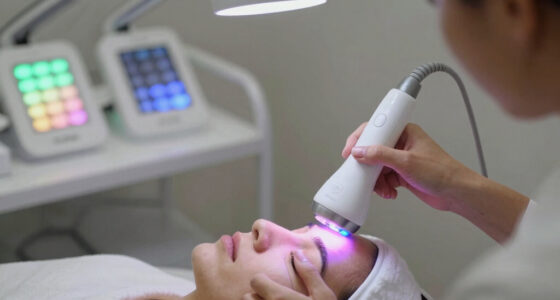
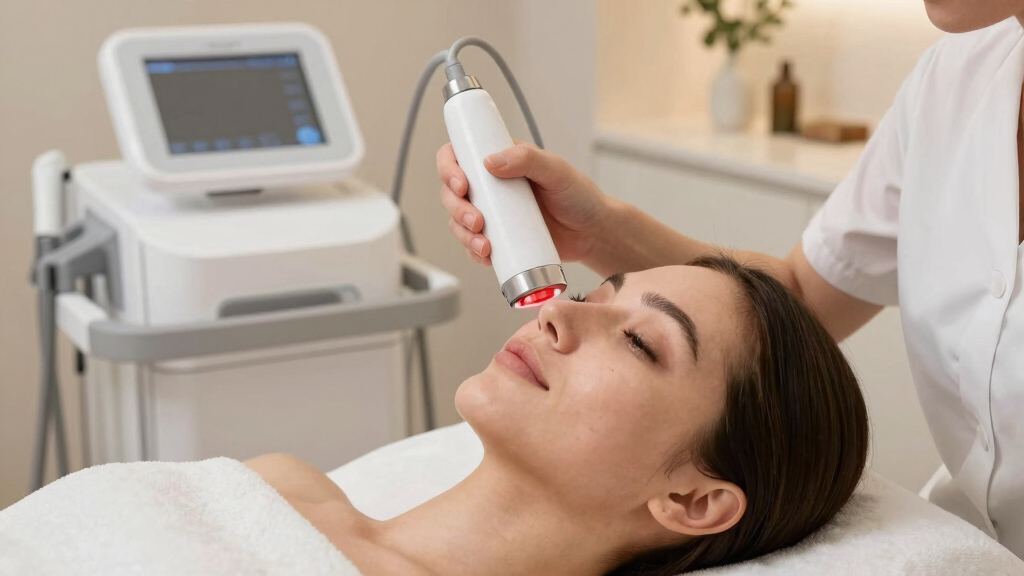
A gentle, warm glow can reach beneath the skin’s surface and encourage renewal from within. Near-infrared light supports cellular energy, collagen production, circulation, and repair—without the downtime associated with more invasive treatments.
From light energy to skin renewal
NIR does not simply polish the surface. Its longer wavelengths penetrate farther, interact with cellular energy systems, and support the biological processes responsible for firmer, more resilient skin.
Light reaches deeper layers
Near-infrared wavelengths pass beyond the epidermis to reach the dermis and, depending on wavelength and delivery, tissues beneath it.
Mitochondria increase ATP
Cells absorb light energy and may increase production of ATP—the fuel used for repair, regeneration, and normal cellular activity.
Collagen receives a signal
Improved cellular activity supports collagen and elastin synthesis, helping address firmness, elasticity, and fine lines over time.
Why wavelength matters
Longer wavelengths generally reach deeper than visible light. The bars show a conceptual comparison—not a clinical measurement for a specific device.
What the skin may gain
The most useful way to think about NIR is as a cumulative conditioning treatment. Changes tend to build gradually as the skin’s own regenerative processes respond to repeated, correctly dosed sessions.
Fewer visible fine lines
Collagen support may soften the appearance of lines around the eyes and mouth.
Firmer-feeling skin
New structural proteins can help skin feel plumper, tighter, and more resilient.
Healthier-looking glow
Enhanced blood flow supports the delivery of oxygen and nutrients to skin tissue.
Calmer appearance
Anti-inflammatory effects may help reduce temporary redness and irritation.
More even complexion
Consistent treatment may support healthier texture and lessen visible photoaging.
Minimal downtime
Sessions are non-invasive and typically allow an immediate return to daily activities.
Results vary with age, skin condition, lifestyle, wavelength, dose, device quality, and treatment frequency. Some people notice early firmness after several sessions; collagen remodeling can continue for months.
Consistency creates the change
A common starting rhythm is one session per week, but the correct schedule depends on device instructions and professional advice. More exposure is not automatically better.
First sessions
Comfortable warmth and little or no downtime. Visible change may still be subtle.
Early response
Some users begin noticing smoother texture, glow, or a firmer skin feel.
Visible progress
Fine lines and elasticity may show clearer improvement with consistent treatment.
Full course
More developed results may emerge, followed by periodic maintenance sessions.
8–12 for a fuller course
NIR versus other light options
Each modality solves a different problem. NIR prioritizes deeper biological stimulation, red LED emphasizes surface rejuvenation, and resurfacing lasers deliberately create controlled injury for more intensive correction.
| Feature | NIR light therapy | Red LED light | Laser resurfacing |
|---|---|---|---|
| Penetration | ✓ Deep Dermis and subcutaneous tissue |
~ Moderate Mainly epidermis and upper dermis |
✓ Precise Depth varies by laser and setting |
| Primary role | Collagen support, cellular energy, inflammation control | Fine lines, texture, and surface glow | Removal or remodeling of damaged skin |
| Downtime | ✓ Minimal Usually none |
✓ Minimal Usually none |
✗ Variable Can require meaningful recovery |
| Sensation | Gentle warmth | Little sensation | Heat or discomfort; numbing may be used |
| Best suited to | Firmness and gradual deep rejuvenation | Surface smoothing and overall tone | Scars, deeper wrinkles, and significant correction |
| At-home access | ✓ Available Quality and output vary |
✓ Widely available | ✗ Professional Clinical supervision required |
Safe use starts with the right device
NIR is generally considered safe when used appropriately. The goal is a reliable dose delivered consistently—not maximum intensity or longer-than-recommended exposure.
What to look for
- Defined wavelength: confirm the device specifies its NIR output, commonly within 700–1200 nm.
- Regulatory status: look for appropriate clearance for its stated purpose, not vague approval claims.
- Uniform coverage: well-designed LED arrays reduce inconsistent exposure across treatment areas.
- Usable protocol: timers, eye-safety guidance, fit, comfort, and clear dosing instructions matter.
- Qualified guidance: seek dermatology advice when treating sensitive or medically complex skin.
How to use it well
- Follow the schedule: avoid extending sessions or stacking treatments without guidance.
- Protect the eyes: use the manufacturer’s recommended eye protection and positioning.
- Watch the response: stop and seek advice if redness, swelling, irritation, or discomfort persists.
- Check medications: ask about drugs or topicals that can increase photosensitivity.
- Get medical advice: consult a clinician if pregnant or managing an underlying skin condition.
Expected: mild warmth or brief redness. Not expected: burning, prolonged swelling, or worsening irritation.
Portable LED arrays
Home masks and panels make repeat sessions easier, though their intensity may be lower than clinical equipment.
Blended wavelengths
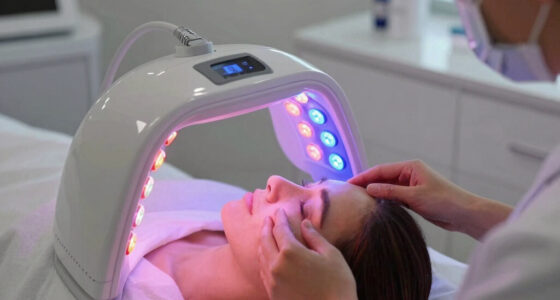
Newer systems combine NIR with red or blue light to target deeper repair and surface concerns together.
Combination protocols
NIR may complement radiofrequency, microneedling, lasers, chemical peels, or topical skincare under expert guidance.
How the signal becomes a visible result
Five points to remember
NIR works below the surface, supporting cellular energy and collagen-related repair.
Early changes often take 4–6 sessions; fuller results may develop over several months.
Safety is high with proper use, clear instructions, eye protection, and sensible dosing.
Home technology improves access, but professional devices may deliver greater intensity.
Choose by wavelength, quality, fit, and guidance—not marketing claims alone.
How Near-Infrared Light Actually Boosts Your Skin’s Youthfulness
Near-infrared (NIR) light is a specific wavelength of light, ranging from 700 to 1200 nanometers, that can penetrate deep into your skin. Unlike visible light, which mostly affects the outer layers, NIR reaches the dermis and even the tissues beneath. It stimulates your mitochondria—the tiny power plants inside your cells—to produce more ATP, the energy your cells need to repair and regenerate.
Think of it as giving your skin’s cells a shot of fuel. This boost encourages collagen and elastin production—those proteins responsible for skin firmness and elasticity. Over time, this can mean fewer fine lines, tighter skin, and a more radiant complexion. Plus, NIR’s anti-inflammatory effects help calm redness and irritation, making it a gentle yet effective ally in anti-aging.
Why does this matter? Because collagen and elastin are the structural proteins that keep your skin firm and elastic. As we age, their production decreases, leading to sagging and wrinkles. NIR’s ability to stimulate these proteins from within means it addresses the root causes of aging, rather than just surface symptoms. However, the depth of penetration also presents tradeoffs: deeper treatments can stimulate more significant regeneration but may require more precise application to avoid over-stimulation or unwanted tissue effects.
at-home near-infrared light therapy device
As an affiliate, we earn on qualifying purchases.
As an affiliate, we earn on qualifying purchases.
The Real Benefits of NIR: What Your Skin Gains
Using near-infrared light in anti-aging treatments can deliver tangible results. Expect a visible reduction in fine lines and wrinkles, especially around the eyes and mouth. Skin feels firmer, more elastic, and looks more vibrant.
Imagine your skin as a piece of fabric: NIR stimulates new collagen fibers, tightening and smoothing the surface. It also boosts blood circulation, bringing oxygen and nutrients to nourish your skin from within. Over a series of sessions, many report a more even tone, fewer age spots, and a healthier glow.
For example, a woman in her 50s notices her crow’s feet soften after six NIR sessions, and her skin feels noticeably plumper. This is not about instant miracles but consistent, cumulative improvements—like a gentle workout for your skin cells. These benefits matter because they address both the appearance and underlying health of your skin, leading to a more resilient and youthful look over time. However, it’s important to recognize that individual results depend on factors like skin condition, age, and treatment frequency, meaning some may see faster or more pronounced improvements than others.
FDA-approved NIR skin rejuvenation device
As an affiliate, we earn on qualifying purchases.
As an affiliate, we earn on qualifying purchases.
How NIR Treatments Are Safer and Smarter Than Ever
NIR therapy is generally very safe when performed correctly. It’s non-invasive, painless, and involves no downtime. You might experience mild redness or warmth, but that quickly fades.
Modern devices are designed with advanced safety features, and professional clinics follow strict protocols. For at-home devices, look for FDA-cleared options, and always follow instructions carefully. Avoid excessive exposure, and consult with a dermatologist if you have skin conditions or are pregnant.
Why is safety so important? Because even though NIR is safe, improper use or overexposure can lead to skin irritation or uneven results. Proper technique ensures that your skin benefits from the stimulation without risking damage. For example, when used as directed, a woman using a home NIR device reports no side effects, just a comfortable warmth during sessions. It’s a safe way to support skin health, provided you respect the guidelines and listen to your skin’s responses.
infrared light anti-aging treatment lamp
As an affiliate, we earn on qualifying purchases.
As an affiliate, we earn on qualifying purchases.
Recent Tech Advances That Make NIR More Effective and Convenient
The latest in NIR technology includes sleek, portable devices designed for at-home use. These gadgets incorporate sophisticated LED arrays that deliver consistent, targeted light without discomfort.
Many new devices combine NIR with other light therapies like red or blue LED, or even radiofrequency, for a multi-pronged approach. Clinical trials now show that combining NIR with other modalities can enhance collagen synthesis and improve skin texture faster.
For example, BellaPiu’s latest portable NIR masks use a blend of wavelengths, allowing you to enjoy professional-grade treatments from your living room. These innovations make skin rejuvenation more accessible than ever. The tradeoff? While these devices are more convenient, they may not match the intensity of professional treatments, so expectations should be calibrated accordingly. Nonetheless, the technological progress means more options for personalized, effective skincare routines that fit into busy lifestyles.
personal near-infrared skin therapy
As an affiliate, we earn on qualifying purchases.
As an affiliate, we earn on qualifying purchases.
How Many Treatments Do You Need to See Real Results?
Most people start noticing improvements after about 4 to 6 sessions, spaced a week apart. Expect to see subtle changes—firmer skin, smoother texture—within a month.
For more significant results, a typical course involves 8 to 12 treatments. Maintenance sessions every few months help sustain the benefits. Think of it like a regular workout—consistent effort produces ongoing rewards.
For example, a client reports her skin felt tighter and more radiant after just three sessions, with noticeable improvements by the sixth. Patience and consistency are key because these treatments work gradually by stimulating the skin’s own regenerative processes. The timing of results also depends on individual factors such as age, skin condition, and lifestyle habits, which can influence how quickly the benefits become visible. Understanding this helps set realistic expectations and encourages commitment to ongoing care.
NIR vs. Other Anti-Aging Light Treatments: What’s the Real Difference?
| Feature | NIR Light Therapy | Red LED Light | Laser Resurfacing |
|---|---|---|---|
| Depth of Penetration | Deep, reaches dermis and subcutaneous tissue | Superficial, mostly epidermis | Deep, precise targeting |
| Primary Benefit | Stimulates collagen, reduces inflammation | Reduces wrinkles, improves tone | Removes damaged skin layers |
| Safety & Downtime | Minimal, non-invasive | Minimal, non-invasive | Variable, can involve downtime |
| Best For | Skin firmness, deep rejuvenation | Fine lines, surface glow | Significant skin correction |
While NIR penetrates deeper and targets collagen regeneration, red LED therapy is excellent for surface smoothing and improving overall skin tone. Laser treatments, being more aggressive, can address deeper scars or pronounced aging signs but come with increased risks and recovery time. The choice depends on your specific skin concerns and your willingness to accept downtime. Understanding these differences helps you weigh the benefits and limitations of each approach, ensuring you select a treatment aligned with your goals and lifestyle.
What to Look for When Picking Your NIR Treatment or Device
- FDA clearance or approval—safety confirmed
- Wavelength range—preferably around 700-1200 nm for deep penetration
- Device quality—built with high-quality LED or laser components
- Ease of use—comfortable fit and simple controls
- Professional guidance—consult a dermatologist or trained technician
For example, BellaPiu’s portable NIR masks meet these criteria, combining safety with convenience. A little research goes a long way—look for reviews, certifications, and clear instructions. Choosing a device with the right specifications ensures you get the most benefit with minimal risk. Remember, a well-chosen device not only delivers effective results but also supports your safety and comfort during use. Investing time in selecting the right technology can mean the difference between a satisfying experience and unmet expectations.
Frequently Asked Questions
Is near-infrared light safe for all skin types?
Yes, NIR therapy is generally safe for all skin types when used correctly. It’s non-invasive and causes minimal discomfort. However, those with pre-existing skin conditions should consult a dermatologist before starting treatment.How many sessions do I need before seeing results?
Most people notice subtle improvements after about 4-6 sessions, with more significant changes appearing after 8-12 treatments. Consistency is key for sustained benefits.Can I use NIR devices at home?
Yes, there are FDA-approved at-home NIR devices that are convenient and safe when used according to instructions. Always choose reputable brands and follow safety tips.What are the main differences between NIR and other light therapies?
NIR penetrates deeper than red or blue LED lights, targeting collagen and tissue repair. It offers more profound rejuvenation with minimal risk, making it suitable for those seeking deep skin support without downtime.Are there any risks or side effects?
Side effects are rare, usually limited to temporary redness or warmth. Overexposure can cause mild irritation, so following recommended protocols is essential.Conclusion
Near-infrared light offers a gentle, biologically supportive way to boost your skin’s natural vitality. It’s not magic—just consistent, scientifically supported care that can make your skin look fresher and firmer over time. Remember, the best results come from understanding what your skin truly needs and respecting its pace.Fall Picks
fall essentials
As an affiliate, we earn on qualifying purchases.