TL;DR
Listen free for 30 days with Audible
Thousands of audiobooks and originals — cancel anytime.
Start your free trialAs an affiliate, we earn on qualifying purchases.
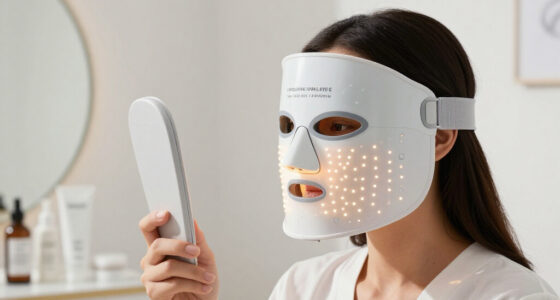
LED face masks under $300 can promote collagen, reduce acne, and improve skin texture. Choosing the right device depends on features, safety, and your skin goals; regular use over weeks shows real results.
Imagine a device that bathes your skin in gentle, targeted light — no needles, no downtime, just a few weekly sessions at home. LED face masks have become a staple for skincare enthusiasts craving professional results without leaving their bathroom. But with so many options under $300, how do you pick the right one? This guide breaks down what truly matters in affordable LED masks, so you can invest confidently in your skin’s future.
Whether you want to banish wrinkles, clear up breakouts, or boost collagen, understanding key features, recent innovations, and safety considerations helps you choose a device that fits your needs and your budget. Let’s explore what makes a great LED mask under $300 and how to get the most out of your investment.
Choose masks with multiple wavelengths to target specific skin concerns like aging and acne.
Prioritize safety features such as automatic shut-off and eye protection to prevent overexposure.
Regular sessions (3-5 times weekly) over 4-8 weeks yield the best results.
App control and ergonomic design enhance ease of use and treatment consistency.
Research brand reputation and certifications before purchasing for peace of mind.
Best LED Face Masks Under $300
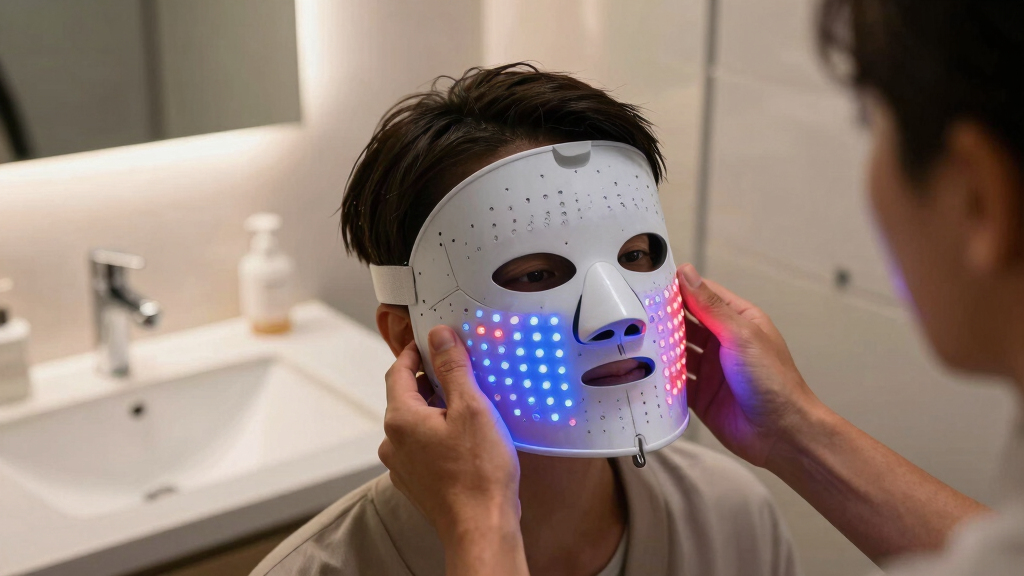
Effective light therapy is no longer reserved for clinics. Today’s affordable masks can support collagen, reduce acne and improve skin texture—provided the wavelengths, safety features and routine match your goals.
Three wavelengths. Three different jobs.
Light wavelength determines penetration depth and biological effect. Multi-wavelength masks offer the most flexibility when your skin goals overlap.
Red light
Supports fibroblast activity and collagen production to improve firmness, elasticity and the appearance of fine lines.
620–750 nmBlue light
Targets acne-associated bacteria and may help reduce active breakouts and inflammation when used consistently.
405–470 nmNear-infrared
Reaches deeper tissue layers to support repair, calm inflammation and promote broader skin recovery.
Deep penetrationChoose by skin goal—not by gadget count.
A disciplined four-step check prevents attractive extras from overshadowing treatment quality, comfort and safety.
Name the goal
Prioritize wrinkles, acne, redness, texture or a combination.
Match the light
Confirm the device includes the wavelength suited to that concern.
Verify protection
Look for eye shielding, timed shut-off and credible certification.
Test the routine
Choose a fit and session length you can realistically sustain.
What makes a sub-$300 mask stand out?
Core treatment and protection features deserve more weight than novelty modes. Use this scorecard when comparing shortlisted devices.
| Feature | Why it matters | Priority | Nice extra |
|---|---|---|---|
| Multiple wavelengths | Supports tailored routines for aging, acne and recovery in one device. | ✓ | ✗ |
| Adjustable intensity | Improves comfort and allows gentler treatment for sensitive skin. | ✓ | ✗ |
| Full-face coverage | Promotes even exposure and avoids inefficient, patch-by-patch treatment. | ✓ | ✗ |
| Timed shut-off | Reduces accidental overexposure and makes session timing effortless. | ✓ | ✗ |
| Eye protection | Limits glare and supports safer use close to the eyes. | ✓ | ✗ |
| App control | Adds reminders, routine guidance, personalization and progress tracking. | ~ | ✓ |
| Skin sensors | May automatically adjust intensity to improve comfort and reduce overexposure. | ~ | ✓ |
| Microcurrent or cooling | Can broaden the experience but should not replace proven LED fundamentals. | ✗ | ✓ |
Consistency is the real performance feature.
Results vary by device, skin type and adherence. Evaluate progress across weeks—not after one or two treatments.
The evidence-building routine
Relative importance when planning an effective at-home LED regimen.
A safer path to visible results.
Document your baseline, keep variables steady and stop if the skin reacts poorly. Clean skin and a repeatable schedule make comparison easier.
Use the mask on clean skin and follow its instructions. People with photosensitivity, relevant skin conditions, pregnancy-related concerns, implanted medical devices or photosensitizing medications should seek professional guidance before use. Stop if persistent redness, dryness or discomfort occurs.
What Exactly Does an LED Face Mask Do for Your Skin?
LED face masks use specific light wavelengths to support your skin’s natural processes. Red light (620-750 nm) encourages collagen production, which is crucial for skin firmness and elasticity, helping to diminish fine lines and wrinkles. Blue light (405-470 nm) targets bacteria that cause acne, reducing breakouts and preventing future blemishes by controlling inflammation. Near-infrared (NIR) light penetrates deeper layers, calming inflammation and accelerating tissue repair, which can be especially beneficial for skin healing and reducing redness.
Understanding these wavelengths is essential because each one interacts with your skin at different depths and triggers specific biological responses. For example, red light stimulates fibroblasts to produce collagen, directly combating signs of aging, while blue light’s antibacterial effect addresses the root causes of acne. Near-infrared’s ability to penetrate deeper makes it suitable for overall skin rejuvenation and recovery. When choosing a mask, consider what your primary skin concern is and select a device that emphasizes the relevant wavelengths, ensuring targeted and effective treatment. Combining these wavelengths in a single device allows for a comprehensive approach, addressing multiple skin issues simultaneously, which can be both cost-effective and convenient.
How to Pick a Budget-Friendly LED Mask That Works
- Identify your skin goals. Clarify whether you want to reduce wrinkles, fight acne, or brighten your skin. Different masks may prioritize certain wavelengths or features to match these goals, so knowing your primary concern helps narrow options.
- Check for key features. Adjustable intensity settings allow customization based on skin sensitivity, while ergonomic design ensures comfort during use. Safety features like automatic shut-off and protective eye shields are critical to prevent overexposure or accidental harm, especially in longer sessions.
- Review technology specs. High-quality LEDs should provide consistent light output without flicker or discomfort. Look for devices with proven light penetration capabilities, as this correlates directly with treatment efficacy. Cheaper LEDs may fade or lose intensity quickly, reducing long-term effectiveness.
- Consider safety and certifications. Certifications such as FDA clearance or CE marking indicate adherence to safety standards, which is especially important for devices used close to your skin and eyes. This reduces the risk of adverse effects or subpar performance.
- Assess ease of use and comfort. Lightweight, adjustable straps, and intuitive controls encourage consistent use. A comfortable device minimizes fatigue and makes routine treatments more enjoyable, increasing the likelihood of adherence.
- Compare ongoing costs. Some masks require replacement parts like bulbs or filters over time. Factor these expenses into your budget to avoid surprises and ensure the device remains effective throughout its lifespan.
- Research brand reputation. Read customer reviews and verify customer support responsiveness. Brands with good reputations tend to offer better quality, clearer instructions, and faster assistance if issues arise.
For example, a user with sensitive skin should prioritize masks with adjustable, gentle settings and robust safety features to prevent overexposure, which can cause irritation or redness. Taking these considerations into account ensures you select a device that aligns with your skin type, safety requirements, and budget constraints, maximizing value and results.
What Features Make a $300 LED Mask Stand Out?
| Feature | Why It Matters |
|---|---|
| Multiple wavelengths (red, blue, NIR) | Enables tailored treatments addressing aging signs, acne, and skin healing—offering versatile benefits in one device. The ability to switch or combine wavelengths allows users to customize therapies based on changing skin needs or specific concerns, providing a more comprehensive approach compared to single-wavelength masks. This flexibility can lead to better overall skin health and satisfaction. |
| Adjustable light intensity | Prevents discomfort and allows precise control over treatment depth. Sensitive skin or delicate areas benefit from lower settings, reducing irritation, while stubborn issues may require higher intensities. Adjustable controls empower users to optimize sessions for comfort and effectiveness, which is crucial for consistent use and results. |
| Full-face coverage | Ensures even, comprehensive treatment across the entire face, avoiding patchy results. Proper coverage maximizes the therapeutic effects of each session, making treatments more efficient and reducing the need for multiple devices or complex procedures. |
| Built-in safety features | Includes automatic shut-off, eye protection, and skin sensors to minimize risks of overexposure or accidental harm. These features are vital because they help prevent potential side effects like burns or eye damage, giving users peace of mind and encouraging regular use without fear. |
| App control and personalization | Allows for customized routines, progress tracking, and reminders, fostering consistent habits. App connectivity can also provide guidance, tutorials, and feedback, making treatments more engaging and easier to integrate into daily life, which can significantly improve outcomes. |
| Comfortable design | Lightweight, ergonomic fit encourages regular use by reducing fatigue and discomfort. When a device feels good to wear, users are more likely to stick with their routines, leading to better long-term results. |
For instance, a mask with app connectivity can guide you through personalized routines, making consistent use easier and more engaging. The combination of these features ensures the device is not only effective but also user-friendly, increasing the likelihood of achieving your skincare goals within your budget.
Recent Tech Improvements That Make These Masks Smarter & Safer
New LED masks now feature longer-lasting LEDs, better light penetration, and smarter safety features. Some models include sensors that detect skin tone and automatically adjust intensity, reducing the risk of overexposure and ensuring that the therapy is tailored to your skin’s unique needs. This automatic adjustment helps prevent accidental burns or irritation, which is especially important for sensitive skin types or first-time users.
App integration extends beyond scheduling — it also allows for real-time feedback and personalized treatment recommendations based on your skin’s response. These enhancements make treatments safer, more effective, and more convenient, reducing the learning curve and encouraging consistent use.
Eco-conscious designs include lightweight materials and sustainable manufacturing processes, aligning high-tech features with environmental responsibility. Such innovations translate into more effective, safer treatments that adapt to individual needs, all within a budget-friendly framework. For example, BellaPiu’s latest models incorporate automatic shut-off after 20 minutes and skin sensors that adapt to your skin’s response, ensuring safe, effective therapy every session, while also being mindful of energy use and sustainability.
How Often & How Long Should You Use Your LED Mask?
Most experts recommend using your LED mask 3 to 5 times a week. Sessions typically last 10 to 20 minutes. Consistency is crucial because the biological responses stimulated by LED therapy—like collagen synthesis and bacteria reduction—are gradual processes. Regular use over a sustained period leads to cumulative benefits that become visible after 4 to 8 weeks.
For example, setting a routine schedule, such as Monday, Wednesday, and Friday evenings, helps embed treatment into your lifestyle, increasing adherence. Overuse, on the other hand, can cause skin irritation or dryness, as the skin needs time to recover and respond to each session. Following your device’s instructions is essential to avoid these issues and maximize results.
Think of your skin as a garden that flourishes with consistent, gentle care. By maintaining a routine, you give your skin the environment it needs to regenerate and glow, turning subtle improvements into noticeable transformations over time.
Safety First: What to Watch Out For with Budget LED Masks
LED masks are generally safe for most skin types when used properly, but neglecting safety features or guidelines can lead to adverse effects. Always prioritize devices with built-in safety mechanisms like automatic shut-off, eye protection, and skin sensors—these are crucial for preventing overexposure, burns, or eye damage. Devices lacking proper safety features increase the risk of harm, especially if used improperly or by inexperienced users.
If you have photosensitivity or are prone to certain skin conditions, consult a dermatologist before starting LED therapy. People with eczema, rosacea, or active skin infections should proceed cautiously, as LED therapy might exacerbate these conditions if not tailored appropriately. Always start with lower intensities and shorter durations to assess your skin’s tolerance.
Be vigilant for mild redness, dryness, or sensitivity, which may occur initially but should resolve quickly. Persistent discomfort warrants stopping use and consulting a professional. Remember, at-home devices are supplements, not replacements, for professional dermatological advice—especially if you have complex skin issues or concerns.
For example, a user with sensitive skin might begin with brief sessions at low power, gradually increasing as tolerated, to minimize risks and ensure safe, beneficial treatments.
Best Alternatives to Consider if Your Budget Is Tight
- LED Masks in the $200 Range: Devices like the Dermashine Pro offer multiple wavelengths and good safety features at a lower price point, making them suitable for those starting out or on a tighter budget. While they may have fewer advanced features, they still deliver effective therapy if chosen carefully based on your skin goals.
- Portable Handheld Devices: Smaller, more affordable options such as the Dr. Dennis Gross LED Mask Mini provide targeted treatment for specific areas like the forehead or chin. These are ideal for users who prefer focused therapy or want to try LED light therapy without a large investment, though they may require more effort to treat the entire face.
- LED Light Therapy Devices for Body: If your concerns extend beyond the face, budget-friendly full-body LED panels often under $300 can address issues like cellulite, skin tightening, or scars. While not a direct substitute for facial masks, they expand your options for comprehensive skincare at an affordable price.
For example, a beginner or someone on a tight budget might start with a handheld device, focusing on specific problem areas, and then upgrade to a full mask as they see improvements and want broader coverage. These alternatives provide practical entry points into LED therapy without sacrificing safety or effectiveness.
Frequently Asked Questions
Are LED face masks safe for sensitive skin?
Generally, yes. Look for masks with adjustable settings, safety features, and certifications. Always start with lower intensities and shorter sessions to gauge your skin’s response. If you experience persistent redness or irritation, consult a dermatologist before continuing.
How long before I see visible results?
Most users notice improvements after 4 to 8 weeks of consistent use. Skin appears brighter, smoother, or clearer as collagen production increases and bacteria decrease. Patience and routine are key to seeing the best benefits.
Can I use these masks if I have active breakouts?
Blue light LED masks are effective for reducing bacteria that cause acne. However, if your skin is inflamed or broken, wait until it calms before using LED therapy. Always follow device instructions and consult a dermatologist for severe or persistent issues.
Is daily use okay?
Most experts recommend 3-5 times weekly. Daily use isn’t necessary and might cause dryness or redness. Stick to the suggested frequency for safe, effective results.
Are there any risks or side effects?
Side effects are rare but may include mild redness, dryness, or sensitivity. Always follow safety instructions, such as avoiding prolonged exposure and using protective eye gear. If you experience adverse effects, stop use and seek professional advice.
Conclusion
Investing in a LED mask under $300 can be a smart move for your skin, provided you choose carefully. Focus on safety, feature set, and your personal goals, and consistency will do the rest. Think of it as a gentle, high-tech boost — a little glow here, a little lift there, all from the comfort of home.
Imagine your skin as a canvas, each session adding a stroke of light to reveal a healthier glow. A good LED mask isn’t just a gadget — it’s a quiet partner in your ongoing skincare journey.
NFL season / tailgating Picks
team gear
As an affiliate, we earn on qualifying purchases.