
TL;DR
Open a free Amazon Business account
Business pricing, bulk buying and tax-exempt orders.
Create a free accountAs an affiliate, we earn on qualifying purchases.
Consistent use, following manufacturer instructions, and combining LED therapy with a supportive skincare routine significantly boost results. Recent tech updates make devices safer and more personalized, but proper protocol remains key.
Stick to a consistent schedule of 3-5 sessions per week for at least 6-8 weeks.
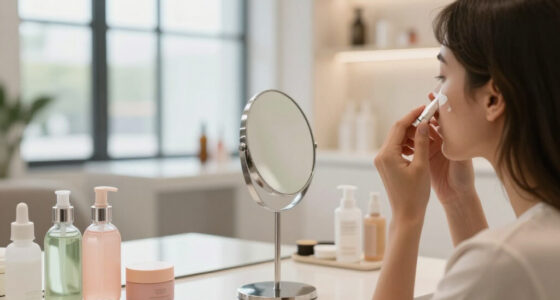
Cleanse, apply a supportive serum, and moisturize immediately before and after use.
Opt for devices with multiple wavelengths and smart features for personalized treatment.
Track your progress visually to stay motivated and adjust your routine as needed.
Avoid overuse—more sessions don’t equal faster results and can irritate skin.
How to Maximize Results from Your LED Mask
Light therapy works cumulatively. The strongest results come from matching the wavelength to your concern, following the device protocol, supporting the skin barrier, and repeating the routine consistently.
Choose the wavelength your skin actually needs
Different wavelengths interact with skin at different depths. Multi-wavelength masks make it easier to adjust the treatment as your priorities change.
Red light
620–750 NMSupports collagen-related activity and is commonly used to improve the appearance of fine lines, elasticity, tone, and overall vitality.
Blue light
415–455 NMTargets acne-associated bacteria at the skin’s surface. Balance it with hydration because excessive use may contribute to dryness or irritation.
Near-infrared
700–1100 NMPenetrates more deeply and is used to support circulation, recovery, and a calmer appearance when redness or inflammation is the priority.
Your six-step high-impact session
Start with clean skin, keep products gentle, and follow the manufacturer’s timing. This sequence supports light exposure without unnecessarily stressing the skin barrier.
Cleanse thoroughly
Remove makeup, sunscreen, oil, and surface debris.
Use a gentle serum
Choose compatible hydration such as hyaluronic acid or peptides.
Set the device
Select the intended wavelength, duration, and program.
Shield your eyes
Use supplied eye protection whenever the instructions require it.
Moisturize
Seal in hydration and reinforce the skin barrier after treatment.
Track progress
Take a weekly photo under the same lighting and angle.
Use the frequency and session length specified for your exact device. Stop if persistent redness, discomfort, or irritation develops, and seek professional advice when needed.
Think in weeks, not individual sessions
Visible changes can lag behind cellular activity. A consistent photo log makes small improvements easier to notice and reduces the temptation to overuse the mask.
What to watch for over time
Timelines vary with the device, skin concern, baseline condition, and adherence. Once results stabilize, follow device guidance for maintenance—often one or two sessions each week.
What newer devices add
Technology can improve fit, safety, personalization, and adherence—but features only matter when they make the recommended routine easier to follow.
| Feature | Traditional masks | Newer devices | Why it matters |
|---|---|---|---|
| Light modes Wavelength options | ~Single or dual red/blue output | ✓Red, blue, and near-infrared in one mask | Allows treatment to align more closely with multiple skin concerns. |
| Control Customization | ~Fixed presets and manual timers | ✓App controls and personalized plans | Reduces guesswork and makes repeatable sessions easier to schedule. |
| Protection Safety features | ~Basic timer with limited shielding | ✓Sensors, eye protection, and heat management | Helps limit accidental overexposure and improves treatment comfort. |
| Wearability Fit and design | ~Rigid shapes and basic straps | ✓Improved contours, balance, and ergonomics | A comfortable mask is more likely to be used consistently. |
| Feedback Progress tracking | ~User-managed notes and photos | ✓Session history and reminders | Supports adherence and makes gaps in the routine easier to spot. |
Every part of the routine reinforces the next
Know when to get professional guidance
Consult a dermatologist or qualified clinician if you have a photosensitive condition, take photosensitizing medication, experience persistent irritation, or plan to combine LED therapy with strong active treatments.
What Really Makes Your LED Mask Work Better?
LED therapy’s power lies in specific wavelengths—red, blue, near-infrared—that target different skin concerns. Red light (620-750 nm) stimulates collagen production, which is crucial because collagen provides skin elasticity and firmness. As we age, collagen decreases, leading to wrinkles and sagging; thus, red light helps combat these signs of aging. Blue light (415-455 nm) is effective against acne-causing bacteria, which thrive in clogged pores, making this wavelength essential for those with breakout-prone skin. Near-infrared (700-1100 nm) penetrates deeper layers, calming inflammation that can cause redness and swelling, which is especially helpful for sensitive or irritated skin.
Understanding why these wavelengths matter helps you tailor your routine—using the right light for your skin’s specific needs. The implications are significant because choosing the wrong wavelength or inconsistent use can mean the difference between visible improvement and stagnation. For example, overusing blue light without addressing underlying inflammation might lead to dryness or irritation, while neglecting red light’s collagen-boosting benefits might slow aging improvements. Consistency ensures that these targeted effects build up over time, leading to more noticeable and lasting results. Think of it like a layered approach—each wavelength plays a vital role, and neglecting one can compromise overall skin health.
In essence, the deeper understanding of these wavelengths allows you to optimize your treatment plan, balancing different lights based on your skin’s evolving needs. This strategic approach maximizes benefits while minimizing potential adverse effects like dryness or irritation from overuse of a particular wavelength.
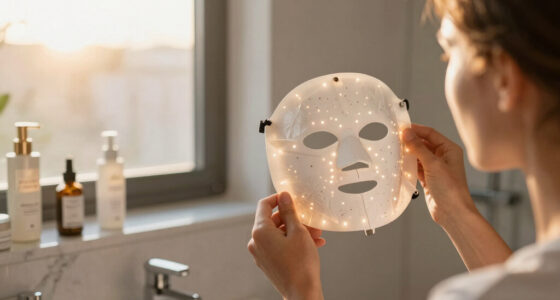
LED facial mask for skin rejuvenation
As an affiliate, we earn on qualifying purchases.
As an affiliate, we earn on qualifying purchases.
How to Use Your LED Mask for Maximum Impact—Step-by-Step
- Cleanse thoroughly: Remove makeup, dirt, and oils. Think of your skin as a canvas—clean is best for light to penetrate effectively, ensuring the therapy reaches deeper layers and enhances results.
- Apply a gentle serum: Use ingredients like hyaluronic acid or peptides that support skin repair and hydration. These ingredients can amplify the benefits of LED therapy by providing nutrients that aid in healing and rejuvenation. Avoid irritating products that could cause sensitivity or redness, which might interfere with your treatment.
- Set your device correctly: Follow the manufacturer’s instructions—usually 10-20 minutes, 3-5 times weekly. Proper timing and frequency are crucial because too short a session might not stimulate the desired cellular response, while overdoing it can lead to irritation or diminishing returns. Adhering to recommended durations ensures safety and optimal efficacy.
- Wear safety glasses if necessary: Protect your eyes from intense light, especially with multi-wavelength masks. Eye safety isn’t just about comfort; prolonged exposure to certain light intensities can cause discomfort or potential damage. Using protective eyewear minimizes risk and ensures you can relax during treatment.
- Finish with moisturizer: Lock in hydration and support skin recovery. Moisturizers help reinforce your skin barrier, which can be slightly compromised during LED sessions, especially if combined with active serums. This step enhances overall results by maintaining skin integrity and preventing dryness.
- Track your progress: Take photos or notes weekly to observe subtle changes over time. Monitoring allows you to adjust your routine if needed, and it keeps you motivated as you see tangible improvements. Recognizing these signs reinforces consistency and helps you refine your approach.
Sticking to this sequence turns a quick session into a comprehensive, skin-boosting ritual. For example, a client reports her skin feels plumper and more radiant after just two weeks of consistent use following this routine, illustrating how deliberate steps amplify results and foster a sense of self-care.
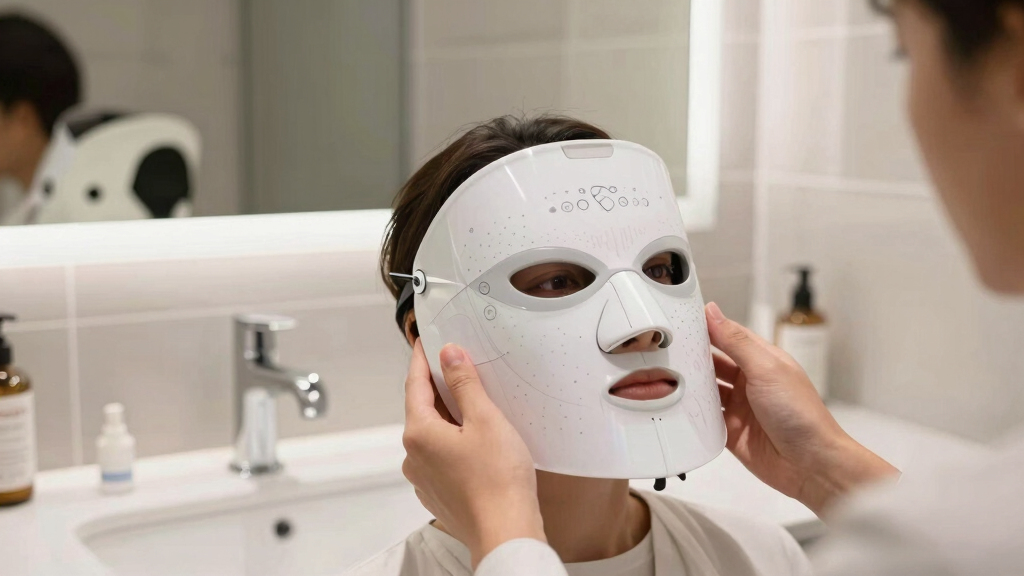
multi-wavelength LED light therapy mask
As an affiliate, we earn on qualifying purchases.
As an affiliate, we earn on qualifying purchases.
What Are the Latest Tech Upgrades That Help You Get Better Results?
| Feature | Traditional Masks | Newer Devices |
|---|---|---|
| Wavelength options | Single or dual (red/blue) | Multiple wavelengths in one mask (red, blue, near-infrared) |
| Customization | Preset sessions | App-controlled settings, personalized plans |
| Safety features | Basic timers, no eye protection | Built-in safety sensors, eye protection, heat reduction |
| Design | Simple, less ergonomic | Enhanced fit, comfort, and aesthetic appeal |
Devices like the BellaPiu LED mask now combine multiple wavelengths into one sleek design, allowing targeted treatments for aging, acne, and inflammation simultaneously. These advancements not only improve treatment precision but also enhance user safety and comfort. For instance, integrated safety sensors help prevent overexposure, reducing the risk of side effects. App-controlled features enable you to customize sessions based on your skin condition, making treatments more effective and adaptable to your skin’s changing needs. According to recent studies, these technological innovations lead to higher user compliance because they make routine use easier and safer, ultimately translating into better results over time.
As an affiliate, we earn on qualifying purchases.
How Long Before You See Results—and How to Keep Them Coming
Most users notice subtle improvements after 4-6 weeks of regular sessions. Skin may look brighter, feel firmer, or show fewer breakouts. But it’s important to understand the underlying process—these changes occur because LED therapy stimulates cellular activity, promoting collagen synthesis, reducing inflammation, and improving circulation. The timeline for visible results varies depending on individual skin conditions and consistency. Inconsistent use can delay these benefits or cause fluctuations in skin appearance, which might be discouraging. Therefore, maintaining a steady routine ensures the cumulative effects of LED therapy build up, leading to more durable improvements over time.
To sustain your glow, keep up with maintenance sessions once or twice weekly after initial results appear. For example, a woman who started with three weekly sessions reports her skin remains clear and plump with just one or two sessions per week after two months, demonstrating that ongoing care reinforces earlier gains. Think of it like tending a garden—regular watering and care are necessary to keep the blooms vibrant. Skipping sessions or inconsistent routines can cause regressions, so patience and persistence are key for lasting results.
Remember, real change is a gradual process achieved through consistent effort—like nurturing a garden, where neglect leads to withering, but attentive care yields beauty that endures.
personalized LED skin treatment mask
As an affiliate, we earn on qualifying purchases.
As an affiliate, we earn on qualifying purchases.
Common Pitfalls and How to Avoid Them
Overusing your LED mask can cause redness or dryness, which indicates skin irritation. This happens because excessive exposure can overwhelm the skin’s natural barrier, leading to inflammation or dehydration. Following the manufacturer’s instructions is crucial—more isn’t better. For instance, turning on your device daily when recommended for 3-5 sessions per week can push your skin into a state of irritation, undermining your progress. It’s about finding a balance that stimulates healing without causing harm.
Another common mistake is neglecting proper prep or post-care routines. Skipping cleansing can leave dirt and oils that block light penetration, reducing efficacy, while skipping moisturizer can leave your skin vulnerable to dryness and irritation, especially after serums or active ingredients. This can lead to setbacks in your skincare journey, like increased redness or peeling.
For example, a user who overused her device experienced redness and peeling. Once she slowed her routine to the recommended frequency and added soothing serums and adequate hydration, her skin stabilized and she saw improvement. Always read your device’s manual carefully and listen to your skin’s signals—if it feels uncomfortable or shows signs of distress, adjust accordingly to prevent setbacks.
In essence, respecting your skin’s limits and following proper protocols ensures safe, effective, and sustainable results. Overdoing it can backfire, but with mindful use, LED therapy becomes a powerful, safe tool for skin health.
Frequently Asked Questions
How long does it take to see results from using an LED mask?
Typically, you’ll notice subtle improvements after about 4 to 6 weeks of regular use. Visible changes like smoother texture and brighter tone come with patience and consistency.Are LED masks safe for all skin types?
Generally, yes. Most skin types tolerate LED therapy well. However, those with active skin infections, severe sensitivities, or certain medical conditions should consult a dermatologist before starting.Can I use an LED mask every day?
Most protocols recommend 3 to 5 sessions weekly. Daily use can sometimes cause dryness or irritation, so listen to your skin and follow the device’s instructions.What wavelengths are best for my skin concern?
Red light (620-750 nm) boosts collagen, blue light (415-455 nm) fights acne, and near-infrared (700-1100 nm) reduces inflammation. Choose based on your specific skin goals.Are there risks or side effects?
Side effects are rare but can include redness or dryness if overused or used improperly. Always follow safety guidelines, and stop if your skin reacts negatively.Conclusion
Your LED mask is a powerful tool, but it’s not magic. The real transformation happens when you combine proper use with patience and consistency. Think of it as nurturing your skin—light treatment is just the beginning. Keep your routine steady, stay mindful of your skin’s signals, and enjoy the glow that follows.NFL season / tailgating Picks
team gear
As an affiliate, we earn on qualifying purchases.