TL;DR
Listen free for 30 days with Audible
Thousands of audiobooks and originals — cancel anytime.
Start your free trialAs an affiliate, we earn on qualifying purchases.
Safety certifications verify that at-home beauty devices meet safety and quality standards, helping you avoid risks like skin burns or eye injuries. Always check for official marks like FDA or CE before buying.
You might be surprised to learn that not all at-home beauty devices are created equal when it comes to safety. While a sleek design or promising results catch your eye, the real guardian of your skin and eyes is a safety certification. These marks are not just labels—they’re proof that a device has undergone rigorous testing and meets strict standards.
If you’re investing in a device to tackle hair removal, skin tightening, or pigmentation, understanding what safety certifications mean can save you from costly mistakes or injuries. In this guide, you’ll discover why certifications matter, what recent industry updates mean for you, and how to verify a device’s safety credentials. It’s about making smarter, safer choices—because beauty should never come at the expense of safety.
Always look for official safety marks like FDA, CE, or UL to verify device safety.
Recent updates mean more at-home devices now meet professional safety standards, but verify independently.
Safety certifications lower the risk of skin burns, eye injuries, and allergic reactions during use.
Certification alone doesn’t guarantee effectiveness—consider your skin type and device features.
Check the manufacturer’s website or packaging for certification details before purchase.
Why Safety Certifications Matter When Picking Your Device
Safety certifications act as a shield, protecting you from potential harm. For example, a device certified by the FDA in the U.S. has met strict safety and performance standards, reducing risks like skin burns or eye injuries. Think of it like a car’s crash test ratings—an indicator of reliability and safety.
Certifications also guarantee that the device adheres to regional laws, such as the CE mark in Europe or TGA approval in Australia. Without these marks, a device might be a ‘wild card,’ with no assurance of safety or quality. When you see a certification, it’s a signal that the manufacturer has passed a series of rigorous tests, ensuring durability, electrical safety, and proper functionality.
Imagine buying a laser hair removal device online without any certification. You might save a few dollars, but the risk could include burns, eye damage, or allergic reactions. Certification acts as your first line of defense against these hazards.
Understanding why these certifications matter is crucial because they directly influence your safety and confidence in the device. A certified device typically undergoes comprehensive testing that evaluates not just safety but also consistent performance over time. This means fewer surprises, like malfunctioning lasers or electrical faults, which could otherwise lead to injuries or ineffective results. The tradeoff is that certified devices might sometimes come at a higher price point or have more stringent usage instructions, but these are small costs for peace of mind and safety assurance.
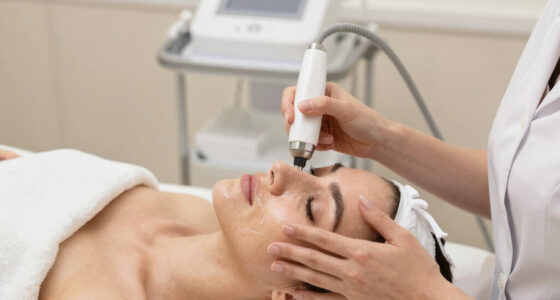
FDA approved at-home IPL hair removal device
As an affiliate, we earn on qualifying purchases.
As an affiliate, we earn on qualifying purchases.
The Latest in Safety Standards for Home Beauty Devices
Recent updates in safety standards are shaping how devices are tested and certified. For example, authorities like the FDA and European regulators are updating guidelines for laser, IPL, and RF devices—addressing issues like user safety and efficacy.
More at-home devices now undergo certification processes historically reserved for professional equipment. This shift is driven by the surge in consumer demand for safe, effective devices you can use without professional help. For instance, a new IPL device now must pass more stringent safety tests before hitting the shelves.
Smart technology integration is also influencing standards. Devices connected via apps or equipped with AI features are being evaluated for data security and safe operation, adding another layer of certification criteria.
International efforts are working toward harmonized safety standards, making it easier for manufacturers to meet global requirements. This means a device certified in Europe or the U.S. is more likely to meet safety expectations worldwide, giving you peace of mind wherever you buy.
Staying updated with these evolving standards is critical because it reflects the industry’s commitment to safer, more reliable products. As regulations tighten, manufacturers are compelled to improve their testing protocols, which ultimately benefits consumers by reducing the likelihood of subpar or unsafe devices flooding the market. However, this also means consumers need to stay informed, as older or uncertified devices may not meet these new, higher standards, increasing potential risks.
CE certified skin tightening device
As an affiliate, we earn on qualifying purchases.
As an affiliate, we earn on qualifying purchases.
How to Spot and Verify Safety Certifications Easily
Verifying safety certifications is simpler than you think. Look for official marks on the device or packaging—like the FDA logo, CE mark, UL certification, or IEC standards. These are clear indicators that the device has been tested and approved.
For example, if you’re considering a home laser device, check the box or user manual for the CE mark if in Europe, or the FDA clearance if in the U.S. Manufacturers often list certification details on their websites as well.
Here’s a quick checklist to verify safety credentials:
- Check for official certification marks on the device or packaging.
- Visit the manufacturer’s website to confirm certification details.
- Research the certifying agency to understand what the mark signifies.
- Read user reviews for mentions of safety or certification issues.
Remember, uncertified devices may look identical but can pose serious health risks. Always prioritize safety marks over price or flashy features.
Additionally, be aware that some counterfeit products may display fake certification marks. Always verify the authenticity by visiting the certifying agency’s official website or contacting them directly. This extra step can prevent dangerous purchases and ensure you’re investing in a legitimately certified device.
safety certified laser hair removal device
As an affiliate, we earn on qualifying purchases.
As an affiliate, we earn on qualifying purchases.
What You Should Know Beyond Certification: Choosing the Right Device
While safety certifications are vital, they are just part of the puzzle. Effectiveness, your skin type, and device features also matter. For example, a certified IPL device might be safe, but if it’s not suitable for your skin tone, it won’t deliver the results you want.
Consider these factors:
- Intended use and skin compatibility
- Device technology—laser, IPL, RF, or LED
- Ease of use and comfort
- Ongoing costs, like replacement bulbs or cartridges
- Warranty and customer support
Choosing a device with the right tech, backed by safety certs, ensures you enjoy safe and effective results without unnecessary risks. Remember, even the safest certified device can be ineffective if it’s not suitable for your specific skin type or hair color. Consider consulting a dermatologist or reading detailed product reviews to understand how well a device performs for your particular needs, balancing safety with efficacy for optimal results.
at-home beauty device with safety certification
As an affiliate, we earn on qualifying purchases.
As an affiliate, we earn on qualifying purchases.
Frequently Asked Questions
Why is safety certification important for at-home beauty devices?
Safety certification ensures the device has been tested and meets safety standards, reducing risks like burns, eye injuries, or allergic reactions. It’s a key indicator of quality and reliability, especially when used unsupervised at home.
How can I verify if a device is certified?
Look for official marks such as the FDA logo, CE mark, or UL certification on the product or packaging. You can also visit the manufacturer’s website to confirm certification details or contact customer support for verification.
Are certified devices more effective?
Certification primarily addresses safety and quality. Effectiveness depends on the device’s technology and your proper use. A certified device can be both safe and effective when used as directed.
Can I use uncertified devices safely?
Using uncertified devices is risky. They may not meet safety standards, increasing the chance of skin damage, injuries, or other health issues. Always opt for certified options whenever possible.
Beyond safety certifications, what else should I consider?
Look at the device’s suitability for your skin type, technology used, ease of use, ongoing costs, and warranty. Combining these factors with safety certifications ensures a smart and safe investment in your beauty routine.
Conclusion
Safety certifications aren’t just a badge—they’re your first line of defense in the world of at-home beauty. Protect yourself by verifying these marks, and choose devices that meet the latest standards. Because beauty routines should enhance your confidence, not compromise your safety.
Next time you consider upgrading your beauty device, pause to check the certification. It’s a small step that makes a big difference—your skin will thank you for it.
Fall Picks
fall essentials
As an affiliate, we earn on qualifying purchases.