
TL;DR

Get beauty and skincare favorites delivered free — and shop member deals
- Fast, free delivery on millions of items
- Access to Prime Big Deal Days deals on October 6–7
- Prime Video, Amazon Music and more included
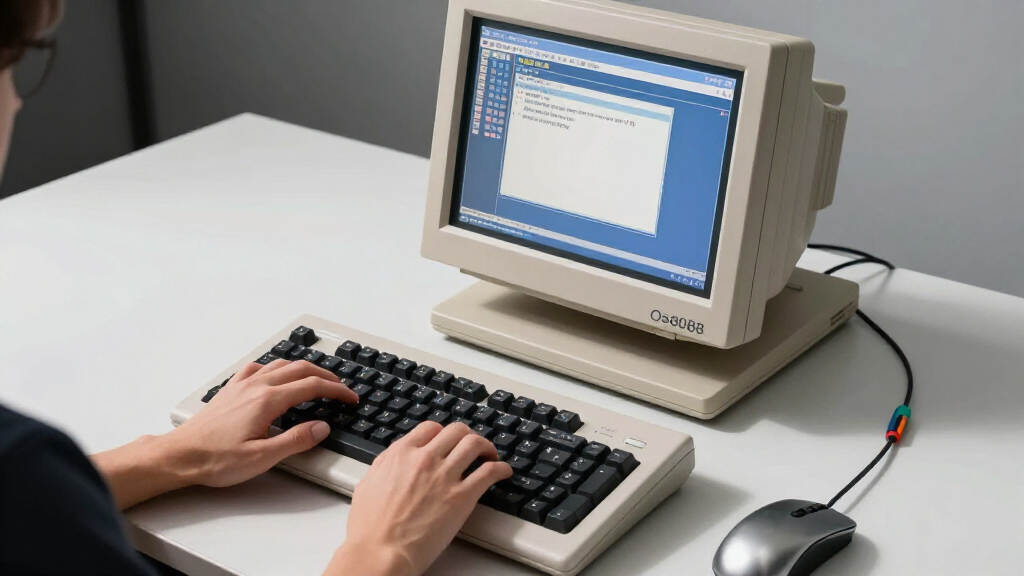
Os8088 has announced a new operating system designed to bring a Mac-like user interface to IBM XT, 286, and 386 computers. The OS aims to improve usability and aesthetics, marking a significant development in PC software.
Os8088 has unveiled a new operating system that offers a Mac-like user interface for IBM XT, 286, and 386 computers, aiming to enhance usability and visual appeal. The OS is designed to run on legacy hardware while providing modern graphical features, representing a significant step in PC software development. This development is notable for users seeking a more intuitive interface on older IBM-compatible systems.
The new OS from Os8088 is compatible with a range of IBM-compatible hardware, specifically targeting the IBM XT, 286, and 386 models. It features a graphical user interface reminiscent of classic Mac systems, including windowed applications, icons, and a desktop environment. Os8088 claims that the OS is optimized for performance on these older machines, offering a smoother user experience than traditional DOS-based interfaces.
According to Os8088 representatives, the OS aims to provide an easier, more visually appealing environment for users accustomed to graphical interfaces. The company emphasizes that the system is designed to be lightweight enough to run efficiently on legacy hardware, with minimal resource requirements while delivering a modern look and feel. The OS is also said to support basic multitasking and file management features, similar to early Mac OS versions.
While Os8088 has announced the OS publicly, detailed technical specifications and demonstrations are still forthcoming. The company states that the OS will be available for testing in the coming months, with a planned commercial release later this year. The development team indicates that the OS is still in beta testing, with some features undergoing refinement.
Potential Impact on Legacy PC User Experience
This development could significantly alter how users interact with older IBM-compatible computers, providing a more modern, intuitive interface that was previously unavailable on such hardware. For enthusiasts and businesses still relying on legacy systems, the OS offers a way to modernize their environment without replacing hardware. It also signals a possible shift towards more user-friendly graphical environments on older machines, which may influence future software development for legacy systems.
However, the actual impact will depend on the OS’s stability, compatibility, and performance in real-world use. If successful, Os8088’s OS could extend the useful life of legacy hardware and inspire similar innovations in the field of vintage computing.
legacy IBM PC compatible operating system
As an affiliate, we earn on qualifying purchases.
As an affiliate, we earn on qualifying purchases.
Legacy Hardware and the Need for Modern Interfaces
For decades, IBM PC compatibles like the XT, 286, and 386 have primarily relied on text-based DOS environments, limiting user interface options. While Windows eventually provided a graphical interface, early versions required more advanced hardware and were not compatible with older systems. Enthusiasts and some businesses have sought ways to improve usability without costly hardware upgrades.
Previous efforts to modernize these systems included third-party GUI shells and custom interfaces, but none achieved widespread adoption comparable to Mac or Windows environments. Os8088’s new OS represents a notable attempt to bring a Mac-like experience to these aging systems, leveraging advancements in software optimization.
This move comes amid a broader trend of extending the lifespan of legacy hardware through innovative software solutions, driven by cost considerations and the niche market of vintage computing enthusiasts.
Mac-like GUI for old IBM computers
As an affiliate, we earn on qualifying purchases.
As an affiliate, we earn on qualifying purchases.
Technical Performance and Compatibility Still Unclear
While Os8088 has announced the OS and shared some features, detailed technical specifications, stability, and performance metrics remain unconfirmed. It is unclear how well the OS will handle real-world workloads on older hardware, or how extensive its compatibility will be beyond the initial models.
Further testing and user feedback are needed to assess its reliability and usability fully. The company has not yet provided a timeline for wider release or detailed system requirements, leaving some questions open regarding practical deployment.
Windows 3.1 style desktop for vintage PCs
As an affiliate, we earn on qualifying purchases.
As an affiliate, we earn on qualifying purchases.
Upcoming Testing, Release Timeline, and Developer Feedback
Os8088 plans to release beta versions of the OS to select users in the coming months for testing. Following feedback, the company intends to refine features and address stability issues before a broader commercial launch, expected later this year. Industry observers and enthusiasts will be watching closely to see how the OS performs on various hardware configurations and whether it gains traction among legacy system users.
Additional technical details and demonstrations are anticipated in upcoming announcements, which will clarify performance and compatibility aspects.
software for IBM XT 286 386 computers
As an affiliate, we earn on qualifying purchases.
As an affiliate, we earn on qualifying purchases.
Key Questions
What hardware is compatible with Os8088’s new OS?
The OS is designed for IBM XT, 286, and 386 computers, aiming to run efficiently on these legacy systems with minimal resource requirements.
Will this OS replace DOS on IBM PCs?
No, Os8088’s OS is intended as an alternative interface layer, providing a graphical environment while still supporting existing DOS-based applications.
When will the OS be available to the public?
The company plans to release beta versions in the coming months, with a full commercial release expected later this year, pending testing outcomes.
What are the main features of this new OS?
The OS offers a Mac-like graphical interface, including windowed applications, icons, and a desktop environment, optimized for performance on older hardware.
Does this development mean a shift in vintage computing?
It could signal a move toward more user-friendly interfaces for legacy systems, potentially extending their lifespan and usability in modern contexts.
Source: hn
Fall Picks
fall essentials
As an affiliate, we earn on qualifying purchases.