
TL;DR
Listen free for 30 days with Audible
Thousands of audiobooks and originals — cancel anytime.
Start your free trialAs an affiliate, we earn on qualifying purchases.
Microcurrent therapy applies low-level electrical currents to stimulate collagen-producing cells. While some studies and clinical observations support its benefits, more rigorous research is needed. It remains a safe, non-invasive option for skin tightening, with results building over weeks and requiring maintenance.
Ever wonder if those tiny electrical pulses can actually make your skin firmer? Microcurrent therapy might hold the answer. As a non-invasive, gentle treatment gaining popularity, it promises to support your skin’s natural collagen factory—without surgery or downtime.
In this guide, you’ll learn how microcurrent works, what recent science says about its ability to boost collagen, and how safe and effective it really is. Whether you’re considering at-home devices or professional sessions, understanding the evidence helps you decide if this technology fits your skin goals.
Microcurrent therapy can increase ATP in skin cells by up to 500%, supporting collagen synthesis.
Most evidence is positive but limited; larger, controlled studies are still needed to confirm efficacy.
Consistency over several weeks is key to seeing meaningful, lasting improvements.
Safety is high for most users, but those with pacemakers or skin issues should seek professional advice.
Advances in device tech and combo treatments are making microcurrent more effective and accessible.
What Exactly Is Microcurrent Therapy and How Does It Work?
Microcurrent therapy involves applying very low electrical currents—think of them as whispers—directly to your skin. These currents are so gentle they don’t cause discomfort, yet they stimulate your skin’s cells at a deep level. Originally used in physical therapy to heal wounds and improve muscle function, it’s now making waves in skincare for its potential to boost collagen.
Imagine a tiny conductor awakening your skin’s fibroblasts—the cells responsible for producing collagen and elastin. By enhancing cellular energy (ATP), microcurrent may encourage these cells to work overtime, laying down fresh collagen fibers. This process is significant because collagen is the structural protein that maintains skin firmness and elasticity. As we age, collagen production declines, leading to sagging and wrinkles. Microcurrent’s ability to stimulate this process offers a promising non-invasive alternative to more aggressive procedures.
Understanding how microcurrent influences skin cells highlights its potential: it doesn’t just temporarily tighten skin but may promote long-term structural improvements by encouraging natural collagen synthesis. This is why consistent treatments are emphasized, as repeated stimulation can lead to cumulative benefits in skin resilience and appearance.
microcurrent facial device for collagen
As an affiliate, we earn on qualifying purchases.
As an affiliate, we earn on qualifying purchases.
How Microcurrent Stimulates Collagen Production — The Real Deal
Microcurrent therapy in promoting collagen production hinges on boosting fibroblast activity. When these cells get an electrical nudge, they ramp up their collagen output. Recent research shows that microcurrent can elevate ATP levels—your cells’ energy currency—by as much as 500% in some cases, according to an anonymous researcher from BellaPiu.
This energy surge helps fibroblasts produce more collagen and elastin, vital proteins that keep skin firm and plump. Think of it like fueling a factory—more energy means more building blocks for youthful skin. The significance of this process lies in its ability to stimulate the skin’s own regenerative capacity, which tends to diminish with age. By increasing cellular energy, microcurrent essentially revitalizes the skin’s repair mechanisms, leading to a gradual improvement in skin texture and firmness.
For example, after a series of 10 professional treatments, many notice their skin feels firmer, with fewer fine lines—testament to increased collagen. But remember, individual results depend on age, skin condition, and treatment frequency. Importantly, this biological process underscores why microcurrent isn’t a quick fix but part of a gradual, cumulative approach to skin rejuvenation. It also highlights the potential tradeoff: while the process is safe, achieving significant results may require patience and consistent treatment over time.
at-home microcurrent skin rejuvenation kit
As an affiliate, we earn on qualifying purchases.
As an affiliate, we earn on qualifying purchases.
The Science Says: Is There Real Evidence Microcurrent Boosts Collagen?
Scientific support for microcurrent’s role in collagen synthesis is growing, yet remains nuanced. Several small clinical studies report positive outcomes—firmer skin, fewer wrinkles, improved elasticity. For instance, a 2019 study found that participants receiving microcurrent treatments experienced a 20% increase in skin firmness after 12 sessions.
However, the research community emphasizes the need for larger, randomized trials. According to BellaPiu, many existing studies have limitations—small sample sizes or lack of control groups—but overall, the trend favors collagen-inducing effects. This suggests that while current evidence is promising, it must be interpreted with caution, recognizing that individual responses and treatment protocols vary.
Recent technological advances with adjustable settings and combination therapies enhance these effects, making microcurrent a more reliable option. For example, devices now incorporate features like customizable waveforms or combination with LED therapy, which can target multiple skin aging mechanisms simultaneously. Nonetheless, results tend to be subtle and gradual, reflecting the natural biological pace of collagen synthesis. The implication is that microcurrent is best viewed as a complementary approach rather than a standalone miracle cure, emphasizing the importance of realistic expectations and a comprehensive skincare routine.
professional microcurrent skin tightening machine
As an affiliate, we earn on qualifying purchases.
As an affiliate, we earn on qualifying purchases.
Latest Tech & Trends Making Microcurrent More Effective
Device technology is evolving fast, bringing more precise, effective microcurrent treatments right to your fingertips. Newer devices feature adjustable current levels, better electrode design, and some even include LED light therapy—known to support collagen indirectly. According to BellaPiu, these innovations aim to optimize cellular stimulation and patient comfort.
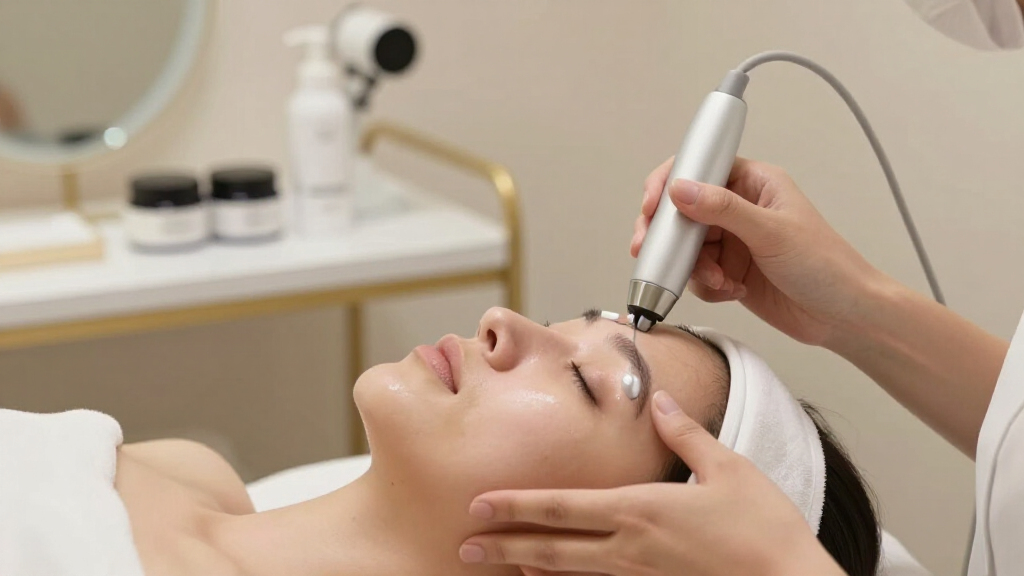
At clinics, machines now combine microcurrent with radiofrequency or LED treatments, creating a synergistic effect that potentially boosts collagen more efficiently. Think of it as a multi-tool for skin renewal—each modality supporting the other. This integrated approach not only enhances results but also broadens treatment options, allowing practitioners to tailor therapies to individual skin needs, which can improve outcomes and reduce treatment time.
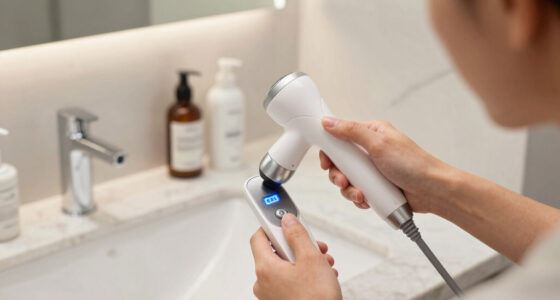
For at-home users, portable devices have improved significantly, offering adjustable settings and ergonomic designs. While they may not match professional power, they still deliver meaningful benefits when used consistently. The trend indicates a move toward more user-friendly, versatile devices that make microcurrent accessible without sacrificing efficacy—though users should remain aware of the limitations compared to clinical-grade equipment.
microcurrent therapy for skin elasticity
As an affiliate, we earn on qualifying purchases.
As an affiliate, we earn on qualifying purchases.
What You Need to Know Before Trying Microcurrent for Collagen
Microcurrent treatments are generally safe and painless, making them appealing for many. But, a few precautions matter. People with pacemakers, pregnancy, or certain skin conditions should consult a healthcare professional first. Proper device use and professional guidance reduce risks of mild redness or tingling.
Consistency is key. Most clinics recommend a series of 10-20 sessions over several weeks, with maintenance treatments every few months. Expect to see subtle improvements—firmness, glow, and smoother texture—gradually emerging. Recognizing that collagen synthesis is a biological process that takes time helps set realistic expectations. The cumulative effect of repeated sessions can lead to more noticeable and lasting results, but patience and adherence are essential. Additionally, combining microcurrent with good skincare, sun protection, and healthy habits can amplify its benefits, emphasizing that it’s part of a holistic approach to skin health.
Remember, microcurrent is a supportive tool, not a miracle cure. It works best when integrated into a comprehensive skincare routine and lifestyle, reinforcing its role as a complementary treatment rather than a standalone solution.
How Microcurrent Compares to Other Skin Rejuvenation Options
| Feature | Microcurrent | RF (Radiofrequency) | Lasers |
|---|---|---|---|
| Invasiveness | Non-invasive, painless | Non-invasive, may cause mild warmth | Minimally invasive, requires downtime |
| Primary Benefit | Cell stimulation, collagen support | Deep skin tightening, collagen remodeling | Surface skin renewal, pigmentation |
| Results Timeline | Gradual, over weeks | Immediate tightening, lasting months | Varies, often gradual |
| Cost | $100-$300/session | $200-$500/session | $300-$2000/session |
Microcurrent stands out for its gentle approach and safety profile. It’s less aggressive than RF or laser but may require more sessions for noticeable results. For those seeking a subtle, natural lift without downtime, it’s a compelling choice. Its non-invasive nature also makes it accessible for a wider range of individuals, including those hesitant about more aggressive procedures. However, the tradeoff is that results tend to be more gradual and less dramatic, emphasizing the importance of patience and consistent treatment to achieve desired improvements.
Frequently Asked Questions
Does microcurrent therapy really increase collagen production?
Research shows microcurrent can stimulate fibroblasts to produce more collagen by increasing cellular energy. While promising, results vary and more large-scale studies are underway to confirm its full potential.How long do the effects last?
Most patients see improvements lasting several months, but ongoing treatments and good skincare habits are recommended to maintain results.Is microcurrent safe for all skin types?
Generally, yes. However, those with pacemakers, pregnancy, or certain skin conditions should consult a healthcare provider before starting treatments.Are at-home devices effective?
At-home microcurrent devices can offer benefits, but professional treatments tend to provide more consistent and noticeable results due to higher power and precision.How does microcurrent compare to other treatments?
Microcurrent is less invasive with minimal downtime, making it ideal for subtle, natural improvements. More aggressive options like RF or lasers may deliver faster results but with some downtime.Conclusion
Microcurrent therapy offers a gentle, safe way to support your skin’s natural collagen production. While it’s not a magic wand, consistent use can lead to a more lifted, youthful appearance over time. Think of it as nurturing your skin from the inside out, one tiny pulse at a time.
Before trying, consult a professional and set realistic expectations. When paired with good skincare and healthy habits, microcurrent can be a valuable part of your anti-aging toolkit. Your skin’s future might just glow with a little help from these quiet electrical whispers.
NFL season / tailgating Picks
team gear
As an affiliate, we earn on qualifying purchases.