
TL;DR

Get beauty and skincare favorites delivered free with Prime
- Fast, free delivery on millions of items
- Prime Video, Amazon Music and more included
- Member-only deals all year
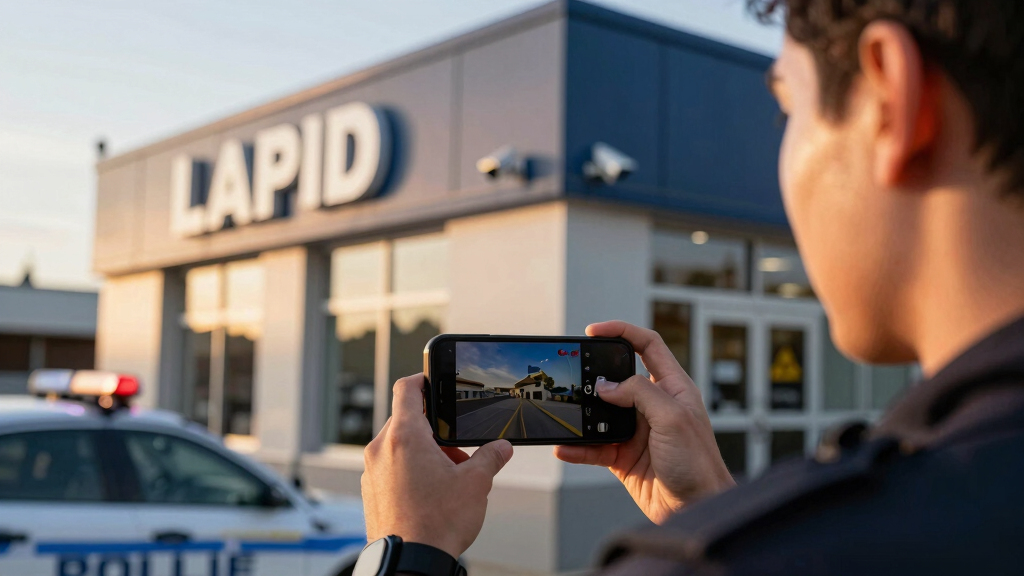
The Los Angeles Police Department has let its contract with surveillance company Flock expire. This marks a shift in LAPD’s surveillance practices amid ongoing privacy debates. The future use of Flock’s technology remains uncertain.
The Los Angeles Police Department has **let its contract with surveillance company Flock expire**, ending a partnership that drew criticism over privacy concerns. This development was confirmed by LAPD officials on April 25, 2024, and marks a significant change in the department’s surveillance practices.
According to LAPD spokesperson Officer Maria Sanchez, the department chose not to renew its contract with Flock, a company known for its automated license plate recognition technology. The contract’s expiration was finalized in late April 2024, after the department conducted a review of its surveillance policies.
Flock’s technology has been used by the LAPD for several years, enabling real-time tracking of vehicles across the city. The department had previously defended the use of this technology as a tool for public safety, but critics raised concerns about privacy violations and potential misuse.
Officials from the LAPD did not specify whether they plan to seek alternative surveillance services or if they intend to develop in-house capabilities. The department’s decision follows ongoing public and legal debates about the limits of surveillance and privacy rights in Los Angeles.
Implications for Privacy and Surveillance Practices in LA
This move signals a potential shift in LAPD’s approach to surveillance technology, possibly reflecting increased public scrutiny or legal challenges. Ending the contract with Flock could reduce the department’s capacity for automated vehicle tracking, impacting ongoing investigations and crime prevention strategies.
It also underscores broader concerns about the use of AI-driven surveillance tools by law enforcement agencies nationwide. The decision may influence other departments considering similar contracts, highlighting ongoing debates about balancing safety and privacy.
Popular right now

Shark PowerDetect Corded Stick Vacuum, Self-Cleaning (Eggplant, HZ4002)

Apple AirPods Pro 3 Wireless Earbuds with Active Noise Cancellation

KitchenAid Classic Series 4.5-Quart Tilt-Head Stand Mixer, Onyx Black
As an affiliate, we earn on qualifying purchases.
Background on LAPD’s Use of Flock Technology
The LAPD began using Flock’s license plate recognition systems in 2019 as part of efforts to combat vehicle-related crimes. The partnership was part of a broader trend among U.S. police agencies adopting AI-based surveillance tools.
Over the years, the use of Flock’s technology faced increasing criticism from privacy advocates, civil liberties groups, and some city officials. Concerns centered around data collection, potential misuse, and lack of transparency in how the technology was deployed.
Legal challenges and public protests prompted the department to review its surveillance policies, culminating in the decision to let the contract expire in 2024.
“The department has decided not to renew its contract with Flock, and the current agreement has expired.”
— LAPD spokesperson Officer Maria Sanchez
Unclear Next Steps for LAPD Surveillance Strategy
It is not yet clear whether the LAPD will seek alternative surveillance vendors, develop in-house capabilities, or significantly scale back its use of license plate recognition technology. The department has not provided detailed plans or timelines for future surveillance policies.
Legal and political debates about surveillance oversight in Los Angeles are ongoing, which could influence future decisions.
Next Steps in LAPD’s Surveillance Policy Review
The LAPD is expected to conduct a review of its surveillance practices over the coming months. City officials and civil rights groups will likely scrutinize any new proposals for surveillance technology deployment.
Further legislative or policy measures may be introduced to regulate or restrict the use of AI-based surveillance tools in Los Angeles. The department might also reassess its partnerships with other technology providers.
Key Questions
Why did the LAPD let the Flock contract expire?
The department decided not to renew the contract amid ongoing privacy concerns and a departmental review of surveillance policies, which concluded in late April 2024.
Will the LAPD stop using all surveillance technology?
It is not yet clear whether the department will cease all surveillance activities or replace Flock with other vendors. No specific plans have been announced.
Critics have raised issues about data collection, potential misuse, lack of transparency, and the impact on residents’ privacy rights.
Could this decision affect crime prevention efforts?
Potentially, as license plate recognition technology has been used to track vehicles involved in criminal activity. The department will need to find alternative methods if surveillance is scaled back.
Is this decision part of a larger trend?
Yes, it reflects broader debates and legal challenges across the U.S. about the use and oversight of AI-driven surveillance tools by law enforcement.
Source: hn