
TL;DR
Get ready for Prime Big Deal Days — try Prime free
Exclusive member deals on October 6–7, plus fast free delivery. Cancel anytime.
Start your free trialAs an affiliate, we earn on qualifying purchases.
At-home LED devices are generally safe if used correctly. Following manufacturer instructions, performing patch tests, and consulting professionals help prevent irritation and maximize benefits. Recent tech advances make these devices safer and more effective than ever.
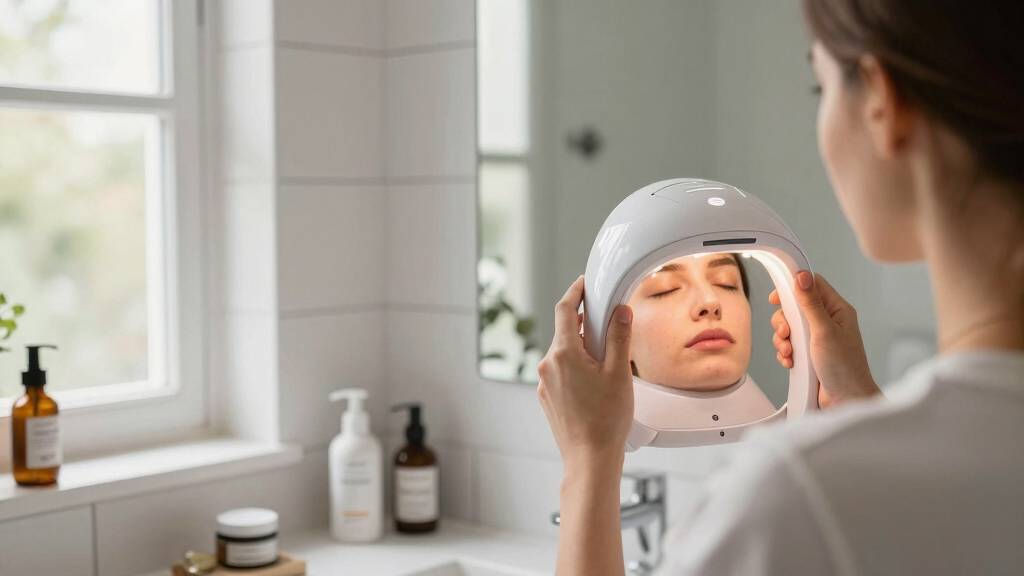
Imagine a sleek device in your hand, emitting a soft, colorful glow as it touches your skin—promising a boost of radiance or clearer skin. But beneath that gentle light, safety concerns often linger. How do you use these devices without risking irritation or damage? Knowing the right precautions can turn a promising at-home treatment into a safe, effective routine.
This guide uncovers concrete safety tips, recent technological innovations, and practical steps to help you harness the benefits of LED technology without overstepping safe boundaries. Whether you’re new to LED treatments or looking to refine your approach, understanding what keeps your skin safe is key to lasting results.
Always follow the manufacturer’s instructions regarding session length and frequency to prevent skin irritation.
Perform a patch test before full use, especially if you have sensitive or compromised skin.
Use protective goggles during sessions to shield your eyes from potentially harmful light exposure.
Keep your device clean, inspect for damage, and maintain it regularly for safe operation.
Consult a healthcare professional if you have underlying skin conditions or concerns before starting LED therapy.
Safety Tips for Using At-Home LED Devices
A soft glow can support clearer, calmer-looking skin—but only when exposure, eye protection, hygiene, and skin compatibility are treated as part of the routine. Use the device exactly as directed, start conservatively, and let your skin’s response set the pace.
Your five-point safety routine
Overuse does not accelerate results. A measured routine protects the skin barrier, reduces preventable irritation, and makes it easier to identify what is actually working.
Follow the exact protocol
Use the prescribed session length, weekly frequency, wavelength setting, and distance. Begin below the maximum allowed exposure if your skin is sensitive.
Patch test first
Treat a discreet area near the jawline or behind the ear, then observe it for 24 hours before progressing to a larger treatment area.
Protect your eyes
Wear the supplied or manufacturer-approved goggles. Never stare directly into LEDs unless the product is specifically designed and cleared for eye-area use.
Clean after every use
Wipe contact surfaces with a soft damp cloth or approved disinfectant. Do not immerse the device or apply harsh cleaners unless explicitly permitted.
Inspect before power-on
Stop using a device with cracks, loose parts, damaged cables, unusual heat, flickering LEDs, or inconsistent output. Seek repair or replacement.
Ask a professional
Consult a dermatologist or healthcare provider for rosacea, eczema, photosensitivity, active skin disease, medication concerns, or persistent irritation.
A safer path to consistency
Skin response matters more than ambition. Increase exposure only within the manufacturer’s approved range and only when your skin remains comfortable.
The patch-test protocol
A quick screening step can prevent a full-face reaction.
Choose a small area behind the ear or along the jawline.
Apply the shortest approved session at the correct distance.
Watch for persistent redness, dryness, itching, swelling, or discomfort.
Continue only if comfortable; consult a professional if symptoms persist.
Build exposure gradually
Illustrative progression within an approved protocol—not a universal prescription.
| Decision point | Safer practice | Caution signal | Response |
|---|---|---|---|
| Session length | ✓ Use the built-in timer | × Adding extra minutes | Return to the manual’s limit |
| Weekly frequency | ✓ Follow the stated schedule | ~ Treating daily without approval | Add recovery days |
| Skin response | ✓ Comfortable, unchanged barrier | × Persistent redness or burning | Stop and seek advice |
| Eye exposure | ✓ Approved goggles in place | × Glare, strain, direct viewing | End the session immediately |
| Device condition | ✓ Clean, intact, even output | ~ Cracks, heat, flickering | Disconnect and service |
Smarter devices add useful guardrails
Modern features can reduce preventable errors, but they do not replace instructions, protective eyewear, skin monitoring, or professional medical advice.
Targeted wavelengths
Red and near-infrared light are commonly associated with rejuvenation and recovery goals; blue light is commonly used for acne-focused routines.
Skin-aware sensors
Selected devices monitor contact, placement, or treatment conditions to reduce uneven exposure and prevent inappropriate operation.
Automatic shut-off
Integrated timers can stop a session when its programmed duration ends, reducing the risk of accidental overuse.
Apps and plans
Reminders, treatment histories, and personalized schedules can support consistency without encouraging excessive frequency.
What users need to know
At-home LED therapy can complement a skincare plan, but it is not a substitute for medical diagnosis or professional treatment of serious conditions.
Is LED safe for everyone?
Many devices suit a broad range of skin types. Sensitive, damaged, photosensitive, or medically treated skin requires extra caution and professional guidance.
When should results appear?
Visible improvements commonly require 4–8 weeks of regular use. Progress depends on the concern, wavelength, device output, and consistency.
Can the device be used daily?
Only if the manufacturer explicitly permits it. Many protocols recommend 3–5 sessions weekly, leaving recovery time between treatments.
What reactions are possible?
Mild redness, dryness, or irritation can occur, particularly after excessive exposure. Pain, burns, swelling, or lasting symptoms require prompt attention.
Who should consult a dermatologist?
Anyone with an underlying condition, unexplained sensitivity, active irritation, medication-related photosensitivity, or uncertainty about device suitability.
Can it replace clinical treatment?
No. At-home devices may complement professional care, but severe acne, persistent inflammation, wounds, and other medical conditions need clinical assessment.
Pause treatment when something feels wrong. More light is not automatically more effective, and consistency matters more than intensity.
How to Use Your LED Device Without Causing Skin Irritation
Using an LED device correctly is the first step to avoiding redness, dryness, or irritation. Always follow the manufacturer’s instructions for duration and frequency. For example, if your device recommends 10-minute sessions, exceeding that time can lead to overexposure—especially for sensitive skin.
Start with shorter sessions and gradually increase as your skin tolerates. Use the device at the recommended distance—typically 1-2 inches from your skin. Keep in mind, overuse doesn’t speed results; it often causes setbacks.
For instance, a user might initially do 10-minute sessions three times a week. After a few weeks, if no irritation occurs, they can consider increasing to five times weekly, always monitoring their skin’s response.
Understanding these guidelines matters because overexposure can lead to cumulative skin damage, such as increased sensitivity or even burns in extreme cases. Conversely, underuse may result in minimal or no visible benefits, leading to frustration. Finding the right balance ensures your skin benefits from the therapy without unnecessary risks.
As an affiliate, we earn on qualifying purchases.
The Importance of Patch Testing Before Full-Scale Use
Patch testing is your skin’s first line of defense against adverse reactions, especially since individual responses to LED light can vary widely. Applying a small amount of the device’s light to a discreet area—like behind your ear or on your jawline—allows you to observe how your skin reacts over 24 hours. This simple step can reveal sensitivities or allergies that might otherwise cause widespread irritation if you proceed with full-face treatments.
For example, if mild redness or dryness appears after 24 hours, it indicates your skin may be reactive to the light or other components of the device. This knowledge enables you to adjust your routine—perhaps by reducing session duration or frequency—or to consult a dermatologist for personalized advice. Skipping patch tests can lead to unexpected discomfort, prolonged skin issues, or even setbacks in your skincare progress.
Patch testing is especially crucial if you have sensitive skin, rosacea, eczema, or other skin conditions. It acts as a low-cost, quick screening tool that helps you avoid the tradeoff between trying to improve your skin and risking adverse reactions that could undermine your efforts in the long run.
As an affiliate, we earn on qualifying purchases.
Protect Your Eyes When Using LED Devices
LED light can be safe for skin but potentially harmful to your eyes if not protected. Never look directly into the light unless the device is designed for eye treatment. Use the protective goggles provided, especially during longer sessions. This is because certain wavelengths emitted by LED devices, particularly blue and near-infrared light, can cause eye strain or damage if exposed directly over time.
Imagine a friend who skipped goggles and ended up with temporary eye discomfort—this highlights why protective measures are vital. Some devices emit high-intensity light that, without proper shielding, can lead to issues like glare, dry eyes, or even retinal strain, which might not be immediately noticeable but can accumulate with repeated exposure.
For example, a typical at-home device might recommend using goggles for 15-minute sessions. Always adhere to this advice, even if the device feels gentle on your skin. Protecting your eyes is a small step that significantly reduces the risk of long-term damage, ensuring your overall safety during LED therapy.
As an affiliate, we earn on qualifying purchases.
Maintaining Your Device for Safe, Effective Use
Keeping your LED device clean prevents infections and maintains optimal performance. Use a soft, damp cloth or manufacturer-approved disinfectant to wipe down the device after each use. This routine not only minimizes the risk of bacterial buildup but also preserves the integrity of the device’s components, ensuring consistent results over time.
Regularly inspect your device for damage—such as cracks, loose parts, or malfunctioning lights—and avoid using it if any issues arise. Neglecting maintenance can lead to unpredictable performance, potential electrical hazards, or uneven light emission, which could compromise safety or effectiveness.
For example, if you notice your device’s LED panel flickering or if a crack appears on the casing, it’s a sign to cease use and seek repair or replacement. Proper maintenance extends your device’s lifespan and safeguards your skin from unexpected malfunctions, making it a key aspect of safe at-home LED therapy.
As an affiliate, we earn on qualifying purchases.
Why Consulting a Healthcare Professional Can Keep You Safer
While at-home LED devices are generally safe, consulting a dermatologist or skincare professional is a wise step—especially if you have pre-existing skin conditions or concerns. They can provide personalized advice on the most suitable device types, proper usage routines, and safety precautions based on your skin’s unique needs. This guidance helps you avoid common pitfalls, such as overuse or incorrect settings, which could exacerbate existing issues or cause new ones.
Imagine someone with rosacea who begins using an LED device without professional input—risking flare-ups or prolonged irritation. A professional can help you tailor your routine, recommend suitable wavelengths, and ensure your treatment complements other skincare or medical therapies. They can also interpret device claims and safety certifications, ensuring you’re making informed choices.
Many devices now carry FDA clearance for specific uses, but professional advice ensures these treatments are appropriate for your individual condition. Consulting a healthcare provider helps you navigate these options safely, maximizing benefits while minimizing risks.
Recent Tech Improvements Make LED Devices Safer and Smarter
Newer LED devices incorporate multiple wavelengths—red, blue, near-infrared—for targeted benefits, such as anti-aging, acne reduction, or skin healing. Beyond wavelength diversity, these devices now feature safety enhancements like sensors that detect skin response, preventing overexposure, and auto shut-off functions that stop treatment if parameters are exceeded. These innovations are designed to adapt to individual skin types and conditions, reducing the risk of adverse effects.
For example, some devices connect to smartphone apps, providing tailored treatment plans, reminders, and real-time feedback. These features help users adhere to safe protocols, avoid overuse, and customize treatments based on their skin’s needs—making therapy more responsible and effective.
According to BellaPiu, recent advancements in LED technology emphasize safety by integrating automatic safety features, making at-home treatments more reliable and reducing the chance of user error. This progress reflects a shift towards smarter, safer skincare tools that empower consumers to treat themselves confidently while minimizing risks.
Frequently Asked Questions
Are at-home LED devices safe for sensitive skin?
Most are safe if used correctly and after patch testing. Sensitive skin may react more, so starting with shorter sessions and consulting a dermatologist is wise. Always monitor your skin’s response and stop if irritation occurs.
How long before I see results from LED therapy?
Typically, you’ll notice improvements after 4-8 weeks of consistent use. Patience is key—results build gradually with regular sessions.
Can I use LED devices every day?
It’s best to follow the manufacturer’s recommendations—usually 3-5 times per week. Daily use may increase irritation, especially for sensitive skin types.
Are there risks or side effects I should watch for?
Side effects are rare but can include redness, dryness, or mild irritation if misused. Proper use and adherence to instructions minimize these risks.
Should I see a doctor before starting at-home LED treatments?
Yes, particularly if you have pre-existing skin issues or concerns. A professional can advise on suitability and safe usage tailored to your skin’s needs.
Conclusion
Using at-home LED devices can brighten your skin and support your skincare goals, but safety must come first. Understanding how to use them properly, protecting your eyes, and maintaining your device are simple steps that make a big difference.
Think of LED therapy as a delicate dance—when you respect the rhythm and boundaries, it can lead to beautiful, safe results that last. Your skin deserves that kind of mindful care.
NFL season / tailgating Picks
team gear
As an affiliate, we earn on qualifying purchases.