
TL;DR
Listen free for 30 days with Audible
Thousands of audiobooks and originals — cancel anytime.
Start your free trialAs an affiliate, we earn on qualifying purchases.
Not all microcurrent devices suit every skin. Consider skin type, safety standards, device features, and scientific evidence to select the right one. Proper evaluation ensures safe, effective use at home.
Microcurrent devices are transforming personal skincare routines, promising a more youthful, toned appearance. But before you press the power button, it’s vital to ask: is this device right for your skin? Not all microcurrent tools are created equal, and their safety depends on your skin type and the device’s features. Making a well-informed choice means understanding what to look for and how recent advancements can support your goals.
In this guide, you’ll learn how to evaluate whether a microcurrent device matches your skin’s unique needs. From safety certifications to device design, we’ll cover the essential factors that help you pick confidently—without falling for hype or risky claims.
Always verify safety certifications like FDA or CE before selecting a device.
Start with low intensity settings, especially if your skin is sensitive or reactive.
Features like adjustable power and additional modes help tailor treatments and improve comfort.
Recent device innovations focus on combining microcurrent with other therapies and app control for personalized use.
Consistency over weeks, not immediate results, is key to seeing benefits.
The Key Factors That Make a Microcurrent Device a Good Match
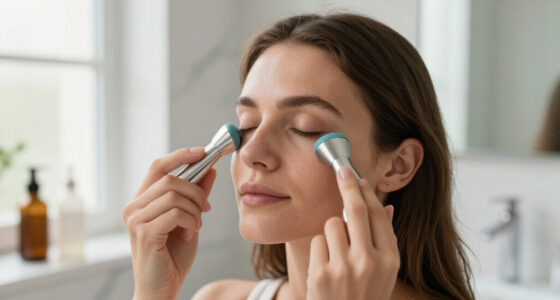
Knowing whether a device suits your skin starts with assessing its safety and features. A device that’s certified and adjustable will serve you better, especially if your skin is sensitive or has specific concerns. For example, if you have delicate skin, look for models with lower intensity settings to avoid irritation.
Safety standards like FDA approval or CE marking aren’t just bureaucratic hoops—they’re a sign the device has been tested for safety and efficacy. This matters because microcurrent devices deliver electrical signals that can potentially cause harm if not properly regulated. If a device lacks certification, it might have inconsistent performance or pose risks like burns or skin irritation. Additionally, understanding your skin’s condition—such as active acne, eczema, or rosacea—is crucial because certain skin issues can worsen with microcurrent if not properly tailored. Consulting a dermatologist beforehand can prevent adverse reactions and ensure the device’s features align with your needs.
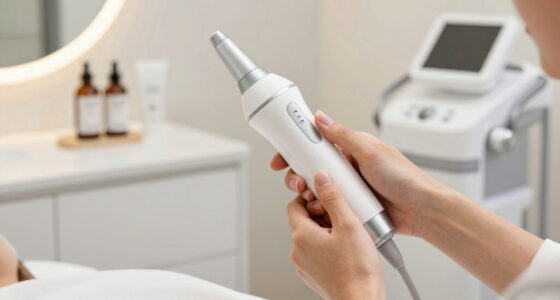
Finally, consider your lifestyle: do you want a portable device you can use at home, or are you comfortable visiting a professional? The right device should seamlessly integrate into your routine, providing a balance of convenience and safety. Choosing a device that matches your routine reduces the risk of misuse and enhances the likelihood of consistent, beneficial use.
FDA approved microcurrent facial device
As an affiliate, we earn on qualifying purchases.
As an affiliate, we earn on qualifying purchases.
How to Spot Safe, Certified Microcurrent Devices
Safety certifications are your best friends when choosing a microcurrent device because they serve as a reliable indicator of safety and quality. These certifications—such as FDA clearance in the U.S. or CE marking in Europe—are granted only after rigorous testing that confirms the device meets specific safety standards. This testing evaluates electrical safety, device stability, and manufacturing quality, which are critical because microcurrent devices operate with electrical currents close to the skin. Using a certified device minimizes the risk of malfunction, electrical shocks, or skin damage.
For instance, FDA clearance not only verifies safety but also suggests the device has undergone clinical evaluation for efficacy, giving you extra confidence in its performance. Recognizing these certifications on packaging or product descriptions allows you to quickly differentiate between reputable and potentially unsafe options. Moreover, understanding what these standards entail helps you appreciate why choosing certified devices is a responsible step—unregulated devices may skip essential safety checks, increasing the chance of adverse effects or inconsistent results. Prioritizing certified devices ultimately protects your skin health and investment, ensuring your microcurrent treatments are both safe and effective.
adjustable microcurrent skin toning device
As an affiliate, we earn on qualifying purchases.
As an affiliate, we earn on qualifying purchases.
What Features Help You Customize Your Treatment and Protect Sensitive Skin
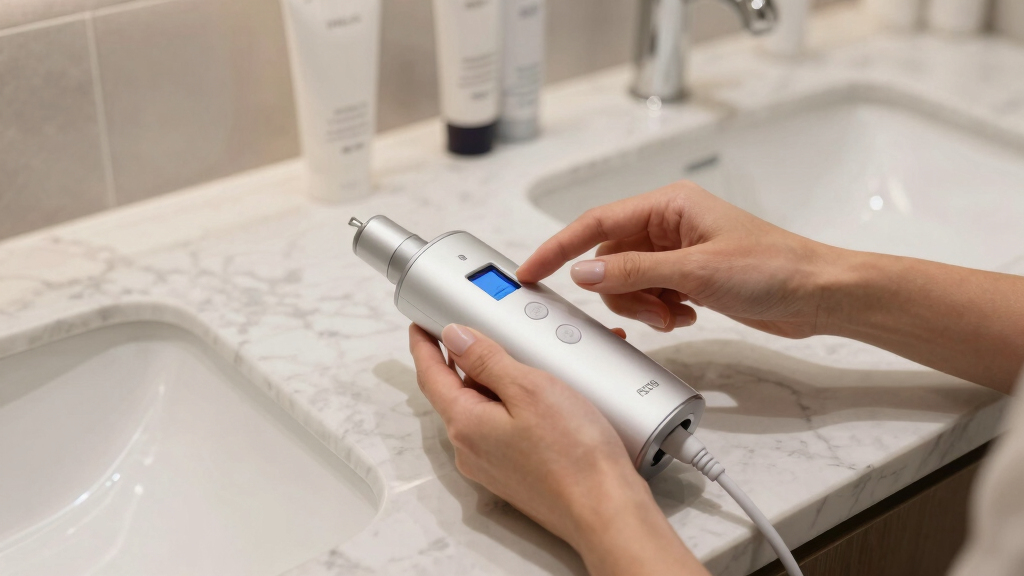
Microcurrent devices with adjustable intensity levels are essential because they allow you to tailor treatments to your skin’s specific sensitivity and needs. This flexibility is important because skin sensitivity varies widely—what’s comfortable for one person might be irritating for another. By starting at a low setting, you give your skin time to adapt, reducing the risk of redness, irritation, or discomfort. Gradually increasing intensity as your skin tolerates ensures a safer, more comfortable experience and can lead to better results over time.
Additional features like LED therapy, massage modes, or timers serve to enhance treatment effectiveness and comfort. For example, LED light therapy can target inflammation or promote healing, complementing the microcurrent’s benefits. Massage functions can improve circulation, helping the skin absorb treatments more effectively. Timers ensure consistent treatment durations, preventing overuse that could irritate sensitive skin. These features collectively enable a more personalized approach, allowing users to address specific concerns while minimizing risks. Testing new devices on a small patch of skin before full use further safeguards against unexpected reactions, especially for those with reactive or sensitive skin. In essence, thoughtful feature selection empowers you to maximize benefits while maintaining safety and comfort.
microcurrent device for sensitive skin
As an affiliate, we earn on qualifying purchases.
As an affiliate, we earn on qualifying purchases.
Recent Innovations Making Microcurrent Safer and More Effective
Newer microcurrent devices are not only sleeker and cordless but also incorporate technological advancements that enhance safety, usability, and potential results. For example, Bluetooth connectivity with smartphone apps allows for personalized protocols, progress tracking, and guided routines, making treatments more precise and consistent. This integration reduces user error and ensures treatments are performed correctly, which is crucial for safety and efficacy.
Design improvements also focus on combining microcurrent with other therapies like LED light or radiofrequency. These combinations can synergistically promote skin renewal, collagen production, and overall skin health, providing a more comprehensive approach to facial rejuvenation. The added layers of benefits mean you can target multiple skin concerns simultaneously, often with fewer side effects or risks, since the devices are designed with safety features that prevent overuse or misuse.
Scientific research continues to support microcurrent’s ability to stimulate ATP production and improve cellular function, but large-scale studies are still emerging. These technological innovations aim to make microcurrent treatments more accessible, safer, and more effective for at-home use, reducing the need for frequent professional visits and empowering users to achieve salon-like results safely at home.
portable microcurrent facial device
As an affiliate, we earn on qualifying purchases.
As an affiliate, we earn on qualifying purchases.
What You Need to Know About Safety, Usage, and Results
Microcurrent is generally safe for most skin when used correctly—delivering low-voltage electrical currents that mimic natural signals. However, overuse, improper settings, or devices with poor quality can lead to temporary redness, tingling, or even skin irritation. These effects highlight the importance of understanding your skin’s response and adjusting your routine accordingly. Starting with short sessions and low intensity allows your skin to build tolerance and reduces adverse reactions.
Typical usage recommendations—such as 2-3 sessions weekly—are based on balancing effective stimulation with skin recovery. Consistent use over 4-6 weeks often yields noticeable improvements, including smoother skin and reduced fine lines. However, individual results vary depending on skin type, age, and the device’s quality. Some users may see quick results, while others require longer periods of regular treatment to notice significant changes. Recognizing these differences helps set realistic expectations and encourages patience.
While professional treatments can offer immediate, dramatic results, high-quality home devices are designed for safe, gradual improvements. They work best when integrated into a consistent routine and combined with good skincare practices. Always follow manufacturer instructions closely and consult a dermatologist if you have pre-existing skin conditions or concerns. This proactive approach minimizes risks and maximizes the benefits of your microcurrent journey.
Your Top Questions About Microcurrent Devices Answered
- Is a microcurrent device safe for sensitive skin? Yes, but start with lower settings and test on a small area first. Consult a dermatologist if in doubt. This cautious approach helps prevent overstimulation or irritation, which can be more pronounced in sensitive skin. Understanding your skin’s limits and gradually increasing intensity minimizes adverse reactions and ensures a positive experience.
- Can I use it if I have skin conditions like rosacea or eczema? It’s best to seek professional advice, as some conditions may react negatively or require tailored treatments. Microcurrent can sometimes exacerbate inflammation or irritation if not properly managed, so consulting a dermatologist ensures your treatment plan is safe and appropriate.
- How quickly will I notice improvements? Some see subtle changes after a few sessions, but more significant results often appear after 4-6 weeks of consistent use. Patience is key—since microcurrent works by stimulating natural cellular processes, benefits accumulate gradually rather than instantly.
- Are home devices as effective as professional treatments? They may not deliver instant results like clinics, but with proper use, high-quality home devices can produce noticeable improvements over time. The key is consistency and choosing a device with proven efficacy and safety features.
- What should I check before buying? Certification, adjustable settings, user reviews, and compatibility with your skin type are key factors. Doing thorough research ensures you select a device that aligns with your needs and minimizes risks.
Conclusion
Choosing a microcurrent device isn’t about chasing the latest gadget—it’s about matching your skin’s needs with a safe, certified option that fits your routine. Prioritize safety standards, start slow, and stay consistent. Your skin will thank you for the smart, measured approach.
Imagine the gentle hum of a device, like a soft whisper of energy supporting your skin’s natural vitality. That’s the promise—when you pick wisely, microcurrent can be a subtle but steady partner in your beauty ritual.
Flea & tick season Picks
flea and tick prevention
As an affiliate, we earn on qualifying purchases.