
TL;DR
Listen free for 30 days with Audible
Thousands of audiobooks and originals — cancel anytime.
Start your free trialAs an affiliate, we earn on qualifying purchases.
Most skin types tolerate microcurrent treatments well, but sensitive, damaged, or medical-implanted skin may need caution. Personal assessment is key for safety and best results.
Microcurrent treatments often promise a non-invasive glow boost, but not every skin type reacts the same. If you have sensitive skin or skin conditions, you might wonder whether microcurrent is right for you. Understanding your skin’s unique needs helps avoid unwanted side effects and maximizes safety.
In this guide, you’ll learn which skin types should exercise caution, the latest safety insights, and practical tips to navigate microcurrent therapy confidently. Because, when done right, it can support your skin’s natural vitality — but not at the cost of irritation or setbacks.
Are There Certain Skin Types That Should Avoid Microcurrent?
Most skin types tolerate microcurrent well. Sensitive, damaged, infected, or medically complex skin needs a more careful decision—and electronic implants can make treatment unsuitable altogether.
Who can proceed—and who should pause?
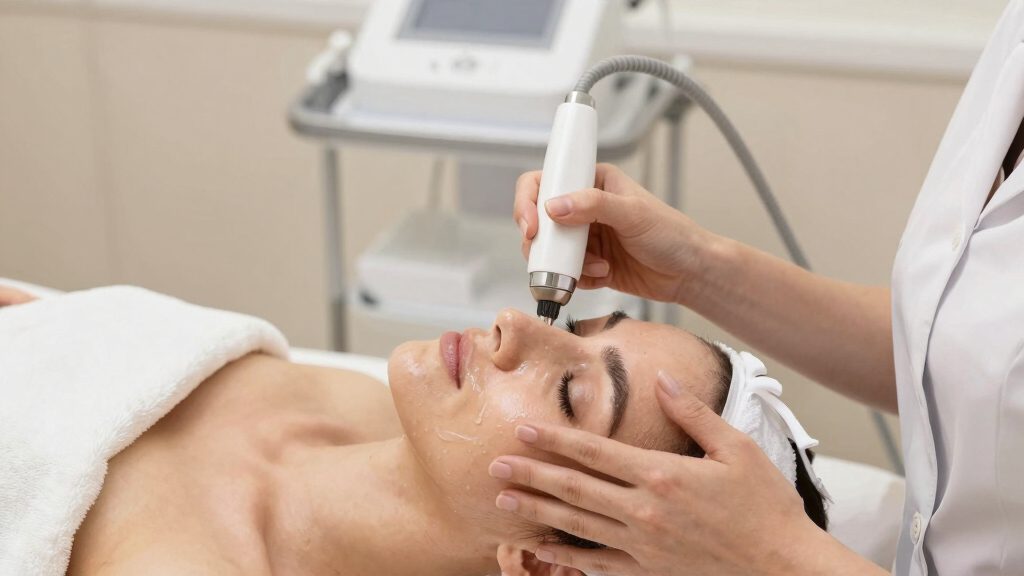
Microcurrent uses low-voltage electrical currents and is often marketed as a non-invasive way to support facial tone. The deciding factor is whether the skin barrier is calm, intact, and free from active disease.
Normal, dry, oily, or combination
Generally suitable when skin is healthy and intact. Begin with standard professional guidance and appropriate conductive product.
Generally suitableSensitive or reactive
Often still suitable, but lower intensity, shorter sessions, a patch test, and close monitoring can reduce irritation risk.
Proceed carefullyBroken or compromised
Cuts, active dermatitis, inflammation, and a disrupted skin barrier may be aggravated. Wait for healing and professional clearance.
Delay treatmentWhen caution becomes a no-go
Electrical treatment creates a different risk profile for implanted devices and active medical conditions. These are not situations for trial-and-error home treatment.
Stop or seek medical clearance
- ×Pacemakers, defibrillators, or other electronic medical implants
- ×Open wounds, broken skin, or actively inflamed dermatitis
- ×Active bacterial, viral, or fungal skin infection
- ×Active herpes or shingles outbreak in the treatment area
- ×Known or suspected skin cancer without medical approval
Relative suitability spectrum
Skin type and treatment suitability
This matrix is a screening guide—not a diagnosis. Current symptoms, medical history, device instructions, and professional assessment can change the answer.
| Skin profile | Suitability | Precautions | Best use case |
|---|---|---|---|
| Normal | Highly suitable | Begin with device or professional guidance. | Most healthy-skin users |
| Sensitive | Use caution | Lower intensity, shorter session, monitor redness. | Users willing to begin gently |
| Oily or acne-prone | Suitable | Treat clean, intact skin; avoid active infection. | Stable, non-infected acne-prone skin |
| Rosacea, eczema, psoriasis | Conditional | Avoid active flares; consult a dermatologist. | Calm, professionally assessed skin |
| Damaged or compromised | Delay | Wait until fully healed and cleared. | Not during active damage |
| Electronic medical implant | Unsafe | Avoid due to possible device interference. | None without explicit medical direction |
Check the skin you have today
A normally resilient skin type can become temporarily unsuitable after a flare, procedure, sunburn, infection, or barrier disruption.
Ask before treatment
- Have skincare products or treatments caused strong reactions before?
- Is there current redness, burning, swelling, or unusual sensitivity?
- Do you have eczema, psoriasis, rosacea, or another diagnosed condition?
- Are there open wounds, active breakouts with infection, or cold sores?
- Do you have an implanted electronic medical device?
Any “yes” answer is a reason to pause and obtain individualized advice before proceeding.
What can go wrong?
Sensitive skin may develop temporary redness, burning, discomfort, or swelling when treatment intensity is too aggressive. Compromised skin may become more inflamed or take longer to heal.
Active infection may worsen or spread. Electronic current may also pose an interference risk for implanted devices. These risks make honest screening more valuable than relying on a broad “safe for all skin types” claim.
Long-term risk is minimized through appropriate selection, conservative settings, correct technique, and stopping when the skin signals distress.
A safer microcurrent pathway
Newer devices offer more precise and customizable settings, but technology does not replace screening. Follow the same safety chain whether treatment is professional or at home.
01 Assess
Review skin condition, medical history, implants, and active symptoms.
02 Clear
Consult a licensed professional when conditions or devices are involved.
03 Patch test
Test conservatively and wait to evaluate the skin’s response.
04 Start low
Use lower intensity and shorter sessions for reactive skin.
05 Monitor
Stop for persistent burning, swelling, pain, or increasing redness.
Remove makeup and avoid treating broken or inflamed areas.
Follow device guidance and never push through discomfort.
Choose a gentle, fragrance-free moisturizer if skin is reactive.
Avoid harsh exfoliants or irritating products while monitoring skin.
Dryness, oiliness, or combination skin alone usually does not determine exclusion.
Start low, shorten the first sessions, patch test, and watch closely.
Do not treat open wounds, infection, active dermatitis, or active outbreaks.
Avoid treatment unless your medical provider gives explicit direction.
Multiple sessions may be needed, and ongoing research continues to assess efficacy.
Quick answers
Can sensitive skin handle microcurrent?
Often yes, with lower intensity, professional guidance, and careful monitoring.
Can acne-prone skin use it?
Usually, provided the skin is intact and there is no active infection in the treatment area.
Should active rosacea be treated?
Pause during a flare and seek guidance, as treatment may increase flushing or irritation.
Can microcurrent worsen damaged skin?
Yes. It may aggravate inflammation or delay healing when the barrier is compromised.
Home device or professional treatment?
Reactive or medically complex skin is better assessed by a qualified professional first.
When should treatment stop?
Stop if burning, pain, swelling, or worsening redness develops and seek appropriate advice.
Is Microcurrent Safe for Sensitive or Damaged Skin?
Yes, microcurrent is generally safe for most skin types, including sensitive skin, but with caveats. If your skin is prone to redness, irritation, or reacts strongly to products, proceed cautiously. Microcurrent uses low-voltage electrical currents, which can sometimes trigger discomfort or exacerbate sensitivity if not properly tailored.
Imagine you have a skin condition like rosacea. Microcurrent might cause flushing or irritation, especially with high-intensity settings. Always start with a gentle, low setting and consult a professional to gauge your skin’s response.
For broken or compromised skin, such as cuts or active dermatitis, microcurrent can aggravate inflammation. Wait until your skin heals before considering treatment, and always discuss your skin condition with a specialist.
microcurrent facial device for sensitive skin
As an affiliate, we earn on qualifying purchases.
As an affiliate, we earn on qualifying purchases.
Which Skin Conditions or Medical Implants Make Microcurrent a No-Go?
Microcurrent therapy involves electrical currents, so it’s not suitable for everyone. People with pacemakers, defibrillators, or other electronic implants should avoid microcurrent treatments entirely. The risk? Interference with device functioning, which could be dangerous.
Additionally, if you have active infections, herpes outbreaks, or skin cancers, microcurrent could worsen these issues or spread infection. Always get clearance from your healthcare provider before proceeding.
For example, a person with a recent shingles outbreak might experience flare-ups if they undergo microcurrent. Safety first means consulting your doctor or dermatologist.
As an affiliate, we earn on qualifying purchases.
How to Tell if Your Skin Type Is Suitable for Microcurrent?
Figuring out if microcurrent suits your skin starts with honest assessment. If your skin is generally resilient, without chronic redness, open wounds, or active conditions, you’re likely a good candidate. But if your skin tends to be sensitive, reactive, or damaged, proceed with caution.
Here’s a quick checklist:
- Have you had reactions to skincare or treatments before?
- Is your skin prone to redness, burning, or irritation?
- Do you have skin conditions like eczema, psoriasis, or rosacea?
- Are there any open wounds or active infections?
If you answered ‘yes’ to any of these, consult a professional before trying microcurrent. Personal assessment ensures you avoid irritation and get the best results.
skin assessment tools for microcurrent treatments
As an affiliate, we earn on qualifying purchases.
As an affiliate, we earn on qualifying purchases.
Practical Tips to Safely Use Microcurrent if You Have Sensitive Skin
Even if your skin is sensitive, microcurrent can still work — with careful precautions. Start with a professional who can tailor settings for your skin’s needs. Use lower intensity and shorter sessions initially.
After treatment, apply soothing, fragrance-free moisturizers to calm any transient redness. Keep your skin well-hydrated and avoid harsh products for 24 hours.
Monitor your skin’s response closely. If you notice increased redness, burning, or discomfort, stop treatment and consult your provider. Remember, patience and gentle care are key to safe microcurrent use.
electronic implant safe skincare devices
As an affiliate, we earn on qualifying purchases.
As an affiliate, we earn on qualifying purchases.
Comparison Table: Skin Types and Microcurrent Suitability
| Skin Type | Suitability | Precautions | Ideal For |
|---|---|---|---|
| Normal | Highly suitable | None, start with standard settings | Most users |
| Sensitive | Generally suitable with caution | Use lower intensity, monitor reaction | Those willing to start gently |
| Oily/Acne-prone | Suitable | Ensure skin is clear, avoid heavy products | Most acne-prone skin |
| Damaged or compromised skin | Risky | Avoid until healed, consult a professional | Not recommended during active damage |
| Medical implants | Unsafe | Always avoid; risk of device interference | None |
What Are the Real Risks of Microcurrent for Certain Skin Types?
While microcurrent is non-invasive, risks exist if your skin isn’t suited. Sensitive skin might experience redness, burning, or swelling if treatment is too aggressive. Damaged skin could worsen or delay healing.
People with medical devices face interference risks, potentially disrupting their function. Active skin infections or cancers could be aggravated, emphasizing the need for professional advice.
For example, a person with rosacea might see increased flushing after a session. Knowing these risks helps you decide if microcurrent aligns with your skin’s health.
Key Takeaways for Safe Microcurrent Use Based on Skin Type
- Most skin types tolerate microcurrent well, but sensitivity varies. Start low, go slow.
- If your skin is damaged, compromised, or has active conditions, avoid microcurrent until healed and cleared by a professional.
- People with medical implants or serious skin conditions should avoid microcurrent or seek medical advice first.
- Always conduct a patch test and monitor your skin’s reaction during and after treatment.
- Personalized assessment is the best defense — don’t rely solely on general guidance.
Frequently Asked Questions
Can sensitive skin handle microcurrent treatments?
Yes, but with caution. Start with a professional who can adjust the settings for your skin’s sensitivity. Use lower intensity and monitor closely for any redness or discomfort. If irritation occurs, stop immediately and consult your skincare provider.
Are there skin conditions that contraindicate microcurrent?
Yes. Conditions like active eczema, psoriasis, rosacea, or skin infections should be treated with caution or avoided until healed. Always seek advice from a healthcare professional before starting microcurrent if you have ongoing skin issues.
What long-term risks exist for sensitive or damaged skin?
The main risks include increased redness, irritation, or delayed healing if your skin isn’t suited or if treatment is too aggressive. For damaged skin, microcurrent might worsen irritation or slow recovery. Personal assessment and professional guidance are key to minimizing these risks.
Conclusion
Microcurrent offers a promising way to support skin vitality—but it’s not for everyone. If your skin is sensitive, damaged, or you have medical implants, consulting a professional is your safest bet. When in doubt, gentle, personalized approaches make all the difference.
Remember: your skin’s health comes first. Respect its signals, and microcurrent can be a supportive tool, not an unwelcome surprise.
Flea & tick season Picks
flea and tick prevention
As an affiliate, we earn on qualifying purchases.