
TL;DR
Get ready for Prime Big Deal Days — try Prime free
Exclusive member deals on October 6–7, plus fast free delivery. Cancel anytime.
Start your free trialAs an affiliate, we earn on qualifying purchases.
LED masks can modestly improve skin elasticity and diminish fine lines when used regularly over months. They are safe for most, but results vary, and they aren’t a substitute for more invasive procedures. Consistency and realistic expectations are key.
LED masks have become a staple in many home skincare routines, promising a non-invasive way to smooth wrinkles and boost skin glow. But how much of that glow is backed by real science? Before you invest in the latest LED device, it’s worth understanding what the evidence actually reveals—beyond the marketing hype. This guide will walk you through the science, safety, and realistic outcomes of LED therapy for wrinkle reduction, so you can decide if it’s worth your time and money.
Expect clear explanations, practical tips, and a straightforward look at what research says about these devices. No fluff, just the facts you need to make confident choices for your skin.
Consistent use over 8-12 weeks can lead to modest improvements in skin firmness and fine lines.
Red and near-infrared wavelengths are most effective for stimulating collagen production.
LED masks are safe for most people, but those with photosensitivity should seek professional advice.
Results vary widely based on individual skin type, age, and adherence to treatment.
LED therapy works best as part of a comprehensive skincare routine—not a magic bullet.
How Do LED Masks Actually Help Your Skin?
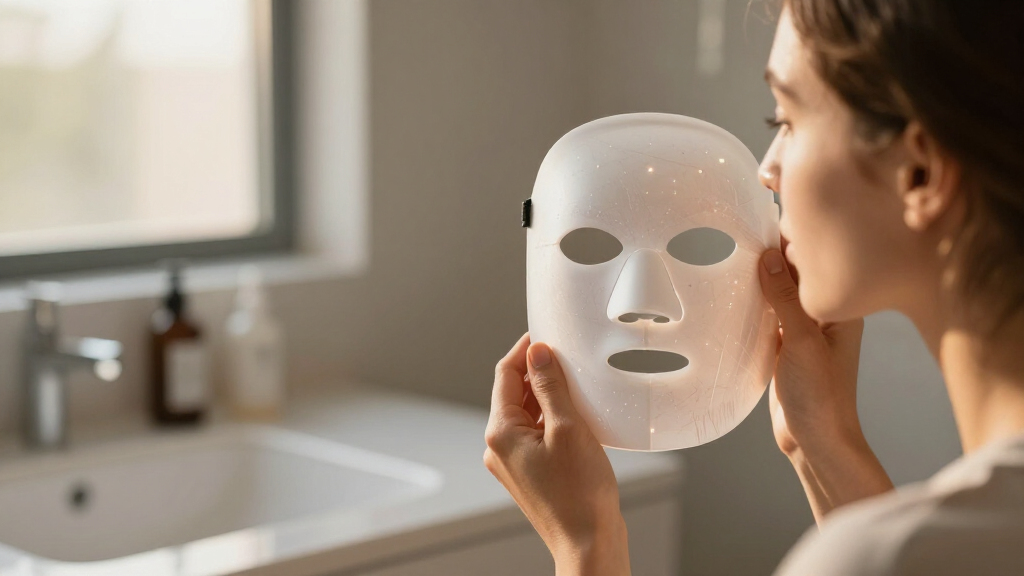
LED masks emit specific wavelengths of light—mainly red and near-infrared—that penetrate the skin to stimulate cellular activity. Think of it like sending tiny signals to your skin cells, encouraging them to produce more collagen and elastin—proteins that keep your skin firm and smooth. For example, after consistent use, some users report their fine lines soften and their skin feels plumper, like a balloon slowly inflating back to life.
In real-world terms, imagine a 12-week routine of 15-minute sessions, and you might notice a subtle tightening around the eyes or a softer appearance of forehead wrinkles. The key is that these effects depend on consistent treatment—like watering a plant regularly rather than occasional sprinkles. This consistency is crucial because skin cells need ongoing stimulation to boost collagen production, and skipping sessions may diminish or delay results. Moreover, understanding this helps set realistic expectations: LED therapy isn’t a quick fix but a gradual process that requires patience and adherence to a routine.
As an affiliate, we earn on qualifying purchases.
What Wavelengths Make the Biggest Difference?
| Wavelength | Purpose | Penetration Depth |
|---|---|---|
| Red Light (620–750 nm) | Stimulates collagen, reduces fine lines | Superficial — upper dermis |
| Near-Infrared (750–1200 nm) | Deeper tissue repair, anti-inflammatory | Deep dermis and subcutaneous tissue |
Studies show that red light is most effective for collagen boost because it targets the upper layers where collagen resides. Near-infrared light penetrates deeper, reaching tissues that influence inflammation and tissue repair. When choosing a mask, selecting the correct wavelengths isn’t just about matching marketing claims; it’s about targeting the skin layers most involved in wrinkle formation and skin elasticity. Using an optimal wavelength ensures you’re stimulating the right cellular processes, which can make a tangible difference in outcomes. Conversely, using wavelengths outside this range may be less effective or even ineffective, highlighting the importance of informed device selection. This understanding underscores that not all LED masks are created equal—investing in one with the right spectrum maximizes your chances of seeing results.
red and near-infrared LED skin therapy device
As an affiliate, we earn on qualifying purchases.
As an affiliate, we earn on qualifying purchases.
Is LED Therapy Safe? What Should You Watch For?
In general, LED masks are safe when used as directed. They emit low-level light that doesn’t generate heat or damage skin tissue. Think of it like sunshine filtered through a window—gentle and non-invasive. Common side effects are rare, usually limited to brief redness or dryness, which fade quickly. The non-thermal nature of LED therapy minimizes risks associated with burns or skin damage, making it a popular choice for home use.
However, safety isn’t just about the light itself; it also involves understanding your skin’s unique sensitivities. If you have photosensitive skin, are on medications that increase light sensitivity, or have active skin infections, the risk of adverse reactions increases. In such cases, LED therapy could exacerbate existing issues or cause discomfort. Consulting a dermatologist before starting treatment helps tailor a safe approach. Additionally, avoid staring directly into the LED lights for extended periods—use the device as instructed, like you would with any light-emitting device—to prevent eye strain or discomfort. Recognizing these precautions ensures you benefit from LED therapy without unintended side effects, reinforcing that safety depends on informed and cautious use.
home LED light therapy for collagen
As an affiliate, we earn on qualifying purchases.
As an affiliate, we earn on qualifying purchases.
How Long Before You See Results? The Real Timeline
Expect to give your skin at least 8 to 12 weeks of consistent treatment before noticing changes. Imagine a small garden—you water it regularly, and after a few months, the plants look healthier and more vibrant. Some users report subtle improvements around the eyes or forehead after just 4 weeks, but more significant changes usually take time. This timeline exists because collagen synthesis and skin remodeling are gradual biological processes that require ongoing stimulation. Rushing results or expecting immediate changes can lead to disappointment; understanding this helps set realistic expectations.
To get the best results, aim for 2-3 sessions per week, sticking to the routine. Patience is key—think of LED therapy as a gentle, ongoing conversation with your skin that gradually enhances its vitality. Consistency not only maximizes benefits but also helps track progress effectively. Keep in mind that individual factors like age, skin type, and lifestyle can influence how quickly you see improvements, so personal results may vary. Recognizing this helps prevent frustration and encourages perseverance, ensuring you remain committed to your routine for sustained benefits.
As an affiliate, we earn on qualifying purchases.
What Does the Latest Science Say About LED Masks and Wrinkles?
Research from small clinical trials suggests that red and near-infrared LED therapy can increase collagen density by approximately 10–20% over 12 weeks. For instance, a study published in a peer-reviewed journal found participants’ fine lines softened and skin elasticity improved after regular use. These findings indicate that LED therapy can stimulate the biological processes needed for skin renewal, but the degree of improvement varies among individuals.
However, many of these studies face limitations—they often involve small sample sizes, short durations, or are sponsored by device manufacturers, which can introduce bias. While the results are promising, they don’t yet provide conclusive evidence that LED masks will produce dramatic or permanent wrinkle reduction for everyone. Think of this as a helpful nudge in the right direction—indicating potential benefits but not guaranteeing miracle results. As research continues, understanding these nuances helps set appropriate expectations and guides smarter choices for those considering LED therapy as part of their anti-aging routine.
Are LED Masks Better Than Other Anti-Aging Treatments?
| LED Masks | Laser Resurfacing | Botox |
|---|---|---|
| Non-invasive, minimal downtime, safety high | More dramatic results, longer recovery, higher cost | Quick smoothing, temporary, needs repeat treatments |
LED therapy offers a gentle, low-risk option suitable for those cautious about invasive procedures. It provides a gradual improvement by stimulating the skin’s natural healing processes, making it appealing for individuals seeking subtle, sustainable changes without downtime. However, because its effects are more subtle, it may not satisfy those looking for immediate or dramatic results. Laser resurfacing, on the other hand, physically removes damaged skin layers, leading to more noticeable and faster improvements but with longer recovery and higher costs. Botox temporarily relaxes muscles to smooth wrinkles, offering quick results but requiring repeated sessions to maintain the effect. Understanding these tradeoffs helps you decide whether you prefer a gentle, ongoing enhancement or a more immediate transformation—each approach has its place depending on your goals and risk tolerance.
How to Maximize Your LED Mask Results
- Choose a device with the right wavelengths—red and near-infrared.
- Use it consistently—aim for 3 sessions a week, sticking to the schedule.
- Combine with good skincare—moisturize, wear sun protection, and avoid harsh products.
- Be patient—visible improvements take time, often 2-3 months.
- Track your progress—take photos and note changes to stay motivated.
Think of it like watering a plant. Regular care and patience lead to a healthier, more vibrant result. Skipping sessions or rushing the process can hinder progress, as the skin needs ongoing stimulation to produce new collagen. Combining LED therapy with a comprehensive skincare routine enhances effectiveness—using moisturizers, antioxidants, and sun protection supports skin health and prolongs the benefits of treatment. Remember, the key to success is consistency, patience, and realistic expectations. By maintaining a disciplined routine and monitoring your skin’s response, you set yourself up for the best possible outcome and a more radiant, youthful complexion over time.
Frequently Asked Questions
Do LED masks really work for wrinkles?
They can improve skin elasticity and soften fine lines over time, especially with regular use over 8-12 weeks. However, results are usually subtle and vary from person to person.Are LED masks safe for everyone?
For most, yes. They are non-invasive with minimal side effects. But if you have photosensitive skin, are pregnant, or take photosensitizing medications, consult a healthcare professional first.How fast can I expect to see improvements?
Most users notice subtle changes after about 8 weeks, with more visible results around 12 weeks of consistent treatments.Can I use an LED mask at home?
Yes, many FDA-cleared devices are designed for safe home use, but always follow the manufacturer’s instructions carefully.Are LED masks better than laser or Botox?
They are less invasive and safer but tend to produce more modest results. For significant wrinkle reduction, invasive treatments may be more effective, but involve more risk and downtime.Conclusion
LED masks can support your skin’s natural vitality if used with realistic expectations. They’re a gentle, safe option for mild to moderate wrinkles, especially when paired with good skincare habits. Remember: patience and consistency matter most.
Think of LED therapy as an ongoing conversation with your skin—small, regular talks that add up to a healthier glow. Whether you’re at the start of your anti-aging journey or looking to maintain your skin’s vitality, understanding the science helps you make smart choices—and avoid empty promises.
NFL season / tailgating Picks
team gear
As an affiliate, we earn on qualifying purchases.