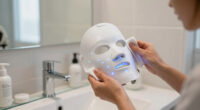
TL;DR
Prime for Young Adults — start your free trial
Fast free delivery, streaming and member deals for eligible 18–24 year olds.
Try it freeAs an affiliate, we earn on qualifying purchases.
LED light therapy uses specific wavelengths to stimulate cellular activity, supporting skin health, pain relief, and healing. Scientific studies confirm its safety and efficacy for various uses, especially when protocols are well-designed.
Imagine a gentle, warm glow that can boost your skin’s vitality or soothe sore muscles—without any pain or downtime. That’s the promise of LED light therapy, a non-invasive treatment gaining attention for its cellular benefits. But what does science actually say about its effectiveness? More importantly, how safe is it really? You’re about to find out.
This guide cuts through the hype, revealing the solid research behind LED therapy’s claims. Whether you’re considering it for skin rejuvenation, acne, or pain, understanding the evidence helps you make smarter choices. Let’s explore what science, and recent studies, tell us about this illuminating treatment.
LED therapy boosts cellular energy by increasing ATP production, which supports skin health and healing.
Specific wavelengths—red, near-infrared, and blue—target different skin layers and issues, making LED therapy versatile.
Scientific studies confirm LED’s effectiveness in stimulating collagen, reducing acne, and speeding wound healing.
Safety is high, but protective measures like eye gear are essential. Effects depend on consistent sessions.
Home devices are available and safe if used properly, but professional guidance enhances results.
What Scientific Evidence Supports LED Light Therapy?
Specific wavelengths of visible and near-infrared light can influence cellular energy, inflammation and repair. Clinical evidence is strongest when wavelength, dose, treatment frequency and device quality are carefully controlled.
From photons to cellular repair
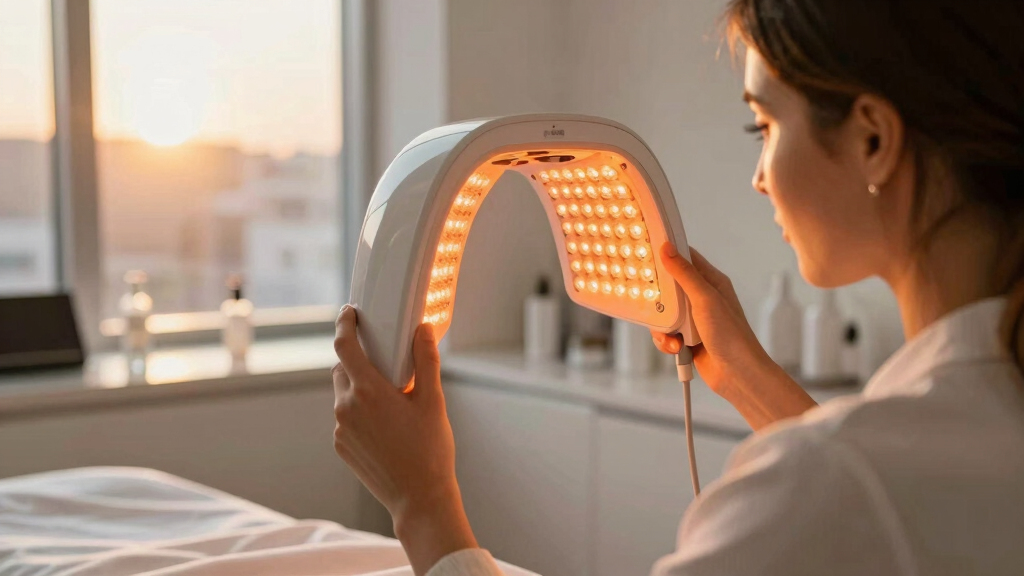
LED therapy—often described as photobiomodulation—delivers light energy that interacts with light-sensitive cellular components, especially within mitochondria.
Targeted light enters tissue
Penetration depends on wavelength. Blue light acts near the surface, while red and near-infrared light reach progressively deeper structures.
Mitochondria absorb energy
Cellular chromophores respond to incoming photons, initiating biochemical signals rather than creating the controlled injury associated with lasers.
ATP production rises
More adenosine triphosphate gives cells additional energy for repair, regeneration and routine functions that can decline with age or injury.
Repair pathways respond
Potential downstream effects include collagen synthesis, reduced inflammation, improved circulation and faster tissue recovery.
Different colors, different targets
“LED therapy” is not one uniform intervention. Each wavelength range has a distinct penetration depth, biological target and clinical use.
Blue light
Targets acne-associated bacteria near the skin surface. Evidence supports reduced inflammatory acne lesions when treatment is repeated consistently.
Red light
Supports collagen and elastin production, making it the main range studied for skin texture, elasticity and visible wrinkle reduction.
Near-infrared
Penetrates more deeply toward muscles and joints, where studies explore inflammation, blood flow, pain relief and tissue repair.
Penetration spectrum
Relative depth · conceptual scaleWhere the clinical signal is strongest
Trials support several applications, but study size, follow-up length and treatment parameters vary. Percentage outcomes should be read as study-specific findings, not universal guarantees.
| Application | Research signal | Proposed effect | Important limit |
|---|---|---|---|
| Skin rejuvenation | ✓ Supported | Collagen synthesis, elasticity and wrinkle reduction. | Results depend heavily on dose, wavelength and consistency. |
| Inflammatory acne | ✓ Supported | Blue light reduces acne-associated bacterial activity. | May be insufficient alone for severe or complex acne. |
| Pain & inflammation | ~ Promising | Near-infrared light may support circulation and tissue repair. | Protocols and outcomes vary across musculoskeletal conditions. |
| Wound healing | ✓ Supported | Faster tissue regeneration and potentially reduced scarring. | Should complement—not replace—appropriate wound care. |
| Mental health uses | ✗ Emerging | Exploratory applications include seasonal mood support. | Not equivalent to the established evidence for bright-light therapy. |
The dose makes the difference
Successful treatment is not defined by color alone. Irradiance, exposure time, distance, wavelength accuracy and session frequency all influence the delivered dose.
sessions for noticeable change
Some improvements may appear earlier, but collagen remodeling and tissue recovery usually require repeated exposure over several weeks.
Four safeguards that matter
LED therapy is non-invasive and typically causes little more than temporary warmth or redness, but responsible use remains essential.
How a credible claim is built
A good LED result should be traceable from device output to biological target to measured clinical outcome.
LED light therapy has a substantial and growing scientific foundation for selected uses. The strongest conclusions support skin rejuvenation, acne management and tissue repair. It works best as a consistent, well-dosed adjunct—not as a universal cure.
How Does LED Light Therapy Actually Work at the Cellular Level?
LED therapy works by delivering specific wavelengths of light that penetrate the skin, targeting cellular components called mitochondria—the powerhouses of your cells. When exposed to light, these mitochondria produce more ATP, the energy currency that fuels repair and regeneration.
Picture a busy factory: more energy means faster production. In skin cells, this translates to increased collagen synthesis, faster healing, and reduced inflammation. This process is significant because it directly influences the skin’s ability to repair itself and maintain youthful elasticity. The increase in ATP not only accelerates healing but also enhances cellular functions that diminish with age or injury.
For example, a study found that red and near-infrared light can boost collagen production by up to 60% after 4-6 weeks, visibly tightening skin and smoothing wrinkles. This is important because collagen is the structural protein that keeps skin firm. The deeper implication is that consistent LED therapy can help counteract the natural decline of collagen, potentially delaying signs of aging and improving skin resilience over time.
As an affiliate, we earn on qualifying purchases.
Which Wavelengths Are Used in LED Therapy and Why?
Each wavelength of LED light has a specific role, and understanding these helps clarify why certain treatments are chosen. Red light (620–750 nm) stimulates the production of collagen and elastin, which are crucial for skin firmness and elasticity. This is why red light is often used in anti-aging treatments.
Near-infrared (750–1200 nm) penetrates deeper into tissues, reaching muscles and joints. This allows it to promote blood flow, reduce inflammation, and support tissue repair, making it valuable for pain management and recovery from injuries.
Blue light (450–495 nm), on the other hand, targets bacteria on the skin’s surface, notably *Propionibacterium acnes*, which is involved in acne. Its antimicrobial effect helps reduce bacterial load, preventing breakouts.
Knowing these differences helps tailor treatments to specific needs. For example, a device combining red and near-infrared LEDs can simultaneously promote skin rejuvenation and soothe muscle soreness, offering a comprehensive approach. Conversely, blue light is primarily used in dermatology clinics to target bacterial infections that cause acne, highlighting its role in targeted therapy. Recognizing the specific applications and penetration depths also helps consumers understand the tradeoffs—deeper wavelengths reach more tissues but may require longer exposure times or specialized devices, which can influence treatment efficacy and safety.
As an affiliate, we earn on qualifying purchases.
What Does Science Say About LED Therapy’s Effectiveness?
Multiple clinical trials support LED therapy’s benefits, but understanding the scope and limitations of this evidence is essential. For skin rejuvenation, studies show that red and near-infrared light can significantly increase collagen levels, which directly correlates with reduced wrinkles and improved skin elasticity. For instance, a 2014 study observed a 40-60% increase in collagen after 8 sessions, which translates into visible skin tightening and a more youthful appearance.
In terms of acne treatment, blue light therapy has demonstrated antimicrobial activity against *Propionibacterium acnes*, which is responsible for many breakouts. A 2016 trial reported a 70% reduction in acne lesions after 4 weeks of blue light treatments, highlighting its effectiveness in managing inflammatory skin conditions. This is especially relevant for individuals seeking non-drug, side-effect-free options.
Moreover, near-infrared light has been shown to decrease inflammation and accelerate wound healing. Clinical trials involving post-surgical wounds found that LED therapy facilitated faster tissue regeneration and reduced scarring, which can be crucial for recovery and cosmetic outcomes. These findings imply that LED therapy supports cellular functions involved in repair and regeneration, making it a versatile tool in both aesthetic and medical contexts.
While more extensive research is ongoing, current evidence indicates that LED therapy can effectively stimulate cellular processes, but results depend on treatment parameters such as wavelength, dosage, and frequency. This underscores the importance of well-designed protocols to maximize benefits and minimize risks. The implications are that LED therapy, when applied correctly, can be a safe, effective adjunct to traditional treatments, but it is not a magic bullet and requires consistent application.
As an affiliate, we earn on qualifying purchases.
Are There Any Risks or Downsides to LED Light Therapy?
For the most part, LED therapy is safe with minimal side effects. The main concerns are temporary redness or eye discomfort if protective eyewear isn’t used. Serious adverse effects are rare but can occur if protocols are improperly followed or devices are faulty.
For example, someone using a home device might notice slight warmth or redness that subsides quickly, which is a normal response indicating increased blood flow or mild inflammation. However, individuals with photosensitive conditions or those taking medications like certain antibiotics or anti-inflammatory drugs should consult a healthcare professional before starting treatment, as their skin or eyes may react more intensely.
Understanding these risks helps in making informed choices. Proper use of protective measures, such as goggles, and following manufacturer instructions can greatly reduce potential side effects. The tradeoff is that, although the therapy is generally safe, neglecting safety precautions—like overexposure or skipping eye protection—can lead to minor issues such as irritation or discomfort. Recognizing these tradeoffs emphasizes the importance of responsible use, especially when treatments are self-administered at home or in clinical settings.
As an affiliate, we earn on qualifying purchases.
How Many Sessions Are Needed to See Real Results?
Most studies and clinical protocols recommend around 8-20 sessions for noticeable effects, but the timeline can vary based on individual factors such as skin type, age, and specific concerns. For skin rejuvenation, improvements in firmness, texture, and wrinkle reduction often become visible after 4-6 weeks of regular treatments. This is because collagen synthesis and tissue repair processes require consistent stimulation over time to produce durable results.
Imagine a typical schedule: three sessions per week for the first month, then maintenance once a month. This structured approach allows the skin and tissues to adapt and respond progressively. Many users report seeing a reduction in fine lines or a clearer complexion after just 2-3 weeks, but sustained benefits, especially for aging skin, depend on ongoing treatments tailored to individual goals.
The key takeaway is that patience and consistency are essential. While some effects can appear early, the true benefits—such as improved skin elasticity or pain relief—are often cumulative, with optimal results achieved through sustained application and adherence to recommended protocols. This understanding helps set realistic expectations and encourages a commitment to regular treatments for lasting improvements.
Can You Use LED Light Therapy at Home — and Is It Safe?
Yes, many FDA-cleared devices are designed for home use, offering a convenient way to incorporate LED therapy into your routine. However, safety considerations are crucial. Proper device selection, adherence to instructions, and awareness of your own skin and health conditions determine how effective and safe your treatments will be.
When choosing a device, look for reputable brands with clear safety features, such as built-in timers, adjustable settings, and protective eyewear. For example, BellaPiu’s recommended at-home devices include safety mechanisms that prevent overexposure and ensure correct wavelength delivery, reducing the risk of adverse effects.
Following manufacturer instructions diligently is essential. Overuse or improper handling can lead to minor side effects like redness or eye discomfort. If you have pre-existing skin conditions or are on medications that increase photosensitivity, consulting a healthcare professional before starting home treatments is wise. This step helps prevent unintended reactions and ensures your safety.
Ultimately, home LED devices can be safe and effective when used responsibly, but they should complement, not replace, professional advice—especially if you have complex skin issues or health concerns. Responsible use, combined with professional guidance, maximizes benefits while minimizing risks, making LED therapy a practical addition to your self-care routine.
Frequently Asked Questions
Is LED light therapy scientifically proven to work?
Yes, numerous studies support its efficacy, especially for skin rejuvenation, acne, and pain relief. However, results vary based on device quality, wavelength, and treatment consistency.
Are LED treatments safe for all skin types?
For most people, yes. LED therapy is non-invasive and gentle. Those with photosensitive conditions or on certain medications should consult a healthcare professional first.
How long before I see results?
Most users notice improvements after 4-6 weeks with regular sessions. Skin may appear brighter, firmer, or clearer after just a few treatments, but sustained benefits require ongoing use.
Can I do LED therapy at home?
Yes, with FDA-approved devices designed for consumer use. Follow safety instructions carefully, and consider consulting a professional to optimize your routine.
Are there any side effects?
Side effects are rare, mostly minor redness or eye discomfort if protective measures aren’t taken. Always use protective eyewear and follow device instructions.
Conclusion
In the end, LED light therapy is not just a passing trend — it’s rooted in solid science. Its cellular effects, backed by research, make it a promising, safe addition to your skincare or wellness routine. But remember: results depend on proper protocol and device quality.
Think of it as a gentle, scientifically supported nudge to your body’s natural healing processes. When used thoughtfully, LED therapy offers a clear, safe way to support your skin’s vitality and overall comfort — with less fuss and more glow.
Fall yard work Picks
leaf blowers
As an affiliate, we earn on qualifying purchases.