TL;DR
Listen free for 30 days with Audible
Thousands of audiobooks and originals — cancel anytime.
Start your free trialAs an affiliate, we earn on qualifying purchases.
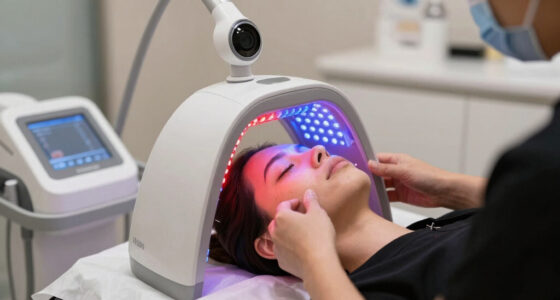
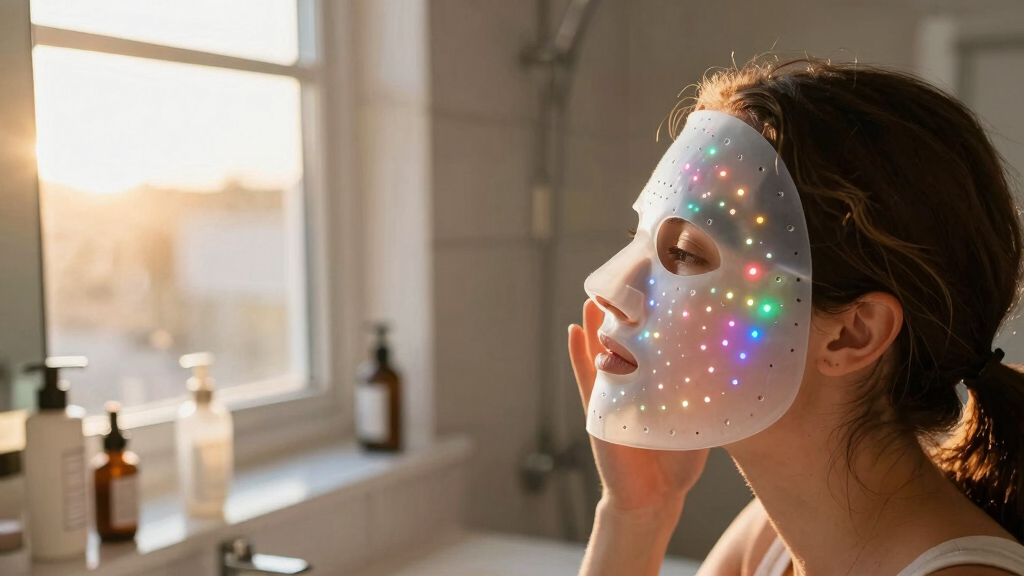
LED masks are generally safe if used correctly. Follow manufacturer instructions, limit exposure, and check for contraindications to prevent skin irritation or damage while enjoying their benefits.
Always follow the specific instructions provided with your LED mask—treatment duration, frequency, and skin prep matter.
Limit sessions to 10-20 minutes, 3-5 times weekly, to prevent irritation and maximize benefits.
Use the mask on thoroughly cleansed, dry skin—this boosts light penetration and reduces breakout risk.
Avoid using on broken, irritated, or inflamed skin—wait until your skin heals before treatment.
Regularly clean your device and stay updated on new safety features and certifications.
Follow Manufacturer Instructions to Avoid Common Mistakes
Every LED mask comes with specific guidelines—reading and following these is your first line of defense. For example, a popular model like the Dr. Dennis Gross DRx SpectraLite FaceWare Pro advises 10-minute sessions, 3-4 times a week. Ignoring these instructions can lead to overexposure, skin irritation, or diminished results.
Manufacturers often include warnings about treatment duration and frequency. Adhering to these ensures you avoid risks like redness, dryness, or even burns. Think of it as respecting the ‘recipe’ to get the best skin benefits without unintended side effects.
As an affiliate, we earn on qualifying purchases.
Limit Your Sessions to Safe Durations and Frequencies
Most LED masks recommend 10-20 minute sessions, 3-5 times a week. Going over this can increase risks of skin dryness or irritation. For instance, a user trying daily 30-minute treatments might notice redness or discomfort after a week.
Stick to the suggested time frames—your skin’s health depends on it. Think of it like a workout: overdoing it can cause damage, but consistent, moderate sessions build benefits over time. The tradeoff here is between pushing for faster results and risking skin health; patience and adherence are key for sustained benefits without adverse effects.
As an affiliate, we earn on qualifying purchases.
Use on Clean, Dry Skin to Maximize Safety and Effectiveness
Before turning on your LED mask, wash your face thoroughly. Makeup, oils, and lotions can block LED light or cause reactions. Imagine trying to shine a flashlight through greasy glass—less effective and more likely to cause irritation.
Waiting a few minutes after cleansing ensures your skin is dry and free of product. This simple step helps the LEDs penetrate better and reduces the chance of breakouts or sensitivity. Skipping this step might seem minor, but it can significantly diminish the mask’s effectiveness and increase the likelihood of irritation, especially if your skin is prone to breakouts or sensitivity due to residues.
As an affiliate, we earn on qualifying purchases.
Avoid Using on Damaged or Inflamed Skin
LED therapy is not meant for open wounds, rashes, or inflamed skin. For example, if you have a breakout or sunburn, it’s best to wait until your skin heals. Using the mask on compromised skin can worsen irritation or cause unintended reactions.
Think of it like watering a fragile plant—wait until it’s healthy before nourishing it with light therapy. Using the mask on damaged skin can delay healing, exacerbate inflammation, or even cause new breakouts. The tradeoff involves balancing your desire for quick results with the risk of aggravating existing skin issues. Consulting a dermatologist can help you determine the right timing and prevent setbacks in your skincare progress.
best LED masks for skin rejuvenation
As an affiliate, we earn on qualifying purchases.
As an affiliate, we earn on qualifying purchases.
Protect Your Eyes and Avoid Direct LED Exposure
Many LED masks have built-in eye protection, but it’s wise to wear safety goggles if recommended. Never stare directly into the LEDs—think of it like avoiding looking directly into a bright flashlight.
This is especially important because some masks emit high-intensity light that can harm sensitive eye tissues or cause discomfort. Protecting your eyes ensures you avoid unnecessary strain or potential damage, while still gaining benefits. Ignoring eye safety precautions can lead to discomfort, temporary visual disturbances, or, in rare cases, longer-term eye sensitivity. The tradeoff involves safeguarding your vision while enjoying the skincare benefits, which is why using recommended protection is essential.
Check for Contraindications Before Using
If you have photosensitivity, epilepsy, or skin infections, consult your healthcare provider first. LED therapy can trigger adverse reactions in sensitive individuals. For example, someone with rosacea might experience flushing or irritation if they ignore these precautions.
Always review the contraindications listed in your device manual. When in doubt, a quick chat with a dermatologist can save you trouble later. The implication here is that ignoring contraindications can lead to serious discomfort or worsening of existing conditions, which may require more extensive treatment to resolve. Being proactive about screening for these issues minimizes risks and ensures your skincare routine remains safe and effective.
Keep Your Device Clean and Well-Maintained
Regular cleaning prevents bacterial buildup and keeps your device functioning properly. Use a soft cloth and gentle cleanser—avoid harsh chemicals that could damage sensitive electronics. For instance, a quick wipe with alcohol-based wipes after each use keeps the mask hygienic.
Proper maintenance extends your device’s lifespan and ensures consistent performance, much like caring for a cherished tool. Neglecting cleaning can lead to bacterial growth, which might cause skin breakouts or infections, defeating the purpose of your skincare routine. The tradeoff here involves investing a few minutes in maintenance versus risking hygiene issues or device malfunction, both of which can compromise your safety and results.
Stay Informed About New Tech and Safety Standards
LED technology keeps evolving—wavelengths, safety features, and smart integrations improve every year. For example, newer models now include adjustable wavelengths and app controls for personalized treatments. Staying updated helps you choose safer, more effective devices.
Look for certifications from health authorities and reviews from trusted sources. Knowledge about the latest safety standards empowers you to make smart choices. The implication is that outdated devices or unverified safety claims can pose risks, such as ineffective treatments or potential harm. Regularly updating your knowledge ensures you’re using the safest and most advanced options available, maximizing benefits and minimizing risks.
Understand the Realistic Timeline for Results
Most users see visible improvements after 4-8 weeks of consistent use. Patience is key. For example, someone using a red light mask like the Neutrogena Light Therapy Acne Mask might notice fewer breakouts after a month.
Set realistic expectations—LED therapy supports your skin’s health gradually, not overnight. The benefit of understanding this timeline is that it helps prevent frustration or misuse of the device out of impatience, which could lead to overuse or skipping treatments. The tradeoff involves trusting the process and committing to regular use for sustained, safe results that truly benefit your skin over time.
Frequently Asked Questions
Are LED masks safe for sensitive skin?
Generally, yes. But if you have sensitive skin or conditions like rosacea, it’s best to consult a dermatologist first. Start with shorter sessions and monitor how your skin reacts.
Can I use LED masks every day?
Most manufacturers recommend 3-5 sessions weekly. Daily use isn’t typically advised unless specified, as overexposure can cause dryness or irritation.
What are the common side effects?
Side effects are usually mild—temporary redness, dryness, or slight tingling. Serious reactions are rare when you follow safety tips and treatment guidelines.
How long before I see results?
Many notice improvements after about 4-8 weeks of regular use. Consistency is key for skin benefits to build over time.
Should I wear makeup or skincare products during treatment?
It’s best to use the mask on clean skin. Applying products immediately before or after sessions can interfere with light penetration or cause irritation—wait at least 30 minutes.
Conclusion
Using an LED mask safely is simple when you respect your device’s guidelines and listen to your skin. Think of it like a fine Italian espresso—delicate, precise, and best enjoyed with care. Keep safety at the forefront, and your skin will thank you for it.Fall Picks
fall essentials
As an affiliate, we earn on qualifying purchases.
![Fil-C: Garbage In, Memory Safety Out [Video]](https://bellapiu.com/wp-content/uploads/2026/07/fil-c-garbage-in-memory-safety-out-video-featured-560x300.jpg)