
TL;DR

Get beauty and skincare favorites delivered free — and shop member deals
- Fast, free delivery on millions of items
- Access to Prime Big Deal Days deals on October 6–7
- Prime Video, Amazon Music and more included
Nine US lawmakers, led by Representative Yvette D. Clarke, have asked Revlon CEO Michelle Peluso to respond to FDA findings at the company’s Oxford, North Carolina, facility. The agency cited deficiencies involving talc testing and manufacturing controls for over-the-counter drugs; the lawmakers’ letter seeks answers, while the details of Revlon’s response and any resulting corrective action are not provided in the report.
Nine members of the US Congress have written to Revlon Group Holdings CEO Michelle Peluso seeking answers about manufacturing and testing deficiencies cited by the FDA at the company’s Oxford, North Carolina, facility. The lawmakers’ letter, led by Representative Yvette D. Clarke, follows an agency warning concerning over-the-counter drug manufacturing, including questions about talc testing and quality controls.
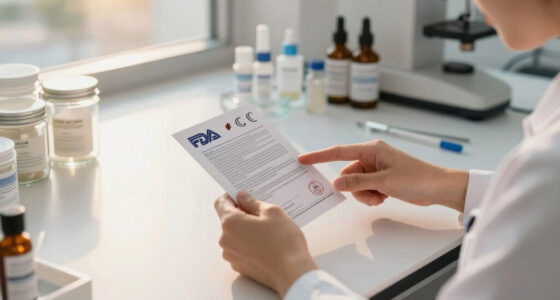
The FDA’s June warning letter identified what the agency described as significant violations of Current Good Manufacturing Practice requirements at the facility. According to the report, regulators said Revlon had not demonstrated adequate testing of incoming talc for asbestos. The agency also identified deficiencies in product specifications and quality controls, including microbiological standards for yeast and mould.
The FDA requested that Revlon test affected talc or finished products, conduct a risk assessment and provide a remediation plan. These are the agency’s stated requests; the available source does not detail what testing Revlon has completed or whether it has submitted a response. The report also does not identify specific products, batches or consumers affected.
The congressional letter focuses on the FDA findings and asks the company’s CEO for answers. The lawmakers also pointed to potential exposure among Black women and girls, citing their significant participation in the US beauty and personal-care market. That concern is raised by the members of Congress; the source does not establish that any particular group was exposed to contaminated products.
Scrutiny of Revlon’s Testing Controls
The letter adds congressional scrutiny to the FDA’s regulatory attention, putting Revlon’s ingredient verification and manufacturing controls under closer public examination. The findings concern whether incoming materials and finished products are adequately tested and whether quality systems meet requirements for the facility’s over-the-counter drug manufacturing.
For consumers, the distinction between a regulatory finding and evidence of harm matters. The FDA’s requests for testing and a risk assessment signal that the agency wants more information about potential product risks; the material provided does not confirm that asbestos was found in a Revlon product or that consumers were harmed. For manufacturers, the case highlights the importance of documenting supplier checks, contaminant testing and microbiological controls.
Lawmakers’ reference to Black women and girls draws attention to possible differences in who uses beauty and personal-care products and who may be affected by product-safety issues. The report supplies no exposure data or evidence of a specific health outcome, so the concern should not be read as confirmation of harm to that population.
As an affiliate, we earn on qualifying purchases.
FDA Findings Behind the Letter
The immediate trigger for the lawmakers’ action was a June FDA warning letter regarding Revlon’s Oxford facility. The letter concerned manufacturing of over-the-counter drugs and described gaps in testing and quality controls. The congressional request comes after that regulatory action, rather than announcing a separate FDA inspection or a confirmed product recall.
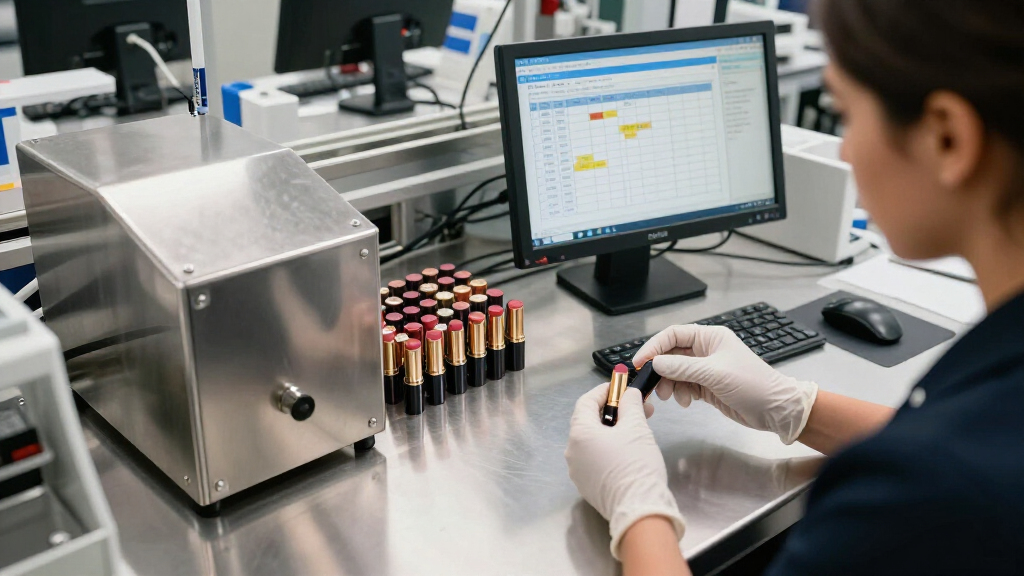
Current Good Manufacturing Practice rules set standards for production and quality systems. In this case, the reported agency concerns included evidence of adequate testing for asbestos in incoming talc, specifications for materials or products, and controls addressing yeast and mould. The FDA’s requested testing, risk assessment and remediation plan are intended to address the deficiencies identified by the agency, according to the source report.
The report is based on coverage by Global Cosmetics News, which identifies clarke.house as its source for the congressional development. It does not provide the full text of the letter, the FDA warning, or a statement from Revlon. The year of the June warning is also not specified in the supplied material.
“Revlon had not demonstrated adequate testing of incoming talc for asbestos.”
— FDA, as described in the Global Cosmetics News report
microbiological testing for cosmetics
As an affiliate, we earn on qualifying purchases.
As an affiliate, we earn on qualifying purchases.
Product Risks and Revlon’s Response
The supplied report does not say whether the FDA found asbestos in any talc, ingredient or finished product. It also does not identify which products or batches may be covered by the agency’s request, whether any products were distributed to consumers, or whether a recall or other market action has occurred. No consumer injuries or confirmed exposures are reported.
Revlon’s response to the congressional letter and the FDA’s requests is not included. The source material does not say whether the company has completed testing, submitted a risk assessment or proposed corrective steps. The year of the June warning is not stated, limiting precision about the timeline.
over-the-counter drug quality control test
As an affiliate, we earn on qualifying purchases.
As an affiliate, we earn on qualifying purchases.
Company and Agency Follow-Up
The next developments to watch are Revlon’s response to the lawmakers and its handling of the FDA’s requests for testing, risk assessment and remediation. The source material does not provide a deadline for the company to reply or describe a scheduled congressional hearing.
Further information from Revlon, the FDA or the members of Congress could clarify the scope of affected materials, the status of testing and whether regulators require additional corrective action. Until those details are available, the confirmed account is limited to the warning letter’s reported findings and the lawmakers’ request for answers.
As an affiliate, we earn on qualifying purchases.
Key Questions
What did the FDA identify at Revlon’s Oxford facility?
The warning letter, as described in the report, cited Current Good Manufacturing Practice deficiencies, including inadequate demonstrated testing of incoming talc for asbestos and concerns involving specifications and microbiological controls for yeast and mould.
Did the FDA report finding asbestos in Revlon products?
The source material does not say that asbestos was detected in a Revlon product. It says the FDA found that the company had not demonstrated adequate testing and requested testing of affected talc or finished products.
What are lawmakers asking Revlon to do?
Nine members of Congress, led by Representative Yvette D. Clarke, wrote to CEO Michelle Peluso seeking answers about the FDA findings. The report does not provide the full list of questions or a response deadline.
Has Revlon responded or recalled any products?
The supplied report does not include a Revlon response and does not report a recall. It also does not say whether the company has completed the testing, risk assessment or remediation plan requested by the FDA.
Source: rss
Halloween Picks
halloween
As an affiliate, we earn on qualifying purchases.