
TL;DR
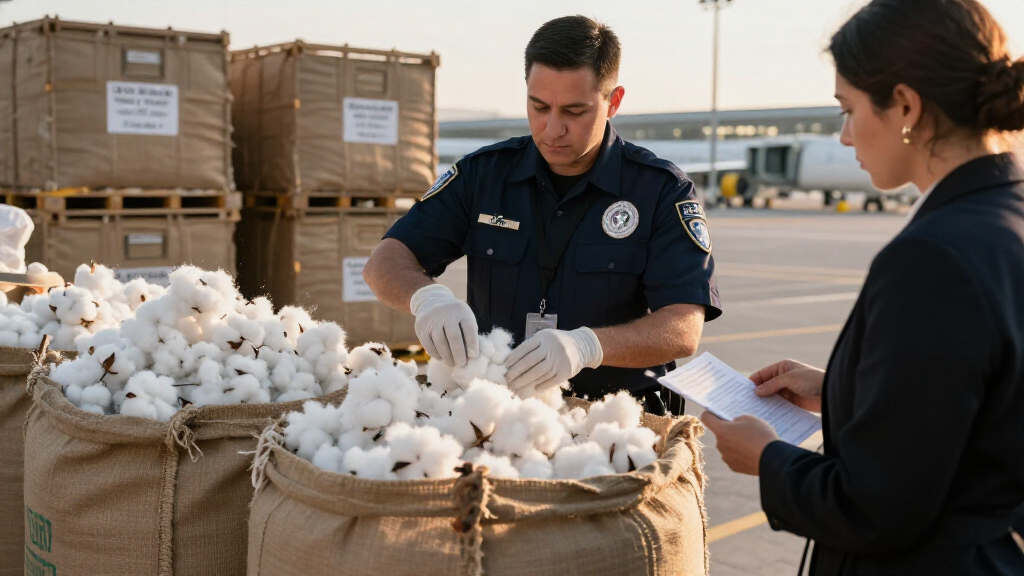
U.S. Customs and Border Protection (CBP) officers at Dulles International Airport have seized 440 pounds of unprocessed cotton. The seizure underscores CBP’s ongoing efforts to enforce import regulations and prevent illegal or unauthorized goods from entering the U.S.
U.S. Customs and Border Protection (CBP) officers at Dulles International Airport have confiscated 440 pounds of unprocessed cotton. The seizure was made during routine inspection procedures and is part of ongoing efforts to enforce import regulations and prevent illegal goods from entering the United States. The incident highlights CBP’s active role in monitoring international shipments for compliance and security.

Get beauty and skincare favorites delivered free with Prime
- Fast, free delivery on millions of items
- Prime Video, Amazon Music and more included
- Member-only deals all year
According to CBP officials, the unprocessed cotton was discovered during a routine inspection of a shipment arriving at Dulles Airport. The shipment originated from an unspecified foreign country and was declared as general merchandise. CBP officers determined that the cotton did not meet U.S. import requirements, leading to its confiscation. The shipment was labeled as unprocessed cotton, which is subject to specific regulations to prevent the spread of pests, diseases, or illegal trade.
The seized cotton weighs approximately 440 pounds, roughly equivalent to 200 kilograms. No arrests or charges have been reported at this stage, and the importer has not been publicly identified. CBP officials emphasized that the seizure was part of their ongoing efforts to enforce import laws and protect domestic agriculture and industry.
Implications for Import Regulations and Agricultural Security
This seizure underscores the importance of strict enforcement of import regulations to prevent the entry of unregulated agricultural products. Unprocessed cotton can carry pests or diseases that threaten U.S. agriculture, and improper imports can also facilitate illegal trade or counterfeit goods. CBP’s actions at Dulles reflect broader efforts to safeguard domestic industries and maintain border security.
Popular right now

Roborock Qrevo S Pro Robot Vacuum and Mop with 18,500 Pa Suction

Dyson V15s Detect Submarine Wet and Dry Vacuum, Yellow/Nickel

De'Longhi Magnifica Evo Automatic Espresso Machine with Milk Frother, Silver
As an affiliate, we earn on qualifying purchases.
Recent CBP Enforcement Actions at Major U.S. Ports
CBP has increased its inspection and seizure activities in recent months, particularly at major international airports and ports, as part of a broader initiative to combat illegal imports and protect American agriculture. Similar seizures have involved other agricultural commodities, including plants, seeds, and raw materials, often related to concerns over pests, diseases, or illegal trade.
The agency’s focus on commodities like cotton is driven by the potential risks associated with unregulated imports, which can introduce invasive species or undermine domestic markets. The Dulles seizure is part of this ongoing pattern of enforcement, which aims to prevent economic and ecological harm.
“The seizure of unprocessed cotton is part of our ongoing commitment to enforcing import laws and protecting U.S. agriculture from pests and illegal trade.”
— CBP Spokesperson
Details on Origin and Importer Still Unclear
It is not yet confirmed which country the cotton originated from or the identity of the importer. Authorities have not disclosed whether the shipment was intended for commercial distribution or personal use. Further investigation is ongoing to determine if any laws were violated beyond the initial seizure.
Next Steps in the Investigation and Enforcement Process
CBP officials will conduct further analysis of the seized cotton and examine shipment documentation. They may pursue legal action or penalties if violations are confirmed. The agency also plans to review import procedures and collaborate with other agencies to strengthen compliance checks at Dulles and other ports.
Key Questions
Why was the cotton seized?
The cotton was seized because it did not meet U.S. import regulations and could pose risks such as pests, diseases, or illegal trade concerns.
Could this cotton have been for commercial use?
It is currently unclear whether the shipment was intended for commercial distribution or personal use, as investigations are ongoing.
What are the risks of importing unprocessed cotton?
Unprocessed cotton can carry pests or diseases that threaten U.S. agriculture and can be used in illegal trade or counterfeit goods.
Will the importer face charges?
It is not yet confirmed whether legal action will be taken. Authorities are still investigating the origin and intent of the shipment.
How common are such seizures?
CBP regularly conducts inspections and seizures of agricultural commodities, especially at major ports, to enforce import laws and protect domestic industries.
Source: rss