
TL;DR
Prime for Young Adults — start your free trial
Fast free delivery, streaming and member deals for eligible 18–24 year olds.
Try it freeAs an affiliate, we earn on qualifying purchases.
Conductive gels are crucial for transmitting microcurrent safely and effectively into the skin. They hydrate, reduce discomfort, and improve results, making the choice of gel just as important as device settings. Proper reapplication and ingredient awareness are key to maximizing benefits.
When you think about microcurrent treatments, the device often steals the spotlight. But beneath the surface, a simple, transparent medium makes all the difference: the conductive gel. It’s the unsung hero, quietly ensuring your device’s electrical signals reach deep into your skin without causing discomfort or uneven results.
Without it, the current concentrates at contact points, risking stinging sensations or redness. The right gel hydrates your skin, lowers impedance, and creates a smooth path for those tiny electrical currents mimicking your body’s natural signals. Today, we’ll explore what makes a good conductive gel, how to choose one wisely, and what recent trends are shaping this essential accessory.
Choose water-based, electrolyte-rich gels for optimal current transmission.
Avoid oils, silicones, or thick occlusives that block conduction and may cause irritation.
Reapply gel during treatments to maintain low impedance and consistent results.
Proprietary device gels are safest, but aloe vera or ultrasound gels can serve as budget-friendly options.
Stay updated on trends like leave-on serums and conductive sheet masks to enhance your microcurrent experience.
Why Conductive Gels Are the Heart of Microcurrent Success
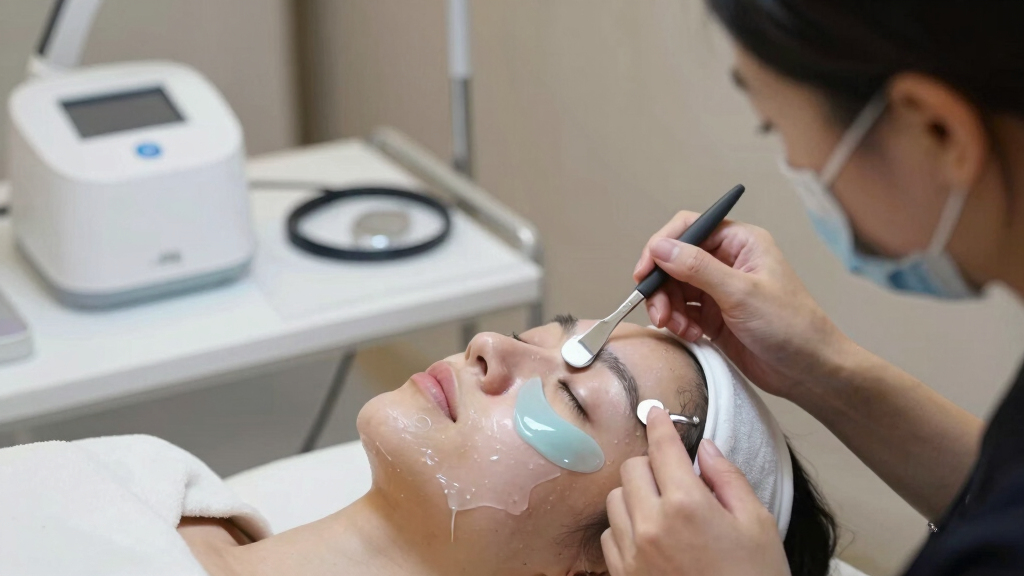
Conductive gels act as the bridge between your device and your skin. Think of them as the conductor in an orchestra — without proper contact, the music (or in this case, the microcurrent) falters. The gel’s primary role is to evenly distribute current, preventing hotspots that can cause tingling or discomfort.
Imagine trying to water a garden with a leaky hose. The water spills unevenly, and some plants get too much while others get none. The gel keeps the current flowing smoothly, reaching every part of your face evenly. This uniformity enhances the treatment’s ability to stimulate ATP production, encourage muscle tone, and promote lymphatic drainage — all subtle benefits that build over repeated sessions.
Research shows that dry or poorly conductive skin can increase impedance by over 50%, reducing the device’s effectiveness. Hydration from the gel doesn’t just feel better — it’s a game-changer for consistent results.
Deepening this understanding reveals why the choice of gel can make or break your microcurrent routine. Poor conduction leads to uneven stimulation, which may cause some areas to respond less or even become irritated. Conversely, optimal conduction ensures that electrical signals penetrate uniformly, maximizing benefits like collagen stimulation and muscle toning. The tradeoff is that some gels, if too thick or occlusive, can create a barrier that impedes current flow, so balancing hydration with conductivity is key.
As an affiliate, we earn on qualifying purchases.
What Are the Best Ingredients in Conductive Gels? Stick to These, and Avoid These
Effective gels are water-based with electrolytes like salts, minerals, or amino acids. These ingredients enable ionic conduction, letting electrical signals pass with minimal resistance. The presence of electrolytes is crucial because they facilitate the movement of ions, which are the actual carriers of electrical current in biological tissues. Without sufficient ionic content, the current may be uneven or weak, reducing the efficacy of your treatment.
Common bases include glycerin, aloe, hyaluronic acid, and seaweed extracts — all hydrating and skin-friendly. These ingredients not only support good conductivity but also nourish and soothe the skin, reducing irritation and enhancing comfort during treatments.
Watch out for oils, silicones, or thick occlusives. They create a barrier that blocks current and can even cause skin irritation under electrical stimulation. For example, petroleum jelly or heavy silicone serums may feel slick but disrupt conduction, leading to uneven treatment results or discomfort. The tradeoff here is that some occlusive ingredients might prolong hydration, but at the expense of conductivity. Therefore, balancing hydration with ionic conduction is essential for optimal outcomes.
Some formulations include peptides, antioxidants, or growth factors, aiming to merge microcurrent with skincare. While promising, their conductivity depends on formulation details, so check if these actives are compatible with your device. Incorporating actives that don’t interfere with conduction can enhance the overall benefit, but if they hinder ionic flow, they can diminish treatment effectiveness.
According to BellaPiu, a well-formulated gel should have a pH close to skin-neutral (around 5.5) to avoid irritation, especially for sensitive skin. Maintaining a balanced pH supports skin health and ensures the gel remains compatible with your body’s natural environment, which is vital for prolonged use and consistent results.
As an affiliate, we earn on qualifying purchases.
How to Choose the Right Conductive Gel for Your Routine
- Identify your device’s recommendations. Many brands like NuFACE or ZIIP sell proprietary gels designed for their devices. Using these ensures compatibility and optimal performance, as they are formulated to match device specifications and electrical parameters.
- Check ingredients for water-based, electrolyte-rich formulas. Avoid oils or silicones unless specified as safe for your device. This reduces the risk of impedance issues and ensures effective current transmission.
- Reap the benefits of simplicity. A pure aloe vera gel or ultrasound gel can work as budget-friendly alternatives, but always patch test first. Understanding that these options are more basic helps you weigh their benefits versus potential conductivity limitations.
- Monitor how your skin responds. If you notice redness or stinging, reapply gel or switch to a gentler formulation. This feedback loop is crucial because skin sensitivity can vary, and adjusting your choice helps prevent irritation or discomfort, which can compromise results.
- Reapply during treatments. Water-based gels dry out quickly, especially in heated rooms or on dry skin, raising impedance and reducing effectiveness. Regular reapplication ensures consistent contact and electrical flow, which is vital for achieving desired results over multiple sessions.
For instance, many at-home users find that a small dollop of aloe vera or a dedicated proprietary serum provides smooth conduction without irritation. Recognizing the importance of proper gel application and reapplication can make the difference between mediocre and optimal outcomes.
water-based conductive gel for microcurrent
As an affiliate, we earn on qualifying purchases.
As an affiliate, we earn on qualifying purchases.
The Trends Shaping Conductive Gels: Stay Ahead of the Curve
New formulations are blending skincare with conductivity. Think of serums infused with peptides, growth factors, or NAD+ precursors, designed to stay on skin after the session. These ‘leave-on’ products aim to maximize benefits by providing ongoing nourishment and stimulation, but their effectiveness depends heavily on formulation stability and skin compatibility. While promising, clinical evidence supporting these claims is still emerging, so consumers should approach with informed caution.
Clean, simple formulas are gaining popularity. Consumers want gels free of oils, silicones, and occlusives that block current. Brands now market ‘microcurrent-specific’ serums that double as skincare, reflecting a shift toward multifunctional products that combine treatment and hydration. This trend emphasizes convenience but also highlights the importance of understanding ingredient interactions to avoid compromising conductivity.
Interestingly, sheet masks with conductive properties are emerging as a mess-free alternative. Imagine applying a hydrogel sheet infused with hyaluronic acid and peptides, then running your device over it — a seamless combo of treatment and hydration. This innovation points to a future where ease of use and effectiveness are balanced, expanding options for different preferences and skin types.
According to BellaPiu, at-home device users are increasingly exploring these trends, but always verify ingredient safety and device compatibility before trying out new formats. The key is to stay informed and cautious, ensuring that new products enhance rather than hinder your microcurrent routine.
microcurrent device gel replacement
As an affiliate, we earn on qualifying purchases.
As an affiliate, we earn on qualifying purchases.
Your Top Questions About Conductive Gels — Answered
- Can I use something other than the brand’s gel? Yes, aloe vera, ultrasound gel, or hyaluronic serums can work, but always check ingredients and patch test first. Be aware that substitutes may not always offer the same ionic conductivity or skin compatibility, which can affect treatment efficacy and comfort.
- Why does my device sting or zap? Likely insufficient or dried gel or too-high intensity. Reapply gel and lower device settings. Understanding the cause helps prevent discomfort and ensures your treatment remains safe and effective.
- Do I really need gel, or can I use damp skin? Water alone conducts poorly and evaporates fast. Gel is essential for consistent conduction. Skipping this step can lead to uneven stimulation, reducing benefits and increasing the risk of irritation.
- What ingredients should I avoid? Oils, silicones, and occlusives that block current or irritate skin, especially under electrical stimulation. These ingredients can create impedance and diminish treatment effectiveness, so reading labels carefully is vital.
- Can microcurrent push skincare ingredients deeper? Partially, through iontophoresis, but claims are often exaggerated. Use specialized products for that purpose. Recognizing the limits of microcurrent helps set realistic expectations and guides appropriate product use.
Conclusion
The gel isn’t just a slippery accessory — it’s the silent partner that makes microcurrent work smoothly, safely, and effectively. Paying attention to ingredients, application, and reapplication turns a good routine into a great one.
Next time you set up your device, remember: a well-chosen gel is your best ally. Treat it like the vital link it truly is, and your results will thank you with visible, consistent improvements.
Flea & tick season Picks
flea and tick prevention
As an affiliate, we earn on qualifying purchases.