TL;DR
Get ready for Prime Big Deal Days — try Prime free
Exclusive member deals on October 6–7, plus fast free delivery. Cancel anytime.
Start your free trialAs an affiliate, we earn on qualifying purchases.
Cleaning your LED mask regularly prevents bacteria buildup and keeps it working well. Use gentle, non-abrasive methods, avoid getting electronic parts wet, and follow manufacturer instructions to avoid damage.
Always turn off and unplug your LED mask before cleaning to prevent electrical damage.
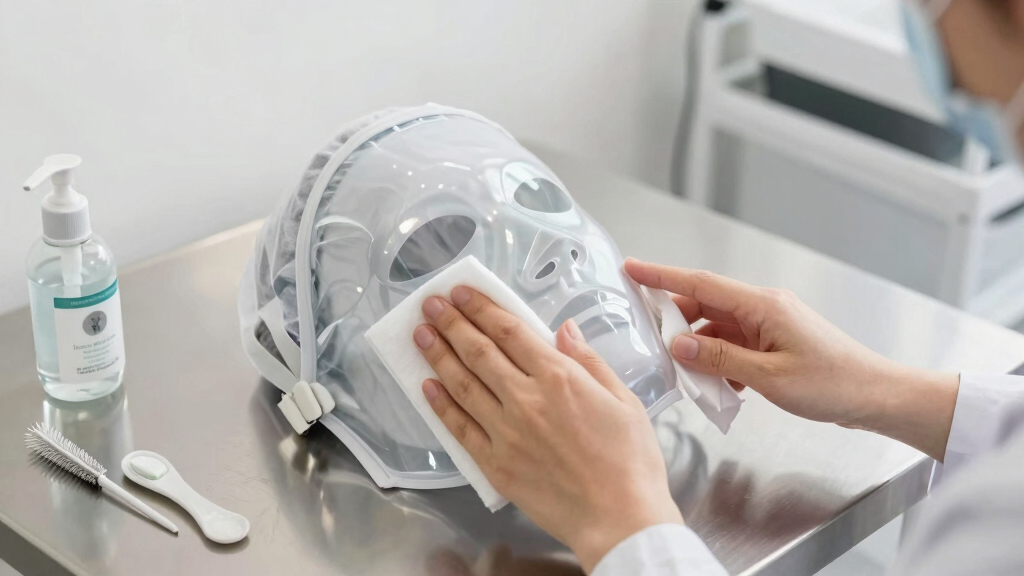
Use a soft, damp cloth with a mild, alcohol-free cleanser for exterior surfaces.
Avoid soaking the device or getting moisture into electronic parts—keep water away from openings.
Clean removable parts separately and let them dry thoroughly before reassembling.
Follow manufacturer instructions for cleaning to avoid voiding warranties or damaging sensitive components.
How to Clean an LED Mask
A gentle, precise routine keeps bacteria at bay, protects delicate electronics and preserves your beauty-tech investment. The rule is simple: clean the skin-contact surfaces without letting moisture reach the circuitry.
A skincare surface wrapped around electronics
Unlike a simple facial roller, an LED mask combines skin-contact materials, light emitters, seams, ports and wiring. Effective care must balance hygiene with moisture control.
Silicone or plastic
These materials benefit from mild cleaning but can cloud, crack or discolor when exposed to harsh solvents and repeated scrubbing.
LEDs and circuitry
Openings, seams and charging ports must stay dry. Trapped moisture can contribute to corrosion, malfunction or electrical damage.
Oil and residue
Sweat, skincare products and skin oils collect on the mask. Cleaning after each use prevents residue from becoming a hygiene issue.
The six-step safe-clean routine
Work lightly and deliberately. Manufacturer instructions take priority, especially when a model has a proprietary coating, removable liner or specific disinfectant requirements.
Power down
Turn off, unplug and disconnect the controller.
Detach parts
Remove washable covers, straps or silicone inserts.
Dampen cloth
Use mild soap or an approved alcohol-free cleaner.
Wipe gently
Clean skin-contact surfaces, avoiding ports and seams.
Dry fully
Remove residual moisture with a clean, dry cloth.
Store safely
Keep it dry, clean and away from direct sunlight.
The cloth should feel lightly damp—not wet. Never pour or spray cleaner directly onto the mask, and do not press liquid toward openings.
Choose the least aggressive effective method
For most masks, a soft cloth and mild cleaner provide the best balance. Specialized disinfection should only be used when compatible with the device.
| Method | Verdict | Advantages | Tradeoffs | Best use |
|---|---|---|---|---|
| Soft cloth + mild soap | ✓ Best | Gentle, affordable and effective for routine residue. | Cloth must not be oversaturated. | Regular cleaning after use. |
| Alcohol-free wipe | ✓ Good | Fast, convenient surface hygiene. | Must be electronics-compatible; residue can build up. | Occasional approved disinfection. |
| Washable parts | ✓ Ideal | High hygiene with low electronic risk. | Requires removal and complete drying. | Straps, liners and detachable silicone. |
| UV-C system | ~ Check | May supplement manual surface cleaning. | Costly and unsuitable for some materials or models. | Only manufacturer-approved systems. |
| Alcohol or harsh spray | ✗ Avoid | Rapid application. | May degrade materials, coatings and electronics. | Only if explicitly approved. |
| Water immersion | ✗ Never | No practical advantage for most devices. | High risk of corrosion and irreversible damage. | Waterproof models only, per instructions. |
Four mistakes that shorten mask life
Most cleaning damage comes from excess liquid, incompatible chemicals, abrasive pressure or reassembling components before they are dry.
Submerging the mask
Water can migrate through seams and ports into circuitry, even when the exterior appears sealed.
Using alcohol freely
Repeated exposure may dry, discolor or crack silicone and plastic or damage protective coatings.
Scrubbing hard
Abrasive pads and excessive pressure can scratch surfaces and affect clarity around the LEDs.
Storing while damp
Residual moisture encourages buildup and may work into openings during storage.
Small routine, connected benefits
Consistent cleaning does more than improve appearance. Each step supports the next outcome, from cleaner contact surfaces to longer-term device reliability.
Frequently asked questions
When in doubt, choose less moisture and consult the manual. A device-specific instruction always overrides general cleaning advice.
Can I use alcohol or disinfectant spray?
Avoid alcohol unless explicitly approved. Choose an alcohol-free, electronics-compatible product and apply it to a cloth—not directly to the mask.
How often should I clean the mask?
Clean skin-contact surfaces after every use, particularly when the mask is used daily or over skincare products.
Can the electronic parts get wet?
No. Keep ports, controllers, connectors, seams and internal electronics dry. Use only a lightly damp cloth on approved exterior surfaces.
Can I submerge the entire mask?
Usually not. Only immerse a device if its manufacturer specifically identifies it as waterproof and provides immersion instructions.
What about removable parts?
Wash approved removable components separately with mild soap and water, then allow them to dry completely before reassembly.
Do antimicrobial coatings replace cleaning?
No. Coatings may help limit growth, but routine removal of oil, residue and debris is still necessary.
Gentle. Precise. Consistent.
Power down, wipe lightly, protect every opening and let the mask dry completely. A few careful minutes after each use protect both your skin and your investment.
What makes cleaning an LED mask different from other beauty devices
Unlike traditional skincare tools, LED masks combine electronic components with soft, silicone or plastic surfaces. This means you need a cleaning approach that’s gentle yet effective.
Using harsh chemicals or excessive moisture risks damaging the delicate LED lights or electronics. Think of your mask as a fine piece of jewelry—clean it with care, and it will serve you well for years.
As an affiliate, we earn on qualifying purchases.
Step-by-step: How to clean your LED mask without damaging it
- Power off and unplug your device before cleaning. Safety first.
- Remove any detachable parts such as silicone covers or removable masks. Wash these separately with mild soap and water.
- Dampen a soft cloth with a gentle, alcohol-free cleaner or a mild facial cleanser. Never soak the cloth.
- Gently wipe the exterior, avoiding any openings or electronic areas. Remember, applying too much pressure or using abrasive materials can scratch or damage sensitive surfaces, reducing the device’s effectiveness and potentially creating pathways for moisture ingress.
- Use a dry cloth to wipe off excess moisture and ensure all surfaces are dry.
- Disinfect with a suitable alcohol-free disinfectant wipe if desired, then dry thoroughly.
- Store in a clean, dry place away from direct sunlight.
electric facial device disinfectant wipes
As an affiliate, we earn on qualifying purchases.
As an affiliate, we earn on qualifying purchases.
Common mistakes to avoid when cleaning your LED mask
Many users accidentally damage their masks by using harsh chemicals, excessive water, or scrubbing too hard. These actions can compromise the integrity of the device’s electronic components or degrade the materials over time, leading to reduced performance or the need for costly repairs. Avoid alcohol-based disinfectants unless explicitly approved, as they can degrade plastic and silicone, causing cracks or discoloration. Overly aggressive cleaning can also scratch or weaken the surface, affecting the mask’s light output and overall effectiveness.
Never submerge the entire device unless the manufacturer states it’s waterproof. Remember, electronic parts are sensitive to moisture and should remain dry. Excess moisture can seep into seams or ports, leading to corrosion or malfunction, ultimately shortening your device’s lifespan and risking skin irritation from residual moisture.
As an affiliate, we earn on qualifying purchases.
Compare cleaning options: What works best for your LED mask
| Method | Pros | Cons |
|---|---|---|
| Soft cloth + mild soap | Gentle, effective, affordable | Requires careful application to avoid excess moisture |
| Disinfectant wipes (alcohol-free) | Convenient, quick, ensures surface hygiene | Must be compatible with electronics; overuse may cause residue buildup |
| Removable washable parts | High hygiene, easy to maintain, reduces risk of electronic damage | Additional steps needed; drying time varies |
| UV-C sterilization (if available) | Deep disinfecting, kills bacteria and viruses effectively | Expensive, not suitable for all models, requires careful handling |
Choosing the right method depends on your device’s features and your routine. Combining gentle cleaning with occasional disinfecting helps maintain optimal hygiene without risking damage. Understanding the tradeoffs—such as convenience versus potential residue or cost—enables you to select the best approach for your needs.
As an affiliate, we earn on qualifying purchases.
Frequently Asked Questions
Can I use alcohol or disinfectant sprays on my LED mask?
It’s best to avoid alcohol-based cleaners unless the manufacturer explicitly approves. Stick to gentle, alcohol-free disinfectants or wipes designed for electronics to prevent damage.How often should I clean my LED mask?
Cleaning after every use is ideal, especially if you wear it daily. Regular cleaning prevents bacteria buildup and prolongs the device’s lifespan.Is it safe to get the electronic parts wet?
No, electronic parts should stay dry. Use a damp cloth for external surfaces only, and never immerse or spray liquids directly onto the device.Can I submerge my LED mask in water?
Most masks are not waterproof unless specified. Check your manufacturer’s instructions—submerging can cause irreversible damage.What if my mask has removable parts?
Remove and wash these parts with mild soap and water. Let them dry completely before reassembling to maintain hygiene and device integrity.Conclusion
Your LED mask deserves gentle, consistent care. Think of it as a delicate piece of art—clean it with respect, and it will serve you beautifully for years. A few minutes of careful maintenance protect both your skin and your investment, keeping your glow radiant and safe.NFL season / tailgating Picks
team gear
As an affiliate, we earn on qualifying purchases.