TL;DR
Listen free for 30 days with Audible
Thousands of audiobooks and originals — cancel anytime.
Start your free trialAs an affiliate, we earn on qualifying purchases.
Retinol and LED masks can be used together, but timing and skin sensitivity matter. Applying retinol at night and using the LED mask at a different time minimizes irritation and maximizes benefits.
Imagine boosting your skin renewal routine with two powerful tools—retinol and LED therapy—working in harmony. But before you combine them, ask yourself: is it safe? Can they amplify each other’s benefits or cause irritation? This guide walks you through what you need to know to make these treatments work together confidently.
Whether you’re aiming to fight aging, reduce acne, or simply enhance your glow, understanding how retinol and LED masks interact can help you craft a smarter skincare routine. Let’s explore the compatibility, timing tips, risks, and real-world scenarios so you get the best results without unnecessary sensitivity.
Retinol and LED therapy can complement each other but require proper timing to avoid irritation.
Always apply retinol at night and wait several hours before using an LED mask to reduce sensitivity.
Start with lower concentrations and shorter sessions—gradually increase as your skin tolerates.
Protect your skin from UV exposure daily, as both treatments can increase photosensitivity.
Consult a skincare professional if you have sensitive or reactive skin before combining these treatments.
Can You Use Retinol With an LED Mask?
Yes—but timing and tolerance matter. Retinol supports cell turnover while LED therapy targets concerns through specific light wavelengths. Separating the treatments helps preserve their potential benefits without unnecessarily stressing the skin barrier.
Two different tools, one shared recovery budget
The combination is not automatically unsafe. The deciding factor is whether your skin can absorb the combined stress without persistent redness, dryness, or peeling.
Renews from the surface inward
A vitamin A derivative that supports cell turnover and collagen production. Early use may bring dryness, flaking, or temporary sensitivity.
Uses targeted wavelengths
Red and near-infrared light are associated with cellular activity and recovery; blue light is commonly used in acne-focused routines. Device quality and directions matter.
Potentially complementary
LED may support healing and collagen pathways while retinol accelerates renewal. The theory is promising, but optimal timing and frequency remain unsettled.
A low-friction way to separate the treatments
A practical schedule lets each treatment do its job while giving the skin barrier time to settle. Clean, dry skin and gradual progression are the anchors.
Use a gentle cleanser and allow skin to dry fully before applying retinol.
Begin with a low concentration and a modest weekly frequency.
Do not proceed if the skin feels hot, tight, unusually dry, or irritated.
Follow device guidance, moisturize, and finish daytime care with sunscreen.
Choose the routine your skin can tolerate
“Can I?” is only half the question. The more useful question is: “What is the safest timing for my current skin condition?”
| Scenario | Same moment | Same day, separated | Alternate days | Best next move |
|---|---|---|---|---|
| New to retinol | ✗ | ~ | ✓ Preferred | Establish tolerance before combining. |
| Stable, resilient skin | ~ | ✓ 4–6 hours apart | ✓ | Start with shorter LED sessions. |
| Dry, red, or peeling | ✗ | ✗ | ~ | Pause actives and prioritize barrier care. |
| Reactive skin condition | ✗ | ~ | ~ Seek advice | Consult a dermatologist before combining. |
| Using prescription retinoids | ✗ | ~ | ~ Clinician-led | Follow the prescriber’s guidance. |
Watch the barrier—not just the calendar
Spacing lowers cumulative stress, but timing alone cannot rescue an overloaded routine. Skin signals should override the schedule.
Stop signs
Reduce frequency, shorten sessions, or pause treatment if these reactions persist or intensify.
- Burning, pronounced warmth, or a “fiery” flush
- Increasing redness, tightness, or tenderness
- Persistent peeling, cracking, or flaky patches
- New inflammation or worsening breakouts
Interpretation: protection and recovery habits should be established before increasing treatment intensity. Bars communicate priority, not clinical effect size.
Progress through consistency, not intensity
Patch test first, change one variable at a time, and observe your skin for one to two weeks before increasing frequency or duration.
A cautious starting week
Illustrative spacing for someone who already tolerates both products individually.
What research suggests
Promising, not standardizedRed and near-infrared light may support mitochondrial activity, collagen pathways, and recovery. Retinol promotes turnover and collagen production through a different mechanism. The combination may be complementary, but research has not yet established a universal protocol for wavelength, timing, or frequency.
Are Retinol and LED Masks Naturally Compatible? Here’s What You Need to Know
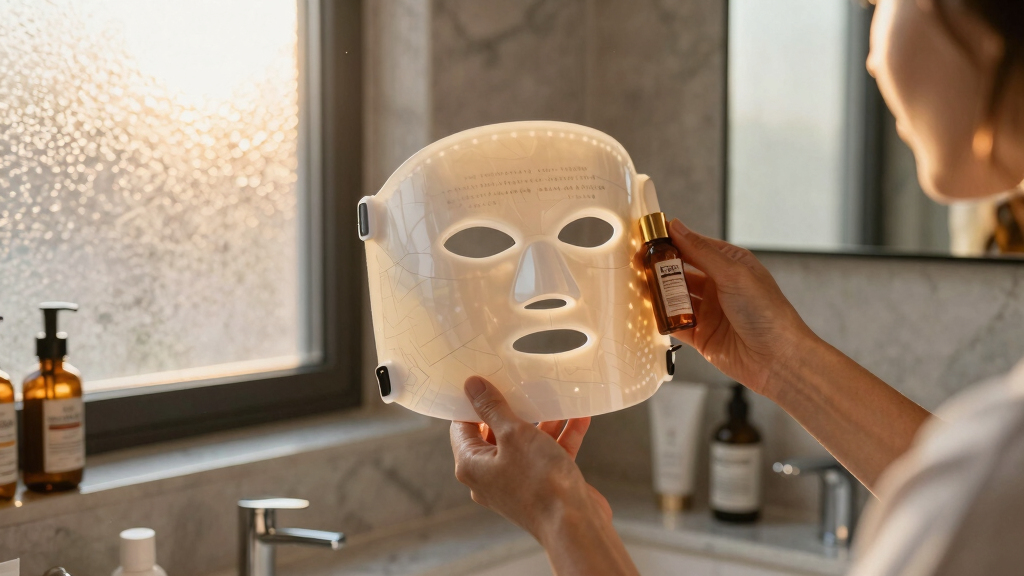
Retinol is a powerful vitamin A derivative that speeds up cell turnover and stimulates collagen. LED masks use specific wavelengths of light—red, blue, or near-infrared—to target skin concerns gently. When combined, these treatments can potentially enhance each other’s effects, but compatibility depends on timing and skin response.
For example, a person with mature skin might see improved firmness when using retinol combined with red LED light. However, because retinol can cause dryness and irritation, applying it immediately before or after LED therapy might increase discomfort, especially for sensitive skin types.
Most experts agree that while they can be complementary, their use requires caution—particularly around sensitive skin or initial retinol use. Starting slow helps your skin adapt and prevents setbacks like redness or peeling.
Deep understanding of their interaction reveals that retinol increases skin cell turnover, which can temporarily weaken the skin barrier, making it more susceptible to irritation from light therapy if not timed properly. Conversely, LED light can enhance cellular energy and promote healing, potentially amplifying retinol’s effects. This synergy is promising but requires careful management to avoid overstressing the skin, which could lead to increased sensitivity or damage.
As an affiliate, we earn on qualifying purchases.
How to Safely Combine Retinol and LED Masks in Your Routine
- Apply retinol at night—preferably after cleansing and drying your skin thoroughly. This ensures the retinol penetrates effectively while minimizing the risk of irritation from environmental factors.
- Wait at least 4–6 hours or until any redness or dryness subsides before using the LED mask. This waiting period allows the skin’s barrier to recover, reducing the likelihood of overstimulation or irritation.
- Use the LED mask during the day or at a different time (morning or early afternoon), especially if your skin feels sensitive after retinol. Separating treatments helps your skin adapt and prevents cumulative irritation.
- Start with shorter LED sessions (10-15 minutes) and lower retinol concentrations. Gradually increase the intensity and duration as your skin builds tolerance, which helps prevent adverse reactions and promotes long-term benefits.
- Always patch test new combinations and observe how your skin reacts over a week or two. Monitoring your skin’s response guides adjustments and ensures safety.
For instance, applying retinol around 10 p.m., then using the LED mask at 8 a.m. the next day, allows your skin to recover and maximizes each treatment’s benefits. This approach minimizes the risk of irritation while enhancing overall skin health.
Remember: consistency is key, but so is listening to your skin’s signals. If you notice increased dryness, redness, or peeling, reduce the frequency or intensity of treatments. Patience and gentle progression are essential for safe, effective results.
As an affiliate, we earn on qualifying purchases.
What Are the Risks of Combining Retinol and LED Therapy? Avoid These Common Pitfalls
Retinol can increase your skin’s sensitivity to light and UV damage by thinning the outer layer and promoting cell turnover. This heightened sensitivity means that applying an LED mask immediately afterward or without proper timing can intensify redness, peeling, and discomfort—especially in sensitive or reactive skin types.
Failure to account for these effects may lead to overexposure, which can compromise the skin’s barrier, cause inflammation, or trigger breakouts. For example, a person with reactive skin might experience a fiery flush or flaky patches after combining treatments without adequate spacing, which can set back skin recovery and diminish overall results.
To mitigate these risks, always patch test new combinations, start with lower retinol concentrations, and space out treatments by several hours or days. Listening to your skin’s signals is crucial; persistent discomfort or irritation indicates that your routine needs adjustment. Consulting a dermatologist can provide personalized guidance based on your skin’s unique response, ensuring safe and effective use of both therapies.
retinol and LED therapy compatible devices
As an affiliate, we earn on qualifying purchases.
As an affiliate, we earn on qualifying purchases.
Do Light Therapy and Retinol Really Boost Each Other? What the Latest Research Says
Recent research indicates that light therapy, particularly red and near-infrared wavelengths, stimulates mitochondrial activity in skin cells, leading to increased collagen production and faster healing. When combined with retinol’s ability to accelerate cell turnover, these effects may synergize, resulting in more noticeable improvements in skin firmness, texture, and wrinkle reduction.
Understanding this interaction is important because it highlights a potential for enhanced efficacy—if managed correctly. For example, a small clinical trial observed that participants using both treatments experienced greater skin tightening and fewer fine lines after 8 weeks compared to those using either alone. This suggests that light therapy can support retinol’s regenerative process, possibly reducing the time needed for visible results.
However, the evidence is still emerging, and researchers emphasize that optimal protocols—including timing, wavelength, and treatment frequency—are yet to be standardized. Some brands are now developing integrated devices that combine LED light with retinol-compatible formulations, aiming to maximize benefits while minimizing risks. This trend underscores the growing understanding that when used thoughtfully, these treatments can work together effectively, but caution remains essential.
As an affiliate, we earn on qualifying purchases.
Best Practices for Using Retinol and LED Masks Without Burning Out Your Skin
- Limit retinol use to 2–3 times a week when starting out, gradually increasing as tolerated. This cautious approach prevents overloading your skin’s recovery capacity, reducing the risk of irritation or barrier disruption.
- Use the LED mask 3–4 times a week, ideally during the day or at least 4 hours after retinol application. Proper spacing allows your skin to benefit from each treatment without compounding stress or sensitivity.
- Always hydrate well and apply soothing serums or moisturizers after treatments to support skin barrier repair and reduce dryness.
- Protect your skin with broad-spectrum sunscreen daily—retinol and light therapy can increase photosensitivity, making your skin more prone to UV damage. Consistent sun protection is vital for maintaining results and preventing premature aging.
- Listen to your skin; reduce frequency or intensity if you notice dryness, redness, or irritation. Adjustments help your skin adapt and avoid setbacks, ensuring long-term progress.
For example, a typical routine might involve retinol on Monday, Wednesday, Friday nights, with LED sessions on Tuesday, Thursday, and Saturday mornings. This balanced schedule provides enough recovery time, fostering healthy skin renewal while minimizing adverse reactions. Patience and attentiveness to your skin’s signals are key to sustainable, effective results.
Frequently Asked Questions
Can I use retinol and an LED mask on the same day?
It’s best to separate their use—apply retinol at night and wait several hours or use the LED mask at a different time of day. This reduces the risk of irritation and allows your skin to recover.
Will combining these treatments cause more irritation than using them separately?
Potentially, especially for sensitive skin. Starting with lower concentrations and longer intervals between treatments helps your skin build tolerance and avoids setbacks like redness or peeling.
Is it safe to use retinol before or after LED therapy?
Most experts recommend applying retinol at night, then using the LED mask during the day or at least 4 hours later. Always listen to your skin and adjust based on its response.
Can light therapy enhance the effects of retinol?
Emerging evidence suggests that light therapy can promote collagen synthesis, potentially boosting retinol’s skin-renewing effects. But more research is needed for definitive protocols.
How long should I wait between retinol application and LED mask use?
Waiting at least 4–6 hours after applying retinol is advisable. Alternatively, use them on alternating days to minimize irritation and maximize benefits.
Conclusion
Pairing retinol with an LED mask offers exciting potential for skin renewal—but always prioritize your skin’s response. Timing, patience, and gentle adjustments are your best allies.
Picture your skin as a delicate garden—nourish it with care, and these powerful tools can help it flourish. Think of your routine as a symphony, where each instrument plays its part at the right moment for harmony.
Flea & tick season Picks
flea and tick prevention
As an affiliate, we earn on qualifying purchases.