
TL;DR
Listen free for 30 days with Audible
Thousands of audiobooks and originals — cancel anytime.
Start your free trialAs an affiliate, we earn on qualifying purchases.
Microcurrent devices use low electrical currents to stimulate muscles and boost collagen, offering a gentle, non-invasive way to improve neck firmness. Regular treatments can help reduce sagging, but results vary and maintenance is key.
Imagine a treatment that lifts and tightens your neck without any needles or downtime. Microcurrent devices have become a go-to for those seeking subtle, natural enhancements. If you’ve ever wondered whether a simple device could support your skin’s firmness, you’re about to learn what makes microcurrent an intriguing option.
This article walks through what microcurrent therapy really is, how it works on the neck, recent technological shifts, and what you should know before trying it. Whether you’re considering professional sessions or a sleek at-home device, understanding the essentials helps you make smart choices.
Microcurrent devices gently stimulate muscles and promote collagen, supporting natural neck lifting.
Consistency over several weeks is essential—think of it like regular exercise for your skin.
Advanced devices now include AI and multi-modal features, tailoring treatments to your needs.
Results are subtle but can be enhanced with proper skincare and professional guidance.
Always consider safety, especially if you have certain health conditions or skin sensitivities.
Microcurrent Devices for Neck Rejuvenation
A low-level electrical treatment designed to gently stimulate muscles and cellular activity. It may support a firmer, smoother-looking neck—but the lift is subtle, consistency matters, and maintenance is part of the plan.
What the current is designed to do
Microcurrent devices send gentle electrical pulses through conductive gel into targeted neck and jawline areas. The proposed effects span muscle stimulation, cellular energy support, and structural-protein activity.
Encourage tone
Low-level pulses stimulate muscle fibers beneath the skin, creating a temporary lifting effect and supporting the appearance of better-defined contours.
Support ATP activity
Microcurrent is associated with increased cellular activity. ATP supplies energy used in repair processes, although individual cosmetic outcomes vary.
Promote resilience
Stimulation may support fibroblast activity and the production of collagen and elastin—the proteins linked to firmness, flexibility, and texture.
From clean skin to maintenance
Technique matters. Follow the specific device instructions, avoid the central throat and thyroid area unless professional guidance explicitly permits treatment there, and never use a dry device head.
Cleanse
Remove makeup, oil, and products that may interfere with conductivity.
Apply gel
Use a compatible conductive gel or serum across the treatment zone.
Map contours
Target the jawline, under-chin area, and lateral neck as directed.
Glide slowly
Use controlled upward passes without lingering or pressing hard.
Repeat
Build a consistent series, then shift to maintenance sessions.
Changes build gradually and may fade as tissues return toward baseline when regular stimulation stops.
Where microcurrent fits
The strongest use case is gentle upkeep for mild or early sagging. More pronounced laxity may call for energy-based procedures, combination treatment, or a surgical consultation.
Relative treatment profile
Directional comparison—not a clinical effectiveness score.
A realistic timeline
Some people notice a temporary post-session lift; meaningful assessment should wait until a consistent series is complete.
Immediate feel
Review trend
Assess result
| Feature | Microcurrent | Radiofrequency | Ultrasound |
|---|---|---|---|
| Primary action | Stimulates muscles and cellular activity | Heats tissue to support collagen remodeling | Uses sound-wave energy within targeted tissue |
| Typical result | Gentle Subtle, natural-looking lift |
Moderate More noticeable tightening |
Targeted Tightening and texture support |
| Sensation | Barely perceptible to light tingling | Warmth or heat | Pressure, warmth, or brief discomfort |
| Downtime | Minimal | Usually minimal | Usually minimal |
| Best fit | Early sagging and regular upkeep | Moderate laxity and tightening goals | Texture concerns and deeper targeting |
| Main tradeoff | Frequent maintenance for subtle effects | Higher intensity and treatment cost | Cost, sensation, and operator dependence |
Safety, technology, and fit
Newer products add adaptive settings, app guidance, LED, infrared, or radiofrequency. More features can improve convenience, but they also increase cost and complexity—and do not guarantee better results.
Before you begin
Use this screening list alongside the manufacturer’s instructions and qualified medical advice.
What is changing
Emerging device categories increasingly combine guidance, personalization, and multiple energy modes.
Sensor or app-guided systems may adjust routines based on treatment area and user feedback.
LED, infrared, or radiofrequency may be paired with microcurrent to address several goals.
Built-in limits can reduce overuse, although technique and contraindication screening still matter.
Microcurrent is a low-downtime option for subtle neck refinement—not a substitute for surgery. Expect gradual, variable results, use an appropriate conductive product, follow anatomical and device guidance, and plan for continued treatment if you want to sustain the effect.
What Exactly Are Microcurrent Devices and How Do They Stimulate Your Neck?
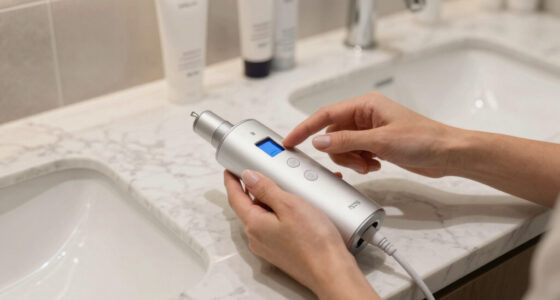
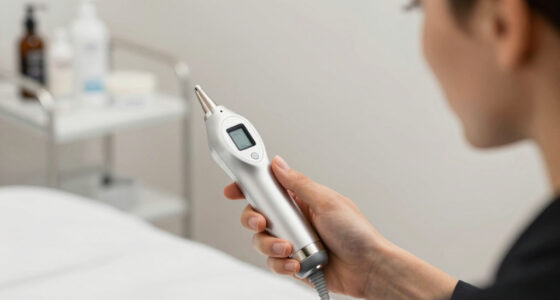
Microcurrent devices are small, hand-held instruments that deliver gentle electrical pulses. These pulses mimic your body’s own signals, encouraging muscles and skin cells to act more actively. Think of them like a gentle workout for your neck, promoting tone and resilience.
For example, an at-home device might use currents below 1 milliampere—barely perceptible but enough to stimulate muscle fibers, boost cellular energy, and support collagen production. This process can help lift sagging skin and improve texture over time. The deeper implication is that by stimulating the muscles and fibroblasts beneath the skin, microcurrent therapy can promote a more youthful, firm appearance, but the tradeoff is that consistent use is necessary to maintain these effects, as the body gradually reverts to its baseline without ongoing stimulation.
As an affiliate, we earn on qualifying purchases.
How Microcurrent Therapy Makes Your Neck Look Better — Step by Step
- Prepare your skin with a clean, dry neck, and apply a conductive gel or serum to enhance current flow.
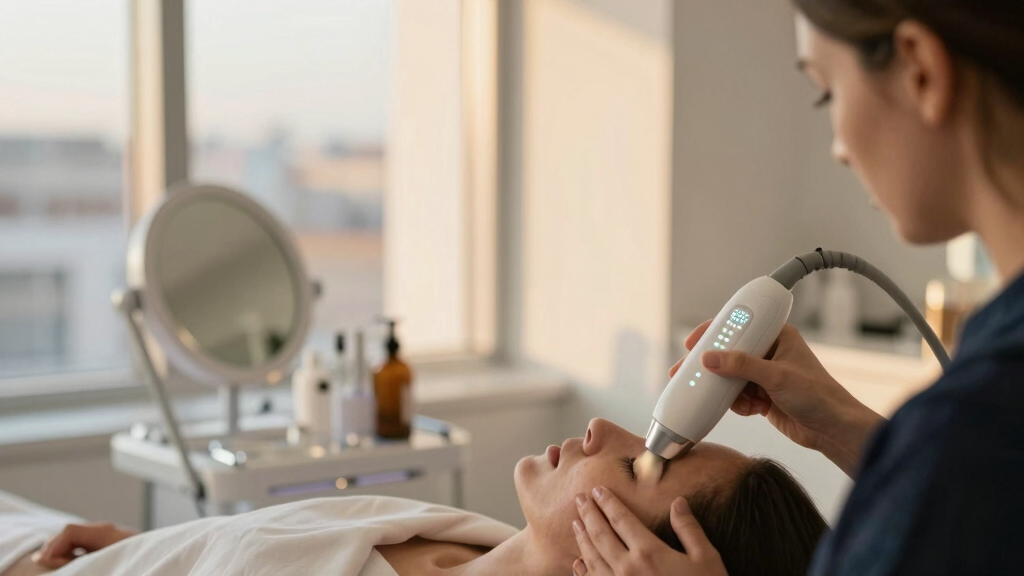
- Place the device’s electrodes on targeted areas—jawline, chin, or along the neck’s natural contours.
- Activate the device, which delivers low-level pulses stimulating muscles and cells.
- Enjoy a relaxing session that lasts about 30–60 minutes.
- Repeat weekly for several weeks, then maintain with monthly sessions.
For example, a woman in her 50s notices a gradual lift after 8 sessions, with her neck appearing firmer and smoother. This gradual change underscores the importance of patience, as microcurrent therapy works by gradually strengthening underlying tissues rather than providing instant results. The tradeoff is that consistent, ongoing treatments are required; without regular stimulation, the skin’s elasticity declines again, highlighting the importance of viewing this as a long-term maintenance strategy rather than a quick fix.
neck rejuvenation microcurrent device
As an affiliate, we earn on qualifying purchases.
As an affiliate, we earn on qualifying purchases.
The Latest Tech in Microcurrent Devices — What’s New and Better?
Recent innovations bring smarter, more adaptable microcurrent devices. Some include AI-driven customization, adjusting therapy based on your skin’s response. Others combine microcurrent with radiofrequency or LED light, amplifying benefits.
For instance, a new device from BellaPiu integrates microcurrent with infrared LED therapy, aiming to boost collagen even further. These advancements mean you get tailored treatments that target your unique skin needs, whether at home or in a clinic. However, while these features promise more personalized and effective treatments, they also introduce tradeoffs such as higher costs or the need for more sophisticated user understanding. The implication is that consumers should weigh the benefits of advanced features against their personal comfort with technology and budget constraints.
Plus, more devices are FDA-cleared for safe home use, with safety features like auto shut-off and adjustable intensity, making them safer but still requiring proper use to avoid overstimulation or skin irritation.
collagen boosting microcurrent device
As an affiliate, we earn on qualifying purchases.
As an affiliate, we earn on qualifying purchases.
What You Should Know Before Trying Microcurrent for Your Neck
Microcurrent therapy is generally safe, but it’s not for everyone. People with pacemakers, pregnant women, or those with certain skin conditions should consult a healthcare provider first. Not considering these factors could result in ineffective or adverse effects, such as skin irritation or electrical interference with medical devices. Understanding your own health profile is crucial because microcurrent therapy involves electrical stimulation, which can have unintended consequences if contraindicated.
Results depend on consistency. Most see subtle improvements after 6–12 sessions, but these are not permanent. Regular maintenance helps sustain the lift and firmness. The implication here is that microcurrent therapy is more about ongoing upkeep than a one-time miracle, meaning users should plan for long-term commitment and budget accordingly.
Cost varies: professional treatments cost hundreds to thousands; at-home devices are more affordable but may deliver gentler results. Always follow safety instructions to avoid minor side effects like redness or tingling. The tradeoff is balancing cost against expected outcomes—more expensive professional treatments may deliver quicker results, but at-home devices offer convenience and affordability, with potentially less dramatic effects that still require consistent use to maintain benefits.
As an affiliate, we earn on qualifying purchases.
Microcurrent vs. Other Non-Invasive Neck Treatments — How Do They Compare?
| Feature | Microcurrent | Radiofrequency (RF) | Ultrasound |
|---|---|---|---|
| What it does | Stimulates muscles & collagen | Heats tissue for collagen tightening | Uses sound waves to stimulate tissue |
| Invasiveness | Non-invasive, gentle | Non-invasive, moderate | Non-invasive, moderate |
| Results | Subtle, natural lift | More noticeable skin tightening | Skin tightening, improved texture |
| Downtime | Minimal | Minimal | Minimal |
| Ideal for | Early signs of sagging, maintenance | Moderate laxity, skin tightening | Texture issues, fine lines |
Choosing depends on your goals. Microcurrent offers a gentle approach, perfect for subtle, natural results and regular maintenance. However, it’s important to recognize that microcurrent’s strength lies in its safety and gradual, natural-looking results, which might be a tradeoff for those seeking more dramatic changes. The choice ultimately depends on your priorities—whether you prefer a gentle, ongoing upkeep or more intensive procedures for faster results.
What You Can Expect from Microcurrent Treatment Sessions
Expect a relaxing experience that feels like a gentle massage. No pain, no downtime. You might notice a slight tingling or redness afterward, but it fades quickly.
Initial results develop gradually. Many see a more lifted, firmer look after 8 sessions, with ongoing improvements over time. The implication is that patience is essential, as microcurrent works by gradually strengthening underlying tissues rather than providing instant gratification. The tradeoff is that consistent scheduling is necessary; irregular treatments can diminish or delay results, emphasizing the importance of a dedicated routine for sustained benefits.
To maximize benefits, follow your provider’s advice—usually, weekly treatments for a couple of months, then monthly upkeep.
Frequently Asked Questions
Are microcurrent treatments safe for everyone?
Most people tolerate microcurrent therapy well, but those with pacemakers, pregnant women, or specific skin conditions should consult a healthcare professional before starting treatments.
How many sessions will I need to see results?
Most individuals notice subtle improvements after 6 to 12 sessions, typically once a week. Maintenance treatments every few months help maintain the results.
Can I do microcurrent therapy at home?
Yes, FDA-cleared at-home devices are available, offering convenience and safety. However, professional treatments often yield quicker, more noticeable results.
How long do the effects last?
Results can last several months, but regular sessions are recommended for ongoing support. Lifestyle factors like sun exposure also influence longevity.
Are there any side effects I should worry about?
Side effects are rare but may include mild redness, tingling, or temporary muscle soreness. Always follow device instructions to minimize risks.
Conclusion
Microcurrent devices offer a low-risk, non-invasive way to support your neck’s natural firmness. They won’t turn back time overnight, but with patience and regular use, you might notice a more lifted, refreshed appearance that feels almost effortless.
Picture your neck with a gentle, supportive glow—like a soft silk scarf. That’s the kind of subtle transformation microcurrent can provide. Remember, the key is consistency and realistic expectations.
Flea & tick season Picks
flea and tick prevention
As an affiliate, we earn on qualifying purchases.