
TL;DR
Home microcurrent devices are generally safe if used as instructed, but risks like skin irritation, burns, or shocks exist. Choosing reputable products and following safety guidelines reduces these risks significantly.
Microcurrent devices deliver tiny electrical currents that stimulate your skin and muscles. You might have seen ads promising wrinkle reduction or pain relief, but what about safety? Many users wonder—are there hidden risks lurking in these seemingly harmless gadgets?
In this guide, you’ll learn what risks are real, which safety features matter, and how to avoid common pitfalls. Arm yourself with the facts to make confident, informed choices about microcurrent technology at home.
Choose devices with FDA approval or clearances for added safety assurance.
Start at the lowest intensity setting and increase gradually—listening to your skin’s response.
Inspect your device regularly for damage or wear before each use.
People with pacemakers, pregnancy, or skin conditions should consult a healthcare professional first.
If discomfort occurs, stop immediately and seek medical advice if needed.
Consumer safety briefing · Home skincare technology
Are There Risks Associated with Home Microcurrent Devices?
Yes—but the risks are generally low when a suitable device is used exactly as directed. Skin irritation, burns, shocks, and unwanted muscle stimulation become more likely with excessive intensity, damaged equipment, poor placement, or use despite a health contraindication.
When the device is suitable, intact, and used as instructed.
High intensity, overuse, poor contact, or use on damaged skin.
Clearance for one intended use does not validate every marketing claim.
Large, long-term studies of consumer devices remain limited.
01 · Know the mechanism

FyneLook Microcurrent Facial Device with Red Light Therapy, Cooling Skin Tightening Device for Lifting & Firming, 4 Modes & 9 Levels Puffiness Skincare Tool
- FDA-Cleared All-in-One Device: Combines microcurrent, red light, cooling, and absorption
- 9 Medical-Grade Probes: Ensures even energy distribution and skin contact
- Red & Blue Light Therapy: Supports skin smoothing and clarity
As an affiliate, we earn on qualifying purchases.
As an affiliate, we earn on qualifying purchases.
Small currents, real biological contact
Microcurrent devices deliver low-level electrical currents through the skin or underlying tissue. They are marketed for facial toning, skin rejuvenation, wrinkle reduction, pain relief, and muscle stimulation. Their non-invasive format is appealing, but safe outcomes still depend on device quality, correct placement, conductive contact, and individual health status.
Irritation or burns
Redness, stinging, blistering, or a lasting burning sensation may follow excessive intensity, poor contact, overuse, or treatment over sensitive or broken skin.
Typical trigger: too high, too long, too irritatedElectrical shock
Damaged cords, cracked housings, wet handling, exposed contacts, or inadequate insulation can create an avoidable shock hazard.
Typical trigger: wear, moisture, or poor build qualityUnwanted twitching
Incorrect placement or excessive stimulation may cause twitching, discomfort, muscle fatigue, or uneven movement in the face or neck.
Typical trigger: placement or intensity errorContraindications
Electrical stimulation may be unsuitable for people with implanted electronic devices, pregnancy, active skin problems, or certain medical conditions.
Typical trigger: use without clinical guidanceWhat shifts exposure along the risk spectrum?
Conceptual safety scale · not a clinical score02 · Buy with scrutiny

INIA 3-in-1 Red Light Therapy Beauty Device for Face & Neck Skincare
- 3-in-1 Facial Device: Modes for lifting, firming, absorption
- LIFT Mode: Contours and revitalizes dull skin
- TIGHTEN Mode: Enhances skin firmness and reduces fine lines
As an affiliate, we earn on qualifying purchases.
As an affiliate, we earn on qualifying purchases.
A safer device leaves an evidence trail
Do not treat “microcurrent” as a safety certification. Check the exact model, intended use, regulatory language, instructions, warnings, warranty, and manufacturer support. FDA authorization is specific to a device and purpose; it should not be assumed to cover every cosmetic or therapeutic claim.
Verify authorization and intended use
Look for precise approval, clearance, or registration information—not vague “FDA-approved technology” wording.
Demand adjustable intensity
Multiple levels let you begin conservatively and respond to your skin rather than forcing a fixed output.
Look for active safeguards
Automatic shut-off, overheat protection, contact indicators, and clear error signals reduce preventable misuse.
Check instructions and support
Contraindications, placement diagrams, session limits, warranty terms, and reachable support should be easy to find.
Inspect independent feedback
Prioritize detailed reviews that discuss comfort, durability, instructions, returns, and long-term reliability.
| Safety signal | Stronger choice | Proceed carefully | Red flag |
|---|---|---|---|
| Regulatory wording | ✓ Exact device and use | ~ Registration only | ✗ Vague badge |
| Intensity control | ✓ Several levels | ~ Limited control | ✗ No adjustment |
| Session protection | ✓ Auto shut-off | ~ Manual timer | ✗ No limit stated |
| Warnings | ✓ Specific and visible | ~ Minimal wording | ✗ Missing |
| Manufacturer support | ✓ Warranty and contact | ~ Limited support | ✗ Seller disappears |
Important: “FDA registered,” “FDA listed,” “FDA cleared,” and “FDA approved” are not interchangeable terms. Confirm what applies to the exact model and claimed purpose.
03 · Safer-use protocol

zenopax ㅤ 4-in-1 Multifunctional Cordless Electric Lumbar Traction Device
- 4-in-1 Back Massager: Traction, microcurrent, heat, vibration
- Dynamic Lumbar Traction: Reduces pressure for relief and relaxation
- Customizable Comfort Settings: Multiple heat, vibration, and electrotherapy options
As an affiliate, we earn on qualifying purchases.
As an affiliate, we earn on qualifying purchases.
Five gates before current meets skin
A repeatable routine is the strongest protection against preventable problems. Treat every session as a short safety check—not an invitation to chase faster results with more power.
Screen
Read contraindications. Ask a healthcare professional if pregnancy, an implanted device, active skin disease, or another condition applies.
Inspect
Check the housing, contacts, charging cable, cord, and accessories for cracks, corrosion, exposed material, or unusual heat.
Prepare
Use only on suitable, intact skin. Apply the conductive medium specified by the manufacturer and keep the device away from water.
Start low
Select the lowest intensity. Follow the placement map, session duration, frequency, and no-go areas in the instructions.
Listen
Do not push through pain, burning, sharp tingling, strong twitching, dizziness, swelling, or unusual discomfort.
04 · If something feels wrong

Plum Beauty Microcurrent Toning Device – Skin Tightening & Face Contour
- Facial Muscle Stimulation: Enhances skin tone and firmness
- Face Contouring Tool: Defines features and smooths wrinkles
- Reduces Puffiness: Promotes circulation and lymphatic drainage
As an affiliate, we earn on qualifying purchases.
As an affiliate, we earn on qualifying purchases.
Stop early; assess calmly
Discomfort is information, not a hurdle. Promptly stopping the session can keep a minor reaction from becoming a larger injury. Persistent redness, swelling, blistering, burns, severe pain, or other concerning symptoms warrant professional medical advice.
Stop and switch off
Remove the device immediately if you feel pain, burning, a shock, or unusual muscle activity.
Cool and protect the area
Rinse gently with cool water if appropriate. Avoid heat, scrubbing, active skincare ingredients, and another session.
Review the likely cause
Check intensity, duration, placement, conductive medium, skin condition, device damage, and the written instructions.
Escalate persistent symptoms
Contact a healthcare professional for ongoing redness, swelling, blistering, burns, severe pain, or any worrying reaction.
Document and report
Record the model, setting, duration, symptoms, and photographs. Contact the manufacturer or relevant regulator when appropriate.
Implanted electronic devices
People with pacemakers or other implanted electronics should seek professional guidance before exposure to electrical stimulation.
Pregnancy
Safety evidence may be insufficient for a given device or application. Consult a qualified healthcare professional before use.
Skin or medical conditions
Active irritation, wounds, infection, impaired sensation, or certain health conditions can change the risk profile.
The safest result is an informed result.
Home microcurrent devices can fit into a skincare or wellness routine, but benefits should never be pursued at the expense of skin signals, device integrity, or medical contraindications. Verify the product, follow its exact instructions, begin conservatively, and seek professional advice when your health history creates uncertainty.
What Are Microcurrent Devices and Why Are They Popular?
Microcurrent devices send gentle electrical pulses—less than the level that causes a tingling sensation—aimed at boosting skin tone and reducing signs of aging. They’re like tiny, controlled shocks that stimulate your facial muscles or skin tissue. Popular because they promise quick, non-invasive results, these gadgets are now staples in many home routines.
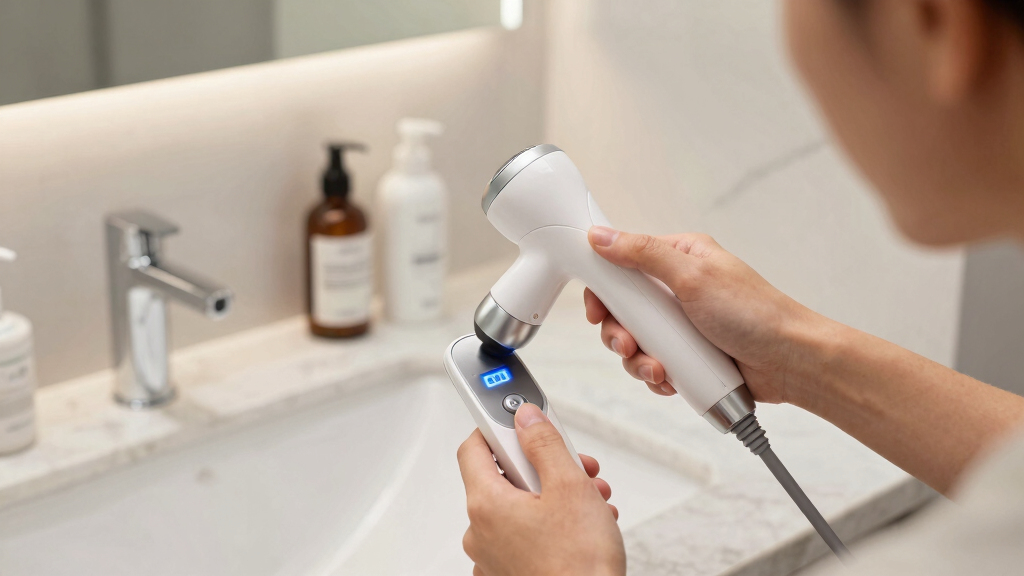
Imagine a sleek device in your bathroom, humming softly as you glide it over your cheeks, promising a firmer jawline by tomorrow. The appeal is real, but so are the safety questions that come with any electrical device used on your face or body.
Are Home Microcurrent Devices Safe? The Truth You Need to Know
Microcurrent devices are mostly safe when used properly, but risks do exist. Skin irritation, burns, or shocks can happen if you misuse the device or if it’s poorly made. For example, a user might experience a mild burn after setting the intensity too high or using the device on broken skin.
Understanding why these risks matter involves recognizing that electrical stimulation interacts closely with your body’s tissues. Excessive or improper use can disrupt the skin’s natural barrier, cause discomfort, or even damage underlying tissues. Reputable brands include safety features to mitigate these issues, but user awareness and correct application are crucial. People with pacemakers, pregnancy, or skin issues should consult a professional before trying these devices, as their unique conditions could amplify risks or lead to adverse effects.
How to Spot a Safe Microcurrent Device Before You Buy
- Check for FDA approval or clearances—these indicate the device has undergone safety scrutiny and regulatory review, providing a layer of assurance about its design and function.
- Look for safety features like adjustable intensity levels, automatic shut-off, and overheat protection, which help prevent user error and device malfunction.
- Read reviews and user feedback—especially from trusted sources like BellaPiu—to gauge real-world performance and safety experiences, understanding that positive reviews can also highlight potential limitations or issues.
- Ensure clear instructions and warnings are provided—comprehensive guidance reduces misuse and educates users on proper handling and precautions.
- Verify warranty and customer support—good backing from the manufacturer indicates confidence in the device’s safety and quality, and helps address issues if they arise.
Common Risks and How to Avoid Them
| Risk | Example |
|---|---|
| Skin irritation or burns | Using high settings on sensitive skin, causing redness or blisters. This occurs because excessive electrical current can damage skin cells, impairing the barrier and leading to discomfort or injury. |
| Electrical shock | Damaged or poorly insulated cords leading to a mild shock. Such shocks can cause sudden pain, muscle twitching, or even minor injuries, emphasizing the importance of inspecting cords and plugs regularly. |
| Unintended muscle stimulation | Feeling twitching or discomfort in the face or neck area. Overstimulation can cause muscle fatigue or discomfort, and improper placement may lead to uneven results or unwanted movements. |
| Contraindicated health conditions | People with pacemakers or pregnancy risking adverse effects. Electrical currents can interfere with medical devices or affect fetal health, so understanding these risks is vital for safety. |
Real-World Example: When Things Go Wrong
Imagine Sarah, an avid skincare enthusiast, who bought a $99 microcurrent device without checking reviews. She set the intensity high, eager for quick results. After a few sessions, her skin turned red and slightly swollen. She experienced a mild burning sensation that lasted for hours.
This scenario highlights the importance of choosing FDA-approved devices and starting at low settings. Proper education and cautious use can prevent these mishaps and keep your skin safe while enjoying the benefits.
What You Should Do If You Experience Discomfort or Risks
- Stop using the device immediately if you feel pain, burning, or unusual discomfort.
- Rinse the area with cool water and avoid further irritation.
- Consult a healthcare provider if redness, swelling, or burns persist.
- Review the device instructions—are you using the correct settings?
- Report adverse effects to the manufacturer or regulatory bodies if necessary.
Frequently Asked Questions
Are home microcurrent devices safe to use without medical supervision?
They are generally safe when used as directed, especially if the device has FDA approval. However, individuals with certain health conditions or skin sensitivities should consult a healthcare professional before starting treatment.
What are the potential side effects or risks of using these devices at home?
Risks include skin irritation, burns, shocks, or accidental muscle twitching. Proper use, device inspection, and following instructions reduce these risks significantly.
How do I choose a safe and effective microcurrent device?
Look for FDA clearance, safety features like adjustable settings, positive reviews, and clear instructions. Always buy from reputable brands to ensure quality and safety.
Can microcurrent devices cause burns or skin damage?
Yes, if used improperly or at too high an intensity. Starting at low settings and avoiding broken or irritated skin helps prevent damage.
Are there any health conditions that contraindicate the use of microcurrent devices?
People with pacemakers, pregnancy, or certain skin conditions should avoid or consult a healthcare provider before use.
Conclusion
Microcurrent devices at home can be a safe addition to your skincare routine—when used with care and knowledge. The key is to prioritize reputable brands, follow instructions precisely, and listen to your skin’s signals. Safety isn’t just about technology; it’s about informed choices.
Next time you see a sleek device promising instant results, remember—safe use is your best beauty investment. Your skin deserves it.