TL;DR
Different wavelengths of light penetrate skin at varying depths, influencing their benefits. Blue light targets bacteria, red stimulates collagen, near-infrared aids deeper healing. Matching your skin goal with the right wavelength makes treatments more effective.
Ever wondered why some LED masks claim to clear acne while others promise to erase wrinkles? The secret lies in the light’s wavelength. Each color, each shade, reaches your skin at a different depth and triggers unique responses.
In this guide, you’ll learn how specific wavelengths work, which ones are best for your skin goals, and how to choose the right device. Whether you want to banish breakouts, boost collagen, or soothe inflammation, understanding light wavelengths makes your skincare smarter and more targeted.
Different wavelengths target specific skin layers—blue for surface bacteria, red for collagen, near-infrared for deep tissue healing.
Consistency over time is key—most results appear after several weeks of regular use.
Always match your skin goal with the appropriate wavelength for best outcomes.
Safety is simple: follow instructions, avoid overuse, and consult professionals if needed.
Choose devices with clear wavelength specifications aligned with your skin concerns.
What exactly are light wavelengths and why do they matter?
Light wavelengths are like different musical notes—each with its own frequency and effect. In LED skin therapy, wavelengths range from about 415 nanometers (blue) to over 900 nanometers (near-infrared). They determine how deep the light penetrates and what biological reactions they stimulate.
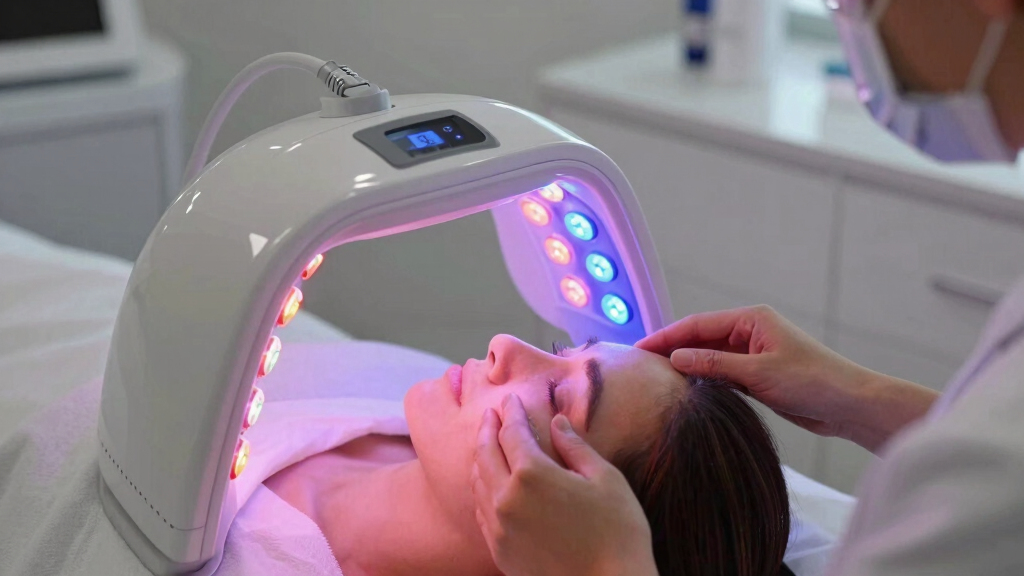
For example, blue light (~415 nm) stays close to the surface, killing bacteria that cause pimples. Red light (~630-700 nm) reaches deeper layers, encouraging collagen production for firmer skin. Near-infrared (~800-900 nm) dives even further, supporting tissue repair and calming inflammation.
Think of it as a flashlight: a narrow beam illuminates just the surface, while a broader, infrared beam reaches the depths, helping your skin heal from within.
Understanding these differences is crucial because targeting the wrong depth can limit effectiveness or cause unintended effects. For instance, using blue light for deep tissue repair won’t be effective, and overusing near-infrared without proper guidance may lead to overstimulation of tissues. Recognizing how each wavelength interacts with skin layers helps you choose treatments that are safe, efficient, and tailored to your specific concerns.

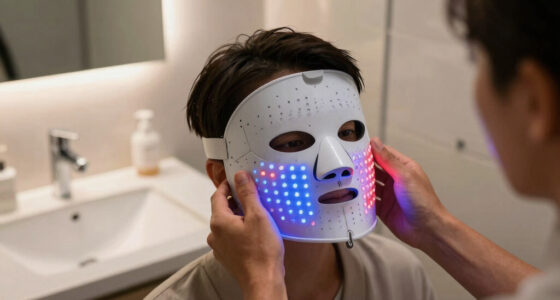
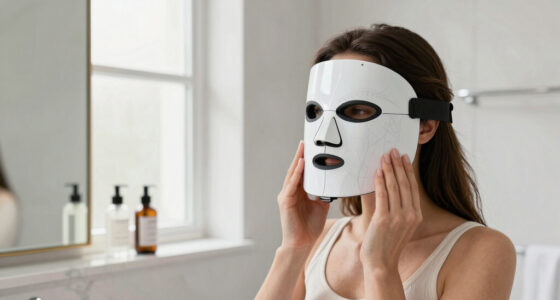
Aphrona FDA cleared LED Facial Mask MOONLIGHT PRO 7 Color Treatment Photon Mask, Red light Blue light for Acne Removal Wrinkle Reduction, led light therapy for face, 450 Powerful LED Chips (White)
- Visible Results Quickly: Rejuvenates skin with 450 LED chips
- Advanced LED Technology: Red and blue light for skin health
- Customizable Treatment Duration: Adjust from 5 to 50 minutes
As an affiliate, we earn on qualifying purchases.
As an affiliate, we earn on qualifying purchases.
Which light wavelength helps with wrinkles and aging skin?
Red light (~630-700 nm) is your go-to for anti-aging. It stimulates collagen, the protein responsible for skin elasticity. Regular sessions—about 3 to 4 times a week—over several weeks can lead to noticeable firmness and a reduction in fine lines.
Imagine your skin as a canvas—red light acts like a gentle brush, encouraging the production of fresh, resilient fibers. Collagen is the foundation of youthful skin; as we age, collagen production declines, leading to sagging and wrinkles. Red light penetrates the skin’s deeper layers where collagen is produced, effectively signaling cells to boost synthesis.
Consistent use is key because collagen turnover is a gradual process. Skipping sessions or inconsistent routines can slow progress or diminish results. Many in-clinic devices and advanced at-home masks now deliver precise red wavelengths, but understanding this mechanism helps you appreciate why patience and regularity matter. When used correctly, red light therapy can improve skin firmness, texture, and overall youthful appearance, but it’s not an overnight fix—long-term commitment yields the best results.

Red Light Therapy Activation Serum – Advanced Formula to Boost Collagen, Increase LED Light Therapy 10x Effects, Reduce Wrinkles&Soothe Sensitive Skin for Face&Neck with Copper Peptides,VE,1.01FLoz
- Collagen Boosting Formula: Contains Copper Peptides, Caffeine, Ceramide 3
- Enhances LED Therapy Effects: Amplifies red light therapy results by 10x
- Compatible with All Devices: Suitable for all red light and LED panels
As an affiliate, we earn on qualifying purchases.
As an affiliate, we earn on qualifying purchases.
What wavelength fights acne and kills bacteria?
Blue light (~415 nm) targets the bacteria Propionibacterium acnes, which thrive in clogged pores and cause breakouts. Blue light penetrates the skin’s surface, destroying bacteria without harming healthy cells.
Think of blue light as a microscopic pest control—zapping bacteria on contact, reducing inflammation and preventing new pimples from forming. Since bacteria can develop resistance to topical antibiotics, blue light offers a non-invasive, drug-free alternative that directly addresses the root cause of acne.
However, because blue light mainly affects surface bacteria, it’s most effective for mild to moderate acne. For deeper cystic acne, combining blue light with other treatments may be necessary. Regular use over 4-6 weeks can significantly reduce breakouts, but overexposure might cause dryness or irritation, so moderation is essential. Recognizing the biological mechanism helps you understand why blue light is a targeted, safe option for managing surface-level acne without the risks associated with harsh chemicals.

Comfytemp Red Light Pad for Body, 14.4'' x 6.1'' Near Infrared Light Wrap, Wearable Flexible Soft Light Pad for Back Knee Joint Muscle, 660nm & Invisible 850nm(Corded)
- Adjustable Straps for Versatile Fit: Fits various body areas with adjustable straps
- Soft, Breathable Fabric: Made from odor-free, high-quality soft-touch fabric
- Comfortable Honeycomb Design: Features a honeycomb structure for comfort
As an affiliate, we earn on qualifying purchases.
As an affiliate, we earn on qualifying purchases.
How does near-infrared light support deep healing and inflammation?
Near-infrared (~800-900 nm) light penetrates deepest, reaching tissues below the skin’s surface. It promotes blood flow, reduces inflammation, and accelerates tissue repair—making it ideal for skin recovery and soothing redness.
Think of near-infrared as a gentle wave that massages your skin from within, stimulating cellular activity and enhancing natural healing processes. This can be particularly beneficial after procedures like microneedling or chemical peels, where promoting rapid healing reduces downtime. Additionally, near-infrared helps calm chronic inflammation, which is linked to skin conditions such as rosacea and eczema, by modulating inflammatory responses at the cellular level.
Devices emitting around 850 nm are popular for supporting skin recovery after treatments or managing chronic inflammation, with results often visible after several weeks of regular sessions. It’s important to note that overuse or improper wavelength selection can potentially overstimulate tissues, so understanding the science behind these wavelengths ensures safe, effective use aligned with your skin’s needs.

Solawave Bye Acne – FDA-Cleared Blue & Red Light Therapy for Face & Body
- FDA-Cleared for Acne: Blue and red light therapy for acne
- Fast Results: Visible improvements in 2-3 uses
- Large Treatment Area: 24 LEDs for extensive coverage
As an affiliate, we earn on qualifying purchases.
As an affiliate, we earn on qualifying purchases.
Comparison table: Which wavelengths target which skin goals?
| Wavelength | Penetration Depth | Primary Benefits | Best For |
|---|---|---|---|
| Blue (~415 nm) | Surface | Kills bacteria, reduces redness | Acne, surface bacteria |
| Red (~630-700 nm) | Mid-depth | Stimulates collagen, reduces wrinkles | Anti-aging, skin elasticity |
| Near-Infrared (~800-900 nm) | Deep | Supports tissue repair, reduces inflammation | Deep healing, redness, inflammation |
Safety tips for using light therapy devices
Light therapy is generally safe, but a few precautions help ensure good results. Always follow manufacturer instructions, wear eye protection if recommended, and avoid overexposure.
If you have pre-existing skin conditions or are pregnant, consult a dermatologist before starting treatments. Mild redness or dryness can occur, but serious side effects are rare when used properly.
Remember: consistency beats intensity. Regular sessions—usually 3-5 times a week—produce the best outcomes.
Choosing the right LED mask for your skin goals
When selecting an LED mask, match its wavelengths with your skin goals. Look for devices that deliver specific frequencies—like red for anti-aging or blue for acne—and check the device’s safety certifications.
For example, if your main concern is wrinkles, opt for a mask with a dedicated red LED around 660 nm. For acne, find a device with blue LEDs in the 415 nm range.
Combine device features with your skin type, budget, and treatment routine to make the best choice.
Frequently Asked Questions
Can I combine different wavelengths in one treatment?
Yes, many devices now offer multi-wavelength options, allowing you to target multiple concerns in one session. For example, blue and red lights together can help clear acne while boosting collagen. Just follow device instructions and avoid overdoing it.
How many sessions do I need before seeing results?
Most users notice improvements after 4-6 weeks of consistent use, with 2-3 sessions per week. Patience is key—skin changes happen gradually, especially with anti-aging treatments.
Are LED masks safe for sensitive skin?
Generally, yes. Choose devices with gentle settings, do a patch test first, and start with shorter sessions. If you experience irritation, reduce frequency or consult a dermatologist.
Is there a risk of UV damage with LED therapy?
No. LED therapy uses visible or near-infrared light, which does not emit UV rays. It’s considered safe when used correctly, unlike UV-based treatments.
Can I use LED therapy alongside other skincare treatments?
Absolutely. Many find it complements serums, moisturizers, and other procedures. Just ensure products are compatible and avoid combining with harsh or irritating treatments during sessions.
Conclusion
Matching the right light wavelength to your skin goal makes all the difference. Blue, red, near-infrared—each has its role in supporting your skin’s natural beauty. Understanding these differences empowers you to use LED therapy more intentionally.
Think of light therapy as a bespoke tune-up for your skin—precise, gentle, effective. When you pick the right wavelength, you’re not just treating your skin—you’re giving it a scientifically supported boost from within.