TL;DR

Get beauty and skincare favorites delivered free — and shop member deals
- Fast, free delivery on millions of items
- Access to Prime Big Deal Days deals on October 6–7
- Prime Video, Amazon Music and more included
LED masks are generally safe when used correctly, but certain skincare ingredients and devices can interact negatively. Proper timing, ingredient awareness, and professional guidance are key to safe, effective treatments.
Photosensitizing ingredients like retinoids and AHAs increase skin sensitivity—use caution when combining with LED masks.
Timing your skincare products—applying non-photosensitizing hydrators before, and active ingredients after—can prevent irritation.
Avoid using multiple skincare devices at once; sequence treatments carefully to prevent overstimulation.
Always follow manufacturer instructions and consult professionals for personalized advice.
Mild redness or dryness are normal but should diminish with proper use—stop if discomfort persists.
Understanding LED Masks & Skincare Interactions
LED masks are generally safe when used correctly—but active ingredients, device stacking, and poor timing can turn a gentle treatment into an irritated skin barrier. The safest routine is deliberately simple: know what sensitizes, create recovery time, and follow the device protocol.
Different wavelengths, different targets
LED masks use controlled, non-ablative light rather than heat or surface injury. Specific wavelengths are selected to support common goals such as calming visible inflammation, addressing acne-causing bacteria, or encouraging a smoother-looking complexion.
Renewal support
Often selected for the appearance of fine lines, recovery, and inflammation. It stimulates cellular activity without intentionally damaging the skin’s surface.
Acne targeting
Commonly used in acne-focused routines. Sensitive or dry skin still needs careful dosing and barrier support during repeated sessions.
Deeper support
Used to reach deeper tissue than visible wavelengths. Exact output, duration, eye protection, and contraindications remain device-specific.
What goes near an LED session?
Products that weaken the outer barrier, accelerate turnover, or increase light sensitivity may amplify redness and dryness. Gentle hydration is usually the lower-risk companion, but manufacturer instructions always take priority.
| Product category | Before LED | After LED | Primary concern |
|---|---|---|---|
| Gentle cleanser | ✓ Preferred | ✓ Compatible | Remove residue; avoid harsh scrubbing |
| Simple hydrator | ✓ If permitted | ✓ Supportive | Choose fragrance-free, non-sensitizing formulas |
| Retinoids | ✗ Avoid nearby | ~ Delay | Turnover, dryness, increased sensitivity |
| AHA / BHA acids | ✗ Avoid nearby | ~ Delay | Exfoliation and barrier vulnerability |
| Strong peels | ✗ Separate days | ✗ Separate days | High irritation and over-exfoliation risk |
| Photosensitizing medication | ~ Ask clinician | ~ Ask clinician | Medication-specific light response |
Combining technologies adds cumulative stress
Microcurrent, radiofrequency, and ultrasonic tools act through different mechanisms, but each can add stimulation. Using several devices simultaneously—or in rapid succession—makes it harder to identify what caused a reaction.
Microcurrent
Often used for temporary toning effects. Conductive gels and session spacing must be compatible with both devices.
Sequence carefullyRadiofrequency
Produces controlled tissue heating. Pairing it too closely with LED may intensify warmth, redness, or inflammation.
Recovery mattersUltrasonic tools
Cleansing or infusion devices may alter the barrier or product penetration, changing how freshly treated skin responds.
Avoid overloadIllustrative spacing between stimulating devices
Example marker · 48 hoursA calmer routine in five moves
Simple sequencing reduces variables and protects the skin barrier. This conservative workflow suits a general treatment day, but it should be adjusted to your mask’s manual and professional advice.
Cleanse gently
Remove makeup, sunscreen, oil, and debris without abrasive scrubs or strong acids.
Check the skin
Do not proceed over broken, sunburned, unusually inflamed, or actively irritated skin.
Keep it simple
Use bare skin unless the manufacturer explicitly allows a gentle, compatible hydrator.
Use the mask
Follow wavelength, eye-safety, frequency, and duration guidance—typically 10–20 minutes.
Soothe and observe
Apply simple hydration and monitor redness before reintroducing potent active ingredients.
Build in an active-ingredient buffer
A conservative approach is to separate LED from retinoids and exfoliating acids by at least 24 hours, especially for reactive skin. Professional or manufacturer guidance may call for a different interval.
Follow the treatment schedule
Longer or more frequent sessions can increase dryness and irritation without reliably improving results.
Review every active ingredient
Check prescriptions, over-the-counter actives, botanicals, and supplements for photosensitivity warnings.
Change one variable at a time
Staggering new products and devices makes it easier to identify the source of sensitivity.
Consult a qualified professional
Seek individualized advice for skin conditions, photosensitizing medication, pregnancy, or persistent reactions.
From routine choice to skin response
Safe use is a connected system. Ingredient selection affects sensitivity; timing affects recovery; device dose affects cumulative stress; observation determines whether to continue or stop.
Know when to stop
Mild, short-lived redness or dryness can occur. Stop treatment and seek advice if you experience burning, blistering, swelling, eye discomfort, escalating pain, or redness that persists. Do not treat a significant reaction by adding more devices or active products.
What Are LED Masks and How Do They Work Safely?
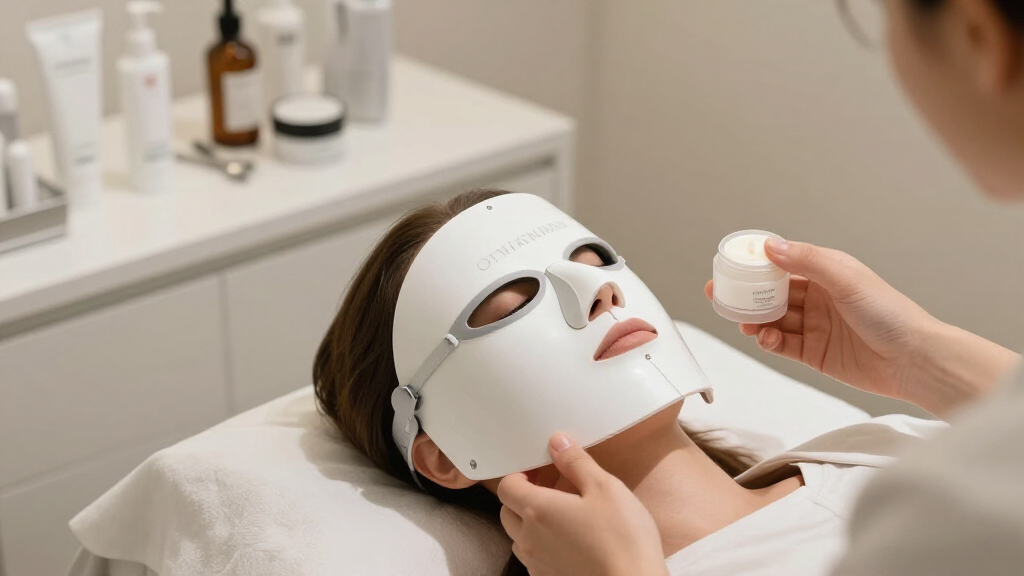
LED masks use specific wavelengths of light—like red, blue, or near-infrared—to stimulate skin cells gently. They target concerns like acne, fine lines, and inflammation without damaging your skin’s surface. Think of them as a calming, high-tech sunbath that promotes cellular activity.
These devices are generally considered safe when used as directed. Modern models have safety features like auto-shutoff and adjustable settings, making them suitable for at-home use. However, understanding their mechanics helps you avoid overuse or unintended reactions, especially when combining with other treatments.
LED face mask with adjustable settings
As an affiliate, we earn on qualifying purchases.
As an affiliate, we earn on qualifying purchases.
How Do Skincare Ingredients Influence LED Mask Safety?
Some skincare ingredients can make your skin more sensitive to light, especially when combined with LED therapy. Photosensitizing ingredients like retinoids, alpha hydroxy acids (AHAs), and certain herbal extracts can lead to redness, irritation, or even burns if used improperly. Recognizing why these ingredients have this effect is crucial: they alter your skin’s natural barrier or increase cellular activity, making it more vulnerable to light exposure.
For example, applying a strong retinoid serum just before an LED session might cause your skin to react more intensely because retinoids accelerate skin cell turnover, which can amplify light sensitivity. Conversely, using gentle, non-photosensitizing products—like hydrating serums or soothing creams—helps maintain the skin’s resilience and reduces the risk of adverse reactions. Understanding this tradeoff is essential: while active ingredients can boost skin renewal, they also require careful timing to prevent irritation.
Research from BellaPiu indicates that photosensitivity increases by up to 30% with certain ingredients, underscoring the importance of ingredient awareness in routine planning. The implications are clear—skincare choices directly influence treatment safety and effectiveness, so understanding these interactions helps you balance benefits with potential risks.
retinoid and AHA skincare products
As an affiliate, we earn on qualifying purchases.
As an affiliate, we earn on qualifying purchases.
Can You Mix LED Masks with Other Skincare Devices? Here’s What You Need to Know
Combining LED therapy with other skincare devices like microcurrent, radiofrequency, or ultrasonic cleansers can amplify results by targeting multiple skin concerns simultaneously. However, these combinations also introduce the risk of overstimulating your skin, which can compromise the skin barrier, cause redness, or even lead to micro-injuries. The key lies in understanding how each technology affects your skin and why sequencing matters.
Using multiple devices too close together or simultaneously can lead to cumulative stress on your skin, increasing the likelihood of adverse effects. For instance, applying a radiofrequency treatment immediately after an LED session might intensify inflammation or irritation because both stimulate cellular activity but through different mechanisms. Proper timing—such as waiting 48 hours between treatments—allows your skin to recover and reduces risks. Consulting a skincare professional helps tailor a safe, effective routine that maximizes benefits while minimizing harm. Emerging integrated devices combining multiple technologies may seem convenient, but they still require careful use to prevent overexposure and adverse reactions—understanding their tradeoffs is essential for safe, effective skincare.
skincare device timing accessories
As an affiliate, we earn on qualifying purchases.
As an affiliate, we earn on qualifying purchases.
Best Practices for Timing Your Products and Treatments
Timing is everything for safe, effective LED therapy. Here’s a detailed approach: Proper timing ensures active ingredients don’t increase your skin’s sensitivity during treatments, which could lead to irritation or damage. Starting with a gentle cleanse removes surface impurities, preparing your skin for treatment and reducing the risk of trapping debris or bacteria that could worsen reactions. Applying non-photosensitizing, hydrating products—like soothing serums or moisturizers—before your LED session creates a protective barrier, minimizing potential irritation from light exposure.
Use the LED mask according to manufacturer instructions, typically 10-20 minutes. Afterward, waiting at least 24 hours before applying active ingredients like retinoids or acids allows your skin to recover from any temporary sensitivity, reducing the likelihood of adverse reactions. This pause is especially important if your skin is already reactive or sensitive.
A practical tip? Keep your routine simple on treatment days—less is more when it comes to ingredients that could provoke sensitivity. Recognizing that the skin needs time to reset helps you balance efficacy with safety, ensuring your treatments support skin health rather than compromise it.
gentle hydrating serums for LED therapy
As an affiliate, we earn on qualifying purchases.
As an affiliate, we earn on qualifying purchases.
What Are the Main Safety Precautions with LED and Skincare Combinations?
Staying safe means respecting your skin’s limits and understanding how different products and devices interact. Avoid using photosensitizing products immediately before LED sessions because they can increase the risk of burning, redness, or irritation. Always follow device instructions carefully—overuse or improper sequencing can diminish benefits and cause harm. Moderation and consistency are key: overdoing treatments may lead to skin barrier breakdown, sensitivity, or long-term damage.
For example, applying a potent AHA peel right before an LED session can cause excessive redness or burning because acids thin the outer skin layer, making it more vulnerable. Instead, save active acids and retinoids for days when you’re not using LED masks, giving your skin time to recover and maintain resilience. Research from BellaPiu emphasizes that mild redness or dryness can occur with improper use, but these symptoms are usually temporary if you adjust your routine accordingly. Listening to your skin’s signals—such as persistent discomfort or irritation—is essential to prevent worsening reactions and maintain skin health over time.
Frequently Asked Questions
Can I use my retinoid serum with an LED mask?
It’s best to avoid applying retinoids immediately before or after LED sessions. Retinoids increase photosensitivity, which can cause irritation when combined with light therapy. Wait at least 24 hours after using retinoids before your LED treatment, or consult a skincare professional for personalized guidance.Are there any ingredients I should avoid before LED therapy?
Yes, ingredients like alpha hydroxy acids, beta hydroxy acids, and certain herbal extracts that increase photosensitivity should be avoided just before LED sessions. Use gentle, hydrating products instead to support your skin’s comfort and safety.Can I combine LED masks with other devices like radiofrequency or microcurrent?
Combining treatments can enhance results but requires careful sequencing. It’s safest to use LED masks first, then wait at least 48 hours before other devices. Always follow device instructions and consider consulting a skincare professional to tailor your routine.How do I know if my skincare routine is safe with LED masks?
Check the ingredients for photosensitizing agents, avoid active acids or retinoids immediately before treatments, and follow device guidelines. Introducing new products gradually and listening to your skin’s signals helps prevent adverse reactions.What should I do if my skin feels irritated after a treatment?
Stop treatments temporarily, apply soothing products like aloe vera or calming serums, and avoid active ingredients. If irritation persists, consult a dermatologist to ensure no underlying issues.Conclusion
Knowing how to pair your LED mask with skincare products and devices makes all the difference. It’s about respecting your skin’s sensitivity and following a thoughtful routine. When in doubt, keep it simple, listen closely to how your skin responds, and seek professional guidance.
Imagine your skin glowing gently, not irritated. That’s the goal—effective, safe, and tailored to you. Your skin’s health deserves your attention and care every step of the way.
Fall Picks
fall essentials
As an affiliate, we earn on qualifying purchases.