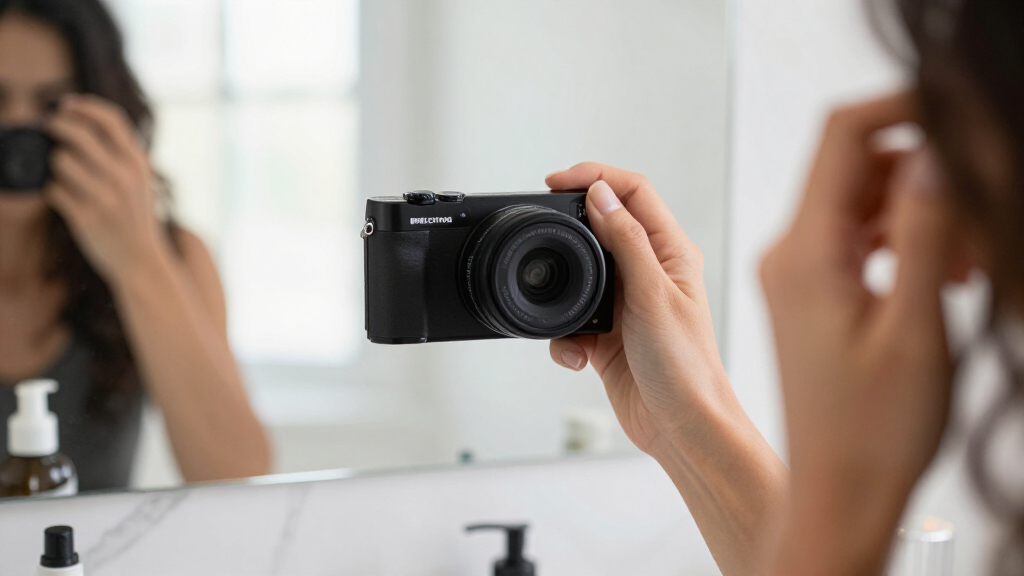

When searching for the best compact mirrorless cameras, the goal is to find a model that balances size, image quality, and ease of use. The Nikon Z50 II stands out as the overall top pick thanks to its versatile 20.9MP sensor and solid 4K video capabilities, making it a great choice for traveling and everyday photography. For those prioritizing portability without sacrificing image quality, the Sony Alpha a6400 offers exceptional autofocus and robust performance in a compact frame. The main tradeoffs in this category often involve balancing cost against features, or size against performance. Keep reading for a detailed breakdown of these options to find the best fit for your needs.
Play games included with Prime
Start a Prime free trial and play with Amazon Luna on your devices.
Start playingAs an affiliate, we earn on qualifying purchases.
Complete the kit


Key Takeaways
- The top-ranked models excel in balancing size, image quality, and ease of use, making them suitable for a wide range of users.
- Sensor size and resolution are critical; APS-C sensors like those in Sony a6400 and ZV-E10 offer a good mix of quality and compactness.
- Price often correlates with features—more affordable options may lack advanced video or autofocus capabilities found in premium models.
- Design and ergonomics vary; retro-inspired cameras like the Nikon Z fc appeal to style-conscious users, while others prioritize a traditional grip.
- Connectivity features such as Wi-Fi and Bluetooth are standard but vary in ease of use and speed, affecting workflow efficiency.
| Nikon Z50 II with Two Lenses – Compact Mirrorless Camera with 20.9MP Sensor, 4K Video, and Wireless Sharing |  | Best Overall for Versatile Photography & Videography | Sensor: 20.9 MP APS-C | Video: 4K UHD/60p | Lenses Included: 16-50mm f/3.5-6.3 VR, 50-250mm f/4.5-6.3 VR | VIEW LATEST PRICE | See Our Full Breakdown |
| Sony Alpha a6000 Mirrorless Digital Camera 24.3MP with 3-Inch LCD – Body Only (Silver) |  | Best for Fast Shooting & Compact Portability | Sensor Type: APS-C CMOS | Resolution: 24.3 MP | Viewfinder: Electronic, 100% coverage | VIEW LATEST PRICE | See Our Full Breakdown |
| Canon EOS M10 Mirrorless Camera Kit with EF-M 15-45mm STM Lens |  | Best for Beginners & Easy Sharing | Sensor: 18.0 MP CMOS | Display: 3-inch tilt LCD | Autofocus: Hybrid CMOS AF II | VIEW LATEST PRICE | See Our Full Breakdown |
| Canon EOS M 18.0 MP Compact System Camera with 3.0-Inch LCD and EF-M22 STM Lens Black |  | Best for Basic Photography & Lens Flexibility | Sensor: 18.0 MP CMOS | Display: 3-inch LCD | Image Processor: DIGIC 5 | VIEW LATEST PRICE | See Our Full Breakdown |
| Sony ZV-E10 APS-C Mirrorless Camera with 16-50mm Lens |  | Best for Content Creators & Vloggers | Sensor Type: APS-C CMOS | Resolution: 24.2 MP | Video Resolution: 4K | VIEW LATEST PRICE | See Our Full Breakdown |
| Canon EOS M200 Compact Mirrorless Digital Camera with 15-45mm Lens, 4K Video, Touch LCD, Wi-Fi & Bluetooth |  | Best for Vlogging and Selfies | Sensor: 24.1 Megapixel CMOS (APS-C) | Video: 4K Ultra HD | Lens: EF-M 15-45mm | VIEW LATEST PRICE | See Our Full Breakdown |
| Sony Alpha a6400 Mirrorless Camera with 16-50mm Lens |  | Best for Photography and Videography Enthusiasts | Sensor: 20.1MP APS-C Exmor RS CMOS | Video: 4K recording | Lens: 16-50mm F1.8-2.8 | VIEW LATEST PRICE | See Our Full Breakdown |
| Canon EOS R100 Mirrorless Camera with RF-S 18-45mm Lens Bundle |  | Best for Beginners and Everyday Shooting | Sensor: 24.1MP APS-C CMOS | Processor: DIGIC 8 | Lens: RF-S 18-45mm f/4.5-6.3 IS STM | VIEW LATEST PRICE | See Our Full Breakdown |
| Nikon Z fc with 16-50mm Zoom Lens – Retro-Inspired Compact Mirrorless Camera |  | Best for Style and Creative Control | Sensor: 20.9 MP DX CMOS | Video: 4K UHD | Lens: 16-50mm Zoom | VIEW LATEST PRICE | See Our Full Breakdown |
| compact mirrorless camera | Sensor | Video | Connectivity | Autofocus |
|---|---|---|---|---|
| Nikon Z50 II with Two Lenses | 20.9 MP APS-C | 4K UHD/60p | Wireless sharing via Nikon SnapBridge | Subject detection and tracking |
| Sony Alpha a6000 Mirrorless Di | — | — | Wi-Fi, NFC | — |
| Canon EOS M10 Mirrorless Camer | 18.0 MP CMOS | Full HD 1080p | Wi-Fi, NFC | Hybrid CMOS AF II |
| Canon EOS M 18.0 MP Compact Sy | 18.0 MP CMOS | Full HD 1080p | — | — |
| Sony ZV-E10 APS-C Mirrorless C | — | — | Wi-Fi, Bluetooth | Real-Time Eye AF |
| Canon EOS M200 Compact Mirrorl | 24.1 Megapixel CMOS (APS-C) | 4K Ultra HD | Wi-Fi, Bluetooth | — |
| Sony Alpha a6400 Mirrorless Ca | 20.1MP APS-C Exmor RS CMOS | 4K recording | — | Real-Time Eye AF |
| Canon EOS R100 Mirrorless Came | 24.1MP APS-C CMOS | 4K 24p, Full HD 60p | — | Dual Pixel CMOS AF, 143 zones |
| Nikon Z fc with 16-50mm Zoom L | 20.9 MP DX CMOS | 4K UHD | SnapBridge, live streaming | — |
More Details on Our Top Picks
Nikon Z50 II with Two Lenses – Compact Mirrorless Camera with 20.9MP Sensor, 4K Video, and Wireless Sharing
The Nikon Z50 II stands out for its high-resolution 20.9MP APS-C sensor, which produces detailed images that rival the Sony a6000’s 24.3MP sensor. Unlike the Sony, it offers 4K UHD video at 60p, making it a better choice for hybrid shooters wanting both stills and video. Its autofocus system with subject tracking works well across subjects, but it lacks in-body stabilization, which can be a drawback for handheld video. The included 16-50mm and 50-250mm lenses cover a broad zoom range, yet these lenses have limited apertures, restricting low-light performance. Battery life isn’t its strongest suit, so extended shoots might require extra batteries. Overall, this model makes the most sense for photographers and videographers seeking a portable, feature-rich package with excellent image quality, though it trades some stability and battery longevity for its compact size.
Pros:- High-resolution 20.9MP sensor delivers sharp, detailed images
- 4K UHD 60p video recording for quality videography
- Effective autofocus with subject detection and tracking
Cons:- Limited aperture range on included lenses reduces low-light capability
- No in-body stabilization, risking shaky footage
- Battery life can be insufficient for extended shooting sessions
Best for: Photographers and videographers who want a versatile, portable camera with strong video features and a broad zoom range.
Not ideal for: Travelers planning all-day shoots without carrying extra batteries or those who need in-body stabilization for smooth handheld videos.
- Sensor:20.9 MP APS-C
- Video:4K UHD/60p
- Lenses Included:16-50mm f/3.5-6.3 VR, 50-250mm f/4.5-6.3 VR
- Connectivity:Wireless sharing via Nikon SnapBridge
- Autofocus:Subject detection and tracking
- Built-in Flash:Yes
Our verdict“This camera is perfect for hybrid users wanting a compact package that balances both stills and video, accepting some compromises in stabilization and battery life.”
Sony Alpha a6000 Mirrorless Digital Camera 24.3MP with 3-Inch LCD – Body Only (Silver)
The Sony Alpha a6000 offers a robust 24.3MP APS-C sensor, matching the Nikon Z50 II’s image resolution but with a slightly more compact body. Its fast hybrid autofocus with 179 phase-detection points surpasses the Nikon in speed, making it ideal for capturing fleeting moments. However, unlike the Nikon Z50 II, it can’t record 4K video, limiting its appeal for videographers. The tilting 3-inch LCD and electronic viewfinder provide flexible framing options, but the battery life is limited, especially when using the EVF or shooting extensively. Weighing just over 12 ounces, it’s lighter and more pocketable, yet the absence of in-body stabilization means shaky handheld shots are more likely. This camera is best suited for enthusiasts prioritizing speed and portability over high-end video features.
Pros:- Fast hybrid autofocus with 179 phase-detection points
- Compact, lightweight design for easy carry
- High-resolution 24.3MP sensor for detailed images
Cons:- No 4K video recording limits video options
- Limited battery life for prolonged shooting
- No in-body stabilization
Best for: Action-oriented photographers who need fast autofocus and a lightweight body for street or event photography.
Not ideal for: Videographers requiring 4K recording or users seeking in-body stabilization for video work.
- Sensor Type:APS-C CMOS
- Resolution:24.3 MP
- Viewfinder:Electronic, 100% coverage
- Shooting Speed:11 fps
- Connectivity:Wi-Fi, NFC
- Video Resolution:FHD 1080p
Our verdict“Ideal for quick shooters needing a compact, high-resolution camera with speedy autofocus, but less suited for dedicated videography or long shoots without extra batteries.”
Canon EOS M10 Mirrorless Camera Kit with EF-M 15-45mm STM Lens
The Canon EOS M10 is tailored for newcomers, with an 18MP APS-C sensor that produces decent detail for casual shooting. Its user-friendly interface, combined with a tilting touchscreen, makes it accessible for selfie-takers and vloggers. Compared to the Sony a6000, it offers simpler controls and better connectivity options for social sharing, but it doesn’t match the Sony’s autofocus speed or burst rate, which may hinder action shots. The absence of a viewfinder and limited battery life mean it’s best for short outings rather than extended sessions. Its compact size and built-in Wi-Fi make it a smart choice for hobbyists wanting straightforward operation and reliable image quality without the complexity of higher-end models.
Pros:- User-friendly controls with a tilting touchscreen
- Compact and lightweight for portability
- Built-in Wi-Fi and NFC for quick sharing
Cons:- Limited continuous shooting speed at 4.6 fps
- No viewfinder for composing shots in bright light
- Battery life shorter than DSLR competitors
Best for: Beginners or casual photographers who prioritize ease of use and social sharing features.
Not ideal for: Advanced users needing rapid autofocus, high-speed shooting, or professional-level video features.
- Sensor:18.0 MP CMOS
- Display:3-inch tilt LCD
- Autofocus:Hybrid CMOS AF II
- Continuous Shooting:up to 4.6 fps
- Connectivity:Wi-Fi, NFC
- Video:Full HD 1080p
Our verdict“This camera makes the most sense for beginners seeking simple operation and decent image quality, but it falls short for fast-action or long shooting days.”
Canon EOS M 18.0 MP Compact System Camera with 3.0-Inch LCD and EF-M22 STM Lens Black
The Canon EOS M offers a straightforward 18MP APS-C sensor in a compact body, making it suitable for casual shooters. Its DIGIC 5 processor provides decent image quality, but compared to newer models like the Nikon Z50 II, it lacks some modern features such as 4K video. The optical image stabilization with the included EF-M22 STM lens enhances handheld shooting, yet the absence of a viewfinder and limited battery capacity restricts prolonged use. The camera supports interchangeable lenses, giving flexibility, but overall performance is more basic, making it ideal for beginners or those who want a simple, portable system for everyday photography rather than demanding projects.
Pros:- Compact, lightweight design for portability
- Supports interchangeable EF-M lenses
- Optical image stabilization improves handheld shots
Cons:- No built-in flash or viewfinder
- Limited battery capacity, restricting long shoots
- Older image processor may limit low-light performance
Best for: Beginners or casual photographers who want a compact system with lens options and optical stabilization.
Not ideal for: Advanced amateurs or professionals looking for high-speed shooting or 4K video capabilities.
- Sensor:18.0 MP CMOS
- Display:3-inch LCD
- Image Processor:DIGIC 5
- ISO Range:100-12800
- Lens Mount:Canon EF-M
- Video:Full HD 1080p
Our verdict“This camera suits beginners wanting a simple, portable system with lens flexibility, though it offers fewer advanced features.”
Sony ZV-E10 APS-C Mirrorless Camera with 16-50mm Lens
The Sony ZV-E10 excels as a content creation tool, thanks to its 24.2MP APS-C sensor that rivals higher-end models. Its flip-out LCD is ideal for vlogging, and the advanced autofocus with Real-Time Eye AF keeps subjects sharp during live streams or handheld shots. Unlike the Nikon Z50 II, it doesn’t have in-body stabilization, but optical stabilization in the kit lens compensates well for handheld videos. The absence of a viewfinder might be a drawback for traditional photographers, yet the camera’s compact size makes it easy to carry around. Its 4K video with oversampling and microphone input with windscreen make it a favorite for creators looking for high-quality footage and streaming capabilities, though it sacrifices some low-light performance and maximum aperture size.
Pros:- High-quality 24.2MP sensor for sharp images
- Flip-out LCD perfect for vlogging
- Advanced autofocus with Real-Time Eye AF
Cons:- No built-in viewfinder, less suited for bright outdoor shooting
- Maximum aperture of f/3.5 limits low-light capabilities
- Limited to one USB port for peripherals
Best for: Content creators and vloggers needing a lightweight, feature-rich camera for video and live streaming.
Not ideal for: Photographers seeking high-speed burst shooting or low-light performance with faster lenses.
- Sensor Type:APS-C CMOS
- Resolution:24.2 MP
- Video Resolution:4K
- Screen:3-inch flip-out LCD
- Autofocus:Real-Time Eye AF
- Connectivity:Wi-Fi, Bluetooth
Our verdict“This camera is the top choice for video bloggers and content creators prioritizing versatility and high-quality footage in a compact form, accepting some limitations in low-light and low-depth-of-field scenarios.”
Canon EOS M200 Compact Mirrorless Digital Camera with 15-45mm Lens, 4K Video, Touch LCD, Wi-Fi & Bluetooth
The Canon EOS M200 stands out for its high-resolution 24.1MP APS-C sensor, delivering sharp images suited for casual photographers. Its 4K video capability, combined with a tilt touchscreen, makes it a top choice for vloggers and selfie enthusiasts, especially compared to the Nikon Z fc, which emphasizes style over video features. The absence of a built-in viewfinder and limited lens options are notable tradeoffs, making it less ideal for those wanting more versatility or professional quality. While the camera excels in ease of use and sharing via Wi-Fi and Bluetooth, its battery life may fall short during long shoots. This pick makes the most sense for content creators prioritizing portability and social sharing, but not for advanced photographers needing extensive lens choices or longer battery life.
Pros:- High-quality 24.1MP sensor for sharp images
- 4K video with vertical support ideal for social media
- Tilt touchscreen perfect for selfies and vlogging
- Built-in Wi-Fi and Bluetooth for quick sharing
Cons:- Limited lens options compared to DSLR systems
- No built-in viewfinder limits framing flexibility
- Battery life may be insufficient for extended shoots
Best for: Beginners and social media content creators who need a compact, easy-to-use camera with good video features
Not ideal for: Experienced photographers or videographers requiring a broader lens ecosystem and longer shooting sessions
- Sensor:24.1 Megapixel CMOS (APS-C)
- Video:4K Ultra HD
- Lens:EF-M 15-45mm
- Screen:3.0-inch tilt touchscreen
- Connectivity:Wi-Fi, Bluetooth
- Vertical Video Support:Yes
Our verdict“This camera is best suited for beginners and social media users prioritizing portability and ease of sharing over advanced features.”
Sony Alpha a6400 Mirrorless Camera with 16-50mm Lens
The Sony Alpha a6400 is a favorite among enthusiasts for its 20.1MP sensor, which provides detailed images akin to the Nikon Z fc but with a more advanced autofocus system. Its real-time eye autofocus and 11 fps burst mode make it ideal for capturing fast-moving subjects, setting it apart from the Canon EOS M200’s focus on simplicity. The tiltable LCD adds vlogging convenience, yet the lack of in-body stabilization may be a limitation for handheld shooting, especially in dynamic situations. While E-mount lens compatibility offers versatility, the battery life can be a concern for extended sessions, similar to the Canon EOS R100. This camera makes the most sense for those wanting a compact yet versatile system for both stills and video, willing to invest in additional lenses for full potential.
Pros:- High-resolution 20.1MP sensor for detailed images
- Fast, accurate real-time eye autofocus
- Versatile 4K video recording with a tiltable LCD
- Lightweight and compact design for travel
Cons:- Limited to E-mount lenses, requiring adapters for F-mount
- Battery life can be insufficient for all-day shooting
- No in-body image stabilization
Best for: Intermediate photographers and videographers seeking a compact system with advanced autofocus and fast shooting
Not ideal for: Casual users or beginners who prefer an all-in-one package with fewer lens investments
- Sensor:20.1MP APS-C Exmor RS CMOS
- Video:4K recording
- Lens:16-50mm F1.8-2.8
- Autofocus:Real-Time Eye AF
- Continuous Shooting:Up to 11 fps
- Screen:Tiltable LCD
Our verdict“Ideal for enthusiasts who want a portable camera with professional autofocus and video capabilities but are prepared for additional lens investments and battery considerations.”
Canon EOS R100 Mirrorless Camera with RF-S 18-45mm Lens Bundle
The Canon EOS R100 offers a friendly entry point into mirrorless photography with its 24.1MP APS-C sensor and user-friendly features. Its DIGIC 8 processor ensures smooth performance, and the included RF-S 18-45mm lens covers a wide range of shooting scenarios. Compared to the Nikon Z fc, which emphasizes style and retro design, the R100 prioritizes ease of use and stabilization, making it perfect for casual users. The dual Pixel AF and built-in image stabilization enhance image quality in various conditions, but the crop factor in 4K video and the relatively narrow aperture might limit low-light performance. This camera appeals most to beginners or those wanting a simple, reliable camera for everyday photography and vlogging without extra lens investment.
Pros:- User-friendly auto modes and scene selections
- Versatile 18-45mm lens suitable for multiple styles
- Built-in image stabilization for steady shots
- High-quality 24.1MP sensor for detailed images
Cons:- Limited 4K video crop can restrict wide-angle shooting
- F/4.5-6.3 aperture less effective in low-light
- No in-body stabilization for heavier setups
Best for: Beginners and casual photographers seeking an easy-to-use, stabilized camera for daily use and vlogging
Not ideal for: Advanced users or videographers needing extensive 4K capabilities or F-mount lens compatibility
- Sensor:24.1MP APS-C CMOS
- Processor:DIGIC 8
- Lens:RF-S 18-45mm f/4.5-6.3 IS STM
- Video:4K 24p, Full HD 60p
- Autofocus:Dual Pixel CMOS AF, 143 zones
- Viewfinder:2.36m-Dot OLED EVF
Our verdict“This camera is best for beginners wanting a straightforward, stabilized system for everyday photography and vlogging.”
Nikon Z fc with 16-50mm Zoom Lens – Retro-Inspired Compact Mirrorless Camera
The Nikon Z fc combines a striking retro design with a capable 20.9MP DX CMOS sensor, appealing to photographers who value aesthetics alongside image quality. Its 4K UHD video recording and flip-out Vari-angle LCD make it a strong contender for content creators, especially when compared to the Canon EOS M200, which emphasizes ease of use. The tactile controls and vintage look make it a unique choice for style-conscious users, but the need for the FTZ mount adapter to use F-mount lenses adds a layer of complexity and cost. The limited native lens compatibility without additional accessories is a downside for those looking for a versatile, all-in-one system. This model is best for those who want a visually distinctive camera with great image quality and creative controls, willing to invest in lenses or adapters.
Pros:- Stylish retro-inspired design with tactile controls
- High-quality 20.9 MP DX CMOS sensor
- Versatile 4K UHD video with flip-out screen
- Seamless smartphone connectivity via SnapBridge
Cons:- Requires FTZ adapter for F-mount lenses, adding cost
- Limited native lens options without additional accessories
- Compared to the Sony a6400, lacks in-body stabilization
Best for: Photographers who appreciate a stylish, tactile interface and want creative control, including content creators and hobbyists
Not ideal for: Users seeking a fully compatible F-mount lens system without additional adapters or those not interested in the retro aesthetic
- Sensor:20.9 MP DX CMOS
- Video:4K UHD
- Lens:16-50mm Zoom
- Connectivity:SnapBridge, live streaming
- Design:Retro-inspired with analog controls
- Compatibility:Requires FTZ Mount Adapter for F-mount lenses
Our verdict“Ideal for style-conscious creators who want a distinctive camera with excellent image quality and creative controls, despite needing extra accessories for full lens compatibility.”
How We Picked
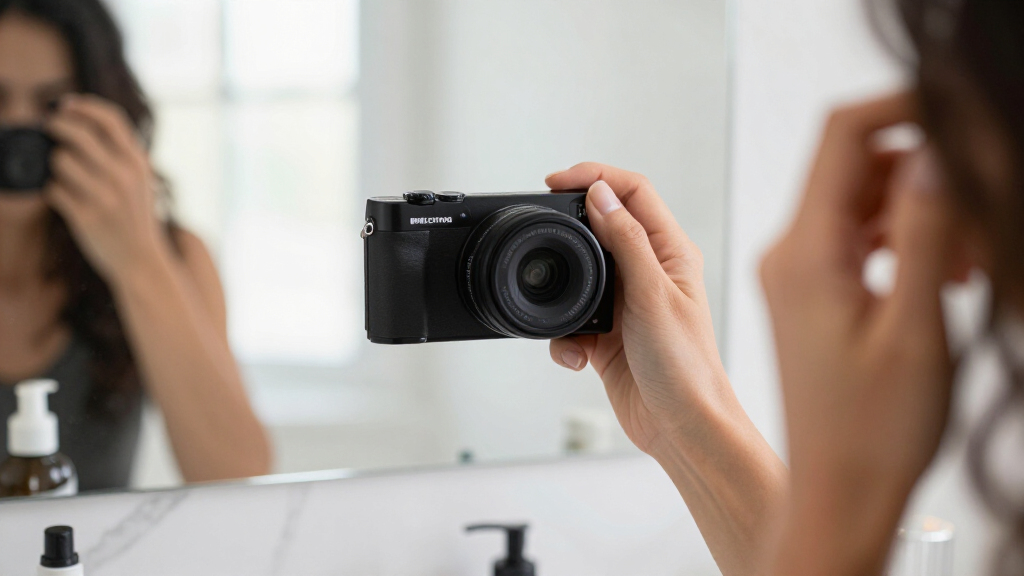
To determine the best compact mirrorless cameras, we evaluated each model based on core performance factors such as image quality, autofocus speed, and video capabilities. Usability also played a key role—intuitive controls, touchscreen interfaces, and ergonomic design influence daily shooting experience. Build quality and durability, especially for portable cameras, were considered alongside value for money, ensuring options are accessible without sacrificing essential features. Finally, we looked at versatility—such as lens options and connectivity—to recommend models suited for a range of photography styles. The ranking reflects a balance between these criteria, prioritizing models that deliver the most comprehensive features in a compact form.| compact mirrorless camera | Connectivity | Autofocus |
|---|---|---|
| Nikon Z50 II with Two Lenses | Wireless sharing via Nikon SnapBridge | Subject detection and tracking |
| Sony Alpha a6000 Mirrorless Di | Wi-Fi, NFC | — |
| Canon EOS M10 Mirrorless Camer | Wi-Fi, NFC | Hybrid CMOS AF II |
| Canon EOS M 18.0 MP Compact Sy | — | — |
| Sony ZV-E10 APS-C Mirrorless C | Wi-Fi, Bluetooth | Real-Time Eye AF |
| Canon EOS M200 Compact Mirrorl | Wi-Fi, Bluetooth | — |
| Sony Alpha a6400 Mirrorless Ca | — | Real-Time Eye AF |
| Canon EOS R100 Mirrorless Came | — | Dual Pixel CMOS AF, 143 zones |
| Nikon Z fc with 16-50mm Zoom L | SnapBridge, live streaming | — |
Factors to Consider When Choosing Best Compact Mirrorless Cameras
Choosing the best compact mirrorless camera involves more than comparing specs. It requires understanding how different features impact your photography experience and which tradeoffs are acceptable based on your needs. The following factors will help clarify what to prioritize and avoid common pitfalls.Sensor Size and Image Quality
Sensor size directly affects image quality, low-light performance, and depth of field. APS-C sensors, found in models like the Sony a6400, strike a good balance for most users—compact yet capable of producing sharp, detailed images. Smaller sensors may save space and cost but can compromise quality, especially in challenging lighting. When choosing, consider your typical shooting conditions to determine if a larger sensor justifies a slightly bigger or pricier camera.
Autofocus and Video Capabilities
Fast, reliable autofocus is essential for capturing moments without fuss, especially in dynamic scenes or videos. Look for cameras with eye-tracking or subject-tracking features for better results. If video is a priority, check resolution options like 4K and additional features such as microphone inputs or stabilization. Some models, like the Sony ZV-E10, are optimized for vlogging, making them better suited for content creators than casual shooters.
Size, Weight, and Ergonomics
Compactness is key, but not at the expense of comfort. A camera that’s too small may be difficult to grip or operate for long periods. Conversely, slightly larger models often offer better handling and more physical controls. Consider your typical usage—travel, daily carry, or occasional use—and choose a form factor that fits comfortably in your hand and bag.
Lens Ecosystem and Expandability
While many compact mirrorless cameras come with kit lenses, their true value often lies in the availability of additional lenses. Check if the camera system has a broad lens lineup suitable for your subjects—portraits, landscapes, or macro. A system with more lens options offers greater future expandability, especially if you plan to grow your photography skills without replacing your camera body.
Price and Value for Money
Higher price tags generally mean more advanced features, but not always better core performance for every user. Be wary of paying extra for bells and whistles you may not need. Focus on what features truly impact your shooting—such as autofocus, video, or portability—and select a model that offers a good balance of these within your budget.
Frequently Asked Questions
Is a larger sensor always better in a compact mirrorless camera?
While larger sensors typically yield better image quality, especially in low light, they also tend to increase the size and cost of the camera. Many APS-C sensors found in models like the Sony a6400 offer a good compromise, delivering high-quality images in a compact form. If portability is a priority, a smaller sensor may suffice, but for serious photography, a larger sensor often justifies the tradeoff.
Should I prioritize a camera with more megapixels or better autofocus?
Megapixels determine the resolution and level of detail in your images, but autofocus speed and accuracy often have a more immediate impact on capturing sharp shots. For most users, fast autofocus with reliable tracking is more valuable than a slight edge in resolution, especially for everyday photography or videos. Consider your typical subjects and choose accordingly.
Are mirrorless cameras with kit lenses enough for beginner use?
Yes, kit lenses provide a versatile starting point for beginners, offering decent quality across a range of focal lengths. As you gain experience, you might want to invest in additional lenses, but for initial use, a good kit lens paired with a user-friendly camera body can cover most needs. Focus on models with easy controls and helpful guides to streamline your learning curve.
How important is in-body image stabilization in a compact mirrorless camera?
In-body stabilization helps reduce blur caused by hand movement, especially in low-light or telephoto situations. While not all compact models include this feature, it can significantly improve image sharpness without a tripod. If you shoot often in dim conditions or want smoother videos, prioritize cameras with in-body stabilization, like the Sony a6400 or Nikon Z50 II.
Can I use my existing lenses on these compact mirrorless cameras?
Many systems offer adapters, allowing you to use older lenses from DSLRs or other mirrorless models, but compatibility and autofocus performance can vary. It’s best to choose a system with a broad lens ecosystem if expansion is part of your plan. Additionally, some compact models are more limited in their lens options, so check the available lineup before making a decision.
Conclusion
For those seeking the best overall performance in a compact size, the Nikon Z50 II offers a balanced mix of image quality, video, and portability. Budget-conscious buyers or those new to photography will find the Canon EOS M200 to be an excellent starter option, thanks to its user-friendly interface. Content creators and vloggers should consider the Sony ZV-E10 for its video-centric features and ease of use. If style and a retro design matter, the Nikon Z fc provides both form and function. Ultimately, your choice depends on your specific needs—whether that’s high-quality images, portability, or budget constraints—each of these models delivers a compelling option in 2026.
Fall yard work Picks
leaf blowers
As an affiliate, we earn on qualifying purchases.