The best climate-adaptive skincare products help skin cope with shifts in humidity, dryness, and sun exposure without adding unnecessary steps. I’d put La Roche-Posay Toleriane Double Repair Face Moisturizer in the best overall spot for its everyday barrier-focused approach, while Dermalogica Dynamic Skin Recovery SPF 50 stands out for daytime moisture with high SPF. For a lighter feel, Good Molecules Hydrating Gel Moisturizer is a practical option when rich creams feel uncomfortable. The main tradeoff is choosing between lightweight hydration, richer barrier support, and moisturizers that include sun protection. Read on for how the 13 options differ and which makes sense for your skin and routine.

Get beauty and skincare favorites delivered free — and shop member deals
- Fast, free delivery on millions of items
- Access to Prime Big Deal Days deals on October 6–7
- Prime Video, Amazon Music and more included
Complete the kit


Key Takeaways
- La Roche-Posay Toleriane Double Repair earns the overall position for a straightforward daily moisturizer, while richer choices such as AESTURA ATOBARRIER365 better suit dry or sensitive skin that needs a more substantial cream.
- Good Molecules Hydrating Gel Moisturizer and BYOMA Moisturizing Gel Cream serve buyers who prioritize a lighter texture; they are less compelling if your main need is a rich, protective layer in dry conditions.
- Dermalogica Dynamic Skin Recovery SPF 50 and Clinique Moisture Surge SPF 28 combine moisturizer with daytime sun protection, but they do not remove the need to apply enough product or reapply as directed.
- BYOMA Barrier Repair Treatment, Prequel Skin Hydrating Moisturizer, and Prequel Skin Peptide Face Moisturizer make barrier-support ingredients central to their appeal, though ingredient overlap means buyers should choose by texture and routine fit rather than collect all three.
- TATCHA The Dewy Skin Cream is the premium-feeling pick, while The Ordinary Natural Moisturizing Factors + Hyaluronic Acid offers a simpler moisturizer route; neither replaces a separate sunscreen when needed.
| The Ordinary Natural Moisturizing Factors + Hyaluronic Acid Moisturizer |  | Best Value Barrier Cream | Formula: Lightweight, non-greasy | Key ingredients: Amino acids, fatty acids, ceramides, urea, hyaluronic acid | Use: Final step in skincare routine, face | VIEW LATEST PRICE | See Our Full Breakdown |
| AESTURA ATOBARRIER365 Ceramide Cream for Dry and Sensitive Skin, 80 mL | 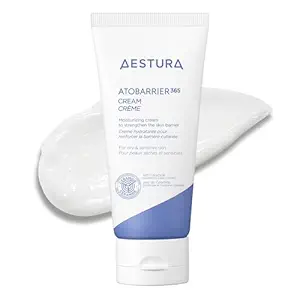 | Best for Harsh Winter Climates | Brand: AESTURA | Product line: ATOBARRIER365 | Product type: Ceramide face moisturizer | VIEW LATEST PRICE | See Our Full Breakdown |
| Dr.Althea 147 Barrier Cream, 0.50 Fl Oz (Ver.2) |  | Best for Frequent Climate Shifts | Brand: Dr.Althea | Size: 0.50 fl oz | Version: Ver.2 | VIEW LATEST PRICE | See Our Full Breakdown |
| TATCHA The Dewy Skin Cream, Rich Plumping Moisturizer with Hyaluronic Acid |  | Best Premium Pick | Brand: TATCHA | Product type: Rich plumping moisturizer | Key ingredients: Hyaluronic acid, Japanese purple rice, green tea, rice, algae, ginseng, wild thyme, sweet marjoram | VIEW LATEST PRICE | See Our Full Breakdown |
| Dr.Althea 345 Relief Cream, 0.50 Fl Oz (Ver. 2) |  | Best for Humid-Climate, Acne-Prone Skin | Brand: Dr.Althea | Size: 0.50 fl oz | Version: Ver. 2 | VIEW LATEST PRICE | See Our Full Breakdown |
| Good Molecules Hydrating Gel Moisturizer, 1.7 fl oz |  | Best Humid-Climate Value | Size: 1.7 fl oz | Formula: Oil-free gel | Skin types: Oily, combination, and blemish-prone | VIEW LATEST PRICE | See Our Full Breakdown |
| Dermalogica Dynamic Skin Recovery SPF 50 Anti-Aging Moisturizer |  | Best High-Sun Protection | SPF: 50 | Protection: Broad spectrum UVA/UVB | Texture: Non-greasy, medium-weight | VIEW LATEST PRICE | See Our Full Breakdown |
| Clinique Moisture Surge Broad Spectrum SPF 28 Sheer Hydrator Face Moisturizer |  | Best Sheer Daily Hydrator with SPF | SPF: 28 | Key ingredients: Hyaluronic acid, aloe bioferment, provitamin D | Skin type: All skin types, including sensitive | VIEW LATEST PRICE | See Our Full Breakdown |
| BYOMA Barrier Repair Treatment Moisturizer |  | Best for Dry-Climate Recovery | Product type: Facial treatment moisturizer | Key ingredients: Barrier Lipid Complex, avocado oil, ectoin, squalane | Skin types: All skin types | VIEW LATEST PRICE | See Our Full Breakdown |
| BYOMA Moisturizing Gel Cream |  | Best Barrier Care for Warm Weather | Product type: Face moisturizer | Texture: Lightweight cooling gel-cream | Key ingredients: Ceramides, cholesterol, fatty acids, niacinamide, green tea | VIEW LATEST PRICE | See Our Full Breakdown |
| La Roche-Posay Toleriane Double Repair Face Moisturizer |  | Best for Lightweight Barrier Support | Brand: La Roche-Posay | Product type: Face moisturizer | Key ingredients: Ceramide-3, niacinamide, glycerin, prebiotics | VIEW LATEST PRICE | See Our Full Breakdown |
| Prequel Skin Hydrating Moisturizer with Ceramides and Peptides |  | Best for Flexible Layering | Key ingredients: 1% ceramide NP, peptides, amino acids | Formula: Fragrance-free, pH-stabilized liquid emulsion | Skin types: Dry, sensitive, oily, and combination | VIEW LATEST PRICE | See Our Full Breakdown |
| Prequel Skin Peptide Face Moisturizer with Ceramides and Glycerin |  | Best for Face, Neck, and Chest | Key ingredients: Ferment-peptide complex, glycerin, polyglycerides, ceramides, linoleic acid, linolenic acid | Formula: Steroid-free, fragrance-free, pH-balanced | Skin types: All skin types, including sensitive and dry skin | VIEW LATEST PRICE | See Our Full Breakdown |
| climate-adaptive skincare product | Key ingredients | Formula |
|---|---|---|
| The Ordinary Natural Moisturiz | Amino acids, fatty acids, ceramides, urea, hyaluronic acid | Lightweight, non-greasy |
| AESTURA ATOBARRIER365 Ceramide | Ceramides, fatty acids, cholesterol, vitamin E, squalane | — |
| Dr.Althea 147 Barrier Cream | Ectoin, Ceramide NP, 7 types of hyaluronic acid | — |
| TATCHA The Dewy Skin Cream | Hyaluronic acid, Japanese purple rice, green tea, rice, algae, ginseng, wild thyme, sweet marjoram | — |
| Dr.Althea 345 Relief Cream | Niacinamide, Ceramide NP, resveratrol, Sodium DNA (rice bran PDRN), Centella Asiatica leaf water, tea tree leaf water, madecassoside | — |
| Good Molecules Hydrating Gel M | Sodium, potassium, magnesium, zinc, copper, betaine, inositol | Oil-free gel |
| Dermalogica Dynamic Skin Recov | — | — |
| Clinique Moisture Surge Broad | Hyaluronic acid, aloe bioferment, provitamin D | — |
| BYOMA Barrier Repair Treatment | Barrier Lipid Complex, avocado oil, ectoin, squalane | Fragrance-free, alcohol-free, soap-free, non-comedogenic |
| BYOMA Moisturizing Gel Cream | Ceramides, cholesterol, fatty acids, niacinamide, green tea | Oil-free, alcohol-free, fragrance-free, soap-free, non-comedogenic |
| La Roche-Posay Toleriane Doubl | Ceramide-3, niacinamide, glycerin, prebiotics | Oil-free, non-comedogenic, fragrance-free |
| Prequel Skin Hydrating Moistur | 1% ceramide NP, peptides, amino acids | Fragrance-free, pH-stabilized liquid emulsion |
| Prequel Skin Peptide Face Mois | Ferment-peptide complex, glycerin, polyglycerides, ceramides, linoleic acid, linolenic acid | Steroid-free, fragrance-free, pH-balanced |
More Details on Our Top Picks
The Ordinary Natural Moisturizing Factors + Hyaluronic Acid Moisturizer
For shoppers who want skin-identical barrier repair without a premium price tag, this option stands out for its no-frills formula of amino acids, ceramides, urea, and hyaluronic acid. Compared with AESTURA ATOBARRIER365, which also leans on a lipid complex, The Ordinary skips the squalane and vitamin E but delivers the same core barrier-support logic in a lighter texture. Its National Eczema Association acceptance makes it a credible pick for unpredictable indoor heating and dry winter air. The tradeoff is restraint rather than luxury: there is no antioxidant layer, no tint, no glow — just dependable moisture. Patch testing is recommended before use, and it should never go on broken skin, so reactive types need a cautious first week.
Pros:- Immediate hydration with skin-identical moisturizing ingredients
- Lightweight, non-greasy feel that suits most routines
- Supports the natural moisture barrier through ceramides and urea
- Accepted by the National Eczema Association
Cons:- Patch testing recommended before first use
- Cannot be applied to broken or compromised skin
- No active ingredients beyond hydration and barrier care
Best for: Budget-conscious buyers who move between dry heated offices and cold outdoor air and need simple, fragrance-free barrier support
Not ideal for: Anyone wanting treatment extras like niacinamide or antioxidants — this is hydration only, with no brightening or blemish benefits
- Formula:Lightweight, non-greasy
- Key ingredients:Amino acids, fatty acids, ceramides, urea, hyaluronic acid
- Use:Final step in skincare routine, face
- Recognition:Accepted by the National Eczema Association
- Skin barrier support:Yes
- Patch test:Recommended before use
Our verdict“This pick makes the most sense for buyers who want dependable, climate-proof hydration at the lowest possible complexity.”
AESTURA ATOBARRIER365 Ceramide Cream for Dry and Sensitive Skin, 80 mL
When humidity drops and radiators run all day, skin needs more than a gel can give. This cream answers with a triple lipid complex of ceramides, fatty acids, and cholesterol — the exact ratio skin uses to seal itself — plus squalane and vitamin E for extra cushion. Compared with The Ordinary NMF + HA, the 80 mL size and richer lipid load make it the better cold-weather workhorse, while its allergy-tested, non-comedogenic formula keeps it viable for sensitive faces. It is thicker than Dr.Althea 147 Barrier Cream, so humid-climate dwellers may find it heavy in summer. There are no actives for tone or blemishes here; this is purely a barrier preserver, and that single-mindedness is exactly why it earns its spot.
Pros:- Triple lipid complex mirrors the skin’s own barrier composition
- Generous 80 mL size lasts through a full winter season
- Fragrance-free, non-comedogenic, and allergy-tested
- Accepted by the National Eczema Association
Cons:- Rich texture can feel heavy in warm, humid conditions
- No actives for dark spots, blemishes, or anti-aging
- Ceramide capsule formula requires consistent use for best results
Best for: People in cold, dry climates or heavily air-conditioned environments whose skin feels tight, flaky, or reactive by midday
Not ideal for: Humid-climate or oily-skin buyers — the rich lipid texture can feel suffocating and sits heavier than gel alternatives like Good Molecules’ gel moisturizer
- Brand:AESTURA
- Product line:ATOBARRIER365
- Product type:Ceramide face moisturizer
- Volume:80 mL / 2.70 fl oz
- Key ingredients:Ceramides, fatty acids, cholesterol, vitamin E, squalane
- Skin types:Dry, normal, sensitive
- Fragrance-free:Yes
- Non-comedogenic:Yes
- Recognition:Accepted by the National Eczema Association
Our verdict“This cream is the right call for anyone whose skin cracks and tightens in dry, cold weather and who values lipid-heavy protection over multitasking actives.”
Dr.Althea 147 Barrier Cream, 0.50 Fl Oz (Ver.2)
The standout ingredient here is Ectoin, an extremophile-derived protectant studied for helping skin hold water under environmental stress — which is precisely what constant travel between climates demands. Layered with seven molecular weights of hyaluronic acid and Ceramide NP, this cream hydrates at multiple skin depths rather than just sitting on the surface. Compared with AESTURA ATOBARRIER365, it is lighter and silkier, making it the stronger pick for people alternating between dry cabins and humid destinations. The obvious tradeoff is size: at 0.50 fl oz, heavy daily users will burn through it fast, and there are no soothing botanicals like those in Dr.Althea’s own 345 Relief Cream. Think of it as precision climate armor in a travel-friendly jar rather than a value buy.
Pros:- Ectoin supports moisture retention under environmental stress
- Seven types of hyaluronic acid hydrate multiple skin layers
- Silky, non-greasy texture layers well under makeup
- Minimalist formula suitable for sensitive skin morning and night
Cons:- Small 0.50 fl oz size runs out quickly with daily use
- No soothing botanicals for redness or irritation flares
- Higher per-ounce cost than larger ceramide creams
Best for: Frequent flyers and commuters between radically different environments who need multi-depth hydration in a carry-on-friendly size
Not ideal for: Buyers wanting maximum value per ounce — the small size makes daily full-face use expensive compared with AESTURA’s 80 mL jar
- Brand:Dr.Althea
- Size:0.50 fl oz
- Version:Ver.2
- Key ingredients:Ectoin, Ceramide NP, 7 types of hyaluronic acid
- Skin type:Dry, sensitive
- Use:Morning and night
- Finish:Silky, non-greasy
- Texture:Lightweight, layers under makeup
Our verdict“This is the pick for climate-hopping travelers who prioritize Ectoin-driven protection and a layerable finish over volume and value.”
TATCHA The Dewy Skin Cream, Rich Plumping Moisturizer with Hyaluronic Acid
Where the other picks here are clinical and minimalist, this one leans into sensorial luxury with real skincare substance. Japanese purple rice, a green tea–rice–algae fermentation, and botanicals like ginseng and wild thyme deliver antioxidants alongside ceramide replenishment and hyaluronic acid plumping — so it shields against climate stress while visibly improving glow. Compared with AESTURA ATOBARRIER365, TATCHA offers more anti-aging and radiance benefit but less raw eczema-focused barrier repair; compared with Dr.Althea 147, it is far richer and better suited to desert-dry conditions. The tradeoffs are real: oily skin types will find the texture heavy, and it sits at the top of this roundup’s price band. For dry or combination skin wanting climate protection that doubles as a treat, nothing else here matches it.
Pros:- Intensely hydrates and seals in moisture for a dewy glow
- Antioxidant-rich botanicals plus ceramide replenishment
- Plumping and smoothing benefits beyond basic hydration
- Brand purchases support education equality initiatives
Cons:- Rich texture feels heavy on oily skin
- Premium price point well above drugstore ceramide creams
- Contains multiple botanical extracts that very sensitive skin may react to
Best for: Dry or combination-skin buyers who want intense cold-weather hydration plus visible glow and are willing to pay a premium for it
Not ideal for: Oily or acne-prone skin — the rich, emollient texture can clog pores, making Dr.Althea 345 Relief Cream the safer choice
- Brand:TATCHA
- Product type:Rich plumping moisturizer
- Key ingredients:Hyaluronic acid, Japanese purple rice, green tea, rice, algae, ginseng, wild thyme, sweet marjoram
- Skin type:Dry (also suitable for combination)
- Benefits:Hydrating, firming, smoothing, resurfacing, plumping
- Finish:Dewy, rich
- Social impact:Purchases support education equality initiatives
Our verdict“This option suits dry-skinned buyers who view climate protection and visible radiance as one purchase and accept a luxury price for it.”
Dr.Althea 345 Relief Cream, 0.50 Fl Oz (Ver. 2)
Hot, humid climates punish heavy creams, and this is the answer built for that problem. Its 3-4-5 formula architecture — three blemish-relief ingredients led by niacinamide, four nourishers including Ceramide NP and PDRN, and five soothers like Centella and madecassoside — means it manages breakouts while maintaining the barrier most acne products strip away. Compared with TATCHA Dewy Skin Cream, it swaps richness for a silky, weightless finish that survives humidity without clogging pores, backed by clinical non-comedogenic testing and vegan certification. Against Dr.Althea 147 Barrier Cream, it adds active blemish and dark-spot work but gives up the Ectoin stress shield. The catch: at 0.50 fl oz with dark-spot results requiring long-term consistency, patience and repurchases are part of the deal.
Pros:- Niacinamide and PDRN target blemishes and dark spots
- Centella and madecassoside calm reactive, irritated skin
- Clinically tested non-comedogenic and certified vegan
- Silky finish layers comfortably under sunscreen and makeup
Cons:- Small 0.50 oz size depletes quickly with daily use
- Dark-spot fading demands consistent long-term application
- Not rich enough for deep-winter dryness on its own
Best for: Sensitive, acne-prone skin in warm or humid climates that needs barrier care and blemish treatment in one non-greasy layer
Not ideal for: Very dry or mature skin in cold climates — the lightweight texture lacks the lipid heft of AESTURA or TATCHA for winter barrier sealing
- Brand:Dr.Althea
- Size:0.50 fl oz
- Version:Ver. 2
- Key ingredients:Niacinamide, Ceramide NP, resveratrol, Sodium DNA (rice bran PDRN), Centella Asiatica leaf water, tea tree leaf water, madecassoside
- Skin type:Sensitive, acne-prone
- Certifications:Non-comedogenic (clinically tested), vegan
- Targets:Dark spots, blemishes, sensitivity
- Finish:Silky, non-greasy
Our verdict“This is the clear pick for humid-climate buyers with acne-prone skin who refuse to sacrifice their barrier for blemish control.”
Good Molecules Hydrating Gel Moisturizer, 1.7 fl oz
When the air is already saturated with moisture, a heavy cream works against you — and that’s exactly where this oil-free electrolyte gel earns its spot. Sodium, potassium, and magnesium help skin hold onto water without adding occlusive weight, so it suits sticky, humid days better than richer picks like AESTURA ATOBARRIER365, which can feel suffocating in that weather. Compared with BYOMA Moisturizing Gel Cream, it skips ceramides entirely, trading barrier repair for pure lightweight hydration at a friendlier price. The catch: dry or mature skin will find it underpowered during winter or in arid climates, since there’s little to seal moisture in. Think of it as a seasonal specialist rather than a year-round workhorse.
Pros:- Electrolyte-based hydration suits high-humidity weather
- Fast-absorbing and layers cleanly under makeup and SPF
- Fragrance-free, vegan, and cruelty-free
- Larger 1.7 fl oz size offers strong value for a gel formula
Cons:- No barrier-repairing lipids or ceramides, so it underperforms in dry air
- Narrowly targeted at oily, combination, and blemish-prone skin
Best for: Oily and combination skin types in humid climates who want weightless hydration that layers under sunscreen without pilling
Not ideal for: Dry or mature skin in cold or arid climates — the lack of occlusives means hydration escapes quickly overnight
- Size:1.7 fl oz
- Formula:Oil-free gel
- Skin types:Oily, combination, and blemish-prone
- Key ingredients:Sodium, potassium, magnesium, zinc, copper, betaine, inositol
- Fragrance:Fragrance-free
- Usage:Morning and night, after serum
- Claims:Vegan, cruelty-free, non-comedogenic
Our verdict“A smart budget pick for humid climates and oily skin, but skip it if you need serious moisture retention in dry conditions.”
Dermalogica Dynamic Skin Recovery SPF 50 Anti-Aging Moisturizer
For buyers in high-UV climates, this is the lineup’s most protective daytime option. Its broad spectrum SPF 50 comfortably outshields Clinique Moisture Surge SPF 28, which sits below the SPF 30 threshold most dermatologists suggest for daily wear. The two-in-one design also folds anti-aging actives into the mix, softening fine lines while it shields — something no other daytime pick here attempts. The tradeoff is texture: this medium-weight formula can feel heavy on oily skin in hot weather, where the lighter Clinique or the Good Molecules gel layered under a separate sunscreen would sit better. It replaces two steps in your routine, but it commits you to that texture every sunny morning.
Pros:- Highest SPF in the roundup at broad spectrum SPF 50
- Combines sunscreen, moisturizer, and anti-aging actives in one product
- Non-greasy enough for all-day comfortable wear
- Suitable for sensitive skin
Cons:- Medium-weight texture feels heavy for oily skin in heat
- Less versatile at night, when the SPF component is wasted
Best for: Anyone in sunny or high-altitude climates who wants maximum daily UV protection plus anti-aging benefits in a single step
Not ideal for: Very oily skin types in hot, humid regions — the medium-weight cream can feel greasy by midday
- SPF:50
- Protection:Broad spectrum UVA/UVB
- Texture:Non-greasy, medium-weight
- Skin type:All skin types, including sensitive
- Use:Daily moisturizer and sunscreen
- Benefit:Anti-aging; helps reduce fine lines and wrinkles
Our verdict“The clear choice if intense sun exposure is your climate’s defining feature, provided your skin can handle the richer texture.”
Clinique Moisture Surge Broad Spectrum SPF 28 Sheer Hydrator Face Moisturizer
Climate-adaptive skincare often means fighting indoor dryness from heating and air conditioning, and this sheer hydrator is built for that fight. Hyaluronic acid and aloe bioferment pull in moisture while provitamin D helps counter daily stressors, and the formula disappears with no white cast — a real advantage over some mineral SPF hybrids. Compared with Dermalogica Dynamic Skin Recovery, it trades raw sun protection (SPF 28 versus SPF 50) for a lighter, more invisible finish that works under makeup. Compared with the plain Good Molecules gel, it adds sun defense but less electrolyte-driven oil balance. The honest drawback: SPF 28 falls short of the SPF 30+ benchmark for prolonged outdoor exposure, so it’s an urban indoor-outdoor option, not a beach-day solution.
Pros:- Hydrates and protects in one step with no white cast or residue
- Hyaluronic acid and aloe bioferment counter indoor dryness
- Allergy tested, dermatologist tested, and 100% fragrance free
- Layers invisibly under makeup
Cons:- SPF 28 is below the commonly recommended daily SPF 30 minimum
- Hydration alone may be too light for harsh winter outdoor conditions
Best for: Office workers and city dwellers who face dry, climate-controlled indoor air and want hydration plus incidental sun protection with an invisible finish
Not ideal for: People with extended outdoor sun exposure — SPF 28 doesn’t meet the SPF 30+ standard for prolonged UV defense
- SPF:28
- Key ingredients:Hyaluronic acid, aloe bioferment, provitamin D
- Skin type:All skin types, including sensitive
- Fragrance:100% fragrance free
- Testing:Allergy tested, dermatologist tested
- Finish:Sheer, no white cast or residue
Our verdict“Ideal for climate-controlled indoor life with light sun exposure; add a dedicated sunscreen for long days outside.”
BYOMA Barrier Repair Treatment Moisturizer
Harsh winter air, wind, and low humidity do damage that plain hydration can’t fix — they compromise the skin barrier itself. This treatment addresses that root problem with a Barrier Lipid Complex, ectoin (a stress-protection molecule), avocado oil, and squalane, making it the strongest recovery pick here alongside richer options like Dr.Althea 345 Relief Cream. Compared with its sibling, BYOMA Moisturizing Gel Cream, it’s the heavier, lipid-forward sibling built for dry, stressed skin rather than daily maintenance. Where the gel cream suits humid conditions, this one earns its keep when the weather strips your skin bare. The tradeoff: that richer texture can feel too heavy for oily skin or muggy climates, and it contains no SPF, so it’s a repair tool, not a daytime multitasker.
Pros:- Targets barrier repair, not just surface hydration
- Ectoin and squalane help skin resist environmental stress
- Reduces visible redness and supports dry-skin recovery
- Fragrance-free, alcohol-free, vegan, and cruelty-free
Cons:- Richer texture feels heavy in warm, humid weather
- No SPF, so it requires pairing with sun protection for daytime use
Best for: Anyone whose skin becomes dry, red, or irritated from cold winters, wind, or low-humidity indoor heating and needs barrier repair rather than surface hydration
Not ideal for: Oily skin in humid climates — the lipid-rich formula can feel heavy and contribute to congestion
- Product type:Facial treatment moisturizer
- Key ingredients:Barrier Lipid Complex, avocado oil, ectoin, squalane
- Skin types:All skin types
- Formula:Fragrance-free, alcohol-free, soap-free, non-comedogenic
- Vegan:Yes
- Cruelty-free:Yes
- Dermatologist tested:Yes
Our verdict“The best pick for repairing climate-damaged, dry, red skin — just pair it with sunscreen and skip it if you run oily.”
BYOMA Moisturizing Gel Cream
Most gel moisturizers hydrate but do nothing for the barrier — this one closes that gap. The Tri-Ceramide Complex with niacinamide and green tea delivers barrier support in a cooling, oil-free texture, which makes it unusually versatile: light enough for humid climates, protective enough for mildly dry conditions. Compared with Good Molecules Hydrating Gel Moisturizer, it adds real lipid repair instead of relying purely on electrolytes, making it the more adaptable pick for unpredictable weather swings. Against its sibling, BYOMA Barrier Repair Treatment, it’s the lighter alternative for those who found that cream too rich. Its limits show up in extremes — severe winter dryness will outpace it, and there’s no SPF for sunny climates. One practical annoyance: the listing doesn’t clearly state a volume, so check sizing before ordering.
Pros:- Ceramide-based barrier repair in a lightweight gel texture
- Niacinamide and green tea add calming, balancing benefits
- Cooling, fast-absorbing feel suits warm and humid weather
- Fragrance-free, alcohol-free, vegan, and cruelty-free
Cons:- Not occlusive enough for harsh winter or desert-dry conditions
- No stated size or volume makes value comparisons difficult
Best for: All skin types in warm or fluctuating climates who want barrier support without a heavy cream texture
Not ideal for: Severely dry or cracked winter skin — the gel-cream texture isn’t occlusive enough for extreme conditions
- Product type:Face moisturizer
- Texture:Lightweight cooling gel-cream
- Key ingredients:Ceramides, cholesterol, fatty acids, niacinamide, green tea
- Formula:Oil-free, alcohol-free, fragrance-free, soap-free, non-comedogenic
- Suitable for:All skin types
- Vegan:Yes
- Cruelty-free:Yes
- Dermatologist tested:Yes
Our verdict“The most balanced warm-weather pick for barrier-conscious buyers, provided your climate doesn’t swing into extreme dryness.”
La Roche-Posay Toleriane Double Repair Face Moisturizer
For changing conditions that leave skin feeling tight, ceramide-3, niacinamide, and glycerin give this moisturizer a clear barrier-supporting focus, while its oil-free, fast-absorbing texture suits daytime layering. The listed 48-hour hydration makes it a stronger fit for steady moisture between applications than a very light gel such as Good Molecules Hydrating Gel Moisturizer. It also covers the face and neck in one step. The tradeoff is that a lightweight lotion may fall short when cold, dry air leaves skin very parched; Prequel Skin Peptide Face Moisturizer includes richer-sounding emollient components such as polyglycerides and fatty acids. Niacinamide can also irritate some sensitive users at first, so this is a sensible pick for those who want a simple daily barrier lotion, with a patch test if their skin reacts easily.
Pros:- Ceramide-3, niacinamide, and glycerin support moisture-barrier care.
- Lightweight, fast-absorbing texture layers easily during daytime routines.
- Oil-free and non-comedogenic formula suits people concerned about clogged pores.
- Designed for face and neck with claimed hydration lasting up to 48 hours.
Cons:- May not feel moisturizing enough for very dry skin in harsh climates.
- Niacinamide may cause initial irritation for some sensitive users.
Best for: People with sensitive or combination skin who want a lightweight, fragrance-free daily moisturizer for face and neck.
Not ideal for: People with very dry skin facing harsh, cold weather who need a richer layer to relieve persistent tightness.
- Brand:La Roche-Posay
- Product type:Face moisturizer
- Key ingredients:Ceramide-3, niacinamide, glycerin, prebiotics
- Skin types:All skin types, including sensitive skin
- Formula:Oil-free, non-comedogenic, fragrance-free
- Application area:Face and neck
- Claimed barrier repair time:1 hour
- Claimed hydration duration:48 hours
Our verdict“Choose this for lightweight, daily barrier support on sensitive or combination skin; choose a richer moisturizer if cold weather leaves your skin very dry.”
Prequel Skin Hydrating Moisturizer with Ceramides and Peptides
Prequel Skin Hydrating Moisturizer stands out for a flexible routine: its lightweight liquid emulsion can be worn alone by oily skin or pressed beneath another cream when dry air calls for more coverage. That adaptability makes it a different choice from La Roche-Posay Toleriane Double Repair Face Moisturizer, which is positioned as a straightforward face-and-neck lotion with a stated 48-hour hydration claim. Here, the emphasis is 1% ceramide NP, peptides, and amino acids, paired with a fragrance-free, pH-stabilized formula. The lighter texture may feel easier in humid or warm conditions, but the same quality is a limitation when the climate turns cold and dry: dry skin may need an additional moisturizer on top. Dispensing also takes a little care because the product should be shaken and its plastic plug removed. This suits people who adjust layers seasonally rather than expect one moisturizer to do everything.
Pros:- Can be used alone for oily skin or layered under another moisturizer for dry skin.
- Contains 1% ceramide NP alongside peptides and amino acids.
- Fragrance-free formula is made for dry, sensitive, oily, and combination skin.
- Lightweight emulsion may suit warmer or more humid conditions.
Cons:- Dry skin may need another moisturizer layered over it.
- Shake-and-plug removal instructions add steps to dispensing.
- Patch testing is recommended, which may be inconvenient for people wanting immediate full-face use.
Best for: Combination or oily-skin users who want a lightweight, fragrance-free moisturizer they can layer differently as humidity and dryness change.
Not ideal for: People with dry skin seeking a stand-alone cream for cold, low-humidity weather or who prefer a simple ready-to-dispense package.
- Key ingredients:1% ceramide NP, peptides, amino acids
- Formula:Fragrance-free, pH-stabilized liquid emulsion
- Skin types:Dry, sensitive, oily, and combination
- Dry-skin use:Layer under another moisturizer
- Oily-skin use:May be used alone
- Dispensing:Shake well, remove plastic plug, dispense into hands, and press into skin
- Testing:Laboratory tested for purity and efficacy
- Patch testing:Recommended
Our verdict“Pick this if you want a light moisturizer whose place in your routine can change with the weather, and plan to layer a cream when your skin gets dry.”
Prequel Skin Peptide Face Moisturizer with Ceramides and Glycerin
When weather shifts affect more than the face, this morning-and-evening moisturizer is designed to cover the face, neck, and chest in the same routine. Its glycerin, ceramides, polyglycerides, and linoleic and linolenic acids give it a broader softening and moisture-support profile than the lighter, layerable Prequel Skin Hydrating Moisturizer with Ceramides and Peptides. The fragrance-free, pH-balanced formula is also described as suitable for sensitive and dry skin, making it a plausible everyday option when those areas need consistent care. The tradeoff is less flexibility for oily skin that prefers a barely-there emulsion, and the product data offers no usage testing or results to compare with the specific hydration claims listed for La Roche-Posay Toleriane Double Repair Face Moisturizer. Patch testing is recommended, so reactive skin users should introduce it cautiously.
Pros:- Covers face, neck, and chest in one routine.
- Glycerin and ceramides support hydration and moisture-barrier care.
- Fragrance-free, steroid-free, and pH-balanced formula.
- Made for morning and evening use and described as suitable for sensitive and dry skin.
Cons:- May feel less suitable than a lightweight emulsion for oily-skin preferences.
- Patch testing is recommended before use.
- Product data provides no specific hydration-duration or barrier-repair claim.
Best for: People with dry or sensitive skin who want one fragrance-free moisturizer for the face, neck, and chest in both morning and evening routines.
Not ideal for: People with oily skin who prefer a very light liquid moisturizer, or anyone who needs product-specific efficacy evidence before choosing.
- Key ingredients:Ferment-peptide complex, glycerin, polyglycerides, ceramides, linoleic acid, linolenic acid
- Formula:Steroid-free, fragrance-free, pH-balanced
- Skin types:All skin types, including sensitive and dry skin
- Use:Morning and evening
- Application areas:Face, neck, and chest
- Patch testing:Recommended
Our verdict“Choose this if dry or sensitive skin on your face, neck, and chest needs one fragrance-free moisturizer for day and night.”
How We Picked
I compared the 13 moisturizers through the needs implied by climate-adaptive skincare: maintaining comfortable hydration as conditions change, choosing a texture that fits the weather and skin type, supporting the skin barrier, and deciding whether built-in SPF is useful. I also considered how easily each option can fit into a routine, whether its positioning is clear, and what a buyer gives up by choosing it. Since formulas with similar goals can feel quite different, I treated texture and intended use as buying factors rather than assuming one ingredient suits everyone.
The ranking favors adaptable everyday use and a clear role for the buyer. La Roche-Posay Toleriane Double Repair leads as a balanced daily choice; lighter gels rank well for humid conditions, richer creams for dry or sensitive skin, and SPF moisturizers for buyers seeking a combined daytime step. Premium positioning alone does not lift a product: TATCHA is placed for those who value a richer, more indulgent cream, while simpler or more targeted formulas may be a better fit for routine-focused buyers. Individual tolerance varies, so I would patch test a new moisturizer, especially on reactive skin.
Factors to Consider When Choosing Best Climate-adaptive Skincare Products
Climate-adaptive skincare is less about finding one cream for every forecast and more about matching the amount and type of moisture to your environment and routine. I’d use these broader checks to narrow the field before deciding between similar formulas.
Match texture to the conditions you actually face
Humidity can make a thick layer feel slick, while cold air, indoor heating, or frequent washing may leave a lightweight gel feeling insufficient. Think about where your skin spends most of the day, since heated offices and air-conditioned rooms can be drier than the outdoor weather suggests. A gel can work well in warm, humid conditions, but that does not mean it is automatically a better choice for oily skin. Likewise, a rich cream can feel comfortable in winter yet sit heavily under makeup in summer. The common mistake is buying by season alone without noticing how your skin responds indoors. If your conditions vary sharply, a lighter daytime moisturizer and a richer evening layer can be more flexible than forcing one texture to do both jobs.
Treat barrier support as a routine issue
Moisturizer can support comfortable skin, but it cannot offset every source of irritation. Cleansers, exfoliants, retinoids, and frequent product changes can all affect how the skin feels across the week. Before adding multiple barrier-focused products, look at whether your routine is already crowded or drying. A simpler routine can make it easier to notice which product helps and which one causes discomfort. Buyers often assume that more ceramides, peptides, or soothing claims automatically mean better results; tolerance and consistency matter more than stacking similar formulas. If your skin reacts easily, introduce one new product at a time and patch test before applying it broadly.
Decide whether moisturizer with SPF fits your day
A moisturizer with SPF can make a morning routine easier, especially when you prefer fewer layers. The tradeoff is that sun protection depends on applying an adequate amount and reapplying when needed, which some people find harder with a moisturizer they use sparingly. Consider your outdoor time, makeup habits, and whether you already have a sunscreen you like using consistently. SPF 28 and SPF 50 options in this lineup do not serve exactly the same preference, but the number alone does not determine whether the product fits your routine. For extended outdoor exposure, a dedicated sunscreen may be more practical to apply and reapply. Do not treat a daytime moisturizer as sun protection if its label directions or your use do not support that role.
Pay for the benefit you will notice
A premium moisturizer may appeal through its texture, finish, packaging, or a more indulgent routine experience. Those qualities can matter if they make you more likely to use it consistently, but they do not guarantee that it will adapt better to changing conditions. Compare the product’s intended role with what you already own: a second rich cream may add little if your current moisturizer already handles dry weather. Conversely, a targeted formula can be worth choosing if it replaces several steps you otherwise find inconvenient. Avoid judging value by the length of an ingredient list or by premium branding alone. The useful question is whether the formula’s feel and function solve a problem you encounter often enough.
Plan for seasonal changes without overhauling everything
Many people only need to adjust how much moisturizer they use or when they apply it as conditions change. Starting with a new cleanser, serum, and cream at the same time makes it difficult to identify what is helping. Keep the parts of your routine that remain comfortable, then change one variable if dryness, tightness, or excess shine becomes persistent. Travel can also alter skin comfort through dry cabin air, unfamiliar water, or a different schedule, so a familiar moisturizer may be more useful than several specialized products. A compact routine is easier to maintain when the weather shifts. If discomfort continues or becomes severe, a moisturizer comparison may not be enough to address the cause.
Frequently Asked Questions
Can one moisturizer work in both humid summers and dry winters?
It can, if the texture remains comfortable and leaves your skin feeling adequately hydrated in both settings. You may be able to adjust the amount or apply it only where you feel dry rather than switching products. A lightweight gel that feels good in humidity may not provide enough comfort during cold weather or indoor heating. A rich cream can work year-round for dry skin but feel heavy in heat. Try changing one part of your routine at a time so you can tell whether the moisturizer or another factor is behind a change in comfort.
Should I choose an SPF moisturizer or use a separate sunscreen?
Choose based on what you will apply consistently and in the amount directed on the label. An SPF moisturizer can simplify a morning routine, but people often apply less moisturizer than is needed for the stated sun protection. A separate sunscreen may be easier to layer and reapply during a long day outside. You can also use a moisturizer first and sunscreen as a distinct final step if that suits your routine. Check the product directions and do not assume that a moisturizer’s SPF eliminates the need to reapply.
Is a gel moisturizer enough if my skin feels oily but tight?
Oily skin can still feel dehydrated or uncomfortable, so choosing the lightest possible formula is not always the answer. A gel may feel pleasant in humid weather, but persistent tightness can signal that you need more hydration or a different routine balance. Consider whether your cleanser or exfoliating products leave your skin feeling stripped before adding several new products. Start with a modest amount and see how your skin feels after it settles. If a gel does not provide enough comfort, a light cream may be a better fit even if your skin gets shiny.
How should I choose between several moisturizers with barrier-focused ingredients?
Start with texture, intended use, and how many steps you want in your routine. Similar ingredient themes do not mean products will feel or perform identically on your skin. Check for known personal sensitivities and consider whether you need a daily moisturizer, a richer layer for dry periods, or a lighter formula for daytime. Introduce one option at a time so you can identify irritation or a good fit. Buying several barrier creams at once often makes it harder to tell which one is earning its place.
When should I switch moisturizers as the weather changes?
There is no need to switch on a fixed calendar. Consider a change when your usual amount no longer leaves your skin comfortable, or when a familiar cream feels persistently heavy in warmer, more humid conditions. First try adjusting how much you apply or reserving richer moisturizer for drier areas and nighttime. If the discomfort persists, move to a different texture and give that change time before adding other products. Ongoing irritation or severe dryness may call for advice from a qualified skin professional.
Conclusion
For most routines, I’d start with La Roche-Posay Toleriane Double Repair as the best overall option because it has a clear everyday role. The simpler The Ordinary Natural Moisturizing Factors + Hyaluronic Acid is my best value direction for buyers who want a straightforward moisturizer, while TATCHA The Dewy Skin Cream is the best premium pick for those who prefer a richer, more indulgent feel. Beginners can start with Good Molecules Hydrating Gel Moisturizer if they want a lightweight texture, or choose La Roche-Posay for a more balanced daily cream. For dry or sensitive skin, compare AESTURA ATOBARRIER365 with the barrier-focused BYOMA and Prequel options; for daytime SPF convenience, look at Dermalogica or Clinique. Choose the texture and routine role you can use consistently as your conditions change.
Fall Picks
fall essentials
As an affiliate, we earn on qualifying purchases.