
TL;DR
Get ready for Prime Big Deal Days — try Prime free
Exclusive member deals on October 6–7, plus fast free delivery. Cancel anytime.
Start your free trialAs an affiliate, we earn on qualifying purchases.
A new exhibition highlights the aesthetic and cultural importance of stone walls worldwide. Experts emphasize their historical value and ongoing relevance in modern design.
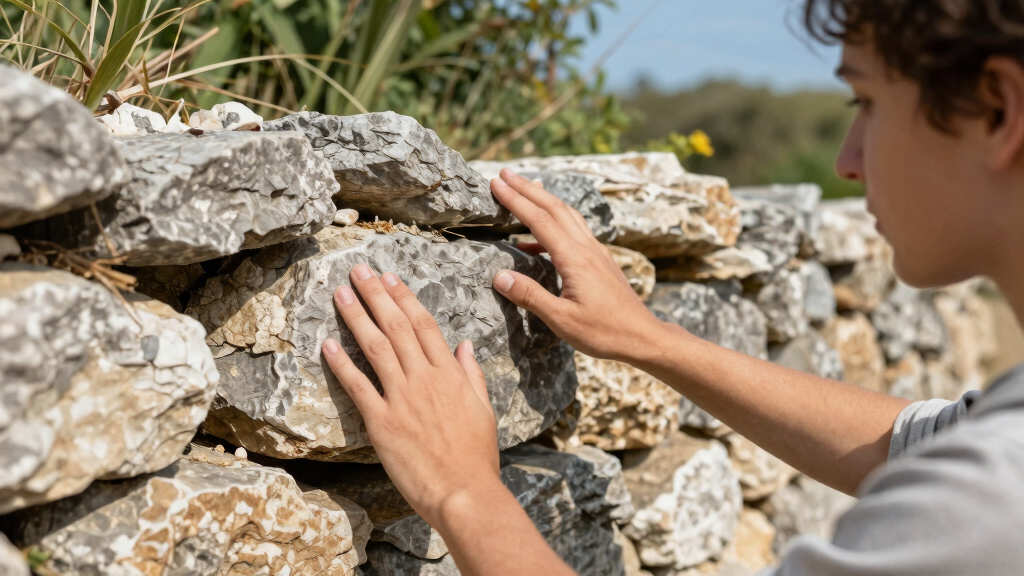
A new exhibition showcasing the artistic and cultural value of stone walls has opened in downtown historic district, drawing attention from architects, historians, and the public. The event highlights the enduring beauty and significance of stone walls across different cultures and eras, emphasizing their role beyond mere boundary markers. Their cultural symbolism continues to influence modern design.
The exhibition features over 100 stone walls from various regions, including Europe, Asia, and the Americas. Curators and experts have confirmed that these structures are valued not only for their durability but also for their aesthetic appeal and historical importance. The display includes detailed photographs, historical documentation, and artistic interpretations of stone walls, illustrating their role in landscape design, cultural identity, and architecture.
Scholars note that stone walls have been used for thousands of years, dating back to ancient civilizations such as the Egyptians and Romans. For more on timeless beauty, check out our plastic-free beauty products guide. The exhibition emphasizes their craftsmanship, with some walls dating back over a millennium, showcasing regional construction techniques and cultural symbolism in architecture. The event also features discussions on how modern architects are inspired by traditional stone wall techniques for sustainable and aesthetic design.
Why Stone Walls Matter in Cultural and Architectural Heritage
The renewed focus on stone walls underscores their importance as cultural artifacts and elements of architectural identity. They serve as tangible links to history, reflecting regional craftsmanship, social organization, and environmental adaptation. For contemporary society, appreciating these structures promotes cultural preservation and inspires sustainable design practices, as stone is a natural and durable material. Experts argue that recognizing the artistry behind stone walls can foster greater appreciation and conservation efforts, ensuring their survival for future generations.
As an affiliate, we earn on qualifying purchases.
Historical and Cultural Roots of Stone Wall Construction
Stone walls have a long history, with evidence of their use dating back over 4,000 years. Ancient civilizations used them for boundary demarcation, defense, and terracing agricultural land. In Europe, medieval stone walls defined estates and protected communities, while in Asia, similar structures served spiritual and territorial purposes. The 20th and 21st centuries have seen a resurgence of interest in traditional craftsmanship, with artisans and architects drawing inspiration from historical techniques. Recent archaeological discoveries have uncovered previously unknown stone structures, further emphasizing their historical significance.
“Stone walls are more than just boundaries; they are enduring symbols of regional identity and craftsmanship that tell stories across generations.”
— Dr. Maria Lopez, cultural historian
As an affiliate, we earn on qualifying purchases.
Uncertainties Surrounding the Preservation and Interpretation of Stone Walls
While the exhibition showcases a wide range of stone walls, it is not yet clear how many structures are at risk of deterioration due to environmental factors or urban development. Conservation techniques vary, and some experts question whether current preservation efforts are sufficient to protect these structures long-term. Additionally, the cultural interpretations of certain walls remain debated among scholars, with ongoing research needed to fully understand their significance.
As an affiliate, we earn on qualifying purchases.
Future Initiatives for Stone Wall Preservation and Education
Organizers plan to expand educational programs and conservation projects aimed at protecting historic stone walls worldwide. There is also an initiative to develop digital archives and virtual tours to increase public awareness. Experts recommend increased funding for preservation and further archaeological research to uncover more about the origins and cultural meanings of various stone structures. The exhibition will run through the summer, with plans for traveling displays to reach broader audiences.
As an affiliate, we earn on qualifying purchases.
Key Questions
Why are stone walls considered culturally significant?
Stone walls are considered culturally significant because they reflect regional craftsmanship, historical land use, and social organization. They serve as tangible links to the past and symbolize regional identity across generations.
How are modern architects inspired by traditional stone walls?
Architects draw inspiration from the durability, aesthetic qualities, and sustainable aspects of traditional stone wall techniques to inform contemporary landscape and building designs.
What are the main threats to historic stone walls today?
Environmental factors such as weathering, pollution, and urban development pose significant risks. Conservation efforts are ongoing, but some structures remain vulnerable without proper preservation measures.
Can new stone walls be built in the traditional style?
Yes, artisans and builders continue to recreate traditional techniques, often using local materials, to preserve the cultural heritage and aesthetic of historic stone walls.
Source: rss
NFL season / tailgating Picks
team gear
As an affiliate, we earn on qualifying purchases.