TL;DR

Get beauty and skincare favorites delivered free with Prime
- Fast, free delivery on millions of items
- Prime Video, Amazon Music and more included
- Member-only deals all year
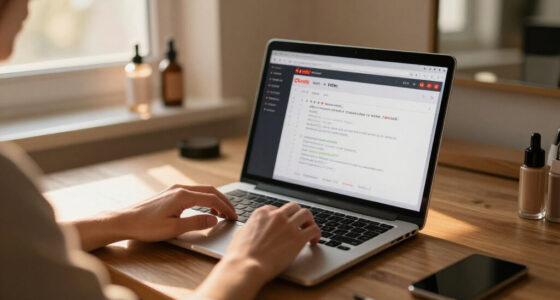
Dermaself has adapted its selfie-based skin analysis platform for remote cosmetic efficacy studies run by testing laboratories. Volunteers take guided photos at home, and the AI compares skin measurements with each person’s baseline; the laboratory remains responsible for study design, expert review and conclusions. Study scale, validation details and regulatory acceptance of results depend on the specific study and are not established in the source material.
Milan-based beauty tech company Dermaself has adapted its AI skin-analysis platform for remote cosmetic studies, allowing testing laboratories to collect guided volunteer photos at home and compare skin measurements over time. The system is intended to support laboratories’ efficacy testing, while labs retain responsibility for study protocols, expert evaluation and final conclusions.
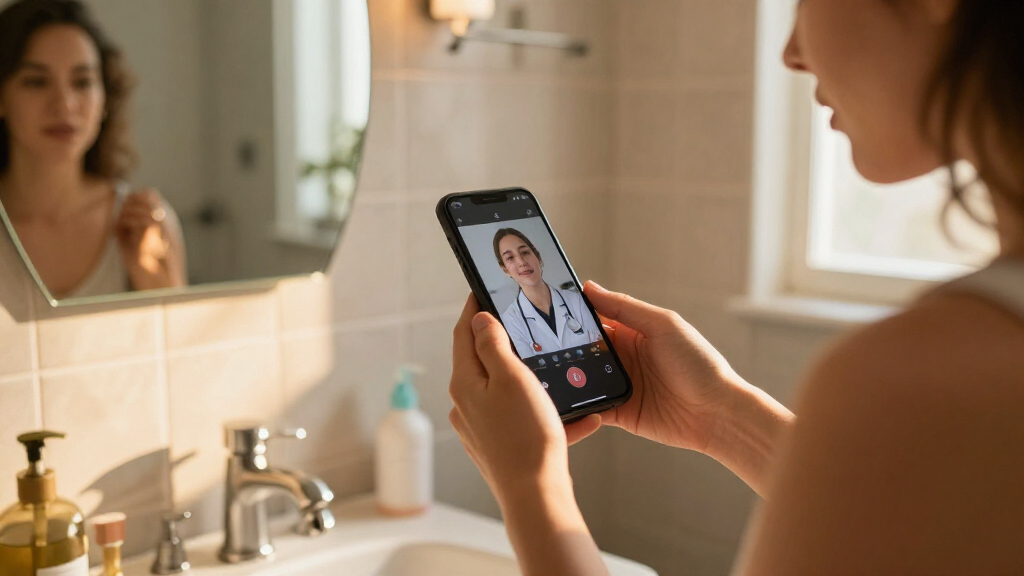
Under the proposed workflow, a testing laboratory sets the study protocol, chooses measurement points and selects from more than 60 visible skin parameters grouped into nine areas. Volunteers take a guided baseline photo before using a product, then repeat the capture at scheduled checkpoints—for example, after two, four and eight weeks. Dermaself says the platform can be set up for a study in five days.
The AI measures each image using the same criteria and compares results with that volunteer’s baseline. The laboratory receives measurements for individuals and the overall group, then its experts prepare the study report and conclusions. Dermaself says the platform can accommodate up to 10,000 volunteers; that is a stated capacity, not evidence that a study of that size has been completed.
Dermaself says its system uses patent-pending colour normalisation to correct for differences in lighting and colour in submitted photos. It reports repeatability of 0.92–0.93 on repeated measurements of the same skin. The source report does not specify the calculation method, testing conditions or independent evaluation behind that figure, so it should be read as a company-reported performance measure.
How At-Home Study Capture Could Change Testing
Remote photo capture could let laboratories recruit volunteers who would otherwise find regular trips to a test site difficult, and could reduce dependence on a site’s capacity. For brands, the approach may make larger or more geographically varied studies practical, while photos taken at home reflect product use outside a controlled testing facility. Those are potential advantages described by Dermaself, not demonstrated outcomes for every study.
Consistent image scoring is another potential benefit. Manual grading can differ among evaluators, while an automated system applies the same measurement rules across images and time points. That could help laboratories track changes across a cohort. Still, image-based measurements do not by themselves establish that a product caused a change or substantiate a particular marketing claim. Study design, expert interpretation and claim decisions remain with the laboratory and the brand’s regulatory team.
Popular right now

De'Longhi 15-Bar Pump Espresso Machine with Milk Frother & Temperature Control

TCL QM64L 85-Inch QD-Mini LED 4K Smart Fire TV

Ninja Flip Toaster Oven and Air Fryer, 8-in-1, Stainless Steel, SP151
As an affiliate, we earn on qualifying purchases.
From Retail Skin Advice to Research Measurement
Dermaself already offers skin analysis for brand and retailer websites, stores and events. Its AI analyses selfies, assesses visible skin characteristics and can recommend a routine using products from a brand’s catalogue. The company says the system reads product ingredient lists, known as INCI lists, when generating those recommendations.
The report attributes the underlying skin taxonomy to Derming, an independent research institute in Monza with more than 30 years of dermatological research. It says the taxonomy was validated using more than 100,000 clinical images reviewed by board-certified dermatologists. That figure concerns the research behind the taxonomy; it does not establish the number of participants in Dermaself’s remote studies.
For remote research, Dermaself supplies the capture and measurement platform rather than taking over the testing laboratory’s role. A brand can ask its existing laboratory whether it offers the system, according to the report. The lab continues to manage volunteers, protocol and reporting.
Validation, Privacy and Claim Limits
The source report does not identify completed remote studies, published results or independent assessments of the platform’s performance in home-use conditions. It also does not explain how the reported repeatability score is calculated, or provide details that would let readers compare it with other measurement methods. The stated capacity of up to 10,000 volunteers is not accompanied by an example of a study reaching that scale.
Dermaself says volunteers’ faces are irreversibly anonymised before analysis using patent-pending 3D anonymisation, while data-protection terms are agreed with the laboratory before each study. The report does not provide technical documentation or study-specific privacy terms. It also does not establish whether regulators or other bodies have accepted results from this system to substantiate particular cosmetic claims. Those decisions remain specific to the evidence, protocol and applicable requirements.
Laboratories Set the Next Study Steps
The immediate route for brands is through the testing laboratory that already conducts their efficacy studies, rather than necessarily contracting with Dermaself directly. A laboratory would decide whether remote capture fits its protocol, define endpoints and checkpoints, and oversee volunteer participation and analysis. Dermaself says laboratories can request a demonstration, but the source report gives no named partner, scheduled rollout or timeline for adoption.
For any study using the platform, the next milestones will be the laboratory’s protocol and recruitment plan, followed by collection of baseline and checkpoint images and expert review of the resulting measurements. Whether the evidence supports a product claim will be decided by the laboratory and brand regulatory team after reviewing the study results.
Key Questions
What has Dermaself announced?
Dermaself has adapted its AI skin-analysis platform for remote studies run by testing laboratories. Volunteers can take guided photos at home for repeated measurement during a study.
Does the AI replace the testing laboratory?
No. The laboratory sets the protocol, manages the study and its volunteers, and prepares the report and conclusions. Dermaself says its AI automates image measurement; it does not replace expert evaluation.
How often do volunteers take photos?
The laboratory sets the schedule. Dermaself’s example includes a baseline photo followed by captures at two, four and eight weeks, but checkpoints depend on the study protocol.
Can the measurements prove a cosmetic product claim?
Not on their own. The report says the laboratory and the brand’s regulatory team decide whether a study’s data supports a specific claim. It does not establish regulatory acceptance for this platform’s results.
How does Dermaself address volunteer privacy?
Dermaself says it irreversibly anonymises faces before analysis with a patent-pending 3D process, and that data-protection terms are agreed with each testing laboratory. The source report does not provide technical documentation or the terms for individual studies.
Source: rss