TL;DR

Get beauty and skincare favorites delivered free with Prime
- Fast, free delivery on millions of items
- Prime Video, Amazon Music and more included
- Member-only deals all year
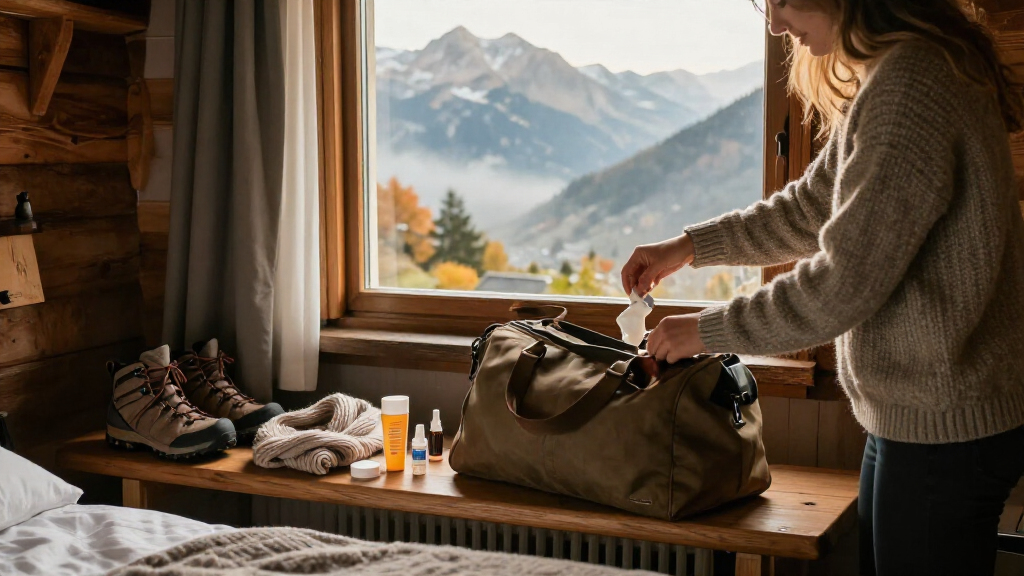
A Who What Wear writer reported packing a carry-on for a week in Switzerland’s Jungfrau Region, using layers and versatile clothing for hikes, railway trips and dining. Her list included fleece-lined jackets, long-sleeve tops, hiking boots, leggings, sweaters, cold-weather accessories and a packable windbreaker.
Who What Wear has published a first-person packing report from a writer’s fall trip to Grindelwald and the wider Jungfrau Region of Switzerland, detailing the layers and footwear she used across a week of hiking, railway rides and sightseeing. The account offers a practical clothing list for travelers facing changing conditions between Alpine valleys and high mountain destinations, though it reflects one traveler’s experience rather than a general forecast or product test.
The writer says she traveled carry-on only and wore every item she brought during the week. Her main categories were fleece-lined jackets, long-sleeve base layers and hiking boots, supplemented by cable-knit sweaters, leggings, lightweight cold-weather accessories and a packable windbreaker. She describes choosing neutral, versatile pieces that could be combined for different activities.
Her account links the clothing choices to the range of conditions and plans on the trip. She wore a fleece-lined jacket for outdoor walks and hikes, while a windbreaker could be packed and added as protection from wind at higher elevations. She also says she used supportive leggings in place of technical hiking pants and brought a scarf, beanie or gloves in her day pack for colder moments.
The itinerary included travel on the Jungfrau Railway, walks and hikes, visits to an ice palace, and time in and around Grindelwald. The writer also mentions dining out, including fondue, as a reason for bringing sweaters that felt suitable beyond outdoor activities. The report lists example products from brands including Zara, H&M, Danner, J.Crew and Aritzia; those examples are the writer’s selections, not independent recommendations or a comparative product review.
Packing for Alpine Weather Shifts
The report is useful to readers planning a fall trip across different Alpine elevations, where a mild valley walk and a windy mountain outing may call for different layers. Its central practical point is to prepare for changing conditions with clothing that can be added, removed or reused, rather than relying on one outfit or one heavy coat.
The account also shows how a compact travel wardrobe can cover several kinds of activities: hiking, railway travel and evening meals. That does not mean the listed items will suit every itinerary or weather pattern. Travelers should check forecasts and activity requirements for their own dates, and treat the writer’s experience as an example rather than a guarantee of warmth, comfort or suitability.
Popular right now

Apple AirPods Pro 3 Wireless Earbuds with Active Noise Cancellation

Ninja Foodi Dual Zone Smart XL Air Fryer, 10 Qt, 6-in-1, Black (DZ550)

De'Longhi Rivelia Fully Automatic Espresso Machine with Milk Frother, White
As an affiliate, we earn on qualifying purchases.
A Week in Grindelwald
The writer says she visited Grindelwald last month, traveling from Interlaken toward Männlichen and other destinations in the Jungfrau Region. She describes the trip as a mix of scenic walks, mountain travel, sightseeing and dining. The report does not give exact travel dates or a day-by-day itinerary.
Her choices were shaped by a carry-on-only approach and a fall visit. The article frames the pieces as adaptable for cool-weather wardrobes, but its information comes from one trip. It does not provide a systematic assessment of gear, technical specifications for every item, or a full account of conditions during the visit.
““I wore every piece I brought.””
— Who What Wear writer
What the Packing Report Cannot Establish
The source does not identify the trip’s exact dates, daily temperatures or weather conditions, so readers cannot determine how closely those conditions match a planned visit. It also does not say how many garments were packed in each category or provide a full packing list beyond the featured clothing and accessories.
The article is a personal report, not a controlled review. It does not establish that the named products are necessary, perform equally well for all hikers, or are appropriate for every route. The writer’s description of leggings, jackets and boots records her experience; it is not a substitute for checking trail conditions, footwear needs or local guidance before a hike.
Check Conditions Before You Go
The report provides no announced follow-up or new travel development. For readers planning a similar trip, the practical next step is to check the forecast for each destination and elevation close to departure, then confirm the demands of planned routes and activities. A flexible layering plan can be adjusted to those conditions rather than copied item for item from one traveler’s list.
As presented, the article remains a single traveler’s account of a fall week in the Jungfrau Region. Any broader conclusions about what visitors should pack would require additional information about season, route, weather and individual needs.
Key Questions
What did the writer pack for her fall trip to Switzerland?
She lists fleece-lined jackets, long-sleeve layers, hiking boots, cable-knit sweaters, supportive leggings, cold-weather accessories and a packable windbreaker. She says she traveled with carry-on luggage and wore every item during the week.
Where did the trip take place?
The writer says she visited Grindelwald and the Jungfrau Region in Switzerland, traveling by Jungfrau Railway and describing outings around the region, including toward Männlichen.
Does the article establish that these items work for all Alpine trips?
No. It records one writer’s experience on one fall trip and does not provide a general gear test. Weather, routes and personal needs can differ, so travelers should check conditions for their own plans.
Why did the writer bring a windbreaker?
She says conditions changed with altitude and that a lightweight shell could be layered over a fleece-lined jacket in strong, cold winds. The source does not give exact weather readings from the trip.
Source: whowhatwear.com