
TL;DR

Get beauty and skincare favorites delivered free with Prime
- Fast, free delivery on millions of items
- Prime Video, Amazon Music and more included
- Member-only deals all year
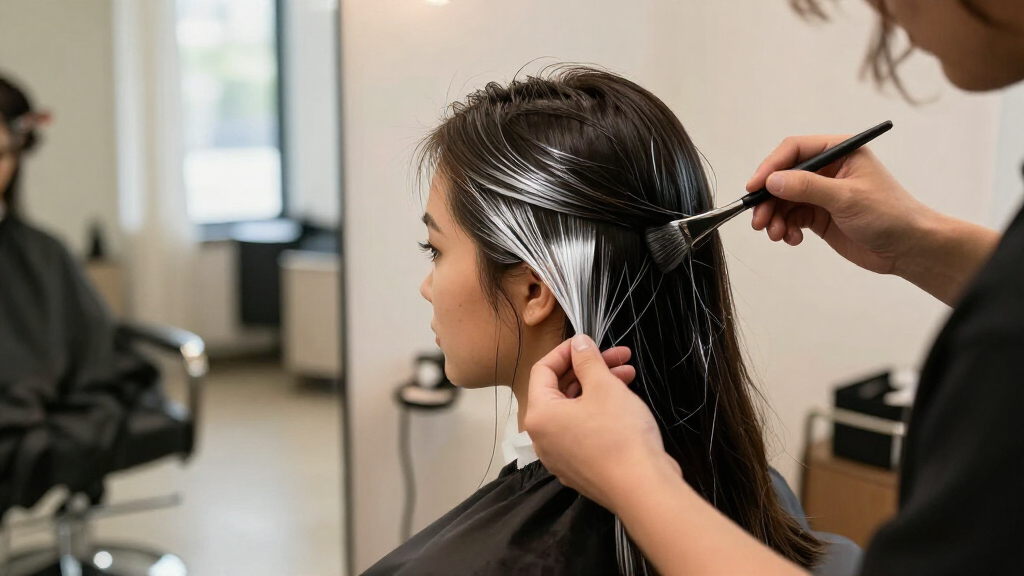
Silver framing uses pale, silver-toned highlights around the face to add brightness and blend with natural gray hair. Harper’s Bazaar reports that colorists describe it as adaptable to different levels of gray, though results depend on the starting hair color and may require careful lightening. Salon visits can be spaced about 10 to 12 weeks apart, according to one colorist.
Silver framing, a highlighting technique that places pale, silver-toned strands around the face, is being presented as a way to add brightness and dimension while working with natural gray hair. In a report for Harper’s Bazaar, color specialists described options ranging from fine, subtle highlights to a bolder face-framing result, with suitability depending partly on a person’s starting hair color and amount of gray.
The technique focuses on hair around the hairline, where a colorist lightens selected strands and uses toner to create a clean, silvery shade. Christel Barron-Hough, founder of STIL Salon, described the general idea as creating “a natural highlight next to gray hair.” Depending on the desired effect, the woven sections can be very fine or thicker and more noticeable.
Siobhan Haug, a color specialist and co-founder of Haug London Haus, told Harper’s Bazaar that the method can support a gradual blend rather than cover gray completely. She said woven highlights allow glimpses of a person’s natural color to remain between lighter sections, helping soften the appearance of regrowth. The report also notes that a more defined, money-piece-like look is possible.
The approach may work best for people with substantial gray or a dark-blonde starting color, Barron-Hough said. Lightening very dark brown or black hair to pale silver can be difficult; light brown can be worked with, but may need thinner highlights and more careful technique. For people with curly hair, Haug recommends textured weaves and additional dimension. The colorists suggest salon appointments as far apart as 10 to 12 weeks, with silver shampoo and conditioner and, where possible, a toner appointment between visits.
A Softer Way to Blend Gray
Silver framing offers an option for people who want to make gray hair part of their color rather than conceal it with an all-over dye. By concentrating highlights around the face, the technique can create contrast and reflect light while leaving much of the natural hair color visible. That can make it a more targeted change than coloring the whole head.
The practical appeal, as described by the colorists, is flexibility: the placement and width of the highlights can be adjusted, and the result can be understated or more pronounced. The reported 10-to-12-week interval between salon visits may also suit people seeking less frequent appointments, although the source does not provide a formal maintenance study or a guarantee that every client can follow that schedule.
Popular right now

De'Longhi 15-Bar Pump Espresso Machine with Milk Frother & Temperature Control

TCL QM64L 85-Inch QD-Mini LED 4K Smart Fire TV

Bose QuietComfort Wireless Bluetooth Headphones with Active Noise Cancellation, Mic, USB‑C Charging, Deep Bass, 24‑Hour Battery – White Smok
As an affiliate, we earn on qualifying purchases.
From Gray Blending to Face Framing
Harper’s Bazaar situates silver framing among other approaches to mature-hair color, including French blending, root tapping and “greige” highlights. The report says recent Fashion Week shows, including Andreas Kronthaler for Vivienne Westwood, have renewed attention to the look. It also points to public figures including Salma Hayek and Andie MacDowell as examples of silver-toned face-framing hair.
Unlike a single fixed formula, the technique is adjusted to the client’s natural color, pattern of gray and desired degree of contrast. Gray often appears first at the temples or along the parting, Haug told the publication, making those areas potential locations for blended highlights. For hair that is colored or brunette with only emerging gray, Haug suggests warmer choices, such as honeycomb shades or a teak toner, rather than assuming pale silver is appropriate.
“The general idea is to create a natural highlight next to gray hair.”
— Christel Barron-Hough, color specialist and founder of STIL Salon, speaking to Harper’s Bazaar
Results Depend on Starting Color
The report does not provide trial data, pricing, or a standardized formula for silver framing. The outcome and amount of lightening needed will vary with the client’s natural or previously colored hair, gray coverage, texture and desired contrast. Barron-Hough’s comments indicate that very dark hair may be challenging to lift to pale silver, but the article does not set out a universal alternative or predict results for individual clients.
The suggested maintenance interval is a colorist’s estimate, not a guarantee. The source also does not specify which silver shampoo, conditioner or toner to use, or how often at-home products should be applied. Readers considering the technique would need a consultation to discuss their hair history, condition and realistic color goals.
A Consultation Sets the Plan
The next step for someone interested in silver framing is a salon consultation to assess the starting color, location of gray and condition of the hair. A colorist can recommend how fine or bold the face-framing sections should be, whether pale silver is attainable, and whether a warmer blend or lowlights would be a better fit. The supplied report describes no scheduled industry event or formal rollout; any next development is likely to be individual salon appointments and client results.
After coloring, the article’s sources recommend silver shampoo and conditioner to help manage brassiness and maintain the hair between visits, with a toner appointment as an optional way to restore shine. Product choice and appointment timing should be discussed with the colorist, particularly when hair has been colored before or needs substantial lightening.
Key Questions
What is silver framing?
Silver framing places lightened, silver-toned highlights around the face so they blend with or accent natural gray hair. The sections can be fine and subtle or thicker and more prominent.
Who may be a good candidate?
According to colorist Christel Barron-Hough, the technique may suit people with substantial gray or a dark-blonde starting color. Light brown hair can also be considered, while very dark brown or black hair may be harder to lift to pale silver.
How often does silver framing need salon upkeep?
Colorist Siobhan Haug told Harper’s Bazaar that visits may be spaced up to 10 to 12 weeks apart. That is an estimate, and the right interval will depend on the person’s hair and chosen result.
Can silver framing work on curly hair?
Haug said she would use more dimension and textured weaves on curly hair, leaving some white or gray strands visible. A colorist can adapt placement to the hair’s texture and pattern.
Source: harpersbazaar.com