
TL;DR
Listen free for 30 days with Audible
Thousands of audiobooks and originals — cancel anytime.
Start your free trialAs an affiliate, we earn on qualifying purchases.
High-temperature settings in hair tools can deliver quick results but pose risks like hair breakage and scalp burns. Advances in technology and safety features help, but responsible use remains key to maintaining hair health.
Ever wondered if your hair tool’s scorching heat is doing more harm than good? While high heat promises sleek styles in minutes, it can also silently weaken your hair and irritate your scalp. This guide reveals what you need to know about the safety of high-temperature settings, so you can style smartly without sacrificing hair health.
From advanced safety features to practical tips, you’ll learn how to balance effective styling with minimal damage. Whether you’re a casual user or a styling enthusiast, understanding these facts can transform your routine into a safer, smarter experience.
Stick to 250°F-350°F for most hair types to balance styling power and damage risk.
Modern tools with digital controls and auto shut-off greatly reduce safety hazards.
Frequent high-heat use accelerates damage—limit daily exposure and always use heat protectant.
Using the lowest effective heat setting preserves hair’s moisture and strength.
Proper technique, including continuous movement and avoiding scalp contact, is essential for safety.
What’s the safe temperature range for styling your hair?
High heat sounds tempting, but it’s a double-edged sword. For most hair types, 250°F to 350°F (120°C to 180°C) provides enough power to shape without excessive damage. Fine or damaged hair benefits from lower settings, while coarse hair might tolerate slightly higher temperatures—up to 400°F (204°C), according to the American Academy of Dermatology.
Choosing the right temperature isn’t just about achieving the perfect style; it’s about preserving hair health over time. Using temperatures too high for your hair type can cause rapid moisture loss, leading to brittleness, increased split ends, and overall weakening of the hair shaft. Conversely, setting your tool too low might require multiple passes, increasing the risk of cumulative damage. The key is to find a balance—using the lowest effective temperature to achieve your desired style without compromising hair integrity. This tradeoff between heat level and damage risk underscores the importance of understanding your hair’s unique needs and adjusting accordingly.
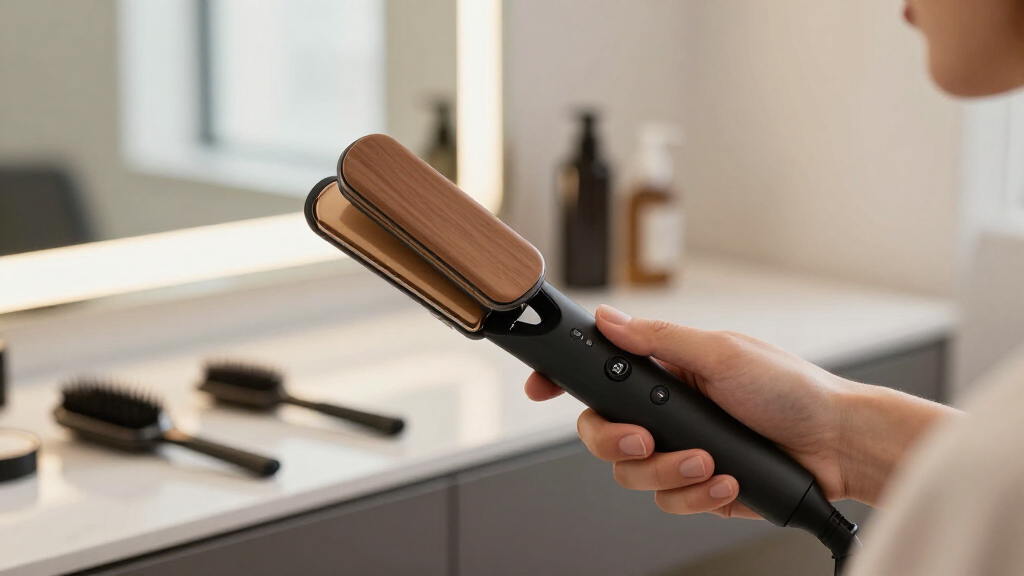
digital hair straightener with temperature control
As an affiliate, we earn on qualifying purchases.
As an affiliate, we earn on qualifying purchases.
How do modern hair tools keep high heat safe and effective?
Today’s hair tools incorporate sophisticated technology to manage high heat safely, which is crucial because even the best heat settings can become dangerous if not properly controlled. Features like digital temperature displays and built-in sensors allow precise adjustments, ensuring consistent heat distribution across the plates or barrels. This consistency prevents hotspots that could cause localized damage—think of it as evenly cooking a steak instead of burning one side.
Materials such as ceramic, tourmaline, and titanium are engineered to distribute heat evenly and retain high temperatures without creating uneven spots that can burn or weaken hair. Some models include auto shut-off features that activate after a certain period of inactivity or if the device detects overheating. These safety measures act as safeguards, reducing the risk of accidental burns, device failure, or fires. However, technology alone isn’t enough; your technique—like avoiding excessive pressure or prolonged contact—remains essential to maximize safety and minimize damage. Understanding how these features work helps you make informed choices and use your tools responsibly.
ceramic tourmaline hair styling tools
As an affiliate, we earn on qualifying purchases.
As an affiliate, we earn on qualifying purchases.
What are the risks of using high heat too often?
Repeated exposure to high heat doesn’t just cause immediate damage; it accumulates over time, leading to long-term weakening of hair structure. Think of hair like a rope—each time you apply high heat, you’re slightly fraying its fibers. Over months or years, this weakens the overall resilience, making hair more prone to breakage, dullness, and split ends. The moisture within the hair cuticle is essential for shine and strength; high heat strips this away, leaving hair brittle and dull. Additionally, frequent high-heat styling can cause scalp irritation or burns if the tool is held too close or used improperly, which can lead to discomfort or even scalp damage.
Understanding these risks highlights the importance of moderation. For instance, a stylist working daily at high heat without breaks might notice increased hair fragility and scalp sensitivity within a few months. This isn’t just about avoiding burns—it’s about recognizing that the damage is cumulative. The tradeoff here is between convenience and hair health: opting for lower heat settings or less frequent high-heat styling preserves hair’s integrity, preventing costly repairs or hair loss down the line. Responsible use and awareness of these long-term implications are key to maintaining healthy hair over time.
As an affiliate, we earn on qualifying purchases.
How to safely use high-temperature hair tools: 5 essential tips
- Set the right temperature: Know your hair type and choose the lowest effective heat—250°F to 350°F for most. This prevents unnecessary stress on your hair fibers, reducing the risk of moisture loss and breakage while still achieving good results.
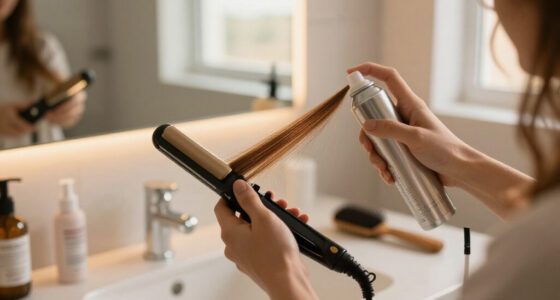
- Use heat protectant sprays: Applying a heat protectant creates a barrier that reduces direct heat contact, minimizing moisture evaporation and weakening of the cuticle. This step is vital because even with optimal temperature settings, some heat will inevitably cause damage without protection.
- Keep tools moving: Avoid holding the hot tool in one spot for too long. Continuous motion distributes heat evenly and prevents localized overheating, which can cause mini-burns or weakening of the hair at that point. Think of it as cooking—constant movement ensures uniform results and less damage.
- Avoid scalp contact: Use a mirror and keep the tool a finger’s width away from your scalp or skin. This simple precaution prevents accidental burns that can cause pain, blistering, or scalp irritation—common risks with high-temperature styling.
- Take breaks: Don’t style your hair at high heat continuously. Allow your hair to cool down periodically to reduce cumulative heat exposure, giving your strands a chance to recover and reducing the risk of long-term damage. Incorporating these breaks can significantly extend the health and shine of your hair over time.
automatic shut-off hair curling iron
As an affiliate, we earn on qualifying purchases.
As an affiliate, we earn on qualifying purchases.
How do safety features make high heat less risky?
Safety features like auto shut-off, precise temperature regulation, and certification standards (UL, CE) act as critical safeguards, but their real value lies in reducing human error. For example, an auto shut-off feature that activates after 30 minutes of inactivity prevents the device from overheating due to forgotten switches or malfunctioning components. This not only protects your home from potential fires but also prevents accidental burns during styling sessions.
Certification standards ensure the device has undergone rigorous testing for electrical safety and heat stability, providing peace of mind. These safety measures help prevent common hazards such as overheating, electrical faults, or fires, making high-temperature styling safer for everyday use. Nonetheless, technology can’t replace responsible handling—knowing how to operate your device properly and staying attentive during styling remains paramount to truly minimize risks and maximize safety.
Comparison: High-Temp Hair Tools vs. Lower-Temp Alternatives
| Feature | High-Temperature Tools (up to 450°F) | Lower-Temperature Tools (below 350°F) |
|---|---|---|
| Speed of styling | Faster, especially on thick hair. Higher heat allows for quicker styling, reducing the time hair is exposed to heat, which can limit cumulative damage if used properly. | |
| Damage risk | Higher if misused or overused. The increased risk stems from the potential for localized burns, moisture loss, and weakening of hair fibers, especially when temperature control is lacking. | |
| Heat control | Often adjustable, some digital. Precise control helps tailor the heat to your hair’s needs, minimizing unnecessary exposure and damage. | |
| Ideal for | Coarse, thick hair or quick styling needs. The higher heat can penetrate dense hair more effectively, reducing styling time but requiring careful handling to avoid damage. |
What’s the biggest mistake to avoid with high-heat styling?
The most common mistake? Holding a hot tool in one spot for too long. It’s tempting to clamp or press to get that perfect curl or straighten, but this concentrates heat and causes immediate damage. Think of it as leaving a hot iron on a section of hair for 10 seconds—it’s like giving your hair a mini burn, which weakens the strands at that spot and can lead to breakage over time.
Instead, keep moving your tool steadily. Use clips to section hair so you aren’t tempted to linger in one area. This technique ensures even heat distribution, reducing hotspots and minimizing the risk of localized damage, which helps retain hair strength and shine. Remember, patience and technique are your best allies in preventing long-term damage and maintaining healthy, beautiful hair.
Frequently Asked Questions
What is the safest temperature to style my hair?
For most hair types, 250°F to 350°F (120°C to 180°C) is safe. Fine or damaged hair benefits from lower settings, while coarse hair can sometimes tolerate up to 400°F (204°C). Always start lower and increase if needed.Can high heat damage my scalp or skin?
Yes, especially if the tool is held too close or for too long. Keep the device moving, avoid contact with your scalp, and use a mirror to prevent accidental burns.Are there benefits to using lower heat settings?
Absolutely. Lower heat reduces the risk of damage and moisture loss, helping your hair stay shiny and healthy longer. Modern tools often work well at lower temperatures, especially with good technique.How do I know if my hair tool is safe?
Look for reputable brands with safety certifications like UL or CE, adjustable temperature controls, and features such as auto shut-off. Reading reviews can also reveal how well a device performs under normal use.Is it better to let my hair air-dry or use heat tools?
Air-drying minimizes damage. If styling with heat is necessary, choose the lowest effective temperature, use heat protectant, and limit styling sessions to protect your hair’s health.Conclusion
High heat in hair tools isn’t inherently dangerous, but misuse and overuse turn it into a risk. Technology continues to make high-temperature styling safer, but your technique holds the real power. Choose your settings wisely, use protective products, and stay mindful of how often and long you style.
Think of high heat as a sharp knife—powerful, but only safe in skilled hands. Your hair’s health depends on balancing style with care. After all, a beautiful look is worth a little patience and respect for your strands.
NFL season / tailgating Picks
team gear
As an affiliate, we earn on qualifying purchases.