
TL;DR

Get beauty and skincare favorites delivered free with Prime
- Fast, free delivery on millions of items
- Prime Video, Amazon Music and more included
- Member-only deals all year
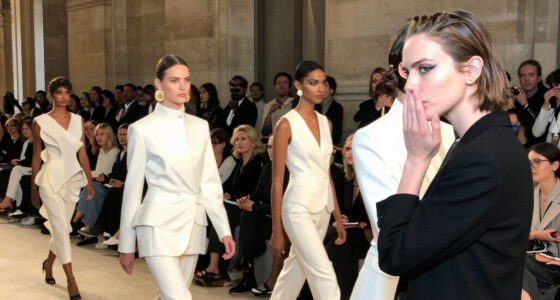
Spring/Summer 2027 collections showcased a shift toward polished, high-society dressing, with designers including Simone Rocha, Conner Ives, Gui Rosa and Gucci drawing on prep, debutante and wealthy socialite imagery. The trend’s meaning is unsettled: it may reflect escapism, satire or an appetite for overt luxury amid public concern about inequality.
Spring/Summer 2027 runways brought a more polished, high-society look into focus, with collections from Simone Rocha, Conner Ives, Gui Rosa and Gucci drawing on prep-school clothes, debutante events and wealthy socialite imagery. A report by Hypebae describes the shift as a move away from the dishevelled styling associated with the previous season, while leaving open whether designers are celebrating wealth, satirising it or selling an escape into its fantasy.
Across the collections covered by Hypebae, the styling leaned toward structured silhouettes, ladylike accessories and recognizable signals of privilege. The report contrasts that approach with the “scruffy, chaotic” mood it associates with the prior season, including distressed clothes and deliberately disordered layers. It characterizes SS27 as a return to dressing up, rather than presenting the trend as a formal industry-wide consensus.
Simone Rocha combined preppy staples with the designer’s romantic styling, evoking the early-2000s television image of an Upper East Side schoolgirl moving between classes and society events. Conner Ives drew on American prep and the archetype of a wealthy New York young adult. Hypebae describes the collection as conservative in its visual codes but retaining irreverence associated with the designer’s work.
London Fashion Week newcomer Gui Rosa centered her debut collection on the spectacle of a chaotic debutante ball, according to the report. At Gucci, looks included riding outfits inspired by polo matches, tweed suits, trench coats and oversized sunglasses. The report says the collection framed luxury as an overt fantasy rather than relying on discreet signals of wealth.
Luxury as Runway Fantasy
The collections matter because they put visible wealth and social status back at the center of a season’s styling at a time the report describes as marked by cost-of-living pressures, concern about wealth inequality and suspicion of billionaire culture. That contrast gives the trend a cultural charge: dressing for a country club or debutante ball can read as aspiration, costume or commentary, depending on the collection and the viewer.
Hypebae’s account suggests that the runway references may be less about faithfully depicting aristocratic life than about turning it into a fashionable, watchable fantasy. The socialite becomes a character and the private-school uniform a visual shorthand. That interpretation is useful, but it is not proof of what each designer intended or how audiences will respond.
For readers, the shift also marks a change in fashion’s recent visual conversation: polish is replacing deliberate disarray in the collections highlighted by the report. Whether that shift spreads beyond these shows, or translates into retail trends, is not established by the material available.
Popular right now

Vitamix Propel Series 750 Professional-Grade Blender, 4 Programs, Black

Dyson Airwrap i.d. Multi-Styler for Straight and Wavy Hair

Ninja Foodi 10-Qt DualZone Smart XL Air Fryer, 6-in-1, DZ550
As an affiliate, we earn on qualifying purchases.
The Hypebae report places SS27 against what it describes as several seasons of dressing down, with the immediately preceding runway mood associated with distressed garments, messy layering and an intentionally unkempt appearance. The SS27 collections it discusses instead return to recognizable markers of formal and privileged settings: tailored clothes, prep-school references and accessories associated with polished dressing.
The report also points to an earlier cultural reference: Gossip Girl, whose portrayal of Manhattan’s wealthy teenagers made elite schools, social events and conspicuous consumption part of a widely recognized visual world. At Simone Rocha, Hypebae sees echoes of that early-2000s aesthetic in sweater vests and carefully styled looks. The comparison describes the impression of the collection; it does not establish that the show was designed as a direct adaptation or tribute.
At Gucci, designer Demna set out an aspirational idea of the house in the show notes quoted by Hypebae. The looks described in the report—polo-inspired riding clothes, tweed and trench coats—connect that idea to established images of affluent leisure. The common thread across the collections is the use of wealth as a visual language, though each designer approaches it differently.
“The Spring/Summer 2027 runways opted for more of a “feed the rich” approach.”
— Hypebae report
The Meaning Behind the Wealth
The report does not establish whether the collections are intended as celebrations of the upper class, satire or escapism. Those readings may coexist, but the source does not attribute a single explanation to all the designers. Gucci’s quoted show-note statement describes a desire for a more glamorous world; it does not resolve how the collection should be read as commentary on wealth.
It is also unclear how far the visual shift extends beyond the selected runway examples. The source gives no sales data, audience research or evidence that consumers are adopting these styles, and it does not quantify how common the trend is across the full SS27 schedule. The distinction between a runway image and a broader market movement remains open.
How the Trend Develops
The next indication will come from how SS27 collections are received and translated beyond the runway. Coverage of other shows, retailer assortments and consumer response could show whether polished prep and socialite references remain concentrated in a few collections or become a wider seasonal direction.
For now, the confirmed development is visual: the designers cited by Hypebae presented clothes drawing on wealth, formal social settings and privilege. The motive and staying power are not yet clear. Further designer statements and reporting on the season’s reception may help clarify whether audiences see the look chiefly as aspiration, satire or fashion escapism.
Key Questions
What is the SS27 runway development?
The collections highlighted in Hypebae’s report used polished prep and high-society imagery, including socialite styling, debutante references and clothes associated with affluent leisure.
Which designers are mentioned?
The report discusses Simone Rocha, Conner Ives, Gui Rosa and Gucci. It links each to different versions of socialite, prep or wealthy-lifestyle references.
Does the trend celebrate wealth or criticize it?
That remains unclear. The report suggests the looks could be celebratory, satirical or escapist and does not assign one shared intention to all the designers.
Is socialite dressing already a broader consumer trend?
The source documents runway collections, but provides no sales figures or consumer data showing how widely the styling has been adopted outside the shows.
Source: rss