
TL;DR

Get beauty and skincare favorites delivered free with Prime
- Fast, free delivery on millions of items
- Prime Video, Amazon Music and more included
- Member-only deals all year
Granja Don Bosco Circular was inaugurated on 22 October 2026 at a school in Suesca, Colombia, with support from CPL Aromas and local partners. More than 400 students use the farm each week, which includes recycled-plastic walls, a photovoltaic system and an artificial wetland for wastewater treatment.
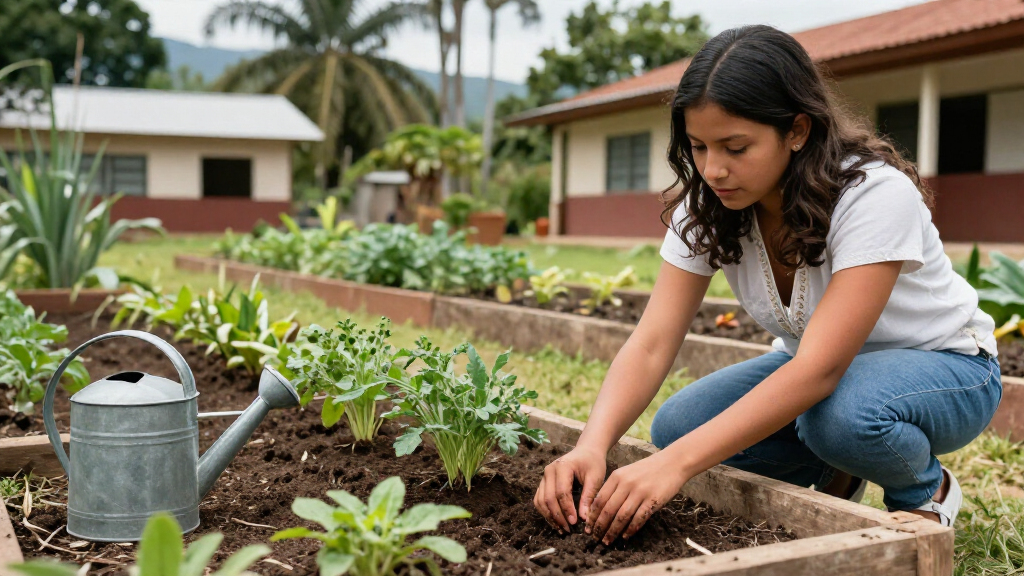
Granja Don Bosco Circular, a school farm developed with support from fragrance company CPL Aromas and local partners, was inaugurated on 22 October 2026 at Institución Educativa Departamental San Juan Bosco in Suesca, Colombia. The project turns the school’s agricultural farm into a setting for practical environmental education, with more than 400 students using it each week.
The project was developed with Fundación Red ConcienciaSocial, with support from the Government of Cundinamarca and the Municipality of Suesca. Students use the farm to study topics that include renewable energy, water management, biodiversity, waste management, the circular economy and sustainable rural production. The report describes the site as a learning space; it does not specify how classes are scheduled or whether the farm is open to people beyond the school community.
Its physical features include walls incorporating more than 20 tonnes of recycled plastic, according to the source report. A photovoltaic system is designed to supply approximately 77% of the campus’s energy consumption. That figure is a design estimate for the school campus, not a reported measurement of energy already generated or savings achieved.
An artificial wetland at the farm can treat up to 6 cubic metres of wastewater per day, with treated water intended for reuse in irrigation and agroecological activities. Students, project partners and local community representatives attended the official inauguration. The report does not provide a project budget, construction timeline or separate breakdown of each partner’s financial and operational contribution.
A Working Farm for Sustainability Lessons
The farm connects environmental topics taught at school with systems students can observe and use. Its solar installation, recycled-plastic construction and wastewater treatment give practical examples of resource management, while the agricultural setting links those subjects to rural production. More than 400 students’ weekly use makes the project a recurring part of school activity rather than a one-day event, although the source does not describe the curriculum or how learning outcomes will be evaluated.
For Suesca and the school community, the intended water reuse and energy supply could make the site a local demonstration of approaches to managing resources. The available information gives the system’s planned capacity and design share, but not measured performance. The project’s educational and environmental effects will therefore depend on how the installations operate over time and how they are incorporated into teaching.
Popular right now

Dyson Cool AM07 Bladeless Tower Fan, Iron/Blue

Vitamix Propel Series 510 Blender, 3 Programs, Slate

Sony WH-1000XM4 Wireless Noise-Canceling Headphones, Silver
As an affiliate, we earn on qualifying purchases.
From School Farm to Circular Learning Site
The project began with the school’s existing agricultural farm and transformed it into what the source calls a space for hands-on environmental education. The name Granja Don Bosco Circular reflects the project’s stated focus on circular-economy themes alongside sustainable rural production. The report does not give a fuller account of the farm’s earlier facilities or the specific changes made during construction.
The initiative involves a company, a foundation and public authorities: CPL Aromas supported the project, Fundación Red ConcienciaSocial developed it, and the Government of Cundinamarca and Municipality of Suesca also provided support. The report identifies the partners but does not detail their respective roles beyond those descriptions. The school was officially inaugurated on 22 October 2026, with students, partners and community representatives present.
Performance Data Still to Come
The source report gives technical specifications and intended uses, but it does not include operating data showing how much electricity the photovoltaic system supplies in practice, how much wastewater the wetland treats each day, or how much treated water is reused. The approximately 77% energy figure is presented as a design estimate, while 6 cubic metres per day is the wetland’s stated maximum treatment capacity.
It is also not clear how the farm’s educational impact will be tracked, whether the installations have begun operating at full capacity, or who will maintain them over time. The source does not disclose project costs, funding amounts or a schedule for future reporting. Those details would help distinguish intended benefits from results measured after the opening.
Monitoring the Farm After Opening
The school farm is now inaugurated and is reported to serve students each week. The next useful milestones would be information on the photovoltaic system’s actual contribution to campus energy use, wetland treatment and water-reuse volumes, and how the farm features are used in lessons. No monitoring schedule or follow-up announcement is specified in the source report, so it remains unclear when such results may be available.
Further updates from the school, CPL Aromas, Fundación Red ConcienciaSocial or local authorities could clarify how the project is being maintained and whether its intended systems meet their design expectations. For now, the confirmed development is the opening of the site and the reported weekly student use, alongside the project’s stated infrastructure and capacities.
Key Questions
Where is Granja Don Bosco Circular?
It is at Institución Educativa Departamental San Juan Bosco in Suesca, Colombia.
Who supported or developed the project?
Fundación Red ConcienciaSocial developed the project. CPL Aromas supported it, alongside support from the Government of Cundinamarca and the Municipality of Suesca.
What will students learn at the farm?
The reported subjects include renewable energy, water management, biodiversity, waste management, the circular economy and sustainable rural production.
How much energy is the solar system expected to provide?
The photovoltaic system is designed to supply approximately 77% of the campus’s energy consumption. The source does not report measured output after opening.
How much wastewater can the artificial wetland treat?
The stated capacity is up to 6 cubic metres per day. The source says treated water can be reused for irrigation and agroecological activities, but does not provide actual treatment or reuse figures.
Source: cosmeticsbusiness.com