TL;DR
Luxury facial cleansing brushes are powered devices or premium manual tools designed to help remove makeup, sunscreen, oil, and surface debris during cleansing. They can make washing feel more convenient, but hands and a suitable cleanser work well for many people, and a brush is not an acne or anti-aging treatment. Compare head material, cleaning requirements, replacement costs, warranty, and gentle-use guidance before paying extra.
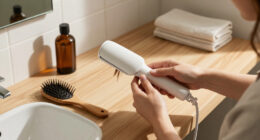
A polished cleansing brush can turn a bathroom shelf into a small Italian-style ritual: cool silicone, a soft hum, and cleanser worked into a light foam. But the shine of the charging dock does not tell you whether the device suits your skin—or whether it offers anything your hands cannot already do.

Get beauty and skincare favorites delivered free with Prime
- Fast, free delivery on millions of items
- Prime Video, Amazon Music and more included
- Member-only deals all year
Luxury facial cleansing brushes range from premium manual tools to powered devices with soft silicone or bristle heads, speed settings, timers, travel cases, and app-connected routines. In this guide, you’ll learn what those features actually offer, how to compare materials and upkeep, and how to use a brush gently if you decide one belongs in your routine.
The useful question is not simply “Which one is most expensive?” It’s which technology, clearance and features do you actually get for your money, and will you enjoy using them? A brush can support cleansing; it does not replace sunscreen, acne medication, or other evidence-based skincare.
Treat a cleansing brush as an optional cleansing aid, not an acne, anti-aging, or sunscreen replacement.
Compare the exact model’s current price, materials, included accessories, replacement costs, and warranty before buying.
Silicone heads are often easier to rinse and dry, but every head still needs proper cleaning and complete drying.
Use mild cleanser, light pressure, and short sessions; stop or reduce use if irritation develops.
If you have active irritation, eczema flares, rosacea symptoms, or inflamed acne, consider skipping a brush or asking a dermatologist.
What a luxury cleansing brush can—and cannot—do
A luxury facial cleansing brush is a manual or powered tool that helps spread cleanser and loosen surface residue during washing. It may add a gentle vibration, pulsing motion, or textured contact, but it does not turn cleansing into a treatment. Think of it as a more elaborate washcloth: convenient for some people, optional for many.
That distinction matters when product pages promise “deep cleansing,” “detoxifying,” or “anti-aging.” A brush may make your face feel freshly washed, but those phrases do not prove lasting skin benefits. If a device claims a regulated status such as FDA clearance, check that the exact model is named and that the clearance applies to the claim being made; do not assume a whole brand or product line shares one status.
For example, if you wear water-resistant sunscreen and makeup, a brush is not a shortcut around an appropriate first cleanse. A suitable cleanser and careful rinsing may do the job, with hands providing enough control around the nose and hairline. Scrubbing longer to chase a squeaky-clean feeling can leave skin tight or uncomfortable.
A cleansing brush is a cleansing tool, not a substitute for treatment. Choose it for comfort or routine preference, not for promises it cannot establish.
So what does the premium price buy? It could buy a pleasant grip, a charging base, a travel case, or guided timing. Those features may make the routine easier to repeat. They do not, on their own, prove that the device cleans better for every face.
Popular right now

Bose QuietComfort Headphones (2nd Gen), Wireless Noise-Cancelling Over-Ear Headphones, Black

Vitamix 5200 Professional-Grade Blender, 64 oz. Container, Black

LG OLED evo C4 55-Inch 4K Smart OLED TV (OLED55C4PUA) with 144Hz Refresh Rate, HDMI Cable, 24-Month Protection Plan, and Streaming Bundle
As an affiliate, we earn on qualifying purchases.
Choose a brush head that fits your cleaning habits
Silicone heads are often easier to rinse and dry, while bristle heads need closer attention to their fibers and may require scheduled replacement. That difference affects the everyday burden of owning the tool: a head that takes little time to maintain is more likely to be ready for the next wash, while a head that retains residue or moisture can make care feel like a chore. Neither material guarantees a better cleanse or automatically makes a device safer. Your skin comfort, cleaning habits, and the manufacturer’s instructions matter more than a luxurious finish.
Silicone designs commonly use flexible nubs instead of replaceable bristles. That can mean fewer consumable parts and a smooth surface that is simple to rinse after a foamy wash. The tradeoff is that texture still creates small grooves where cleanser and residue can collect. A quick rinse may remove visible foam without addressing buildup, so follow the product’s cleaning directions and let the head dry fully. The lower replacement burden is useful only if you keep up with that basic care.
Bristle designs can feel more like a traditional brush, but densely packed fibers may take more effort to clean and dry. Moisture and residue can remain between fibers after the surface looks clean, which makes the maker’s cleaning and replacement schedule especially relevant. If you share a bathroom with a partner, keep your brush head personal; don’t pass it back and forth. A worn, damaged, or unclean head is a good reason to stop using it and check the maker’s replacement guidance.
| Feature | Silicone head | Bristle head |
|---|---|---|
| Routine upkeep | Often easier to rinse; still needs cleaning and full drying | Clean fibers carefully; check drying and replacement instructions |
| Ongoing parts | May avoid replaceable bristles; model details vary | May require replacement heads over time |
| Best question before buying | Can you clean around the texture? | How often must the head be replaced? |
Imagine you travel every month and want fewer small parts in your toiletry bag. A silicone head may suit your habits because it has no bristle cartridge to pack or replace, though it still needs to dry between uses. If you already keep up with replacing grooming attachments and prefer bristles, that format may feel familiar, but include replacement cost and availability in your budget. In either case, the best fit is the head you can use comfortably and maintain consistently.
Compare the features that make a premium price useful
The most useful luxury features are the ones that fit your routine: comfortable materials, sensible controls, easy cleaning, and dependable support. Multiple speeds, timers, waterproof construction, USB charging, docks, and travel cases can make a device more pleasant or convenient. Their value is practical: a timer may help limit a session, while a charging dock can make a device easy to store and ready to use. They do not establish that it cleans better or improves skin health.
Ask what you will actually use. If you wash at home and keep your charger by the sink, a compact travel case may sit in a drawer; in that case, it adds to the price without solving a regular problem. If you are rushing through a routine before work, a timer might help you keep sessions short, though you still need to use light pressure and respond to irritation. App-connected routines can feel tailored, but personalization features are not proof that a chosen mode is right for your skin. The more elaborate the interface, the more useful it is to ask whether it makes your routine easier or simply gives you more settings to manage.
Before buying, compare the exact model’s current price range from authorized retailers, included accessories, replacement head costs, warranty length, and exclusions. Brands change lineups and offers frequently, so an old review may describe a discontinued model or a price that no longer applies. Check whether the warranty covers the battery, charging dock, and water-related damage, and whether replacement parts remain available. A low purchase price can become poor value if a necessary head is costly or hard to find; a higher price may be easier to justify when the parts and support are accessible for the full period you expect to use it.
- Name the exact model and confirm its current price at more than one reputable seller.
- Check materials and modes, then ask whether each feature solves a real routine problem for you.
- Price ongoing costs, including replacement heads, charging accessories, or subscription features if any.
- Read warranty terms and note any care rules that could affect coverage.
For instance, a device listed at a premium price may include a travel case but still require costly replacement heads. Another may have fewer modes, a comfortable grip, and a clearer warranty. Comparing the full ownership cost reveals whether the extra money buys lasting convenience or accessories you are unlikely to use. The better value depends on the whole ownership experience, not the number of buttons.
Use gentle technique to keep cleansing comfortable
Use a mild cleanser, light pressure, and a short session; stop if your skin feels sore, tight, or increasingly red. A powered brush does not need to press hard to move across the skin. Pressure and repeated passes add friction, so trying to compensate for a short session with harder scrubbing can leave skin uncomfortable without making the routine more useful.
Start by reading the exact device instructions. If you choose to try a brush, use it conservatively at first and pay attention to how your skin feels afterward and the next day. There is no single frequency that suits everyone, even when a product is designed for daily use: skin comfort depends on the person and the rest of the routine. Reduce use or stop if irritation appears rather than assuming your skin needs time to adapt.
A practical example: after a long day wearing makeup, you might use a suitable first cleanser to loosen it, then wash gently rather than running a brush over the same area for an extended session. This separates removing makeup from the mechanical action of the brush, reducing the temptation to scrub until every trace seems gone. Avoid brushing over cuts, sunburn, eczema flares, active irritation, or inflamed blemishes. Be extra cautious near the eyes and use a brush there only if the manufacturer explicitly permits it.
- Keep pressure light and sessions short.
- Rinse the head after use, clean it as directed, and let it dry fully.
- Do not share a brush head.
- Pause use if you notice discomfort or increased redness.
If you have reactive skin, rosacea symptoms, eczema, or inflamed acne, mechanical cleansing may feel uncomfortable. In those situations, skipping the brush avoids an extra source of friction while you focus on a routine your skin tolerates. You can ask a dermatologist for advice about your individual skin, especially if irritation persists. Your hands and a suitable cleanser remain a perfectly reasonable routine.
Decide whether the convenience is worth the cost
A luxury facial cleansing brush may be worth its price if its comfort, build, warranty, and convenience make you enjoy using it—and if the running costs fit your budget. It is optional, though: manual tools designed for cleansing and a suitable cleanser work for many people. A high-end device is not automatically gentler, more effective, or a better match for sensitive skin.
Picture two routines. In the first, you love a quiet evening ritual, rinse the silicone head after each wash, and appreciate a compact charging base. The device gets used regularly and earns its place. In the second, the brush adds one more part to clean, your skin feels tight afterward, and replacement heads are expensive. The elegant object becomes bathroom clutter.
Use an ownership test: add the purchase price to the cost of replacement parts over the period you expect to own it. Then compare that with a simpler routine or another cleansing tool. Check the warranty and whether the seller is reputable. If a product makes broad claims about acne, blackheads, “detox,” or anti-aging, look for product-specific evidence rather than treating marketing language as a result.
Ask yourself whether you want the device for a concrete reason: a comfortable grip, a short timer, a travel format, or simply a routine you enjoy. If the answer is only “it costs more, so it must work better,” pause. Price describes what you pay, not the outcome your skin will get.
For a sensitive-skin reader, the best purchase may be no brush at all. For someone who likes a gentle device-based ritual and can maintain it, a premium model may be a pleasurable convenience. Either decision can be sensible when your expectations are clear.
Frequently Asked Questions
Do facial cleansing brushes clean better than hands?
A brush may help loosen surface residue, but it does not clean better for every person. Hands and a suitable cleanser are enough for many routines, especially when you rinse thoroughly.
Can a cleansing brush treat acne or blackheads?
A cleansing brush is not an acne treatment. Scrubbing inflamed blemishes can irritate skin, so persistent acne is better discussed with a dermatologist or addressed with evidence-based treatments.
Can I use a cleansing brush every day?
Some models are designed for daily use, but that does not mean daily use suits every skin type. Follow the exact instructions, start conservatively, and reduce use or stop if your skin feels tight, sore, or more red.
Are silicone cleansing brushes more hygienic?
Silicone heads are often easier to rinse and dry than bristle heads, but they are not self-cleaning. Follow the manufacturer’s cleaning directions, let the head dry fully, and do not share it.
Can I use a brush to remove sunscreen and makeup?
A brush can be part of cleansing, but heavy makeup or water-resistant sunscreen may call for a suitable first cleanse. Avoid prolonged scrubbing to compensate for residue; use a cleanser and routine that remove it comfortably.
Who should avoid a facial cleansing brush?
People with active irritation, broken skin, sunburn, eczema flares, rosacea symptoms, or inflamed acne may find mechanical cleansing uncomfortable. If you have a skin condition, ask a dermatologist what fits your routine.
Conclusion
Choose a luxury cleansing brush only if its comfort and practical features earn a place in your routine. Check the exact model, upkeep, ongoing costs, and warranty, then use it gently—or keep washing with your hands. The best cleansing ritual is the one your skin tolerates and you can maintain, whether it hums softly on the bathroom shelf or fits in the palm of your hand.