
TL;DR
Get ready for Prime Big Deal Days — try Prime free
Exclusive member deals on October 6–7, plus fast free delivery. Cancel anytime.
Start your free trialAs an affiliate, we earn on qualifying purchases.
A Japanese tracksuit brand has gained significant popularity by modernizing traditional tailoring, surpassing a historic suitmaker. The development highlights shifting fashion trends and consumer preferences.
A Japanese tracksuit brand has gained widespread popularity, effectively surpassing a centuries-old traditional suitmaker in both visibility and consumer appeal. This shift reflects changing fashion preferences toward casual, modern apparel and challenges long-established tailoring institutions. The development is confirmed by recent market trends and social media attention, though specific sales figures remain undisclosed.
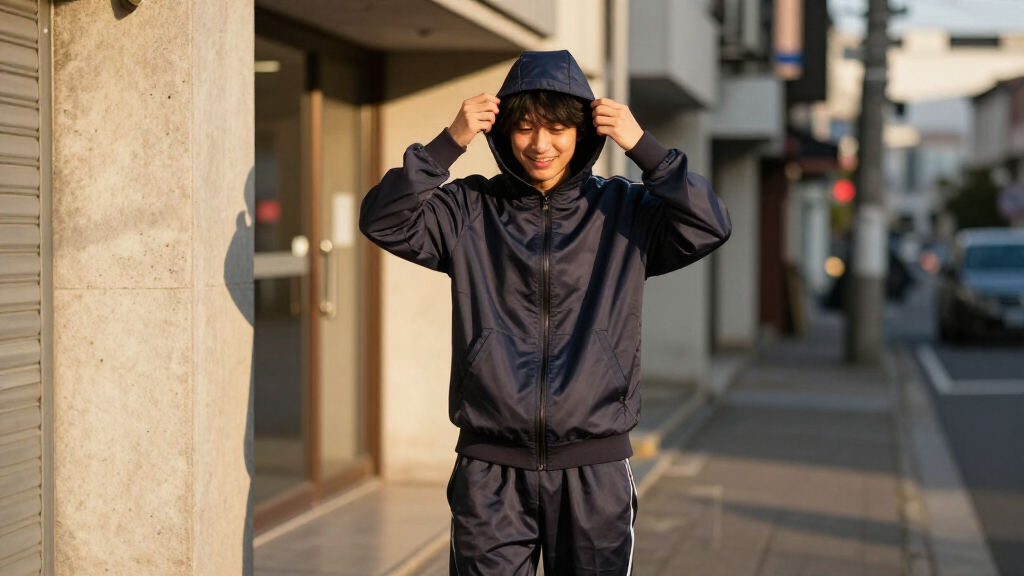
The Japanese brand, whose name is not specified in the available sources, has created a line of tracksuits that draw inspiration from traditional Japanese tailoring and design elements. These modern athletic wear pieces have resonated with younger consumers, leading to a surge in popularity that many industry analysts say exceeds that of the historic suitmaker, which has operated for over 300 years. The traditional suitmaker, known for handcrafted, formal suits, has seen a decline in relevance amid the rise of casual fashion and sportswear.
Industry experts note that the Japanese tracksuit brand leverages contemporary materials and minimalist aesthetics, aligning with global trends favoring comfort and versatility. Social media platforms have amplified the brand’s visibility, with influencers and fashion enthusiasts showcasing its designs. Meanwhile, the older suitmaker, which has historically served elite clientele and formal occasions, has faced challenges adapting to the casualization of fashion and the decline of formal dress codes in daily life.
Why This Shift Changes Fashion Dynamics
This development indicates a significant shift in consumer preferences toward casual and athleisure wear, even in markets with deep-rooted tailoring traditions. The Japanese brand’s success demonstrates how modern, comfort-oriented apparel can outperform traditional luxury tailoring in popularity, especially among younger demographics. It also signals a broader trend where heritage brands may need to innovate or rebrand to stay relevant amidst changing cultural norms and fashion landscapes. The shift could influence other traditional suitmakers globally to reconsider their offerings and marketing strategies, emphasizing versatility and contemporary design.
As an affiliate, we earn on qualifying purchases.
Historical and Market Context of Traditional Suitmaking in Japan
Japan has a long history of bespoke tailoring, with traditional suitmakers serving both the business elite and formal events for centuries. These craftsmen are known for meticulous handcrafting and high-quality fabrics, often operating as family businesses passed down through generations. However, in recent decades, global fashion trends have increasingly favored casual, sporty, and athleisure styles, especially among younger consumers. The rise of Japanese sportswear brands, combined with the global popularity of streetwear, has challenged the dominance of traditional suitmakers. While the traditional industry still maintains a niche market, its relevance has diminished in everyday fashion.
The recent surge in interest toward the Japanese tracksuit brand appears to be part of a broader shift where casual wear is now the norm, even in formal settings. The trend’s exact origins remain unconfirmed, but social media and market data suggest a growing consumer appetite for stylish, comfortable alternatives to classic tailoring. This cultural change is reflected in the increasing prominence of sportswear brands in Japan and worldwide.
As an affiliate, we earn on qualifying purchases.
Unconfirmed Aspects of the Trend’s Origins and Impact
It is not yet clear whether the Japanese tracksuit brand’s rise is a temporary fad or indicative of a sustained shift in consumer behavior. Specific sales data and market share figures are unavailable, making it difficult to quantify the trend’s scale. Additionally, the exact name of the brand and its origins remain unconfirmed in the sources, and whether the traditional suitmaker is actively responding or resisting this change is also unclear.
As an affiliate, we earn on qualifying purchases.
Future Developments in Japanese Fashion Industry
Industry observers expect further innovation from both traditional suitmakers and emerging casual brands. The traditional suitmaker may consider rebranding or expanding into more casual or hybrid styles to stay relevant. Meanwhile, the Japanese tracksuit brand and similar companies are likely to continue capitalizing on casual, versatile fashion. Monitoring sales figures, consumer feedback, and social media trends over the coming months will clarify whether this shift is a passing trend or a long-term transformation.
As an affiliate, we earn on qualifying purchases.
Key Questions
What is the name of the Japanese tracksuit brand?
The specific name of the brand is not provided in the current sources, and it remains unconfirmed.
How has the traditional suitmaker responded to this trend?
There are no publicly available statements from the traditional suitmaker regarding this development, so their response remains unknown.
Is this trend specific to Japan or part of a global shift?
While this trend is currently observed in Japan, similar shifts toward casual and athleisure wear are evident worldwide, driven by changing consumer preferences.
Could this trend threaten the traditional suit industry?
It could pose a challenge, especially among younger consumers, but the long-term impact remains uncertain as traditional brands may adapt or find new niches.
Source: rss
Fall Picks
fall essentials
As an affiliate, we earn on qualifying purchases.