TL;DR
Play games included with Prime
Start a Prime free trial and play with Amazon Luna on your devices.
Start playingAs an affiliate, we earn on qualifying purchases.
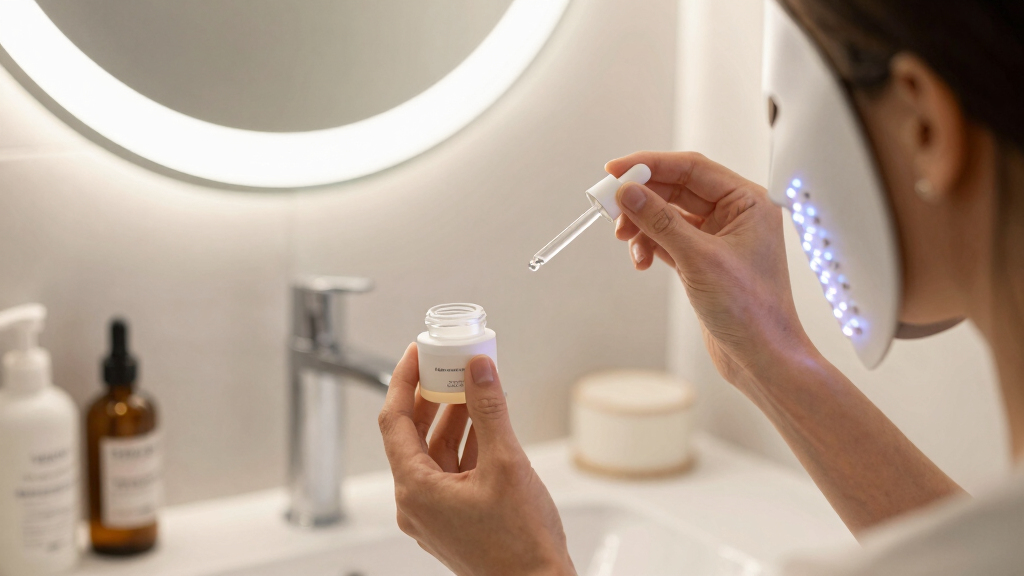
LED masks can be used safely with many skincare products, but caution is key. Gentle, non-irritating routines before and after sessions optimize results, while avoiding photosensitive ingredients prevents reactions.
Imagine this: you’re nestled in your evening routine, glowing skin beckons, and your LED mask promises a brighter complexion. But wait—can your favorite serums and creams join the party without causing trouble? Many wonder how to blend LED therapy with their existing skincare routines without risking irritation or reducing effectiveness.
This guide unpacks the essentials—what ingredients are safe, when to apply them, and how to avoid common pitfalls. Whether you’re a skincare minimalist or a lover of active ingredients, understanding this balance helps you get the most from your LED mask while keeping your skin happy and healthy.
Most skincare products, especially gentle hydrating serums, are safe to use before LED sessions.
Avoid photosensitive ingredients like citrus oils and strong acids immediately before or after LED therapy.
Timing matters: apply active ingredients post-LED, once your skin has calmed, to prevent irritation.
Patch testing new products reduces the risk of adverse reactions when combining with LED masks.
Consultation with a dermatologist ensures a safe, personalized routine for sensitive or problematic skin.
LED therapy × skincare compatibility
Can LED Masks Be Used Safely with Other Skincare Products?
Yes—many gentle products fit comfortably around an LED session. The safest routine prioritizes hydration, separates potentially irritating actives from light exposure, and adapts to your skin’s response.
01 / Ingredient map
What belongs near an LED session?
Compatibility depends less on how many products you use and more on whether those products hydrate, disrupt the barrier, or increase sensitivity to light.
Gentle hydration
Simple hydrating and soothing formulas support the skin barrier and are the easiest products to integrate—provided your device permits pre-treatment products.
Potent actives
Cell-turnover and exfoliating ingredients may leave skin more reactive. Use them after the skin has settled, on another night, or according to professional advice.
Photosensitive formulas
Light-reactive compounds may raise the chance of redness, discomfort, pigmentation changes, or burns. Check the ingredient list and device guidance.
02 / Timing protocol
A calmer sequence is a safer sequence.
Device instructions take priority. When products are allowed, this conservative timeline reduces unnecessary overlap between light exposure and potentially irritating ingredients.
Cleanse, then keep it gentle
Start with clean skin. If permitted, use only a familiar soothing serum or uncomplicated moisturizer.
Allow ≈ 15 minutesAvoid active layering
Do not add retinoids, exfoliants, strong acids, or unverified photosensitive formulas during exposure.
Follow device durationSoothe before escalating
Hydrate first. Consider actives only after the skin feels calm—or move them to the next night if sensitivity is a concern.
Wait at least 30 minutes03 / Compatibility table
Choose by ingredient and moment.
“Safe” is not a universal label: concentration, formulation, wavelength, device design, and individual skin tolerance all affect the answer.
| Product or ingredient | Before LED | Immediately after | Primary consideration |
|---|---|---|---|
| Hyaluronic acid Hydrator |
✓Usually suitable | ✓Usually suitable | Choose a simple, familiar formula without irritating extras. |
| Aloe or soothing serum Barrier support |
✓Often suitable | ✓Often suitable | May improve comfort when tolerated and device-approved. |
| Plain moisturizer Emollient |
~Check device | ✓Generally suitable | Some devices specify clean, completely dry, product-free skin. |
| Retinoids Cell turnover |
✗Avoid directly before | ~Delay or alternate | May increase dryness, redness, and irritation susceptibility. |
| AHAs and BHAs Exfoliating acids |
✗Avoid directly before | ~Use cautiously | Barrier disruption can heighten stinging, peeling, or redness. |
| Citrus or essential oils Potentially light-reactive |
✗Avoid | ✗Avoid near session | Potential photosensitivity or irritation varies by compound. |
| High-strength vitamin C Potent antioxidant |
~Verify formula | ~Introduce cautiously | Acidic or concentrated formulas may irritate reactive skin. |
Relative caution around LED exposure
A qualitative guide—not a clinical risk score. Higher bars indicate a greater need for separation, verification, or professional input.
The irritation spectrum
Risk rises when multiple stressors overlap: a new product, strong concentration, compromised barrier, excessive session frequency, or sensitive skin.
Watch for: persistent redness, burning, unusual warmth, swelling, peeling, or worsening pigmentation. Stop the combined routine and seek professional guidance if symptoms are significant or do not settle.
04 / Safe routine
Four checks before you press start.
A repeatable safety process matters more than an elaborate product lineup. Introduce one change at a time so any reaction has a traceable cause.
Patch test
Test every new formula on a small area for approximately 48 hours before combining it with an LED routine.
Hydrate gently
Favor uncomplicated aloe, hyaluronic acid, or soothing products that already agree with your skin.
Separate actives
Keep retinoids, acids, peels, and exfoliants away from the treatment window unless specifically cleared.
Monitor and adjust
Reduce frequency or simplify the routine at the first sign of persistent irritation. Record what you used and when.
05 / Sensitive skin
Personal tolerance changes the plan.
Modern masks may offer red, blue, and near-infrared settings, but customization does not eliminate ingredient interactions or individual sensitivity.
Use extra caution if…
Your barrier is already stressed or your skin reacts easily. Begin slowly and avoid introducing a new mask and new active product at the same time.
- You have sensitive, inflamed, or actively peeling skin.
- You are managing acne, rosacea, eczema, or pigmentation concerns.
- You use prescription or over-the-counter photosensitizing medication.
- You recently had a peel, laser procedure, or other professional treatment.
Ask a dermatologist when…
A professional can assess your device, medications, skin condition, wavelength, and current actives together—details that generic compatibility lists cannot fully resolve.
- Irritation persists after simplifying the routine.
- You have a known light-sensitive condition.
- You are unsure whether a medication increases photosensitivity.
- Your device instructions conflict with your existing treatment plan.
Bottom line
LED masks can coexist with skincare, but compatibility is conditional. Use the manufacturer’s directions, favor familiar hydration around sessions, separate aggressive or photosensitive ingredients, patch-test new products, and let persistent irritation—not enthusiasm—set the limit.
What ingredients are safe to use with LED masks?
Most skincare products work well in tandem with LED masks, but some ingredients need extra caution. Gentle hydrating serums, like hyaluronic acid, pose no issues and can even enhance LED benefits. However, active ingredients like retinoids, AHAs, and BHAs can make skin more sensitive, increasing the risk of irritation during or after LED sessions.
Understanding why certain ingredients are problematic is crucial. For instance, retinoids promote cell turnover but can leave skin more vulnerable to irritation. When combined with light-based therapy, they may amplify redness or discomfort, potentially leading to setbacks in your skincare goals. Conversely, hydrating agents support skin barrier integrity, helping your skin recover and respond positively to LED treatments. Always patch-test new products and monitor your skin’s reactions to balance efficacy with safety.
LED mask compatible skincare serums
As an affiliate, we earn on qualifying purchases.
As an affiliate, we earn on qualifying purchases.
When should you apply skincare products around LED sessions?
- Before LED: Use gentle, non-irritating products like moisturizers or soothing serums. Wait at least 15 minutes to ensure absorption. This interval helps minimize the risk of applying active ingredients that could interact negatively with the light therapy, which could otherwise increase sensitivity or cause uneven results.
- During LED: Most recommend avoiding active ingredients during the session to prevent irritation, especially if your skin is sensitive. Applying active ingredients during LED exposure can lead to increased heat or photosensitivity reactions, which may worsen skin condition or cause discomfort.
- After LED: Apply active ingredients like retinoids or acids once your skin has calmed down, typically after 30 minutes or more. This timing allows your skin to recover from the session’s mild stress, ensuring that active ingredients work effectively without exacerbating irritation or redness.
For example, a friend of mine found that applying a calming hyaluronic acid serum before her blue light session helped reduce redness, while her retinoid was better used the next night. Proper timing not only enhances safety but also maximizes the benefits of both your skincare products and LED therapy, leading to faster, more consistent results.
gentle hydrating serums for LED therapy
As an affiliate, we earn on qualifying purchases.
As an affiliate, we earn on qualifying purchases.
Which skincare ingredients could cause reactions with LED masks?
Photosensitive ingredients are the main concern because they can significantly alter how your skin reacts to light exposure. Ingredients like citrus oils, certain essential oils, or high concentrations of vitamin C can increase skin’s sensitivity, leading to heightened risk of irritation, pigmentation issues, or burns. These reactions occur because light-reactive compounds can generate free radicals or cause oxidative stress when exposed to LED light, damaging skin cells or triggering hyperpigmentation.
Furthermore, using strong acids like glycolic or salicylic acids immediately before LED sessions can compromise the skin’s barrier, making it more prone to redness, peeling, or burning sensations. The tradeoff here is between exfoliating for clarity and risking irritation—timing and concentration are key. For instance, an aggressive peel right before an LED session may undo the benefits of both by causing inflammation, so understanding your skin’s tolerance and spacing out treatments is essential for safe, effective results.
photosensitive skincare products to avoid with LED masks
As an affiliate, we earn on qualifying purchases.
As an affiliate, we earn on qualifying purchases.
How to create a safe skincare routine with your LED mask
| Step | Action | Tip |
|---|---|---|
| 1 | Patch test new products | Apply to a small skin patch for 48 hours to check for reactions. This step helps identify potential sensitivities before full application, reducing the risk of adverse reactions during LED treatments. |
| 2 | Use gentle, hydrating products before | Aloe vera, hyaluronic acid, or soothing serums support skin barrier function, which is crucial for withstanding light therapy. Well-hydrated skin is less prone to irritation, making your sessions more comfortable and effective. |
| 3 | Avoid active ingredients during sessions | Retinoids, acids, and exfoliants can increase photosensitivity or cause irritation. Keeping these away during LED sessions helps prevent unnecessary discomfort and potential setbacks in your skincare progress. |
| 4 | Apply active ingredients after | Wait at least 30 minutes post-LED to allow your skin to recover from the mild stress of the session. This delay ensures that active ingredients work synergistically without aggravating any residual sensitivity, promoting better results over time. |
This routine respects your skin’s sensitivity while maximizing LED benefits. For example, many users find that sticking to hydration before and potent actives after creates a balanced, irritation-free experience that encourages consistent progress toward healthier, brighter skin.
post-LED skincare routine products
As an affiliate, we earn on qualifying purchases.
As an affiliate, we earn on qualifying purchases.
The risks of mixing aggressive skincare with LED therapy
Overdoing it can backfire. Combining harsh acids or potent retinoids with LED masks sometimes causes redness, peeling, or heightened sensitivity that can set back your skincare goals. For instance, a client who used a strong glycolic peel just before her LED session experienced a week of flaky, irritated skin, delaying her progress and increasing discomfort.
Understanding the tradeoffs involves recognizing that while active ingredients can accelerate skin renewal, they also increase vulnerability. Excessive or poorly timed use may lead to inflammation, hyperpigmentation, or long-term damage. Moderation and timing are essential; using potent actives sparingly and aligning their application with your LED schedule can help balance efficacy with safety. Always listen to your skin’s signals—persistent irritation indicates you need to re-evaluate your routine and possibly consult a skincare professional to navigate these tradeoffs effectively.
Can sensitive or problematic skin safely use LED masks with skincare?
Yes, but caution is essential. Sensitive skin types should patch test all new products and introduce them gradually. This cautious approach allows your skin to adapt to new ingredients and reduces the risk of adverse reactions. Consulting a dermatologist can help tailor a routine that minimizes risks while maximizing benefits, especially if you have conditions like rosacea or eczema that require special care.
For example, someone with rosacea found that using a calming serum before LED sessions reduced flare-ups and irritation. This demonstrates that with proper guidance and gradual introduction, even problematic skin can benefit from LED therapy without exacerbating existing issues. The key is understanding your skin’s unique sensitivities and adjusting your routine accordingly to avoid setbacks and promote skin resilience over time.
Frequently Asked Questions
Can I use my regular skincare products with an LED mask?
Most products are fine, especially gentle moisturizers and serums. Just avoid strong acids or photosensitive ingredients during LED sessions to prevent irritation.
Should I apply my active skincare products before or after using an LED mask?
Apply gentle, hydrating products before, and save active ingredients like retinoids or acids for after, once your skin is calm. This approach balances benefits and safety.
Are there ingredients I should avoid when using LED masks?
Yes, avoid photosensitive ingredients such as citrus oils, high-dose vitamin C, and strong exfoliants right before or after LED sessions to minimize adverse reactions.
How often can I safely use an LED mask with my skincare routine?
Typically, 2-3 times weekly is safe for most skin types. Always follow your device’s instructions and observe how your skin responds, adjusting as needed.
Is it safe if I have sensitive or problematic skin to combine LED therapy with skincare products?
Yes, but proceed carefully. Patch test all products, introduce new routines gradually, and consult a dermatologist for personalized guidance if your skin is particularly reactive or problematic.
Conclusion
Using an LED mask alongside your skincare routine isn’t a free-for-all—it’s about thoughtful timing and ingredient choices. When you respect your skin’s sensitivities and follow a balanced routine, your glow can shine brighter, safely.
Think of your skincare as a symphony: the right notes—gentle before, active after—create harmony and radiance without the risk of discord. Your skin’s health is worth that mindful approach.
Fall yard work Picks
leaf blowers
As an affiliate, we earn on qualifying purchases.