
TL;DR
Get ready for Prime Big Deal Days — try Prime free
Exclusive member deals on October 6–7, plus fast free delivery. Cancel anytime.
Start your free trialAs an affiliate, we earn on qualifying purchases.
Using conductive gels correctly boosts microcurrent treatment efficiency and comfort. Reusing gels is possible but requires strict hygiene practices to prevent contamination. Innovations now focus on eco-friendly and reusable options.
Imagine a thin, shimmering layer of gel—like a delicate skin extension—bridging your skin and the microcurrent device. It’s the silent hero in your treatment, ensuring smooth, efficient electrical flow. But how you apply, store, and reuse this gel can make a real difference in your results and safety.
Whether you’re a skincare professional or a dedicated enthusiast, understanding the nuances of conductive gels transforms a simple step into an art of its own. This guide reveals practical tips, recent innovations, and common questions—so your microcurrent sessions are safer, more effective, and kinder to the environment.
Choose gels with high ionic content and skin compatibility for better conduction and comfort.
Apply a small, even layer of gel, spreading it thoroughly to avoid air gaps and ensure effective current flow.
Store leftover gel in a sealed, clean container and use a spatula to prevent contamination during reuse.
Regularly clean electrodes and discard gel if it changes in appearance or smell—never reuse contaminated gel.
Innovations like biodegradable gels and reusable pads are helping make microcurrent treatments more sustainable.
How to Properly Use and Reuse Conductive Gels for Microcurrent
The gel is the invisible bridge. A thin, even layer helps current move smoothly between skin and device, improving comfort and consistency. Reuse can reduce waste, but only when storage, handling, and cleaning prevent contamination.
Choose the right conductive medium
Match the formula to both the device and the skin. High ionic content supports efficient conduction, while compatible ingredients and workable viscosity help maintain comfort and continuous electrode contact.
Prioritize ionic content
Electrolytes carry the electrical signal. A well-formulated conductive gel can improve current transfer without requiring a thick, wasteful coating.
Respect sensitive skin
Choose hypoallergenic, non-irritating formulas when sensitivity is a concern. Stop use if redness, burning, swelling, or persistent discomfort develops.
Balance hold and spread
Thicker gel resists runoff and movement, but it must still spread into a smooth, gap-free film across the full electrode contact area.
The four-step contact protocol
Good application lowers resistance, prevents dry hotspots, and helps the device deliver a consistent treatment. Use device-specific instructions whenever they differ from this general workflow.
Clean
Remove oil, sweat, makeup, and lotion with a gentle cleanser. Dry the skin before applying gel.
Dose
Start with about one pea-sized amount per electrode or a dime-sized dollop for a 2-inch pad.
Spread
Create a thin, even layer across the full contact zone. Eliminate bubbles, gaps, and dry edges.
Secure
Maintain firm, comfortable contact. Reapply only if the working area begins to dry.
Reuse is a hygiene protocol, not a shortcut
Water-rich gels can support bacteria and fungi after exposure. Reuse only gel that has remained clean, sealed, stable, and dedicated to the same person. If cleanliness is uncertain, discard it.
The safe-handling checklist
- Transfer only untouched excess gel into a clean, airtight container.
- Use a dedicated clean spatula or disposable applicator—never double-dip.
- Label the container for one person and follow the product’s storage directions.
- Clean electrodes with mild soap and water or an approved cleaner after every session.
- Dry electrodes completely before storage to limit moisture and material degradation.
Four signs to discard
What is changing in conductive care
New materials aim to preserve conductivity while reducing product volume, contamination risk, and single-use waste. Longevity still depends on the product design and manufacturer’s care instructions.
Biodegradable gels
Formulas with fewer persistent ingredients are designed to reduce environmental impact while maintaining a stable conductive layer.
Reusable hydrogel pads
Some replaceable-surface pads may support 30 or more sessions when cleaned, stored, and replaced exactly as directed.
Antimicrobial systems
Silver ions and similar agents may inhibit microbial growth, but they do not replace clean handling or make contaminated gel safe.
Use, reuse, or discard?
Use this decision table before each session. When product labeling is more restrictive, follow the manufacturer’s directions.
| Scenario | Decision | Recommended action | Reason |
|---|---|---|---|
| First use or sensitive skin | ✓ USE | Apply a fresh, thin, even layer—about a pea-sized amount per electrode. | Fresh product minimizes exposure and supports predictable contact. |
| Same person, clean stored excess | ~ CHECK | Inspect the sealed gel and confirm clean handling before reuse. | Reuse is conditional on uncontaminated storage and stable appearance. |
| Switching to another person | ✗ NO | Use fresh gel and a clean or disposable applicator. | Prevents microbial transfer and cross-contamination. |
| Cloudy, separated, or bad-smelling gel | ✗ DISCARD | Dispose of the gel immediately; clean the container and electrodes. | Changes can indicate instability or contamination. |
| Gel touched used skin or electrodes | ✗ DISCARD | Do not return exposed gel to the original container. | Direct contact can introduce microbes into the remaining product. |
From clean skin to consistent current
Each link protects the next. Break the chain with oily skin, dry gaps, contaminated gel, or damp storage, and both performance and hygiene can suffer.
Fast answers before the next session
Can the same gel be reused for multiple sessions?
Only clean, untouched excess dedicated to the same person should be considered, and only when the manufacturer permits reuse. Fresh gel remains the lowest-risk option.
How much conductive gel is needed?
Start with roughly a pea-sized amount per electrode. Add only enough to maintain an even, moist contact layer across the entire treatment area.
Can gel be reused on a different patient or client?
No. Use fresh gel and clean or disposable tools for each person to avoid cross-contamination.
How should electrodes be cleaned?
Use mild soap and water or the device maker’s approved cleaner, remove all residue, and dry thoroughly before storage or reuse.
Are antimicrobial gels automatically safe to reuse?
No. Antimicrobial ingredients may slow microbial growth, but they do not correct poor handling, double-dipping, or cross-use.
What are the most sustainable alternatives?
Biodegradable gels, cleanable silicone sheets, and reusable hydrogel pads can reduce waste when compatible with the device and maintained correctly.
Choose the Right Conductive Gel for Your Skin and Device
Picking the right gel isn’t just about brand or price. It’s about matching the gel’s properties to your skin type and device needs. Look for gels with high ionic content—these conduct electricity more efficiently, making your microcurrent sessions smoother and more comfortable. For sensitive skin, opt for hypoallergenic formulas that won’t cause irritation. Thick gels stay in place better, especially during movement, but still need to spread evenly for best results.
For example, a professional-grade gel with 85% water content and gentle electrolytes can create a seamless connection, even for those with delicate skin. Think of it as choosing a silk scarf versus a rougher fabric—your skin’s comfort depends on it.
conductive gel for microcurrent therapy
As an affiliate, we earn on qualifying purchases.
As an affiliate, we earn on qualifying purchases.
Master the Art of Applying Conductive Gel Like a Pro
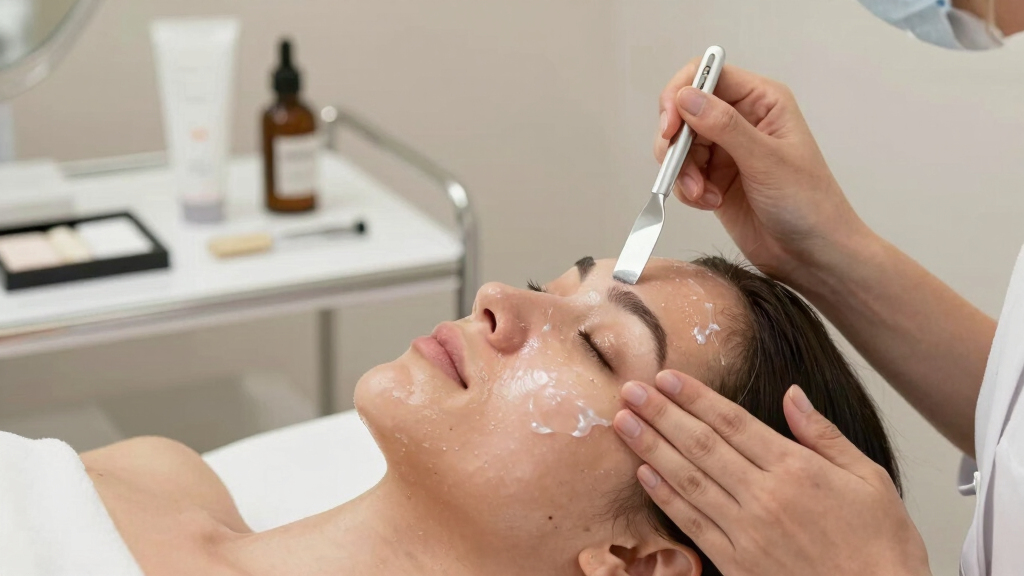
To get the most from your gel, apply it with precision. First, clean your skin thoroughly—think of it as prepping a canvas before painting. Use a gentle cleanser to remove oils, sweat, or lotions that could block the electrical flow. Then, dispense a small, pea-sized amount of gel per electrode—less is more, but enough to cover the entire contact area.
Spread the gel evenly with your fingertips or a spatula, avoiding air gaps that can disrupt current flow. Secure the electrodes firmly but comfortably—think of a gentle hug—so the gel stays in contact throughout the session. For example, if your electrode is a 2-inch round pad, a dime-sized dollop of gel should suffice. This ensures optimal conductivity without excess mess.
Proper application isn’t just about comfort; it directly impacts the quality of your treatment. Insufficient or uneven gel application can lead to inconsistent electrical conduction, which may reduce the therapy’s effectiveness. Gaps or dry spots increase resistance, causing the device to work harder or deliver uneven current, which can result in discomfort or subpar results. Moreover, poor application can cause irritation if the current concentrates unevenly or if air gaps generate hotspots. Mastering this step ensures your device performs at its best, delivering consistent, safe, and effective treatments while also reducing waste and cleanup time.
As an affiliate, we earn on qualifying purchases.
How to Reuse Conductive Gels Safely Without Compromising Hygiene
Reusing gel can be practical and economical, but it demands a rigorous approach to hygiene. Contamination is a critical concern because bacteria, fungi, or other microbes can thrive in moist environments, especially when water-based gels are involved. If contaminated gel is reused, it can introduce pathogens back onto your skin or into your treatment area, increasing the risk of infections or skin irritations. This is particularly important for those with compromised immune systems or sensitive skin.
To mitigate these risks, always transfer leftover gel into a clean, airtight container—think of it as sealing in freshness and preventing airborne contaminants. Use dedicated utensils like a spatula or disposable applicator to avoid cross-contamination that can occur with double-dipping or direct contact. After each session, thoroughly clean your electrodes using mild soap and water or a manufacturer-approved cleaner, then dry them completely. This step is essential because residual moisture can harbor microbes and degrade gel quality over time. Regularly inspecting stored gel for changes in appearance, smell, or consistency is crucial; cloudiness, separation, or foul odor are signs of contamination and indicate it should be discarded. While reusing gel reduces waste and cost, it’s vital to always prioritize safety—if there’s any doubt about its cleanliness or integrity, discard it. Balancing cost-effectiveness with strict hygiene practices ensures your treatments remain safe, effective, and hygienic, preventing adverse reactions and promoting long-term skin health.
microcurrent electrode cleaning kit
As an affiliate, we earn on qualifying purchases.
As an affiliate, we earn on qualifying purchases.
Latest Trends and Innovations in Conductive Gels
Recent developments focus on sustainability and performance. Eco-friendly gels are biodegradable and made with fewer chemicals. Reusable gel pads with replaceable conductive surfaces cut down on waste and ongoing costs. Some gels now include antimicrobial agents—like silver ions—to inhibit bacterial growth, making reuse safer.
For instance, a new hydrogel pad might last for 30+ sessions when cleaned properly, offering a greener choice. Additionally, conductive silicone sheets can be wiped clean and reused multiple times, providing a durable and sustainable alternative to traditional gels. These innovations are reshaping how professionals approach microcurrent therapy, blending safety, efficiency, and environmental consciousness.
Understanding these advancements helps practitioners and enthusiasts make informed choices. While eco-friendly options might have a higher upfront cost, they can significantly reduce waste and long-term expenses. Incorporating antimicrobial agents extends the safe reuse window, but always follow manufacturer instructions to ensure safety. Staying updated on these innovations ensures your treatments are not only effective but also aligned with sustainability goals—an important consideration as the industry evolves.
As an affiliate, we earn on qualifying purchases.
Quick Reference: How Much Gel to Use and When to Discard
| Scenario | Recommended Action |
|---|---|
| First-time use or sensitive skin | Apply a thin, even layer—about a pea-sized amount per electrode. |
| Reusing gel on same person in multiple sessions | Store properly, check for changes, and ensure no contamination before reuse. |
| Switching to a different person | Use fresh gel to prevent cross-contamination—no reusing from previous client. |
| Gel shows cloudiness, bad smell, or separation | Discard immediately to prevent skin irritation or infection. |
Common Questions About Reusing Conductive Gels
- Can I reuse the same gel for multiple sessions? Yes, if stored correctly and uncontaminated. However, many prefer fresh gel for each session to ensure hygiene.
- How much gel do I need? A pea-sized amount per electrode typically works well, but larger areas may need a bit more.
- Is reusing gel safe on different patients? No, to prevent infection, always use fresh gel or disposable applicators when switching users.
- How do I clean electrodes after use? Use mild soap and water or a recommended cleaner, then dry thoroughly before next use.
- Are eco-friendly options available? Yes, biodegradable gels and reusable conductive pads are increasingly accessible, supporting sustainability.
Conclusion
Mastering the proper use and cautious reuse of conductive gels transforms your microcurrent sessions from routine to refined. Think of it as nurturing a delicate garden—attention to detail ensures healthy growth and vibrant results.
Keep your practices hygienic, stay informed about new options, and treat your gels like precious tools. Your skin and the environment will thank you for it.
NFL season / tailgating Picks
team gear
As an affiliate, we earn on qualifying purchases.