
TL;DR
Prime for Young Adults — start your free trial
Fast free delivery, streaming and member deals for eligible 18–24 year olds.
Try it freeAs an affiliate, we earn on qualifying purchases.
Ongoing costs of microcurrent treatments include professional session fees, personal device investments, consumables, and maintenance. Regular use is essential for sustained results, so budgeting accordingly helps you avoid surprises.
Microcurrent treatments often seem like a magic bullet for youthful skin—yet behind the glowing results lies a practical truth: they come with ongoing costs. From initial sessions that can add up to a few hundred dollars to the steady expense of at-home devices, understanding the real financial commitment helps you decide if this beauty-tech fits your lifestyle.
In this guide, you’ll learn about all the costs involved—what to expect for professional treatments, the investment in personal devices, and the hidden expenses that keep your skin glowing. Knowing these numbers means you can budget wisely and avoid surprises, making your microcurrent journey both effective and sustainable.
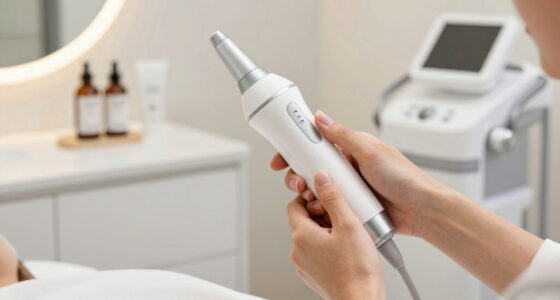
Professional microcurrent treatments cost between $50 and $200 per session, with ongoing expenses for packages and maintenance.
At-home devices can be a more budget-friendly long-term option but require consistent use for sustained results.
Additional costs include conductive gels, device upgrades, and periodic replacements—these add up over time.
Regular treatments are necessary to maintain benefits, making ongoing costs an integral part of the investment.
Choosing between professional and at-home options depends on your budget, lifestyle, and commitment to routine.
How much do professional microcurrent treatments really cost?
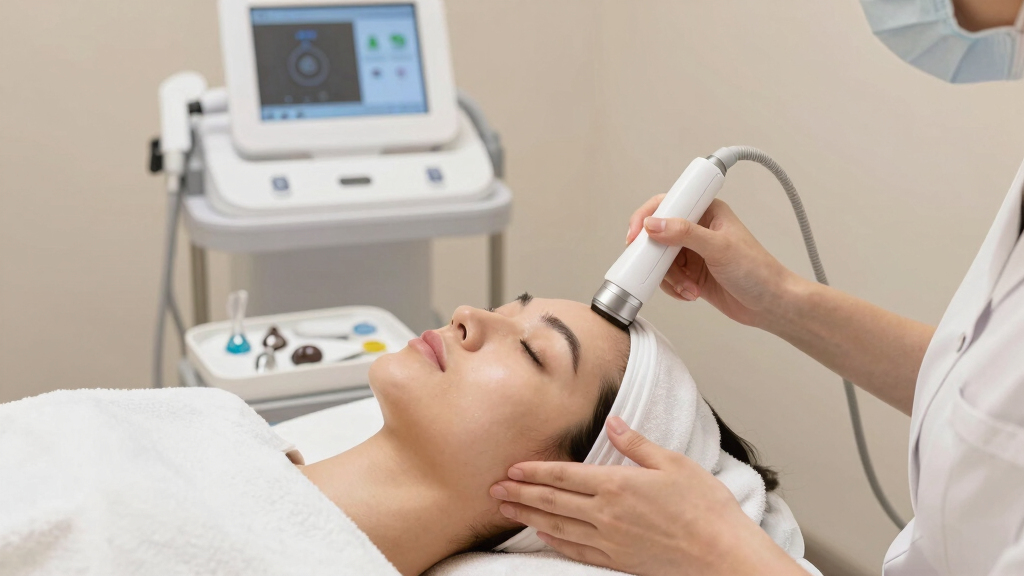
Professional sessions typically run from $50 to $200 each, depending on the clinic, location, and treatment package. For example, a popular spa might offer 8 weekly sessions at $75 each, totaling around $600. But beyond the initial price, it’s essential to understand the implications of these costs. Regular treatments are often necessary to maintain visible results, which means your expenses can quickly escalate if you pursue this routinely.
Choosing package deals or memberships can reduce per-session costs, but this requires upfront investment and commitment. The key implication is that ongoing professional treatments can become a significant monthly expense, impacting your budget and possibly leading to tradeoffs—like prioritizing this over other skincare or wellness routines. Recognizing this helps you evaluate whether consistent professional care aligns with your financial priorities and lifestyle, or if a more cost-effective at-home routine might be preferable.
As an affiliate, we earn on qualifying purchases.
What’s the price of at-home microcurrent devices—and are they worth it?
At-home devices range from around $200 to $2,000. For example, a mid-range device like the BellaPiu Microcurrent Facial Device costs about $500 and offers customizable settings. This initial investment can seem steep, but it often provides a cost advantage over repeated professional sessions if you use it regularly. The tradeoff lies in the device’s quality and capabilities—cheaper models may not deliver consistent or effective results, leading to potential disappointment or additional purchases of upgraded models.
The value of these devices depends heavily on your commitment. If you’re diligent and consistent, a quality device can save you money over time, making it a worthwhile investment. However, inconsistent use or choosing a lower-quality device might result in subpar results, forcing you to buy new devices sooner or seek professional treatments anyway. The deeper implication is that investing in a reputable device is not just about cost but about ensuring efficacy, which can ultimately influence your long-term skin health and your satisfaction with the investment.
professional microcurrent treatment package
As an affiliate, we earn on qualifying purchases.
As an affiliate, we earn on qualifying purchases.
What are the hidden ongoing expenses in microcurrent skincare?
Beyond the obvious costs, there are several hidden expenses that can significantly impact your budget and the effectiveness of your treatments. Conductive gels or serums are critical for proper conductivity and safety, but their quality and quantity matter. High-quality, professional-grade gels may cost around $20 for a bottle that lasts approximately 10-15 treatments. Using cheaper alternatives might reduce immediate costs but can compromise treatment efficacy or cause skin irritation, which could lead to additional expenses like specialized skincare products or professional consultations to address skin issues.
Furthermore, as technology advances, newer device models with enhanced features may tempt you to upgrade. While upgrades can improve results, they come with additional costs, potentially leading to a cycle of continuous spending. Maintenance costs, such as replacing worn-out parts or batteries, also add up—especially if you use your device daily, with replenishing gels weekly and occasional repairs costing roughly $10–$15 monthly. Recognizing and planning for these hidden expenses ensures you’re not caught off guard, enabling more accurate budgeting and avoiding the risk of overspending just to keep your equipment functioning at peak performance.
As an affiliate, we earn on qualifying purchases.
How often do you need treatments to see and keep results?
Most experts recommend an initial phase of weekly professional treatments—about 6 to 12 sessions—because this frequency helps build collagen and stimulate skin renewal effectively. This intensive approach accelerates results and establishes a baseline of improved skin tone and firmness. Skipping or delaying these sessions may result in less noticeable improvements or slower progress, which can tempt you to seek additional treatments sooner or increase your frequency later—adding to overall costs.
After achieving initial results, transitioning to monthly or bi-monthly maintenance sessions is essential to sustain those benefits. Consistency is key; missing treatments can cause results to fade, requiring more frequent or additional sessions, which increases expenses over time. For at-home users, daily or every-other-day sessions are common, but this routine demands discipline. Inconsistent use or skipping sessions diminishes benefits, often leading to the need for more treatments or device replacements, thus impacting your overall budget and the long-term effectiveness of your skincare routine. Recognizing the importance of routine helps you weigh the costs against the benefits and make sustainable choices.
microcurrent device replacement parts
As an affiliate, we earn on qualifying purchases.
As an affiliate, we earn on qualifying purchases.
Frequently Asked Questions
How much does a typical microcurrent treatment cost?
Professional sessions usually cost between $50 and $200 each, with discounts for packages. At-home devices can be a one-time expense from $200 to $2,000, which can save money in the long run if used regularly.
Are at-home microcurrent devices worth the investment?
They can be cost-effective if used consistently, but results depend on device quality and your dedication. For some, the convenience outweighs the initial cost, making it a smart choice for ongoing skin care.
How often do I need treatments to see and keep results?
Most people start with weekly professional treatments, then switch to monthly maintenance. At-home users often aim for daily or every-other-day sessions, depending on their goals and device instructions.
What are the ongoing costs besides treatment sessions?
Expect to budget for conductive gels or serums, device maintenance, and occasional upgrades or replacements. These can add roughly $10–$15 monthly, depending on usage.
Are microcurrent treatments safe and cost-effective?
Generally safe when used correctly, they are a supportive skincare option. Cost-effectiveness depends on your routine, results, and how much you value the benefits over time.
Conclusion
Ongoing costs of microcurrent treatments aren’t just about the price tag—it’s about what you’re willing to invest over months or years to keep your skin looking fresh and vibrant.
Knowing the real expenses helps you plan wisely, so your glow isn’t just a fleeting moment but a sustainable part of your beauty routine. The key is consistency—your skin’s best friend, and your wallet’s too.
Flea & tick season Picks
flea and tick prevention
As an affiliate, we earn on qualifying purchases.