
TL;DR
Heat protection in professional-style hair devices reduces damage significantly, especially with newer technologies like infrared and smart sensors. Proper use of protective products and temperature control are key for healthy, shiny hair.
Every time you crank up that flat iron or curling wand, you’re risking more than just a quick style. The heat can weaken your hair’s structure, leading to dryness, breakage, and dullness. But modern styling devices and protective products are making a real difference. They’re not magic shields, but they do support your hair’s health while giving you those perfect, glossy finishes.
In this guide, you’ll learn how heat protection works in professional-style hair devices, what recent innovations mean for your routine, and how to get the best results without sacrificing hair health. Because beautiful hair shouldn’t come at the cost of damage.
Proper use of heat protectant sprays can cut damage by up to 50%.
Modern styling tools with even heat distribution and sensors significantly reduce hot spots and injury risk.
Keeping temperatures below 375°F for most hair types balances style and health.
Infrared and smart technology in styling devices makes heat damage less likely, but protection remains essential.
Routine with prep, temperature control, quality tools, and after-care supports lasting hair health.
Why Heat Damage Is a Hidden Enemy for Your Hair
Heat damage is more insidious than you think. It’s not just about a burnt smell or a few split ends. Excessive heat penetrates the outer layer of hair, called the cuticle, and can weaken the keratin proteins that give your hair strength and shine. Over time, this leads to dryness, brittleness, and even color fade.
Imagine a silk scarf exposed to high temperatures—it loses its softness, becomes brittle, and starts fraying. Hair reacts similarly. Even occasional high-heat styling, like at 450°F, can cause cumulative damage, especially if you style daily or frequently.
Why does this matter? Because damaged keratin strands lose their ability to reflect light, resulting in dullness and a lack of vitality. The weakening of the cuticle also makes hair more porous, which means it absorbs moisture and pollutants unevenly, leading to frizz and further damage. Recognizing these effects underscores the importance of controlling heat exposure; the goal isn’t just to avoid immediate burns but to preserve the integrity of your hair’s structure over time.

CHI 44 Iron Guard Thermal Protection Spray for Hair, Heat Damage Shield with Ceramic Minerals, Lightweight Styling Spray, Frizz Control & Shine Enhancer, 8 Fl Oz
- Heat Protection: Protects hair up to 450°F
- Lightweight Formula: Non-greasy, absorbs instantly
- Frizz Control: Tames frizz for sleek hair
As an affiliate, we earn on qualifying purchases.
As an affiliate, we earn on qualifying purchases.
How Modern Hair Devices Minimize Hot Spots and Maximize Safety
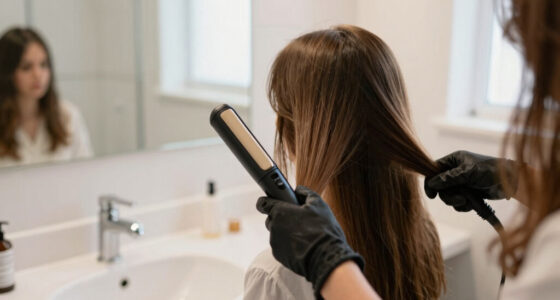
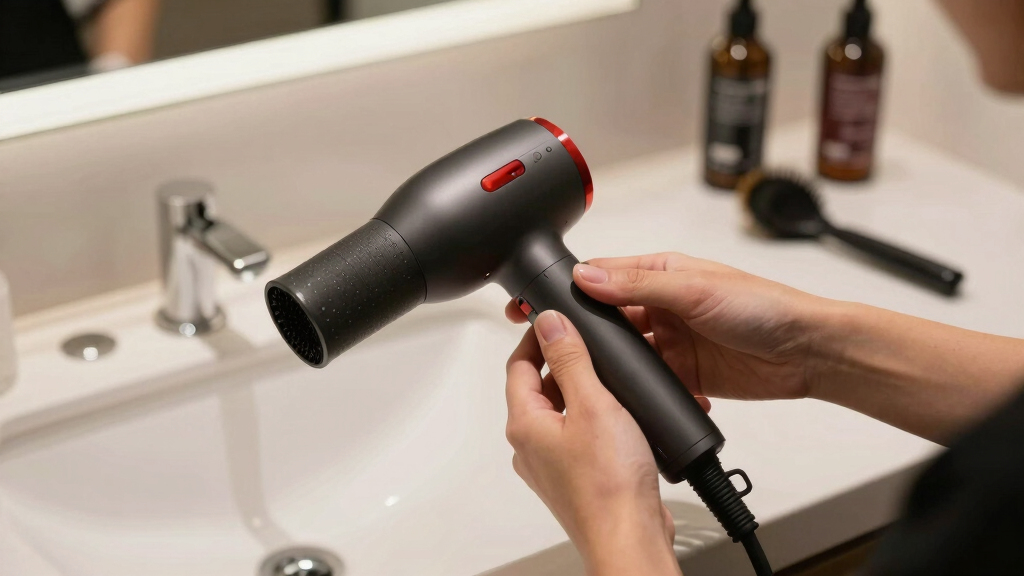
Many professional styling tools now incorporate technology that distributes heat more evenly—think of it as a gentle heat hug rather than a scorching blast. Ceramic, tourmaline, and titanium plates are designed to spread heat smoothly across your hair, preventing hot spots that can cause localized damage.
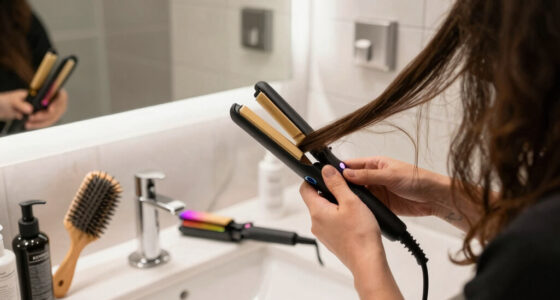
For example, a high-end flat iron with a ceramic plate ensures consistent temperature across its surface, reducing the risk of overheating any single strand. Some brands now include digital controls and sensors that adjust heat based on your hair’s thickness and moisture levels. This means you get the style you want without the extra risk.
Why does this matter? Because uneven heat distribution creates hot spots—areas where the temperature spikes and causes concentrated damage. Over time, these hot spots can lead to breakage and split ends that compromise your hair’s health and appearance. Advanced technology not only reduces immediate damage but also helps maintain the overall integrity of your hair, leading to longer-lasting, healthier styles. The tradeoff is that these devices often come at a higher cost, but the investment can pay off in healthier hair over the long term.
professional flat iron with temperature control
As an affiliate, we earn on qualifying purchases.
As an affiliate, we earn on qualifying purchases.
The Power of Heat Protectant Products — Do They Really Work?
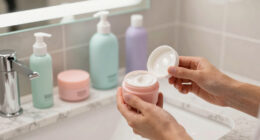
Heat protectant sprays and serums are the unsung heroes of safe styling. They create a barrier that absorbs and disperses heat, shielding your hair from direct contact with hot surfaces. Think of them as a buffer zone that keeps your keratin intact.
Research shows that properly applied heat protectants can cut damage by up to 50%. But why is this reduction so significant? Because heat protectants do more than just coat the hair; they chemically reinforce the cuticle and keratin bonds, making the hair more resilient to thermal stress. Without this layer, the heat can cause proteins to break down, leading to weakened, brittle strands. Using a protectant is a tradeoff—while it adds an extra step, it extends the lifespan of your hair’s health and shine, especially when combined with lower heat settings. Practical application matters: applying generously ensures complete coverage, especially on mid-lengths and ends, which are most vulnerable to damage. Skipping this step might save time but risks undoing your styling efforts by accelerating damage.
As an affiliate, we earn on qualifying purchases.
What’s New? Cutting-Edge Tech and Trends in Heat Styling Devices
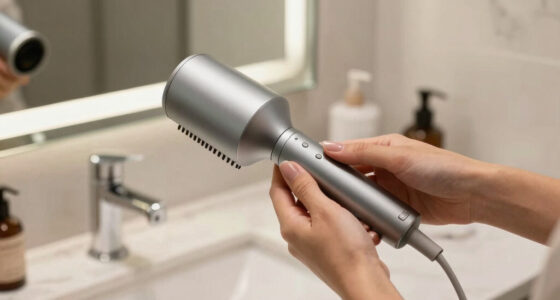
Innovation is reshaping how we style hair. Infrared technology, for example, heats hair from the inside out at lower temperatures, reducing damage while delivering the same sleek results. Imagine a curling wand that uses infrared rays to gently warm your strands—less heat, less harm. This internal heating method allows for effective styling at temperatures that are safer for your hair’s integrity, especially important for those with fine or damaged hair.
Smart devices with sensors now adjust temperature automatically based on your hair’s condition. Some tools monitor moisture levels and reduce heat if your hair is drying out, preventing over-drying and brittleness. These features help balance styling efficiency with hair health, avoiding the common mistake of cranking up heat to compensate for uneven results. Eco-friendly, sulfate-free heat protectants are trending, supporting both hair health and sustainability. They often contain natural ingredients that reinforce the cuticle and provide antioxidant protection, further reducing damage risks.
According to BellaPiu, these advancements aim to balance style with safety, making professional results more accessible and less damaging than ever before. The key implication is that technological progress doesn’t eliminate damage but significantly reduces it, provided users select appropriate settings and products.
As an affiliate, we earn on qualifying purchases.
Frequently Asked Questions
Are natural oils enough to protect my hair from heat?
Natural oils like coconut or argan provide some moisture, but they don’t form the durable barrier that dedicated heat protectant sprays do. For best results, combine oils with a proper heat protectant product.What’s the safest temperature for fine or damaged hair?
For fine or damaged hair, keep styling temperatures around 300°F (149°C). Higher settings risk further weakening fragile strands. Using lower temperatures with good heat protectant is the best approach.Can I skip heat protectant if I use a ceramic straightener?
No. Even with ceramic technology, high heat can cause damage over time. Always apply a heat protectant before styling for added safety.Do newer styling devices eliminate the need for heat protectants?
Not entirely. While innovations like infrared and sensors reduce risks, they don’t eliminate damage entirely. Using heat protectants remains a smart step.Conclusion
Investing in advanced styling tools and consistent heat protection transforms your routine. It’s not just about getting that perfect look—it’s about keeping your hair strong, shiny, and resilient.
Next time you style, remember: a little care goes a long way. Your hair’s future self will thank you for it.