TL;DR
Play games included with Prime
Start a Prime free trial and play with Amazon Luna on your devices.
Start playingAs an affiliate, we earn on qualifying purchases.
You can safely combine retinol with at-home devices by starting slow, patch testing, and following proper application routines. Consistent sun protection and monitoring your skin are key to avoiding irritation while maximizing results.
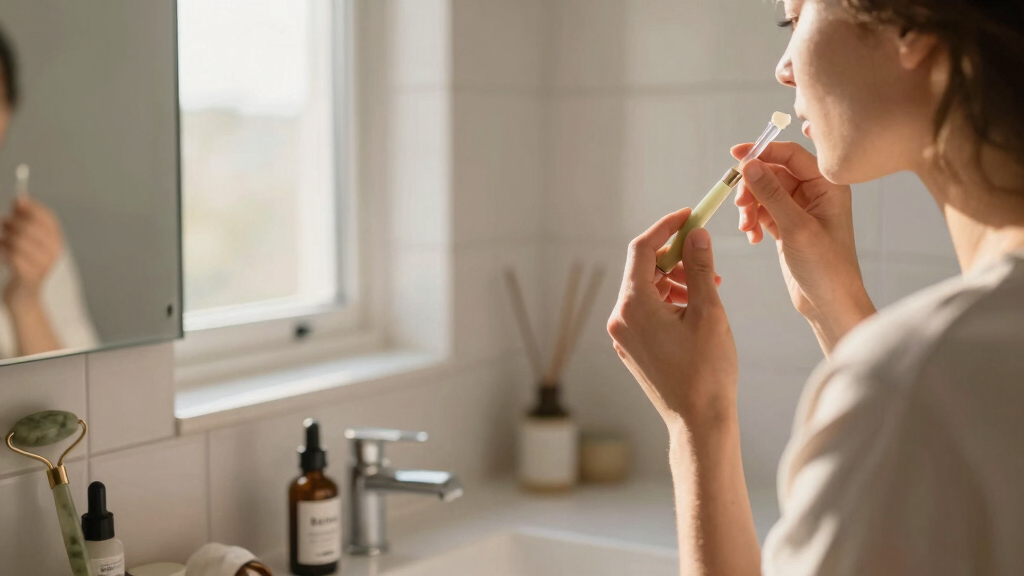
Imagine this: your skincare routine is a finely tuned orchestra. You want the harmony of clear, youthful skin without the discord of irritation or damage. Incorporating retinol with at-home devices can be a game-changer—if you play it right.
In this guide, you’ll learn how to navigate the delicate dance of retinol and home tech. From understanding your skin’s limits to recent innovations, you’ll gain practical, science-backed insights to elevate your routine safely.
Start with low-concentration retinol and increase gradually to avoid irritation.
Patch testing is essential before full application, especially when combining with devices.
Apply retinol at night, and coordinate device use to prevent over-stimulation.
Recent formulations with encapsulated retinol and soothing ingredients make combining safer.
Consistent sun protection is critical—retinol boosts photosensitivity, increasing damage risk.
What Exactly Is Retinol and Why It’s a Skincare Powerhouse
Retinol, a derivative of vitamin A, acts like a cellular traffic controller—speeding up skin cell turnover, smoothing texture, and fading dark spots. It promotes collagen production, which is crucial for skin elasticity and firmness. Its ability to accelerate cell renewal means it can diminish signs of aging and improve skin clarity.
However, this increased cell turnover also temporarily weakens the skin barrier, making it more susceptible to irritation, dryness, and sensitivity. Understanding this helps you appreciate its benefits while recognizing the importance of cautious use. The tradeoff lies in balancing effective results with manageable side effects, which is why proper introduction and monitoring are essential.
As an affiliate, we earn on qualifying purchases.
How to Introduce Retinol Without Overloading Your Skin
- Start with a low concentration (0.25% or less). Lower concentrations deliver the benefits of retinol while minimizing the risk of irritation, especially for sensitive skin types. This cautious approach allows your skin to gradually adapt to the active ingredient.
- Apply 2-3 times a week initially. This frequency provides your skin with enough exposure to stimulate renewal without overwhelming its ability to recover, which is critical in preventing peeling or inflammation.
- Gradually increase frequency if tolerated, aiming for nightly use over time. As your skin builds resilience, more frequent application can enhance results, but always pay attention to signs of over-sensitivity.
For example, Jane began with a 0.25% retinol twice a week. After a month of no irritation, she increased to three times a week, noticing smoother skin and fewer breakouts. This incremental approach ensures your skin adapts safely, reducing the likelihood of setbacks.
As an affiliate, we earn on qualifying purchases.
Why Patch Testing Is Your Best Friend Before Full-Scale Use
Patch testing involves applying a small amount of retinol on your jawline or behind the ear for 24-48 hours. This step is vital because it allows you to observe how your skin reacts in a controlled area, minimizing the risk of widespread irritation or allergic response.
Think of it as a preview—if redness, itching, or swelling occur, it indicates your skin may not tolerate the product well. Addressing this early prevents larger flare-ups and helps you determine whether to proceed or adjust your routine. Patch testing is especially important when combining retinol with at-home devices because both can increase skin sensitivity, amplifying the risk of adverse reactions if your skin isn’t prepared.
In essence, patch testing acts as a safety gate, giving you insight into your skin’s current resilience and helping you tailor your routine for optimal safety and effectiveness.
As an affiliate, we earn on qualifying purchases.
Timing Matters: When and How to Apply Retinol with Your Devices
Applying retinol at the right time maximizes its benefits while minimizing irritation. Nighttime is ideal because your skin repairs itself during sleep, and retinol works synergistically with this natural cycle. After cleansing and thoroughly drying your skin, apply a thin layer of retinol to allow it to penetrate effectively without trapping excess moisture, which can increase irritation.
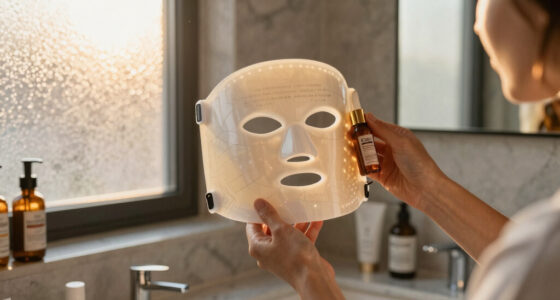
For devices like LED masks or microcurrent tools, understanding the timing is crucial. Using these devices too soon after applying retinol can exacerbate sensitivity, while waiting too long might reduce effectiveness. The best practice is to space out treatments: apply retinol at night, then wait at least 24 hours before using your device, or vice versa. Alternatively, if your routine involves frequent device use, consider applying retinol on nights when you don’t use devices.
Imagine a schedule where you apply retinol on Monday, Wednesday, and Friday nights, and use your LED mask on Tuesday and Thursday evenings. This approach allows your skin to benefit from both without overloading it, preserving its barrier and reducing the risk of irritation.
As an affiliate, we earn on qualifying purchases.
How to Combine Retinol with At-Home Devices Without Causing Damage
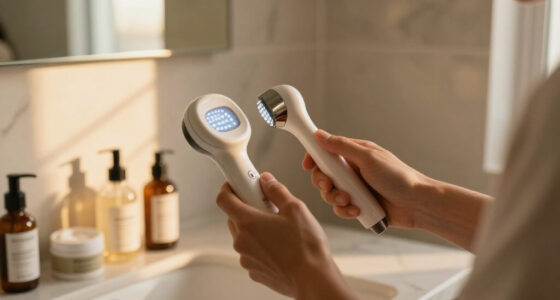
Combining retinol with devices like LED therapy, dermarollers, or microcurrent tools can significantly enhance your skincare results. However, improper timing or frequency can lead to over-stimulation, inflammation, or damage to your skin barrier. Recognizing the skin’s signals and planning your routine carefully is essential to avoid setbacks.
Here’s what you should do:
- Use devices on non-retinol nights to give your skin a break from active ingredients, reducing cumulative irritation and allowing your skin to recover. This is especially important if you have sensitive skin or are new to at-home treatments.
- If you want to incorporate retinol with device use, wait 24-48 hours after or before treatment. This spacing prevents the active ingredient from amplifying the effects of the device, which could lead to over-exfoliation or irritation.
- Always follow device-specific instructions—some recommend avoiding retinol during active use or suggest specific recovery periods. Understanding these guidelines helps prevent unintended damage and ensures safe, effective results.
For example, Sarah uses her LED mask twice a week, but only after a retinol-free night. This sequencing optimizes light therapy benefits while giving her skin time to recover from retinol’s effects, maintaining a healthy barrier and preventing irritation.
The Latest in Tech and Formulations That Make Combining Safer
Recent innovations in retinol formulations and at-home devices are making it easier and safer to combine these treatments. Encapsulated retinol, for instance, releases gradually over time, which means less intense exposure at any given moment. This controlled release helps maintain efficacy while reducing irritation, especially for sensitive skin or when used with devices that increase skin sensitivity.
Many modern formulations now include soothing ingredients like ceramides, niacinamide, or peptides—these act as a calming shield, reinforcing the skin barrier and diminishing potential side effects. Think of them as a calming squad that helps your skin handle active ingredients better.
Meanwhile, at-home devices are increasingly designed with safety features such as adjustable intensities, timers, or cooling functions. These features allow you to customize treatments, preventing over-stimulation and overexposure. For example, an LED mask with adjustable settings can be used at lower intensities when combined with retinol, reducing the risk of irritation while maintaining effectiveness.
These advancements mean you can enjoy the benefits of retinol and at-home treatments with greater peace of mind. However, understanding their capabilities and limitations is key—overuse or incorrect settings can still cause issues, so always follow product instructions and listen to your skin.
| Feature | Traditional Retinol | Encapsulated/Advanced Formulations |
|---|---|---|
| Irritation Risk | Higher | Lower |
| Absorption Control | Immediate release | Gradual release |
| Additional Soothing Ingredients | Rare | Common |
According to BellaPiu, these innovations are making it safer to blend retinol with at-home tech—when used with care.
Monitor Your Skin Like a Pro and Know When to Pause
Pay close attention to how your skin responds to combined retinol and device treatments. Redness, peeling, or excessive dryness are signs that your skin is overwhelmed or irritated. Recognizing these signals early allows you to adjust your routine proactively, preventing more severe reactions.
For example, if you notice persistent redness or flaking after a week of combining retinol and microcurrent treatments, it’s wise to cut back on frequency or temporarily stop using retinol. This pause gives your skin time to recover and rebuild its barrier. Once your skin feels resilient again, you can gradually reintroduce retinol, starting with lower concentrations or less frequent application.
Patience and vigilance are key. Consistent monitoring helps you understand your skin’s thresholds, and over time, you’ll develop a personalized routine that delivers results without irritation. Remember, visible improvements often take 4-12 weeks, but listening to your skin ensures those results are achieved safely and sustainably.
Safety First: Sun Protection Is a Must
Retinol increases your skin’s photosensitivity—think of it as turning up the brightness on a delicate fabric. Daily broad-spectrum SPF 30+ is your armor. Without proper protection, your skin becomes more vulnerable to UV damage, which can negate your skincare efforts and accelerate aging.
Apply sunscreen every morning, even when indoors, as UV rays penetrate windows and can cause damage over time. Reapply every two hours if you’re outdoors or sweating. This consistent protection acts as a shield, preventing long-term damage, pigmentation, and premature aging caused by sun exposure.
Imagine a sunny beach day—without protection, your skin risks burning, developing age spots, and losing elasticity. That’s why SPF isn’t just a recommendation; it’s a critical step in a retinol-inclusive routine. Prioritizing sun protection ensures your efforts in skin renewal translate into lasting, healthy results.
Frequently Asked Questions
Can I use retinol with at-home devices like LED masks or dermarollers?
Yes, but be cautious. Avoid using retinol immediately before or after treatments like microdermabrasion. It’s safest to space out applications by at least 24 hours and follow device instructions.How do I minimize irritation when combining retinol with at-home devices?
Start with lower retinol concentrations, perform patch tests, and gradually increase use. Also, limit device treatments to non-retinol nights initially.Should I stop using retinol during intensive exfoliation treatments?
Yes, pausing retinol during procedures like chemical peels or microdermabrasion helps prevent over-irritation. Resume once your skin has recovered.When is the best time to apply retinol if I’m using at-home devices?
Apply retinol at night after cleansing, and wait at least 30 minutes before using devices. Follow specific device instructions for best results.How long before I see results from combining retinol with at-home devices?
Most users notice improvements after 4 to 12 weeks of consistent use, depending on skin concerns and routine adherence.Conclusion
Balancing retinol with at-home devices isn’t about avoiding them but about timing, patience, and listening to your skin. Treat your skin like a delicate flower—nurture it with care, not force.
With the right approach, you can enjoy the glow of healthier skin while keeping irritation at bay. Remember, good things come to those who wait—and who respect their skin’s signals.
Fall yard work Picks
leaf blowers
As an affiliate, we earn on qualifying purchases.