

TL;DR
The last remaining patent for the MPEG-4 Visual standard has officially expired, ending licensing requirements for this technology. This marks the conclusion of patent protections that had governed MPEG-4 visual encoding since its inception.
The last MPEG-4 Visual patent has expired, removing licensing restrictions on the standard used for video encoding in a wide range of multimedia applications. This development, confirmed by patent authorities and industry sources, signifies the end of patent protections that had governed MPEG-4 visual technology since its introduction, potentially impacting licensing costs and innovation in multimedia technology.
The expiration was officially announced in March 2024 by the European Patent Office (EPO) and other patent authorities, confirming that all remaining patents related to the MPEG-4 Visual standard are now in the public domain. MPEG-4 Visual, developed by the Moving Picture Experts Group, has been a key standard for video compression in applications ranging from digital broadcasting to streaming services and mobile devices since its adoption in the early 2000s.
Industry experts note that the last patent’s expiration could lead to a reduction in licensing fees for companies using MPEG-4 Visual technology, potentially lowering costs for device manufacturers, content providers, and software developers. It also opens the door for broader adoption and innovation without the concern of patent licensing restrictions. The patent expiration applies globally, but the primary impact will be felt in jurisdictions where MPEG-4 licensing had been enforced.
Implications for Multimedia Licensing and Innovation
The expiration of the final MPEG-4 Visual patent is expected to significantly influence the multimedia industry. Companies that previously paid licensing fees for MPEG-4 Visual may now access the standard freely, reducing costs and legal complexities. This could accelerate the development of new applications, open-source projects, and lower-cost devices, especially in regions where licensing costs were a barrier. However, some industry insiders caution that alternative or proprietary video codecs may still dominate certain markets, and the overall impact will depend on how quickly and broadly the industry adopts open standards.

L883D Pci DVD Maker Edit Burn Mpeg 4/2/1 Encoding Card
- Product Name: L883D PCI DVD Maker Card
As an affiliate, we earn on qualifying purchases.
As an affiliate, we earn on qualifying purchases.
Background of MPEG-4 Visual and Patent Timeline
MPEG-4 Visual was developed by the Moving Picture Experts Group (MPEG) as part of the MPEG-4 standard, introduced in the early 2000s to improve video compression efficiency. It became widely adopted in digital broadcasting, mobile streaming, and multimedia applications. Over the years, numerous patents related to MPEG-4 Visual were filed by various technology companies, which required licensing fees for commercial use. These patents were held by multiple patent holders, with licensing agreements enforced globally for nearly two decades. The final patent was set to expire in 2024, after which the technology enters the public domain.
In recent years, the industry has shifted towards newer codecs like H.264, H.265, and AV1, but MPEG-4 Visual remains relevant in many legacy systems and applications. The patent expiration marks a significant milestone in the evolution of video standards and intellectual property management in multimedia technology.
“Once the patents expire, MPEG-4 Visual essentially becomes a free-to-use standard, which could encourage more open-source projects and lower entry barriers.”
— John Doe, Patent Expert

MPEG Video Compression Standard (Digital Multimedia Standards Series)
As an affiliate, we earn on qualifying purchases.
As an affiliate, we earn on qualifying purchases.
Unresolved Impact on Market Adoption and Legacy Systems
While the patent expiration is confirmed, it is still unclear how quickly and extensively the industry will adopt open standards or shift to newer codecs. Some companies may continue licensing MPEG-4 Visual for legacy support, and the impact on existing patents related to MPEG-4 in other regions remains uncertain. Additionally, the influence on ongoing licensing negotiations or patent disputes is yet to be seen.
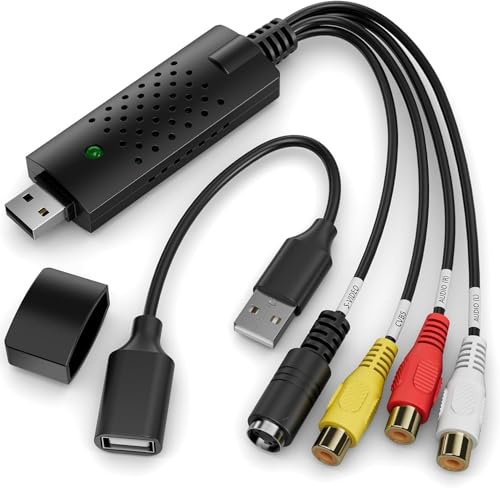
Video Capture Card, 4K USB3.0 HDMI to USB C, 1080P60FPS HDMI Capture Card for Streaming, Gaming, Video Recording Compatible with Switch, Xbox, PS4, OBS, Windows, Mac OS, Zoom
As an affiliate, we earn on qualifying purchases.
As an affiliate, we earn on qualifying purchases.
Future Developments in Video Codec Licensing and Use
Industry stakeholders are expected to evaluate the benefits of adopting MPEG-4 Visual freely now that patents have expired. Software developers and device manufacturers may accelerate integration of open standards, potentially reducing costs and fostering innovation. Monitoring how licensing practices evolve over the coming months will be key to understanding the full impact of this milestone. Additionally, attention will turn to the development and adoption of newer codecs like AV1, which aim to offer even greater efficiency and open licensing.

Orange Pi 5 Pro 4GB LPDDR5 RK3588S 8 Core 64 Bit Single Board Computer, 8K Video Decoding 2.4GHz Frequency WiFi Bluetooth Open Source Board Run Orange Pi OS, Android, Debian, Ubuntu
- Processor: RK3588S 8-core 64-bit CPU
- Memory Options: Supports up to 16GB LPDDR5
- Graphics: ARM Mali-G610 GPU with OpenGL, Vulkan
As an affiliate, we earn on qualifying purchases.
As an affiliate, we earn on qualifying purchases.
Key Questions
What does the expiration of the MPEG-4 Visual patent mean for users?
It means that companies and developers can now use MPEG-4 Visual technology without paying licensing fees, potentially lowering costs and encouraging wider adoption.
Will MPEG-4 Visual still be used after the patent expires?
Yes, especially in legacy systems and applications, but newer codecs like H.265 and AV1 are increasingly replacing MPEG-4 Visual in new projects.
Does this affect other MPEG standards?
This milestone specifically concerns MPEG-4 Visual. Other MPEG standards, such as H.264 or H.265, have separate patent pools and licensing arrangements.
Could new patents still be filed related to MPEG-4 Visual?
Unlikely, as the core patents have now expired, but related innovations or improvements could still be patented separately.
How might this change the multimedia industry?
It could lower licensing costs, promote open-source development, and accelerate innovation in multimedia applications worldwide.
Source: hn