
TL;DR

Get beauty and skincare favorites delivered free with Prime
- Fast, free delivery on millions of items
- Prime Video, Amazon Music and more included
- Member-only deals all year
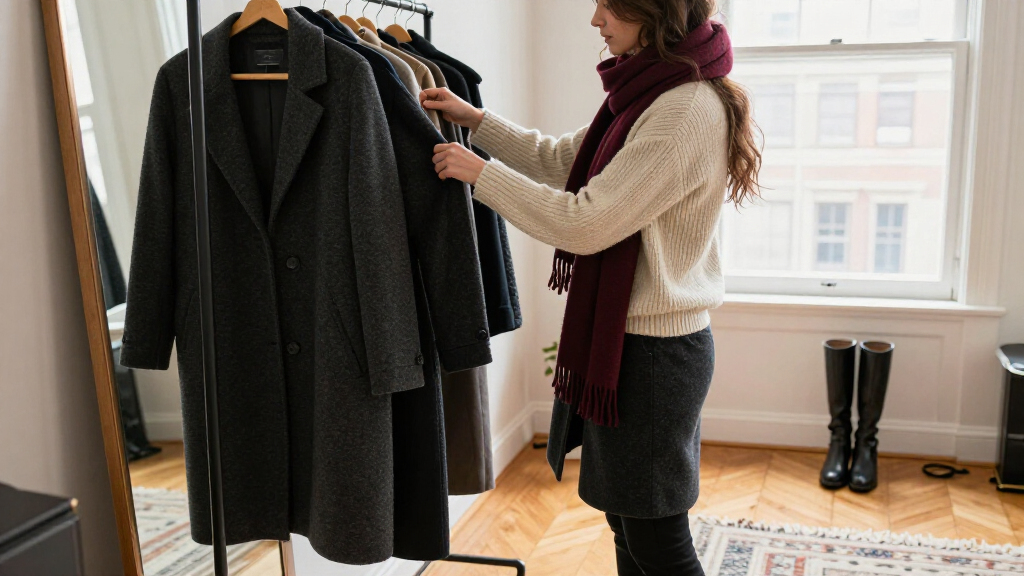
Marie Claire published a guide to building a winter capsule wardrobe from versatile layers, knitwear, coats, trousers, jeans and practical shoes. The report recommends choosing pieces that work together and can be worn repeatedly; it does not establish a single required list or quantify the benefits.
Marie Claire has published a fashion-editor’s guide to building a winter capsule wardrobe, recommending a compact selection of layers, knitwear, coats, bottoms and shoes that can be combined across different occasions. The advice focuses on repeat wear and versatility, rather than buying a wholly new seasonal wardrobe.
The guide identifies knitwear and base layers as the foundation of cold-weather dressing. It suggests turtleneck and crewneck sweaters in wool or cashmere, along with long-sleeve tops that can sit beneath heavier knits or be worn on their own. The report frames these pieces as ways to layer for warmth while keeping outfits adaptable.
For outerwear, it recommends having options suited to different conditions and settings: a puffer coat for colder weather and a wool wrap coat for a more tailored look. The guide also includes a beanie and scarf, describing them as useful additions on windy or chilly days. It does not prescribe a particular number of items or say that readers need specific designer labels.
For bottoms and footwear, the article points to straight-leg jeans and tailored wool trousers, paired with flat leather boots or walkable sneakers. Its examples span products from a range of brands, but the central recommendation is to choose pieces that work with several items already in a person’s wardrobe. The report presents fewer impulse purchases and more intentional selection as its approach, not as a measured financial or environmental outcome.
A Smaller Wardrobe, More Outfit Options
The guide addresses a familiar practical problem: winter clothing can be bulky, and cold conditions often narrow what feels comfortable to wear. A set of compatible layers may make daily outfit choices simpler, particularly when a coat is the most visible part of an outfit. That is the article’s rationale; it does not report research showing that capsule wardrobes save time or money.
Its recommendations also leave room for different needs. A puffer is presented as an option for harsher forecasts, while a wrap coat offers a different silhouette; sneakers and flat boots prioritize ease of movement. Readers can apply the underlying idea—choose adaptable pieces that suit local weather and daily routines—without adopting every listed item or price point.
Popular right now

Dyson Airwrap i.d. Multi-Styler for Straight and Wavy Hair

Ninja Foodi DualZone 10-Qt Air Fryer, 6-in-1, Black (DZ302)

TCL QM64L 85-Inch QD-Mini LED 4K Smart Fire TV
As an affiliate, we earn on qualifying purchases.
The Guide’s Core Wardrobe Categories
The source report organizes its suggestions around specific categories rather than one fixed outfit formula: knitwear, base layers, outerwear, accessories, denim, trousers and shoes. It describes straight-leg jeans as a casual foundation and tailored wool trousers as an option for a more polished outfit. The listed examples include both luxury and more accessible brands, illustrating a range of products rather than a required shopping list.
The guide’s stated principle is that each item should justify its place through repeated use and the ability to style it in more than one way. It contrasts that approach with an overfilled closet and seasonal impulse buying. These are editorial recommendations from Marie Claire, not independently verified findings or a formal standard for what constitutes a capsule wardrobe.
“The secret isn’t an overflowing closet or an entirely new seasonal wardrobe, but rather a tightly edited selection of hardworking essentials that look just as good together as they do on their own.”
— Marie Claire report
No Fixed List or Measured Results
The supplied source does not specify a publication date, name an individual fashion editor, or give a required item count or budget. Its product examples are recommendations, not evidence that particular brands or materials are necessary for a functional winter wardrobe. Whether the suggested pieces are suitable depends on climate, personal preference, fit and cost; the report does not compare warmth, durability or prices across the examples.
The guide also does not quantify whether a capsule wardrobe reduces spending, decision time or clothing waste. Those outcomes should not be treated as established by the article. It offers styling advice and categories, while leaving readers to decide what fits their circumstances.
How Readers Can Apply the Advice
The source material announces no follow-up event or scheduled update. Readers can use the categories as a checklist, first reviewing what they already own and then identifying gaps based on their weather and routine. The report’s approach points toward selecting compatible layers and practical outerwear before adding further pieces, rather than treating every product shown as essential.
Any next steps are individual rather than part of a reported rollout: compare existing items, consider how often a prospective purchase could be worn, and choose footwear and coats suited to actual conditions. The article provides no stated deadline or new information expected later.
Key Questions
What is the main recommendation in Marie Claire’s winter wardrobe guide?
It recommends a tightly edited group of versatile pieces that can be layered and worn together, rather than replacing an entire wardrobe for the season.
Which clothing categories does the guide include?
The report covers knitwear, long-sleeve base layers, coats, hats and scarves, jeans, tailored trousers, boots and sneakers.
Does the guide require readers to buy the brands it lists?
No. The article names products from various brands as examples. Its broader advice is to select adaptable items that suit a reader’s needs; it does not present the named products as mandatory.
Does the report prove that a capsule wardrobe saves money or time?
No. It suggests that a curated wardrobe may make dressing less complicated and encourages fewer impulse purchases, but it provides no data measuring time or spending savings.
Source: rss