
TL;DR
Get ready for Prime Big Deal Days — try Prime free
Exclusive member deals on October 6–7, plus fast free delivery. Cancel anytime.
Start your free trialAs an affiliate, we earn on qualifying purchases.
Most users find that 2-3 sessions per week provide noticeable improvements within 4-6 weeks. Overuse can cause irritation, so starting slow and monitoring your skin’s response is key to safe, effective treatment.
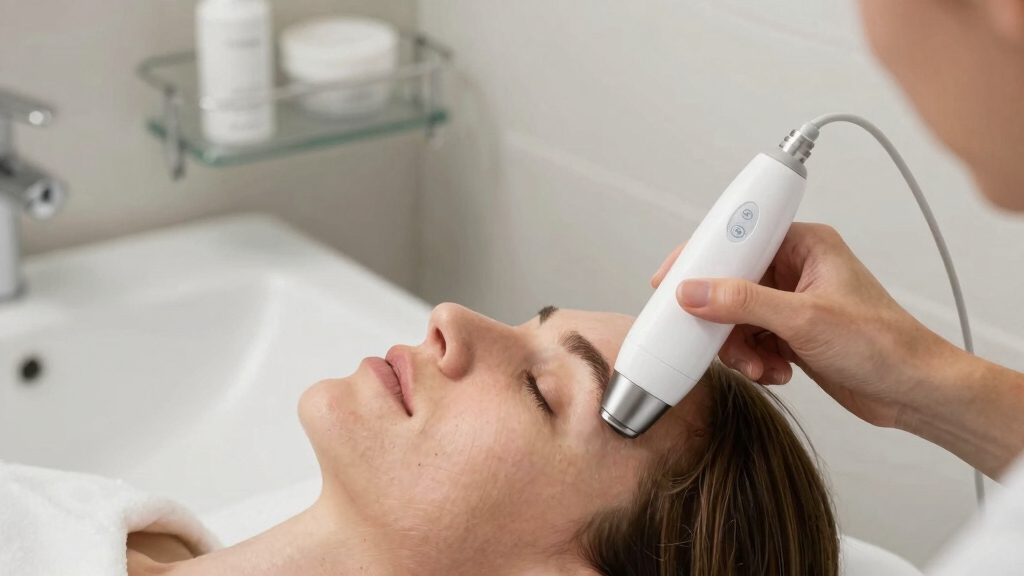
Imagine transforming your skincare routine into a precise art. Microcurrent devices promise a gentle lift, smoother skin, and a glow that feels almost effortless. But here’s the question everyone asks: how often should you use one?
If you’ve ever started a new skincare tool, you know the temptation to push it to see quick results. Yet, overdoing it can backfire — causing redness, fatigue, or even irritation. The secret lies in the right rhythm: consistent, safe, and tailored to your skin’s unique needs. Today, we’ll explore exactly how often you should incorporate microcurrent treatments into your routine for real, lasting benefits.
Start with 2-3 sessions per week for the first month to prevent irritation.
Expect visible results around 4-6 weeks of consistent use.
Overuse (more than 3 times weekly) offers no significant benefits and may irritate skin.
Monitor your skin’s response carefully and adjust frequency accordingly.
Once results are achieved, reduce frequency to maintain benefits — once every 1-2 weeks works well.
How Often Should You Use a Microcurrent Device?
For most users, the sweet spot is two to three sessions per week. That rhythm gives skin and facial muscles time to respond and recover—supporting gradual lift, smoother texture, and glow without unnecessary irritation.
Start slow. Let your skin set the pace.
Microcurrent is best approached like a gentle facial workout. Enough stimulation encourages progress; too much can produce redness, tingling, fatigue, or a stressed skin barrier.
Begin conservatively
Use the lowest comfortable setting twice a week. Leave recovery days between sessions and note how your skin feels the following morning.
Target: 2 sessions weeklyStay consistent
If your skin remains calm, continue at two sessions or move cautiously to three. Technique and regularity matter more than chasing maximum frequency.
Target: 2–3 sessions weeklyReduce the workload
Once firmness and tone are established, fewer sessions may be enough to preserve the effect without continually overstimulating the skin.
Target: every 1–2 weeksThink in weeks, not overnight transformations.
Visible changes commonly emerge after four to six weeks. Skin renewal takes time, and improvements in firmness and texture build through repeated, well-spaced treatments.
| Frequency | Best use | Potential advantage | Tradeoff | Verdict |
|---|---|---|---|---|
| Daily | Only when specifically directed by the device maker and well tolerated | May create a temporary early toning effect | Greater risk of irritation, muscle fatigue, and barrier stress | ✗ High caution |
| 2–3× weekly | Most beginner and active treatment routines | Balanced stimulation with recovery time | Requires consistency for several weeks | ✓ Best balance |
| Once weekly | Sensitive skin, cautious starts, or light maintenance | Gentle schedule with a lower irritation risk | Visible improvement may develop more slowly | ~ Gentle option |
| Every 1–2 weeks | Maintenance after achieving desired results | Preserves routine while limiting unnecessary exposure | May be too infrequent during the initial phase | ✓ Maintenance |
More sessions do not automatically mean faster results.
The practical goal is the highest sustainable consistency with the lowest avoidable irritation. These relative scores visualize the balance described in the treatment guidance.
Benefit-to-recovery profile
Illustrative index based on the relative balance of stimulation, recovery time, commitment, and irritation risk—not a clinical efficacy score.
Know when to adjust
Your skin type changes the starting line.
There is no single perfect schedule for everyone. Sensitivity, device strength, treatment area, current skin condition, and manufacturer instructions should all shape your routine.
Use extra spacing
Start at low intensity and allow a full week between early sessions. Increase only when there is no lingering redness, dryness, or discomfort.
Suggested start: 1× weeklyFollow the core rhythm
Two to three well-spaced sessions usually offer the strongest balance between steady stimulation and adequate recovery.
Suggested start: 2–3× weeklyRestore before pushing
Avoid treatment on broken or irritated skin. Prioritize barrier comfort, use suitable conductive gel, and resume with a conservative schedule.
Suggested start: pause or 1× weeklyThe questions most users ask before starting.
Can I use a microcurrent device every day?
Daily treatment is usually unnecessary and may increase irritation. Start with two to three weekly sessions unless your device instructions specify otherwise.
How long before I see noticeable results?
Most users should think in terms of four to six weeks of consistent use. Individual results vary with technique, device, skin, and treatment goals.
Should I increase frequency if nothing changes?
First review your technique, conductive medium, and device instructions. If skin is comfortable after six weeks, increase cautiously rather than jumping to daily use.
What signs mean I should cut back?
Persistent redness, warmth, tingling, dryness, or discomfort are signals to lower intensity, add recovery days, or pause treatment.
Can sensitive skin tolerate microcurrent?
Often yes, but begin at a lower setting and lower frequency. Stop if irritation persists and seek personalized guidance when needed.
What happens after I reach my goal?
Shift into maintenance. One session every one to two weeks may preserve benefits while reducing unnecessary stimulation.
Consistency beats frequency.
The most effective routine is not the most aggressive one. It is the schedule you can follow safely, comfortably, and long enough to evaluate.
Start Slow: Why Less Is Sometimes More
The first rule of microcurrent use is to begin conservatively. Most beginners find that 2-3 sessions per week strike the perfect balance. Think of it like a gentle workout for your face muscle fibers — too much too soon can lead to fatigue or redness. For example, if you’re new to microcurrent, try a twice-weekly routine for the first month.
This approach lets your skin adapt and helps you gauge how it responds. Overuse can cause mild irritation or a tingling sensation that might feel uncomfortable. Starting slow ensures your skin builds tolerance and avoids setbacks.
By gradually increasing the frequency based on your skin’s response, you allow your skin’s natural healing processes to keep pace with the stimulation. This cautious approach minimizes the risk of over-stimulation, which can lead to inflammation or compromised skin barrier function. The tradeoff is that progress may be slower initially, but it establishes a safer foundation for sustained improvements.
As an affiliate, we earn on qualifying purchases.
How Long Before You See Results? Patience Pays Off
Expect to wait around 4-6 weeks before noticing visible changes. Consistent use, combined with proper technique, gradually lifts, firms, and smooths skin. Imagine your facial muscles getting a gentle workout — results aren’t instant, but they’re steady.
This timeframe is important because it aligns with your skin’s natural renewal cycle. Skin cells typically regenerate every 28 days, so consistent stimulation over multiple cycles allows collagen and elastin production to increase gradually. Rushing this process by overusing the device can actually hinder progress, leading to irritation or inflammation that stalls results. Patience ensures that your skin adapts healthily and that improvements are sustainable over the long term.
For example, a user who committed to twice-weekly sessions reported a noticeable firmness in the jawline after just five weeks. Such progress underscores why regularity, rather than frequency, is key. Overdoing treatments might produce temporary swelling or redness but won’t accelerate the underlying collagen synthesis, which is why consistency matters more than frequency.
at-home microcurrent skin rejuvenation
As an affiliate, we earn on qualifying purchases.
As an affiliate, we earn on qualifying purchases.
Comparison Table: Daily, Weekly, and Biweekly Use
| Frequency | Pros | Cons |
|---|---|---|
| Daily | Potential for quicker initial tone improvement | Higher risk of irritation, fatigue, or over-stimulation; may lead to compromised skin barrier if not monitored closely |
| 3 times/week | Balanced approach with steady progress; allows skin recovery between sessions | Requires commitment; results may take longer to fully manifest compared to daily use |
| Once a week | Gentle maintenance, minimal risk, suitable for sensitive skin | Slower visible improvements; may not provide enough stimulation for rapid results |
As an affiliate, we earn on qualifying purchases.
Signs Your Skin Needs a Break or More Frequency
Pay attention to how your skin reacts after sessions. Mild redness, tingling, or warmth that persists into the next day can be signs to cut back. These symptoms indicate your skin is overstimulated or not yet ready for more frequent treatments. Conversely, if you’re seeing no change after six weeks, slightly increasing frequency — always cautiously — might help.
For example, if you notice irritation after a session, try spacing treatments further apart or lowering the intensity. Your skin’s response is your best guide. Over time, understanding these signals helps you tailor your routine to maximize benefits while minimizing risks, ensuring your skin remains healthy and resilient.
As an affiliate, we earn on qualifying purchases.
Smart Use: Adjusting Frequency for Your Skin Type
Everyone’s skin is different. Oily or acne-prone skin might tolerate more frequent treatments because it can benefit from the increased circulation and stimulation of sebaceous activity, which helps balance oil production. However, sensitive skin benefits from a cautious approach, as over-stimulation can lead to irritation or flare-ups. The key is to listen — if your skin is calm and glowing, you’re on the right track.
For instance, someone with dry, sensitive skin might start with once a week, gradually increasing as tolerated. This gradual escalation allows the skin to build resilience without overwhelming its natural barrier. The tradeoff here is balancing the desire for faster results with the risk of irritation, making personalized adjustments essential for long-term skin health.
Frequently Asked Questions
Can I use my microcurrent device every day?
Most experts recommend starting with 2-3 times a week. Daily use may lead to skin irritation or fatigue, especially for sensitive skin. Always follow your device’s instructions and listen to how your skin responds.
How long before I see noticeable results?
Typically, 4-6 weeks of consistent use are needed to observe visible improvements like increased firmness and smoother skin. Patience is key, as results accumulate gradually.
Is it safe to increase frequency if I don’t see results?
Increasing frequency can be tempting, but do so cautiously. If your skin tolerates current sessions well, a slight increase might help, but avoid overdoing it. Consult a dermatologist if unsure.
What are signs I should cut back on sessions?
Persistent redness, tingling, or discomfort after sessions indicate it’s time to reduce frequency or lower the device’s intensity. Always prioritize your skin’s comfort and health.
Can sensitive skin handle microcurrent treatments?
Yes, but start with lower settings and fewer sessions per week. Gradually increase as your skin shows it can tolerate the treatment without irritation.
Conclusion
Consistency beats frequency. Using your microcurrent device a few times a week, rather than every day, ensures steady progress without risking skin fatigue. Think of it as a mindful dance — gentle, regular, and attuned to your skin’s needs.
Remember: patience and listening to your skin are your best tools. With the right rhythm, a luminous, lifted look becomes more than a promise — it’s your new reality.
Fall Picks
fall essentials
As an affiliate, we earn on qualifying purchases.