
TL;DR

Get beauty and skincare favorites delivered free — and shop member deals
- Fast, free delivery on millions of items
- Access to Prime Big Deal Days deals on October 6–7
- Prime Video, Amazon Music and more included
Modern at-home facial devices focus on gradual, safe improvements through credible technology like LED, IPL, and microcurrent. Results depend on consistent use, and understanding each device’s limits helps avoid disappointment. Not all gadgets deliver professional-level results, but some can support routine skincare effectively.
Imagine transforming your skincare routine with a sleek device that promises visible results from the comfort of your home. But not all gadgets are created equal, and some may offer only modest benefits or pose safety risks. The latest trends in at-home beauty technology focus on smarter, safer tools designed to support your skin’s natural health—nothing more.
In this guide, you’ll learn which devices genuinely boost your routine, how to spot credible tech, and what realistic expectations you should have. Whether you’re eyeing LED masks, IPL hair reduction, or microcurrent tools, understanding the technology helps you choose wisely—saving time, money, and potential skin mishaps.
Choose devices with credible safety testing and clear wavelength specifications.
Gradual, consistent use is key—don’t expect instant results from at-home tech.
LED, IPL, and RF devices work best for mild concerns with realistic expectations.
Be cautious with microcurrent and micro-needling—results are often temporary or risky without professional oversight.
Always evaluate your skin tone, health conditions, and medications before starting treatments.
The Latest Trends in At-Home Beauty Technology That Are Worth Considering
Modern facial devices are moving beyond novelty toward lower-powered versions of credible professional treatments. The best tools support gradual improvement—not instant transformation—and reward careful selection, safe use, and consistency.
Five technologies, five different jobs
“Beauty device” is not a meaningful category on its own. Each technology uses a different form of energy, targets a different concern, and carries a different balance of evidence, maintenance, and risk.
LED & red light
Red and near-infrared wavelengths may modestly support texture, fine lines, inflammation, and cellular repair. Blue light is often aimed at acne-associated bacteria.
At-home IPL
Broad-spectrum light heats pigment in hair follicles. It can deliver long-term reduction, but maintenance is normally required and compatibility varies by hair and skin tone.
Microcurrent
Low electrical current may temporarily improve lift, definition, or puffiness. Conductive gel and frequent use are central; lasting structural-change evidence is limited.
Home radiofrequency
Controlled tissue heating aims to encourage collagen remodeling and subtle firmness. Consumer systems operate below professional energy levels, making temperature control and patient use essential.
Hair-growth light devices
Red-light caps, helmets, combs, and bands may modestly improve density for some pattern hair loss. They demand long-term adherence and cannot address every cause of shedding.
Convenience rises faster than transformation
This qualitative comparison reflects the typical role described for consumer devices—not a universal performance score. Results vary by device quality, biology, concern, schedule, and correct use.
Read the scale: longer bars indicate a more compelling mix of practicality, evidence, and fit for an appropriate user—not guaranteed results.
Choose by concern, not hype
The right device is the one whose mechanism, safety controls, and treatment schedule match your body and your goal. A crowded feature list cannot compensate for poor compatibility.
| Technology | Most realistic outcome | Maintenance | Evidence signal | Primary watch-out |
|---|---|---|---|---|
| LED / red light | Modest support for redness, texture, fine lines, or mild acne | ~ Regular ongoing sessions | ✓ Credible for selected uses | Unclear wavelengths, eye safety, photosensitizing medication |
| At-home IPL | Long-term hair reduction—not permanent removal | ~ Initial course + top-ups | ✓ Established mechanism | Skin/hair compatibility, tanning, tattoos, burns, pigmentation |
| Microcurrent | Temporary definition, lift, or reduced puffiness | ✗ Frequent use required | ~ Limited for lasting change | Implanted devices and manufacturer-listed contraindications |
| Radiofrequency | Subtle firmness and fine-line improvement | ~ Repeated sessions | ~ Varies considerably | Overheating, poor movement, fillers or implants |
| Hair-growth light | Possible modest density improvement | ✗ Long-term adherence | ~ Device and diagnosis matter | Using it before identifying the cause of hair loss |
From shiny gadget to sound decision
A credible purchase should survive every step in this chain. If the mechanism, compatibility, or safety information is vague, stop before the checkout.
Define the concern
Choose one target: redness, hair reduction, mild laxity, temporary contour, or scalp support.
Match the mechanism
Confirm the energy type and why its wavelength, current, or heat should affect that concern.
Check your fit
Review skin tone, hair color, medications, implants, pregnancy, conditions, and recent tanning.
Audit the controls
Look for testing, clear specifications, sensors, temperature limits, schedules, and eye guidance.
Commit—or skip
Buy only if the maintenance schedule and modest likely outcome justify the cost and effort.
Inclusive testing is not optional.
Darker skin tones can face a higher risk of burns and post-inflammatory pigmentation from heat- and light-based devices. Built-in sensors help, but they do not replace a clear compatibility chart, credible testing across skin tones, careful patch testing, and strict adherence to instructions.
Worth considering—when the promise stays modest.
Start with credible specifications. More LEDs, stronger brightness, or trendier packaging do not automatically produce better outcomes.
Expect accumulation, not revelation. Useful changes usually emerge over weeks or months and fade when maintenance stops.
Respect the limits. Home devices can complement skincare or professional care, but they rarely equal an in-clinic procedure.
Put safety ahead of novelty. Your skin tone, health conditions, medications, and device-specific contraindications should shape the decision.
Why LED and red-light therapy are the gentle heroes you need
LED and red-light therapy devices are among the most versatile at-home options. They work by stimulating cellular activity with specific wavelengths—red and near-infrared light—offering a non-invasive way to support skin health. This stimulation encourages increased circulation and promotes cellular repair, which can lead to healthier, more resilient skin over time. Recognizing why this matters is key: by enhancing the skin’s natural processes, these devices can help slow signs of aging and reduce inflammation, making them a valuable addition for sensitive or reactive skin types that may not tolerate harsher treatments.
For example, a typical LED mask like the BellaPiu Lumina costs around $300–$500 and covers the entire face with multiple LEDs. It’s designed for regular use over weeks to months. Many users report improvements in redness, fine lines, and skin texture—though results are gradual. The tradeoff here is patience; while the effects are subtle, consistent use can lead to meaningful skin health improvements without the risks associated with more invasive procedures.
Research shows that consistent LED therapy can modestly boost collagen and reduce inflammation. It’s especially appealing for those who prefer a painless, relaxing treatment that fits into daily routines—late-night mask sessions, anyone? The importance of understanding these benefits is that they support your skin’s natural regenerative capacity, making LED therapy a low-risk, high-reward option for ongoing maintenance.
As an affiliate, we earn on qualifying purchases.
At-home IPL hair reduction: safe, faster, but not permanent
IPL devices are increasingly user-friendly and faster than earlier models. They emit broad-spectrum light to target hair follicles—disrupting growth temporarily. This process works by delivering energy that heats the follicle, impairing its ability to produce new hair. The key implication is that while this can significantly reduce hair growth, it’s not a permanent cure. Instead, it’s a form of long-term maintenance that requires ongoing treatments to sustain results. The tradeoff is convenience versus the need for patience and repeated sessions, which can be time-consuming and costly over the long run.
For instance, the BellaPiu LaserLite IPL (around $400–$700) offers adjustable settings for different skin tones, making it more inclusive. Regular treatments over several months can lead to significant hair reduction, but expect maintenance sessions afterward, especially for hormonal or stubborn hair. This highlights the importance of understanding your hair and skin type to set realistic expectations—failure to do so may lead to disappointment or unnecessary safety risks.
It’s most effective when your hair is dark and your skin is light because the device targets melanin. But be cautious—if you have very dark skin, or recently tanned skin, these devices may cause burns or hyperpigmentation. Always check the device’s skin-tone compatibility chart and follow safety instructions. The implication here is that safety and proper device use are critical; misuse can negate the benefits or cause harm, making informed application essential for safe, effective hair reduction at home.
As an affiliate, we earn on qualifying purchases.
Microcurrent facial devices: temporary lift and contouring
Microcurrent tools deliver low-level electrical currents—like a gentle massage that stimulates facial muscles. They work by mimicking the body’s natural electrical signals to promote muscle toning and increased blood flow. The key implication is that these effects are primarily temporary, providing a quick boost in skin firmness and contour that can last hours or days, but without permanent structural changes. This tradeoff means microcurrent devices are best for short-term aesthetic enhancements rather than long-term lifting, unless combined with professional treatments or consistent use over a long period.
Take the BellaPiu ContourPro, priced around $250–$400. Use it for a few minutes daily or before special events. Expect a temporary lift that lasts a few hours to days, but results fade without regular use. The significance of this is that users should view microcurrent as a supplemental tool rather than a standalone solution for lifting or anti-aging, understanding that the benefits are fleeting unless integrated into a broader skincare routine or professional regimen.
While some users enjoy the immediate visual effects, scientific evidence for long-term structural change remains limited. It’s best for those seeking quick, temporary improvements—especially before a big night out. Recognizing the temporary nature of these effects helps manage expectations and encourages consistent use for cumulative benefits.
As an affiliate, we earn on qualifying purchases.
Home radiofrequency devices: subtle skin tightening with safety in mind
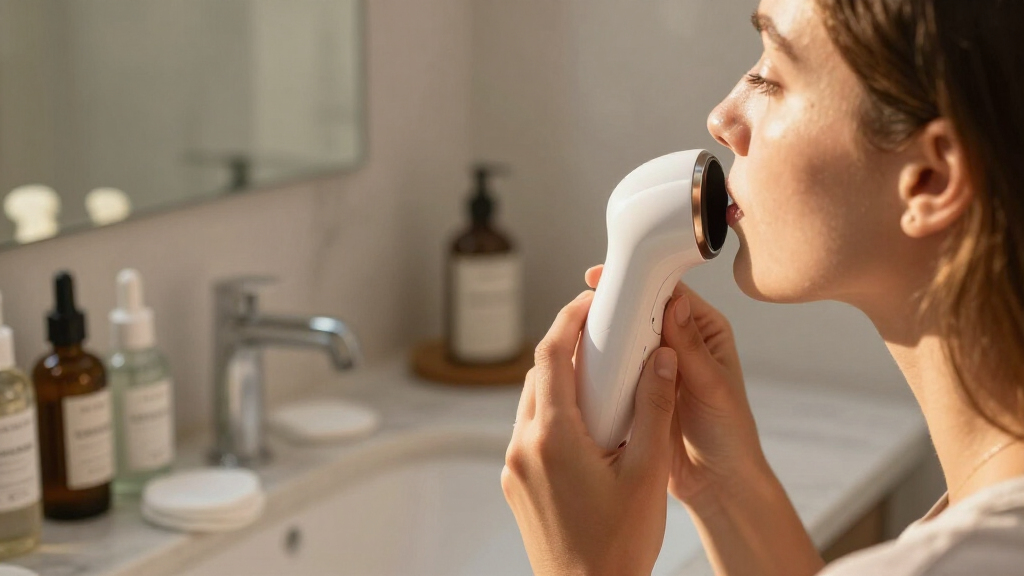
Radiofrequency devices heat skin tissue to stimulate collagen production—gradually improving firmness. They operate by delivering controlled electrical energy that causes thermal heating of the dermis, which in turn stimulates the body’s natural collagen synthesis. The key implication is that results are subtle and develop over time, making these devices suitable for those seeking gradual improvement without invasive procedures. The tradeoff is that they require patience and regular use; immediate, dramatic tightening is unlikely.
The BellaPiu Radiance RF, priced around $300–$600, offers temperature controls and preset routines. Results are subtle—improving skin elasticity and reducing fine lines over months with regular use. The significance here is that safe, incremental skin tightening is achievable at home, but overuse or overheating can cause adverse effects like burns or irritation. Therefore, understanding and following safety protocols is crucial for effective, risk-free results. This emphasizes that at-home RF treatments are about consistency and moderation, not instant gratification.
home radiofrequency skin tightening device
As an affiliate, we earn on qualifying purchases.
As an affiliate, we earn on qualifying purchases.
Laser and light-based hair-growth devices: modest gains, real caution
Low-level red-light devices like caps and combs aim to stimulate hair follicles for pattern hair loss. They work by increasing blood flow and cellular activity within the follicle, potentially encouraging new growth or slowing hair loss. The key implication is that results are often modest and require consistent, long-term use—typically several times a week over months. This means users must commit to patience, understanding that these devices are not quick fixes. The tradeoff is that while they can be effective for some, they are not universally reliable, especially if underlying causes like hormonal imbalance or scarring are involved.
For example, the BellaPiu HairGrow Cap (around $250–$400) is designed for regular sessions, often several times a week. It’s most suitable for early-stage androgenetic alopecia, not sudden or patchy hair loss. The significance is that proper diagnosis and realistic expectations are critical—these devices support, but do not replace, medical treatment for serious conditions. Use cautiously if you’re prone to scalp sensitivities, as improper use can cause irritation or damage.
Smart skin analysis and connected devices: tracking progress with AI
Beauty apps and smart mirrors use cameras and sensors to analyze skin and recommend routines. They leverage AI to assess skin conditions like hydration, pigmentation, and texture, providing tailored advice and reminders. The key implication is that these tools can enhance consistency and motivation by tracking subtle changes over time. However, the accuracy of these assessments depends heavily on lighting conditions, camera quality, and user input. This means they are helpful for monitoring trends but not as precise as clinical diagnostics. Recognizing this, users should view these tools as supportive aids that foster regular skincare habits rather than definitive diagnostic instruments, which helps prevent over-reliance or misinterpretation of data.
Their value lies in encouraging routine and providing visual progress, but understanding their limitations ensures users don’t mistake AI assessments for professional medical advice. This balance is essential for integrating technology into a safe, effective skincare regimen.
Ultrasonic and infusion tools: hydration boosters or short-term plumpers
Ultrasonic, electroporation, and infusion devices claim to enhance product absorption or temporarily hydrate skin. They work by creating tiny channels or vibrations—like a gentle massage—that improve the penetration of active ingredients. The key implication is that while these devices can amplify the effectiveness of serums or moisturizers, the benefits are often short-lived, providing only temporary plumping or glow. The tradeoff is that overuse or pairing with potent actives like retinoids or acids can cause irritation or damage if not used carefully. Understanding that these tools are primarily adjuncts, not replacements for comprehensive skincare, is crucial for safe and effective use.
Use with caution—strong actives may irritate when paired with energy devices. Always follow manufacturer instructions, especially if you’re using retinoids or acids. Recognizing their role as hydration and absorption aids helps manage expectations and encourages safe, targeted application.
Cleansing and exfoliation devices: gentle, but don’t overdo it
Silicone sonic brushes, heated cleansers, and pore vacuums are evolving but require careful use. Gentle sonic cleansers like BellaPiu PureClean help remove makeup without damaging skin. They work by producing sonic vibrations that loosen debris and excess oil, promoting a clean, refreshed complexion without harsh scrubbing. The key is that overuse or high suction pore vacuums can damage delicate skin, causing redness or broken capillaries—especially if used aggressively or on sensitive skin. Microdermabrasion devices offer limited resurfacing—more like a gentle polish than a deep peel—so they should be used with caution to avoid irritation or over-exfoliation. The implication is that moderation and proper technique are essential for maintaining healthy skin and avoiding adverse effects.
Use these tools with care—avoid daily aggressive exfoliation, and steer clear if your skin is inflamed or sensitive. Recognizing their gentle but limited role helps integrate them safely into your routine without risking damage or irritation.
Microneedling and plasma devices: risky territory for at-home use
Microneedling creates tiny skin injuries—intended for professional use—stimulating collagen and tissue repair. At home, rollers can become contaminated, cause scarring, or introduce bacteria if not sterilized properly. Plasma pens and mole-removal devices are even more dangerous, risking burns, permanent scars, and tissue damage due to their high energy levels and precision requirements. The key implication is that these treatments involve significant risks if performed improperly, especially without proper training or sterilization protocols. The tradeoff is that attempting these at home can lead to serious adverse effects, including infections and irreversible skin damage, which outweigh any potential benefits. This highlights the importance of leaving such procedures to trained professionals who understand skin anatomy and safety procedures.
Unless you’re a trained dermatologist, avoid deep needling or lesion removal at home. Safety and sanitation are paramount. The risks of home microneedling and plasma treatments are substantial, and the potential for long-term harm far exceeds the temporary aesthetic gains.
Frequently Asked Questions
Do at-home beauty devices really work?
Some, like LED masks and IPL hair reduction, do produce visible benefits over time. But results are usually subtle, requiring patience and consistent use, and they often support routine maintenance rather than dramatic transformations.
How long before I see results?
It varies by device. Microcurrent effects can be immediate but temporary, while LED, IPL, or RF treatments typically show gradual improvements over several weeks or months with regular use.
Are expensive devices always better?
Not necessarily. Price often reflects branding or features, not strength or safety. Prioritize credible specifications, safety certifications, and ease of use when choosing a device.
Can home devices replace professional treatments?
Generally, no. They can support maintenance or target mild concerns but lack the power and diagnostic precision of professional equipment. For complex issues, consult a dermatologist.
Are these devices safe for sensitive skin?
Some are, but reactive or damaged skin needs lower settings, patch testing, and careful introduction. If you have eczema, rosacea, or recent skin procedures, consult a professional before use.
Conclusion
At-home beauty technology today offers promising tools that support your skin’s natural vitality—if used wisely. The key is to select devices backed by credible safety and evidence, then maintain patience with gradual improvements.
Think of these gadgets as allies in your routine, not magic wands. With careful choices, consistent use, and realistic goals, they can complement your skincare journey—bringing a little Italian-inspired elegance to your daily ritual.
Fall Picks
fall essentials
As an affiliate, we earn on qualifying purchases.