
TL;DR

Get beauty and skincare favorites delivered free — and shop member deals
- Fast, free delivery on millions of items
- Access to Prime Big Deal Days deals on October 6–7
- Prime Video, Amazon Music and more included
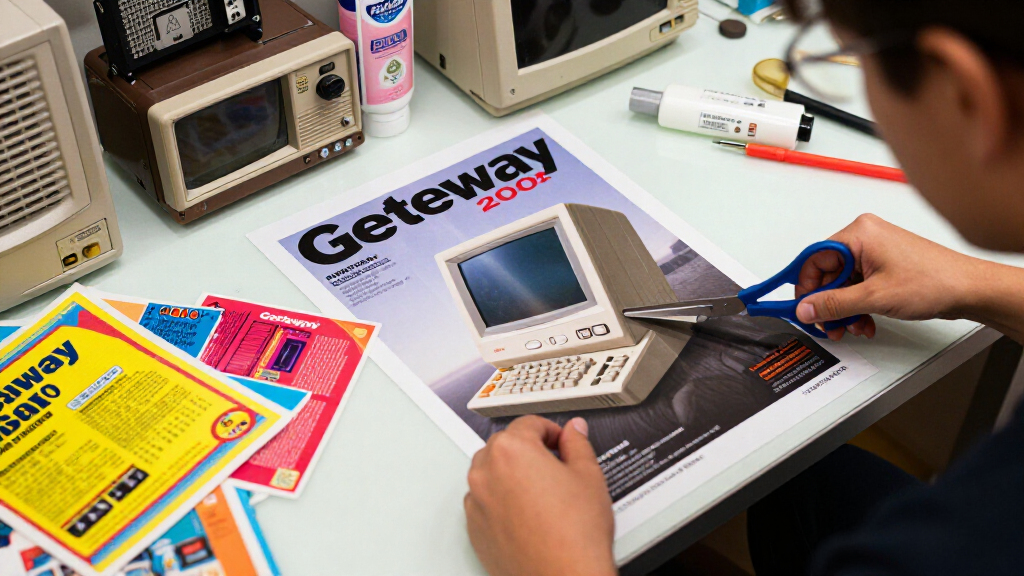
This article examines Gateway 2000’s notably poor and humorous advertising campaigns in the 1990s, focusing on Part II. It discusses their cultural impact and ongoing legacy. The story is based on confirmed historical ad campaigns and industry reactions.
Gateway 2000’s advertising campaigns in the 1990s are widely remembered for their humorously bad execution and unintentional comedy. This article reviews the second part of these campaigns, highlighting their impact on the company’s brand and industry perception.
Gateway 2000, a prominent PC manufacturer in the 90s, launched a series of advertisements that are now considered some of the worst in tech marketing history. Part II of these campaigns, which aired between 1994 and 1996, featured low-budget production, awkward scripting, and bizarre messaging that often confused viewers rather than persuade them.
Industry analysts and marketing experts have pointed out that these ads, despite their flaws, contributed to Gateway’s distinctive brand identity, making them memorable—albeit for all the wrong reasons. Notably, some advertisements included exaggerated claims about product performance, which critics later dismissed as misleading.
According to marketing historian Dr. Lisa Chen, “Gateway’s ads became a case study in what not to do in advertising, but they also inadvertently boosted brand recognition through their sheer absurdity.” The ads’ notoriety has persisted into the digital age, with compilations circulating widely on social media and YouTube.
Why Gateway’s 90s Ads Still Matter Today
The campaigns’ enduring fame underscores how poor advertising can become a cultural touchstone, influencing brand perception and marketing strategies. For tech companies, Gateway’s ads serve as cautionary tales about the importance of quality production and clear messaging. Their legacy demonstrates that even failed marketing efforts can achieve long-term recognition, impacting industry standards and consumer expectations.
As an affiliate, we earn on qualifying purchases.
Historical Context of Gateway 2000’s Advertising Strategies
During the early to mid-1990s, Gateway 2000 was competing with major PC brands like Dell and Compaq. To stand out, Gateway invested heavily in direct-to-consumer marketing, including television ads. However, their advertising approach often prioritized humor and shock value over professionalism, resulting in campaigns that are now regarded as some of the worst ever produced in the tech industry.
Part I of Gateway’s advertising history already garnered attention for its bizarre, low-budget commercials, but Part II, which aired from 1994 to 1996, pushed the boundaries further with even more questionable content. Despite the negative reception, Gateway’s ads achieved a level of notoriety that kept the brand in the public eye.
Industry observers note that Gateway’s unconventional marketing was partly driven by a desire to appeal directly to consumers tired of traditional, polished ads, but it ultimately backfired, leading to a reputation for poor taste and amateurish production values.
As an affiliate, we earn on qualifying purchases.
Unclear Impact on Gateway’s Long-Term Brand Perception
It is not yet confirmed how much these ads directly influenced Gateway’s sales or long-term brand reputation. While they are widely recognized as humorous failures, their actual effect on consumer perception and market share remains debated among industry analysts.
Some speculate that the ads may have hurt Gateway’s credibility temporarily, but others argue they helped the brand stand out in a crowded market. Further research into consumer surveys from that era is needed to clarify these effects.
As an affiliate, we earn on qualifying purchases.
Future Analysis of Gateway’s Advertising Legacy
Researchers and marketing experts plan to analyze the long-term effects of Gateway’s advertising strategies, including how these campaigns influenced future tech marketing trends. Additionally, there may be renewed interest in the company’s history as a case study in both failure and unintended success, with potential retrospectives or documentaries in development.
Industry insiders suggest that understanding Gateway’s ad campaigns could inform modern marketing practices, especially in the realm of viral and meme culture, where even failures can generate lasting attention.
As an affiliate, we earn on qualifying purchases.
Key Questions
Why are Gateway’s 90s ads considered so bad?
They are characterized by low-budget production, awkward scripting, bizarre messaging, and exaggerated claims, which many viewers found confusing or humorous.
Did Gateway’s ads hurt or help the company?
It is unclear. While some believe the ads damaged Gateway’s credibility temporarily, others argue they increased brand recognition through their notoriety, making them memorable in the industry.
Are Gateway’s 90s ads still available online?
Yes, compilations of these commercials circulate on social media platforms like YouTube, where they are often viewed as humorous or nostalgic relics.
What lessons can marketers learn from Gateway’s advertising failures?
They highlight the importance of professional production, clear messaging, and avoiding over-the-top claims that can backfire, while also showing that even poor campaigns can leave a lasting cultural footprint.
Source: hn
Fall Picks
fall essentials
As an affiliate, we earn on qualifying purchases.