
TL;DR

Get beauty and skincare favorites delivered free — and shop member deals
- Fast, free delivery on millions of items
- Access to Prime Big Deal Days deals on October 6–7
- Prime Video, Amazon Music and more included
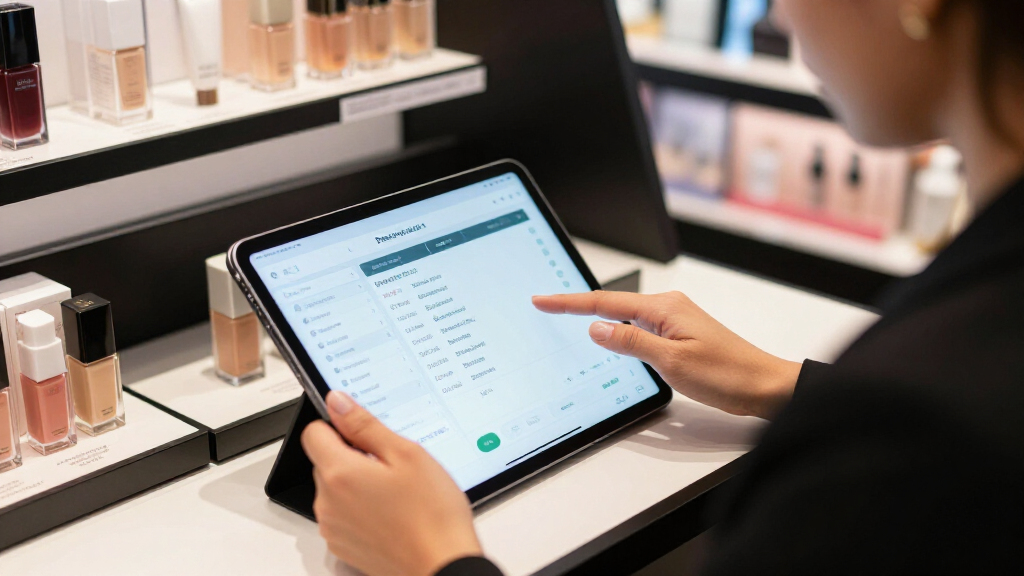
Retailers increasingly adopt AI tools to monitor shopping traffic and enhance customer experience. However, they are actively fighting to retain ownership of customer data as privacy regulations tighten. This tension impacts marketing strategies and data privacy debates.
Retailers are adopting AI technologies to analyze shopping traffic and improve store operations, but are also actively seeking to limit access to customer data amid increasing privacy concerns. This dynamic reflects a broader industry shift as businesses balance technological innovation with data privacy regulations, making it a key issue for both retailers and consumers.
Recent reports indicate that major retail chains are deploying AI-driven solutions to monitor foot traffic, optimize store layouts, and personalize marketing efforts. Companies like Walmart, Target, and Sephora have publicly invested in AI tools that analyze in-store movement patterns and purchasing behaviors. However, these same retailers are also implementing stricter data controls and advocating for policies that limit third-party access to customer information. According to industry sources, this push is partly driven by rising privacy regulations such as GDPR and CCPA, which restrict how customer data can be collected, stored, and shared. Retailers are concerned that losing control over customer data could diminish their ability to deliver targeted marketing and personalized shopping experiences, which are critical to their competitiveness. Meanwhile, privacy advocates and regulators emphasize the importance of protecting consumer rights, creating a complex landscape for retail data strategies.Why Retail Data Control Impacts Market Competition
This development matters because it highlights a fundamental tension in the retail sector: the desire to harness AI for business growth versus the need to protect customer privacy. Retailers’ efforts to restrict data sharing could influence the effectiveness of AI-driven marketing and store optimization. It also raises questions about future regulations and how they might shape data collection practices. For consumers, this debate affects the level of personalization they experience and their rights over personal information. For the industry, the outcome could redefine data ownership norms and influence competitive dynamics among retailers and tech providers.AI foot traffic analysis retail devices
As an affiliate, we earn on qualifying purchases.
As an affiliate, we earn on qualifying purchases.
Retail Industry’s Growing Adoption of AI and Privacy Challenges
Over the past few years, retail companies have increasingly integrated AI into their operations, from inventory management to customer engagement. Major brands have announced investments in AI tools designed to analyze foot traffic and personalize shopping experiences. However, as data privacy laws tighten globally, retailers face mounting pressure to limit data access and share less information with third-party vendors. This pushback is partly driven by consumer demand for greater privacy and regulatory enforcement, which has led many companies to revise their data collection policies. Industry analysts note that while AI offers significant advantages, the regulatory environment is making data ownership a more complex issue, with companies seeking to strike a balance between innovation and compliance.customer data privacy tools for retail
As an affiliate, we earn on qualifying purchases.
As an affiliate, we earn on qualifying purchases.
Unclear Impact of Future Regulations on Retail Data Strategies
It is not yet clear how upcoming privacy laws or regulatory actions will specifically influence retail companies’ ability to collect and utilize customer data. Retailers may face new restrictions, but the extent and timing of such regulations remain uncertain. Additionally, how these legal changes will affect AI deployment and personalized marketing strategies is still developing.retail store traffic monitoring sensors
As an affiliate, we earn on qualifying purchases.
As an affiliate, we earn on qualifying purchases.
Next Steps in Retail Data Privacy and AI Integration
Retailers are expected to continue refining their data policies, balancing AI innovation with compliance. Industry groups may lobby for regulatory clarity, while some companies might develop new technologies to anonymize data or limit third-party access. Monitoring legislative developments and retailer responses will be key to understanding future industry trends.As an affiliate, we earn on qualifying purchases.
Key Questions
Why are retailers fighting to keep customer data?
Retailers want to retain control over customer data because it is essential for targeted marketing, personalized shopping experiences, and operational efficiency. Losing access to this data could reduce their competitive edge.
How does privacy regulation impact AI use in retail?
Privacy laws like GDPR and CCPA restrict how customer data can be collected, stored, and shared. This limits retailers’ ability to use AI for certain analytics and personalization, prompting them to seek stricter data controls.
Are retailers fully successful in restricting data access?
It is unclear if retailers are entirely successful. While many are implementing tighter controls, some third-party vendors and data brokers still access customer information, and legal challenges are ongoing.
What are the risks of restricting customer data?
Reducing data access could impact the effectiveness of AI-driven marketing and customer insights, potentially leading to less personalized experiences and lower sales.
What might happen if regulations become more restrictive?
If regulations tighten further, retailers may need to develop new methods of data collection that prioritize privacy, possibly at the expense of some AI capabilities, or face penalties for non-compliance.
Source: rss
Fall Picks
fall essentials
As an affiliate, we earn on qualifying purchases.