
TL;DR

Get beauty and skincare favorites delivered free — and shop member deals
- Fast, free delivery on millions of items
- Access to Prime Big Deal Days deals on October 6–7
- Prime Video, Amazon Music and more included
Multi-function facial devices offer convenience and space-saving benefits, but may compromise on performance for specific treatments. Dedicated tools often deliver higher quality but cost more and take up more space. Knowing your needs helps choose the right approach.
Multi-function facial devices save space and often reduce upfront costs but may compromise on treatment intensity and precision.
Dedicated tools typically outperform multi-taskers in targeted results, especially in professional settings or for specific skin issues.
Assess your routine, space, and budget before choosing; a multi-function device suits casual, space-limited use, while specialized tools are better for serious…
Latest tech integrates AI, app control, and advanced safety features, making both options more capable than ever.
Always buy from reputable brands with proper safety certifications to ensure reliability and skin safety.
Multi-Function vs Single-Feature Facial Devices
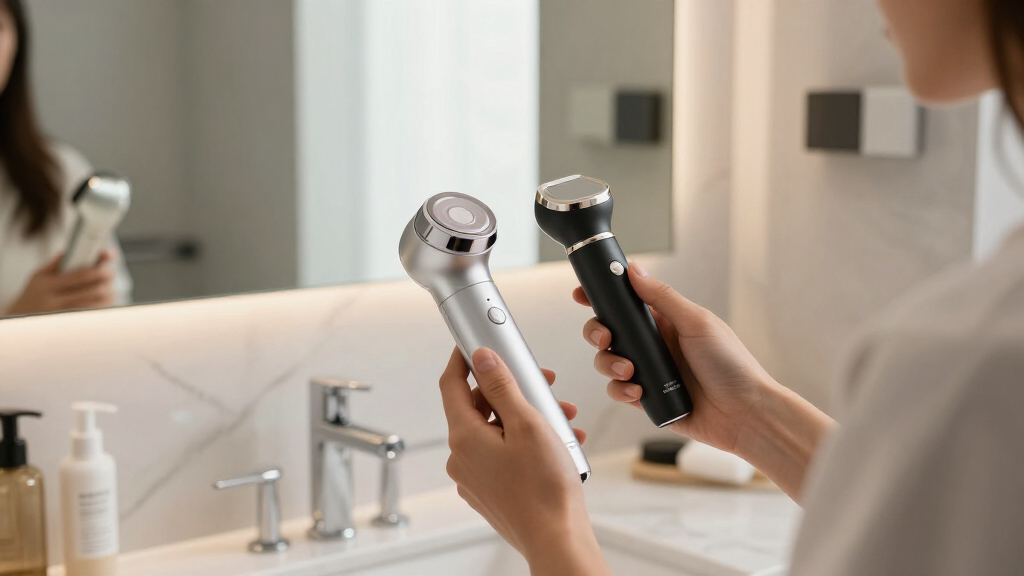
One sleek tool promises cleansing, exfoliation, massage and LED therapy. A shelf of specialists promises stronger, more precise results. The right choice comes down to whether your routine values streamlined maintenance or focused performance.
Compact, approachable and designed for an easy everyday routine.
Purpose-built power and control for a clearly defined skin goal.
Choose for your concern, space and frequency—not the longest feature list.
Cleansing, exfoliation, massage and LED can share one housing.
Convenience rises while treatment precision may fall.
A specialist microcurrent system can command a premium.
An all-in-one can become a single point of failure.
Convenience meets specialization
Multi-function devices consolidate the routine. Dedicated devices concentrate engineering, settings and power on one treatment. Neither format is universally superior; each optimizes a different kind of skincare experience.
Less clutter, fewer transitions
One compact unit replaces several gadgets and keeps a routine moving without changing tools, chargers or interfaces.
- Practical for small bathrooms and travel
- Lower combined entry cost is often possible
- One control system reduces the learning curve
Shared hardware, divided focus
Integrating ultrasonic cleansing, microcurrent and light therapy may constrain output, treatment geometry or fine control.
- Individual modes may operate below specialist intensity
- Customization can be limited to preset programs
- One failed component can sideline every function
Built to excel at one job
A dedicated LED mask, sonic cleanser or microcurrent tool can optimize fit, power and settings around its sole purpose.
- Greater precision for a defined concern
- Higher intensity may deliver faster visible results
- More suitable for demanding or professional use
Performance has a footprint
Building a specialist toolkit means more purchases, storage, maintenance and time spent learning separate workflows.
- Higher total upfront investment
- Multiple chargers and maintenance routines
- More counter space and treatment transitions
The big device showdown
Read each row as a priority test. The highlighted column favors a simplified routine; the specialist column favors maximum control and efficacy.
| Decision factor | Multi-function device | Single-feature devices |
|---|---|---|
| Cost | ✓Often lower than buying several separate tools, though complex hardware may wear sooner. | ~Higher total entry cost, often balanced by purpose-built durability. |
| Performance | ~Balanced results across modes, with possible limits on intensity and treatment depth. | ✓Typically stronger, faster and more consistent within its specific function. |
| Space | ✓Compact footprint; ideal for small counters, shared spaces and travel. | ✗Several devices require dedicated storage, outlets and accessories. |
| Ease of use | ✓One interface streamlines setup and reduces switching between treatments. | ~Separate settings and protocols create a steeper learning curve. |
| Customization | ✗Preset combinations may leave less room for precise tailoring. | ✓Settings, fit and treatment method can target one concern in depth. |
| Reliability | ~More integrated parts and one shared body create a single point of failure. | ✓A fault affects one treatment while the rest of the toolkit remains usable. |
Multi-function profile
Illustrative priority profile based on the qualitative trade-offs described in this guide.
Single-feature profile
Specialization becomes more valuable as the concern, desired intensity and usage frequency increase.
How to pick the right device
Start with the treatment outcome, then filter through real-world constraints. A device only creates value when its routine is safe, sustainable and easy enough to follow consistently.
Name the concern
Separate targeted correction from overall maintenance.
Measure your space
Account for storage, charging and treatment setup.
Set the budget
Include accessories, replacement parts and upkeep.
Match the routine
Choose simplicity or fine control you will actually use.
Verify the device
Check specifications, reviews, warranty and safety.
Casual maintenance
You want a tidy, repeatable routine, have limited storage and prefer good all-round capability over maximum output.
One serious goal
You are committed to LED, microcurrent or exfoliation and value precision, power and customization above convenience.
Best of both
Use an all-in-one for routine care and add one specialist device for the concern that deserves extra intensity.
More functions create more dependencies
Integration can reduce physical clutter while increasing technical complexity. Follow the chain before assuming that “more features” automatically means “more value.”
Buy for the result, not the feature count.
A multi-tasker wins when consistency and simplicity keep you using it. A specialist wins when one outcome matters enough to justify the cost, space and learning curve.
Convenience versus peak efficacySafety is non-negotiable
What Do Multi-Function Facial Devices Actually Do?
Multi-function facial devices are designed to consolidate several skincare treatments into one compact unit. Think of a device that cleanses, exfoliates, massages, and employs LED therapy—all at the push of a button. For example, BellaPiu’s latest all-in-one model combines four core functions, saving space on your bathroom counter and simplifying your routine.
This integration streamlines your regimen — no need to switch between multiple tools. The goal? Offer a versatile experience while reducing clutter and investment in multiple gadgets. But how well do these combined features work together? That’s what we’ll explore next. The deeper implication is that while these devices promise convenience, the integration can sometimes lead to compromises in the effectiveness of each individual function. For instance, combining high-power microcurrent with ultrasonic cleansing may mean neither operates at full strength, limiting results. Understanding this helps you decide if a multi-tasker will meet your expectations or if you need specialized tools for serious skin concerns.
As an affiliate, we earn on qualifying purchases.
Why Single-Feature Devices Still Hold Strong
Single-feature devices focus solely on one task—like a dedicated cleansing brush or a high-powered LED mask. They excel at delivering intensive results in their specific area. For instance, a professional-grade microcurrent machine may cost over $1,500 but offers precision and power unmatched by multi-tasking devices. The reason this matters is that the more focused a device is, the more effectively it can optimize its function without compromise. This specialization means that in high-demand or professional settings, these devices can produce faster, more noticeable results because they operate at higher intensity levels tailored for that purpose. For consumers, this trade-off is significant: choosing a dedicated device often means investing more upfront but gaining confidence in its ability to deliver targeted, consistent results. It’s a strategic decision—whether to prioritize convenience or to aim for the highest possible efficacy in specific treatments, especially when dealing with stubborn skin issues or aging concerns.
single-feature facial cleansing brush
As an affiliate, we earn on qualifying purchases.
As an affiliate, we earn on qualifying purchases.
The Big Showdown: Multi-Function vs Single-Feature Devices
| Feature | Multi-Function Devices | Single-Feature Devices |
|---|---|---|
| Cost | Lower initial investment, but may need replacement sooner due to wear or limited durability | Higher upfront, but often built for longevity and specialized performance |
| Performance | Offers a balanced approach, but performance in each area might be compromised due to integration limits | Delivers superior results in its specific function, often with higher efficacy | Space | Compact, ideal for small bathrooms or travel | Requires multiple devices or dedicated space for each, which can be bulky |
| Ease of Use | Simplifies routine with one device, reducing learning curve and time | May require mastering multiple devices, each with its own settings and maintenance |
| Customization | Limited; all-in-one settings mean less room for tailoring treatments | Highly customizable, allowing users to target specific concerns with precision |
As an affiliate, we earn on qualifying purchases.
How to Pick the Right Device for Your Skin Goals
- Assess your skin concerns — do you need targeted results or overall maintenance? Understanding the severity and type of your skin issues guides whether you should prioritize specialization or versatility.
- Consider your space — is a compact device more practical than multiple gadgets? A smaller device can be more convenient but might limit the range of treatments.
- Set your budget — are you willing to invest more for professional-grade tools? Higher-end devices often come with advanced features but require a bigger initial outlay.
- Think about your routine — do you want simplicity or customization? Decide if you prefer a plug-and-play device or one that allows fine-tuning for specific concerns.
- Research device specs — look for models with proven safety, quality, and reviews. This ensures that your investment is both effective and secure.
For example, if you’re passionate about LED therapy and gentle exfoliation, a dedicated LED mask or sonic scrub may outperform an all-in-one device because it specializes and maximizes efficacy in that area. Conversely, if your priority is keeping your routine simple and space-efficient, a multi-function device can help you achieve decent results without cluttering your bathroom counter. The key is understanding your specific skin goals and balancing them with practical considerations, leading to a more satisfying and effective skincare investment.
As an affiliate, we earn on qualifying purchases.
The Hidden Tradeoffs of Combining Functions
Multi-function devices often make compromises that impact their effectiveness and reliability. For example, a device that combines ultrasonic cleansing with microcurrent therapy might not deliver the same intensity or penetration as dedicated units. Research from BellaPiu indicates that such compromises can lead to diminished results, especially in professional or serious home-use scenarios. This is because integrating multiple high-power functions requires balancing power output, which can dilute the effectiveness of each feature. The tradeoff is that while you gain convenience, you might sacrifice the depth or speed of results you could achieve with specialized equipment. Additionally, multi-function devices tend to have more complex mechanisms, increasing the likelihood of technical failures. If one feature malfunctions or wears out, the entire device may become unusable, making it less reliable over time. Recognizing these trade-offs helps set realistic expectations and informs whether a multi-function device will meet your long-term skincare needs or if investing in dedicated tools is more prudent.
When a Dedicated Device Is the Smarter Choice
If your skin concerns are specific or you demand professional results, a dedicated device often wins because it is optimized for that particular function. For instance, a high-end RF (radiofrequency) device designed solely for skin tightening provides more power, deeper penetration, and better results than a multi-function gadget claiming to do the same. According to BellaPiu, specialized devices are engineered with precision to target specific issues without compromise, leading to faster and more noticeable improvements. This specialization also means that these devices often incorporate advanced technology and higher-quality components, which can translate into better longevity and consistent results. The deeper implication is that for serious skin concerns—such as deep wrinkles, sagging, or stubborn spots—dedicated tools tend to outperform multi-purpose devices because they are purpose-built. However, this advantage comes with higher costs and larger footprints, so weighing the importance of ultimate results against convenience and space is essential. When your priority is achieving professional-grade outcomes, investing in dedicated devices is often the smarter long-term choice.
What’s the Real Cost of Your Choice?
Think beyond the sticker price. Multi-function devices often seem more economical initially because they combine several treatments into one unit, reducing the need for multiple purchases. This can be a significant saving for casual users or those with limited space. However, these devices may have higher ongoing costs—such as replacement parts, batteries, or less durable components—that add up over time. For example, replacement brushes or LED modules can become expensive, and performance might decline faster than specialized units. Conversely, dedicated tools, while more expensive upfront, typically last longer and maintain their efficacy, especially when used in professional settings. The deeper consideration is that investing in high-quality, specialized equipment can lead to better long-term results, reducing the need for frequent replacements or upgrades. Balancing initial costs with potential ongoing expenses and desired longevity helps you determine the true value of your investment, ensuring your skincare routine remains effective and economical over time.
Latest Tech: What’s New in Facial Devices?
Recent technological advancements are transforming facial devices into smarter, more integrated tools. Modern multi-function gadgets now include Wi-Fi connectivity, app control, and AI-driven skincare recommendations—making routines more personalized and efficient. For instance, BellaPiu’s latest models incorporate Bluetooth connectivity, allowing users to customize programs and receive real-time feedback on their skin. This integration of digital technology means that users can tailor treatments to their specific needs, track progress, and adjust settings easily. Meanwhile, dedicated devices are also evolving, often featuring advanced technologies like FDA-clearance microcurrent, high-power RF, or LED systems designed for professional-grade results. These devices are increasingly incorporating safety features, ergonomic designs, and enhanced efficacy, making the choice more nuanced than ever. The key implication is that both categories are advancing rapidly, offering more options that blend convenience, safety, and effectiveness—requiring consumers to stay informed to choose what best fits their lifestyle and skincare goals.
Key Questions You’re Probably Asking
- Are multi-function facial devices reliable enough for regular use? Modern models from reputable brands are generally reliable for daily routines, but their performance may not match high-end dedicated tools, especially in terms of power and longevity. The reliability often depends on build quality and proper maintenance, making brand reputation and reviews critical factors.
- Is it cheaper to go for one multi-tasker or several specialized devices? For small routines or casual users, a multi-function device can be more economical and space-efficient. However, for intensive or professional-level treatments, investing in specialized tools often yields better, faster results, which can justify the higher cost over time.
- Will combining multiple functions in one device reduce treatment quality? Sometimes. Combining high-power functions requires balancing and compromises, which can dilute effectiveness, especially in demanding scenarios. However, many high-quality models are designed to optimize this balance, providing satisfactory results without significant trade-offs.
- How do I choose between convenience and ultimate results? Consider your specific skin concerns, how much space and time you can dedicate, and your willingness to invest. If you prioritize quick, general maintenance, a multi-function device suffices. If you aim for targeted, professional outcomes, dedicated tools are preferable.
- Are multi-function devices safe? When purchased from reputable brands with proper safety certifications and used as instructed, they are generally safe for home use. Always follow manufacturer guidelines, perform patch tests, and ensure the device has necessary safety features to minimize risks.
Frequently Asked Questions
Are multi-function facial devices reliable enough for regular use?
Modern multi-function devices from reputable brands are generally reliable for daily routines, but their performance may not match high-end dedicated tools, especially in terms of power and longevity. The reliability often depends on build quality and proper maintenance, making brand reputation and reviews critical factors.Is it cheaper to buy one multi-tasking device or several specialized ones?
For small routines or casual users, a multi-function device can be more economical and space-efficient. However, for intensive or professional-level treatments, investing in specialized tools often yields better, faster results, which can justify the higher cost over time.Will combining multiple functions in one device reduce treatment quality?
Sometimes. Combining high-power functions requires balancing and compromises, which can dilute effectiveness, especially in demanding scenarios. However, many high-quality models are designed to optimize this balance, providing satisfactory results without significant trade-offs.How do I decide whether to opt for convenience or maximum results?
Consider your specific skin concerns, how much space and time you can dedicate, and your willingness to invest. If you prioritize quick, general maintenance, a multi-function device suffices. If you aim for targeted, professional outcomes, dedicated tools are preferable.Are multi-function facial devices safe for home use?
Yes, when purchased from reputable brands with proper safety certifications and used according to instructions. Always perform a patch test and follow safety guidelines for optimal results.Conclusion
Choosing between a multi-function device and dedicated tools depends on your priorities—space, budget, and desired results. A versatile gadget offers convenience, but a specialized device often delivers superior performance. Your best move? Match your choice to your skincare goals and routine — because in beauty tech, one size never fits all.Fall Picks
fall essentials
As an affiliate, we earn on qualifying purchases.