TL;DR
Play games included with Prime
Start a Prime free trial and play with Amazon Luna on your devices.
Start playingAs an affiliate, we earn on qualifying purchases.
Devices over $200 often feature advanced tech like LED, RF, or microcurrent for professional-grade results at home. Consistent use over weeks can improve skin tone, firmness, and clarity, but knowing what to look for is key to making a smart investment.
Imagine transforming your skincare routine with a device that rivals professional treatments—right in your own bathroom.
High-end at-home beauty devices over $200 are packed with advanced tech, from LED light therapy to radiofrequency and microcurrents. But which truly deliver results, and how do you choose the right one? This guide breaks down the essential features, real benefits, and what to expect from these sophisticated tools, so you can shop with confidence.
Choose devices with proven, FDA-cleared technology suited to your specific skin goals.
Expect gradual improvements over 8-12 weeks with consistent nightly or weekly use.
Prioritize safety features like skin sensors and adjustable intensity to prevent adverse effects.
Combine multiple technologies, such as LED and RF, for comprehensive skincare benefits.
Plan for ongoing costs like replacement parts, ensuring your device remains effective over time.
Premium beauty-tech investment guide
Best At-Home Beauty Devices Worth Over $200
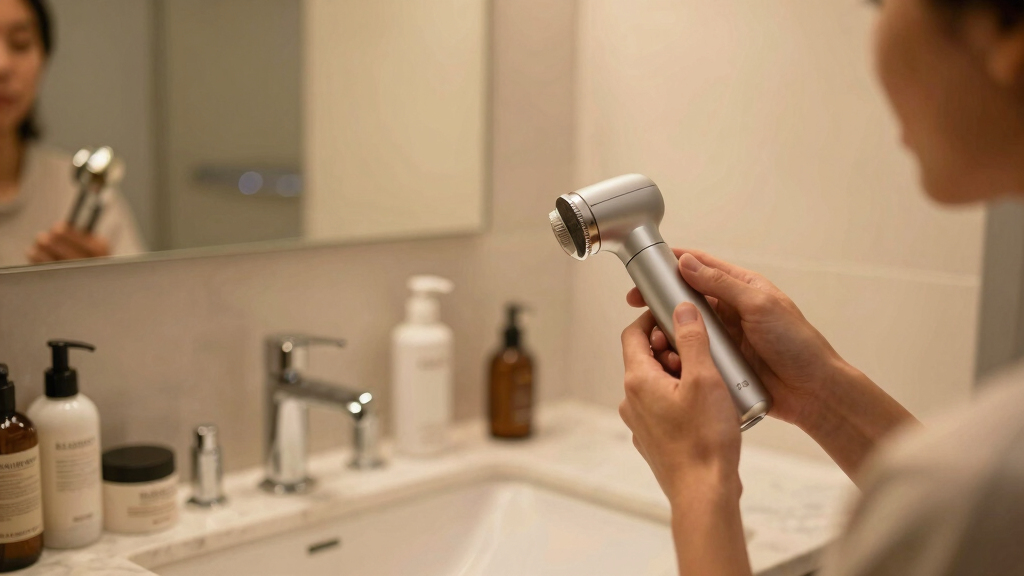
High-end devices bring LED, radiofrequency, microcurrent and laser-inspired technology into the bathroom. The real value is not novelty—it is choosing proven technology for a specific goal and using it consistently enough to produce gradual, visible change.
01 / The value test
What makes a device worth the premium?
A higher price is justified when it buys credible technology, safer delivery and a routine you can realistically maintain—not simply more settings.
Proven technology
Look for clinical support and FDA clearance for the exact model and intended use where applicable. “FDA registered” is not the same claim.
Goal-specific treatment
Collagen, redness, acne, contouring and hair removal require different mechanisms. Choose the technology after defining the concern.
Built-in safeguards
Skin-contact sensors, timers, adjustable intensity and automatic shut-off reduce the chance of irritation, burns or misuse.
Low-friction usability
An ergonomic shape, clear controls and manageable session length matter because even excellent technology fails when it stays in a drawer.
Durable construction
Solid materials, cleanable treatment surfaces, reliable charging and accessible support improve long-term value.
Transparent running cost
Check replacement heads, filters, cartridges, batteries or gels. The purchase price is only the beginning of the ownership equation.
02 / Technology comparison
Match the mechanism to the mission
Combination devices can broaden a routine, but each technology still has a distinct job, cadence and tradeoff.
| Technology | Primary purpose | Best suited to | Gentle routine | Technique matters | Key tradeoff |
|---|---|---|---|---|---|
| LED light therapy Maintenance-friendly | Supports collagen-focused routines and may help address redness or acne, depending on wavelength. | Brightness, fine lines, redness and blemish-prone skin | ✓ | ~ | Results are gradual; wavelength, dose and consistency matter. |
| Radiofrequency Firming focus | Delivers controlled heat to support firmer-looking skin and elasticity. | Ageing skin, laxity and areas needing a tightening-focused routine | ~ | ✓ | Temperature and contact must be controlled to reduce irritation risk. |
| Microcurrent Contour focus | Uses low-level current in routines designed to lift and tone facial contours. | Subtle definition, temporary lift and facial toning | ✓ | ✓ | Conductive gel and correct placement add steps to every session. |
| IPL / laser-inspired Targeted intensity | Targets pigment or hair follicles, depending on the device’s cleared indication. | Hair reduction or targeted tone and texture goals | ✗ | ✓ | Skin-tone compatibility, photosensitivity and strict instructions are critical. |
✓ strong fit ~ conditional fit ✗ less suited to frequent gentle use
03 / Buying sequence
A smarter five-step decision path
Move from skin goal to total ownership cost. Reversing that order makes feature-heavy devices look more useful than they are.
Name one goal
Choose firmness, acne, pigmentation, brightness, contouring or hair reduction as the primary target.
Verify the tech
Check clinical evidence and any applicable clearance for the specific device and indication.
Audit safety
Prioritize sensors, adjustable intensity, timers, skin-tone guidance and clear contraindications.
Test the routine
Compare session time and frequency with your real schedule. Complexity creates a learning curve.
Price ownership
Add gels, heads, filters, batteries and storage. Judge value over years, not just checkout day.
04 / Results reality
Progress is cumulative, not instant
At-home devices generally use lower treatment intensity than professional equipment. Their advantage is repeatability; their demand is patience.
Premium at-home devices sit toward the consistency side: lower session intensity, repeated over time.
05 / Protect the investment
Safety and maintenance belong in the budget
Proper use protects both skin and device. The strongest purchase is one you can operate safely and keep effective.
Before treatment
Skin-safety checklist
- Read the manufacturer’s instructions and contraindications in full.
- Perform a patch test, especially with sensitive or reactive skin.
- Start at the recommended lower intensity; more is not automatically better.
- Limit treatment time and respect automatic timers or cooldown periods.
- Ask a dermatologist before use with skin conditions, photosensitizing medication or uncertainty.
After purchase
Ownership checklist
- Clean treatment surfaces exactly as directed after every session.
- Store the device dry, protected and away from excess heat or moisture.
- Track replacement heads, filters, cartridges, batteries or conductive gel.
- Inspect cables, charging contacts and treatment surfaces for wear.
- Reassess results at the recommended milestone instead of increasing intensity impulsively.
06 / Traceability
The chain from purchase to payoff
A device is only “worth it” when every link holds—from the original concern through safe, repeated use.
Skin goal
Define one measurable concern and a realistic outcome.
Right technology
Match the mechanism to the goal, skin type and tolerance.
Safety fit
Confirm sensors, settings, contraindications and compatibility.
Consistent routine
Follow the recommended cadence for the full assessment window.
Measured value
Compare visible progress with time, upkeep and total cost.
Brands often considered in the premium category include NuFACE, Dr. Dennis Gross, Foreo, Tria and Silk’n. Product specifications and regulatory status vary by exact model and market, so verify current documentation before buying.
What Makes a High-End Facial Device Worth the Price?
Devices over $200 tend to incorporate proven technologies backed by clinical studies. They often combine multiple features—like LED, RF, and microcurrent—to target different skin concerns. For example, a device equipped with multi-wavelength LED can stimulate collagen while reducing redness, giving your skin a fresh glow.
Look for FDA clearance or peer-reviewed research confirming safety and efficacy. Durability and ease of use also matter—these devices should feel solid, with intuitive controls that make treatment enjoyable, not frustrating. Think of it as investing in a mini spa treatment you can do anytime.
Choosing a high-end device means balancing cost with potential benefits. While the initial investment is higher, the implication is that you’re getting access to more sophisticated technology that can deliver results closer to professional treatments. However, this often comes with tradeoffs: higher cost may mean more maintenance, longer learning curves, or the need for consistent use to see significant results. Understanding these tradeoffs helps you set realistic expectations and select a device that aligns with your commitment level and skin goals.
at-home LED light therapy device over $200
As an affiliate, we earn on qualifying purchases.
As an affiliate, we earn on qualifying purchases.
How to Pick the Best High-End Facial Device for Your Skin
- Identify your main skin concern—ageing, acne, pigmentation, or firmness.
- Check if the device uses FDA-cleared technology suited for your goals.
- Assess ease of use—does it have a clear interface? Is it comfortable to hold?
- Review safety features—skin sensors, adjustable intensity, automatic shut-off.
- Consider ongoing costs—replacement parts, batteries, or filters.
Understanding how to select the right device involves evaluating these factors in relation to your skin’s needs and your willingness to maintain a consistent routine. For example, a device with adjustable settings allows you to customize treatments, which can be crucial if your skin is sensitive or if you want to target specific issues. The tradeoff here is that more complex devices may require a learning curve but offer greater control and potentially better results over time.
radiofrequency skin tightening device for face
As an affiliate, we earn on qualifying purchases.
As an affiliate, we earn on qualifying purchases.
Compare the Top Technologies in Premium Facial Devices
| Technology | Purpose | Best For |
|---|---|---|
| LED Light Therapy | Stimulates collagen, reduces redness | Anti-aging, skin brightness |
| Radiofrequency (RF) | Boosts skin tightening, improves elasticity | Ageing skin, sagging |
| Microcurrent | Lifts and tones muscles underneath skin | Natural lifting, contouring |
Deepening your understanding of these technologies reveals their implications: for instance, LED therapy mainly promotes collagen production and is gentle enough for regular use, making it ideal for maintenance. RF, on the other hand, offers more immediate tightening effects but may require longer-term sessions for sustained results. Microcurrent provides a subtle lifting effect, but its efficacy depends on consistent use and proper technique. Recognizing these tradeoffs helps you select a device that offers the right combination of safety, efficacy, and convenience for your routine.
microcurrent facial device professional grade
As an affiliate, we earn on qualifying purchases.
As an affiliate, we earn on qualifying purchases.
Real Results You Can Expect with Regular Use
Persistent use over 8-12 weeks can noticeably improve skin firmness, reduce fine lines, and even out skin tone. For example, users of the Tria Age-Defying Laser report a visible glow and smoother skin after just a few weeks of nightly treatments.
It’s not magic—these devices work gradually, building collagen and stimulating cellular renewal. The implication is that patience and consistency are essential; results are cumulative, and skipping treatments can diminish long-term benefits. Think of it as a gentle workout for your skin—over time, the repeated stimulation encourages your skin’s natural repair processes, leading to a more youthful appearance. The tradeoff is that visible improvements require dedication, and expecting overnight results may lead to disappointment. Instead, embracing a routine with realistic milestones helps you appreciate the gradual transformation these devices can support.
multi-technology facial treatment device
As an affiliate, we earn on qualifying purchases.
As an affiliate, we earn on qualifying purchases.
Important Safety Tips for High-End At-Home Devices
- Always follow the manufacturer’s instructions carefully.
- Perform a patch test before full treatment, especially if you have sensitive skin.
- Use recommended settings—don’t push the device beyond advised intensity levels.
- Limit treatment time to prevent irritation or burns.
- Consult a dermatologist if you have skin conditions or are on medication that affects skin sensitivity.
Ongoing Costs and Maintenance — What to Expect Long-Term
Many high-end devices require replacement parts like treatment heads, filters, or batteries after a certain number of uses. For instance, LED panels may need replacing after 10,000 hours of use, roughly 2-3 years for regular treatments.
Proper cleaning and storage extend device lifespan. Budget for ongoing costs—these aren’t just one-time investments but part of your skincare routine over years. Recognizing these long-term expenses helps you plan financially and avoid surprises, ensuring your device remains effective and safe to use. The tradeoff is that while initial costs are high, maintaining your device ensures sustained results and safety, making it a worthwhile investment over time.
Frequently Asked Questions
Are high-end at-home facial devices as effective as professional treatments?
While they may not match the immediate intensity of professional procedures, high-quality devices over $200 can produce significant, visible improvements with consistent use. They’re designed to support skin health gradually, making them a worthwhile investment for routine care.
Can I use these devices if I have sensitive skin?
Many high-end devices include safety features like skin sensors and adjustable settings to protect sensitive skin. However, always perform a patch test and consult a dermatologist if you have pre-existing skin conditions before starting treatments.
How long before I see real results?
Most users notice subtle changes after 4 weeks, with more significant improvements around 8-12 weeks of regular use. Patience and consistency are your best allies in at-home skincare.
What ongoing maintenance do these devices require?
Expect to replace certain parts like treatment heads or batteries periodically. Proper cleaning, storage, and following manufacturer instructions will extend device life and keep treatments effective.
Are there any safety risks I should be aware of?
Risks include skin irritation, burns, or hyperpigmentation if devices are misused. Always adhere to usage guidelines, perform patch tests, and avoid overuse to minimize these risks.
Conclusion
Investing over $200 in a facial device means embracing technology that genuinely supports your skin’s health. The key is consistency and choosing a device tailored to your needs. When you do, the results—more radiant, firmer skin—become a rewarding part of your routine.
Think of it as a quiet partnership with science: a small, smart device working quietly to keep your skin at its best, day after day.
NFL season / tailgating Picks
team gear
As an affiliate, we earn on qualifying purchases.